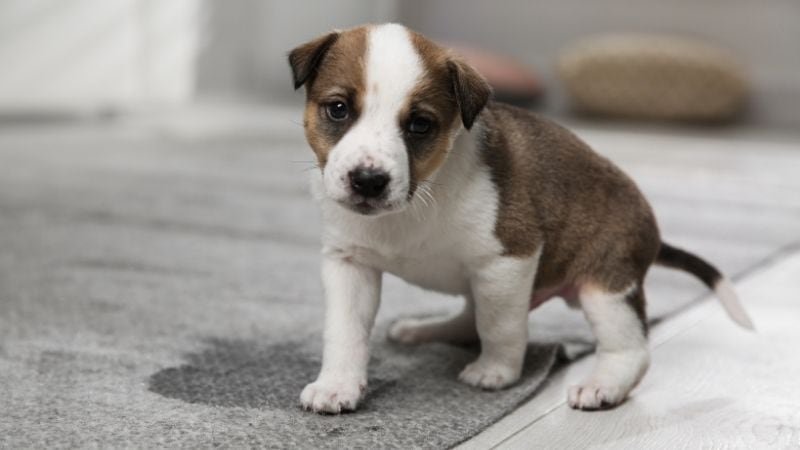
Have you ever found your dog peeing on your bed or couch and wondered why it keeps happening? It’s frustrating, confusing, and can feel like your pet is acting out on purpose.
But there’s more to this behavior than just mischief. Understanding why your dog chooses these spots can help you stop it for good and protect your home. Keep reading, because uncovering the real reasons behind this behavior will change the way you see your furry friend—and give you the tools to fix the problem quickly.

Credit: fuzipets.com
Common Causes Of Indoor Urination
Indoor urination by dogs on beds and couches can be frustrating. Understanding why dogs do this helps solve the problem faster. Several common causes explain this behavior. These causes include natural instincts, health problems, emotional states, and training gaps.
Marking Territory
Dogs use urine to mark their territory. This is a way to communicate with other animals. It tells others, "This is mine." Dogs may mark indoors if they feel their space is threatened. New pets or changes at home can trigger this. Marking is more common in unneutered males but can happen to any dog.
Medical Issues
Health problems can cause indoor urination. Urinary tract infections make dogs need to pee often. Bladder stones or kidney problems can cause accidents. Older dogs may have weak bladders. Pain or discomfort can make dogs avoid going outside. A vet visit is important to rule out medical causes.
Anxiety And Stress
Stress can lead dogs to pee on beds and couches. Changes in routine or new family members can cause anxiety. Separation anxiety makes dogs feel nervous when alone. Loud noises, like thunderstorms, also trigger this behavior. Urinating indoors offers comfort or relief during stress.
Lack Of Proper Training
Some dogs have not learned where to pee. Puppies need time and patience to train. Inconsistent rules confuse dogs about bathroom spots. Lack of outdoor access causes indoor accidents. Training with positive reinforcement helps dogs understand the right place to go.

Credit: rockykanaka.com
Behavioral Triggers Behind Bed And Couch Peeing
Dogs peeing on beds and couches often signals deeper behavioral triggers. This issue usually reflects their feelings and reactions to their environment. Understanding these triggers helps address the problem kindly and effectively.
Seeking Comfort And Security
Dogs see beds and couches as safe spaces. They may pee there to mark a place that feels comforting. Stress or anxiety can push them to find security this way. This behavior often appears in nervous or shy dogs.
Attention-seeking Actions
Some dogs pee on furniture to get noticed. They learn this action draws their owner’s focus quickly. Even negative attention can be rewarding to them. This behavior often happens if the dog feels ignored.
Response To Changes At Home
Changes like new pets or moving can confuse dogs. Peeing on beds or couches becomes a way to cope. It helps them express discomfort or stress. This reaction shows their struggle to adjust to new situations.
Health Concerns Linked To Urine Accidents
Urine accidents on beds and couches can signal health problems in dogs. Such issues often cause discomfort or pain, leading dogs to urinate in unusual places. Recognizing these health concerns early helps protect your pet’s well-being and keeps your home clean.
Urinary Tract Infections
Urinary tract infections (UTIs) are common in dogs and cause frequent, urgent urination. Dogs may not reach the bathroom in time and urinate indoors. UTIs cause pain and discomfort, making it hard for dogs to control their bladder. Prompt veterinary care can clear the infection quickly.
Bladder Problems
Bladder issues like stones or inflammation can trigger accidents. These problems cause irritation and a constant need to urinate. Dogs with bladder problems may leak urine or have accidents on soft furniture. Treatment depends on the cause and often requires medication or dietary changes.
Age-related Incontinence
Older dogs often face incontinence, losing control over their bladder. This condition leads to frequent accidents on beds and couches. Aging muscles weaken, reducing bladder control. Special care and sometimes medication can help manage incontinence and improve quality of life.
Environmental Factors Influencing Behavior
Environmental factors play a big role in why dogs pee on beds and couches. Changes around them can cause stress or confusion. This often leads to unwanted behaviors like indoor urination. Understanding these factors helps in managing and preventing the problem.
New Pets Or Family Members
Introducing a new pet or family member can unsettle a dog. The dog might feel threatened or insecure. This can cause marking behavior on soft furniture. It is a way for dogs to claim their territory. The new presence disrupts their usual sense of safety.
Changes In Routine
Dogs thrive on routine and predictability. Changes in feeding, walking, or sleeping times can stress them. Stress may cause accidents on beds and couches. Even small shifts in daily habits can confuse dogs. Consistent schedules help dogs feel secure and calm.
Scent Triggers On Furniture
Furniture often holds scents from people or pets. Dogs respond strongly to these smells. Scent triggers can prompt dogs to pee on beds and couches. They may try to cover or mix scents with their own. This behavior is a natural way to communicate or mark territory.
Preventing Furniture Urination
Preventing dogs from urinating on beds and couches requires a blend of consistent training, proper cleaning, and creating inviting spaces for your pet. It’s not just about stopping the behavior but understanding why it happens and redirecting your dog’s actions positively. This approach helps protect your furniture and strengthens your bond with your dog.
Effective Training Techniques
Start by setting clear rules about where your dog is allowed to go. Use positive reinforcement, like treats and praise, whenever your dog urinates outside or on designated potty pads.
Redirect your dog immediately if you catch them attempting to urinate on furniture. Consistency is key—repeating this will help your dog understand where they should go.
Crate training can also help, especially if your dog is young or anxious. Dogs naturally avoid soiling their sleeping area, so a crate can discourage accidents on beds and couches.
Proper Cleaning Methods
Cleaning furniture thoroughly after an accident is crucial. Use enzymatic cleaners designed to break down urine molecules; regular cleaning products often leave odors that encourage repeat accidents.
Avoid ammonia-based cleaners, as they smell similar to urine and can confuse your dog. Instead, blot the area and apply the enzymatic cleaner as directed.
After cleaning, consider placing an odor-neutralizing spray or a pet-safe deterrent on the furniture to discourage your dog from returning to the same spot.
Creating A Comfortable Space
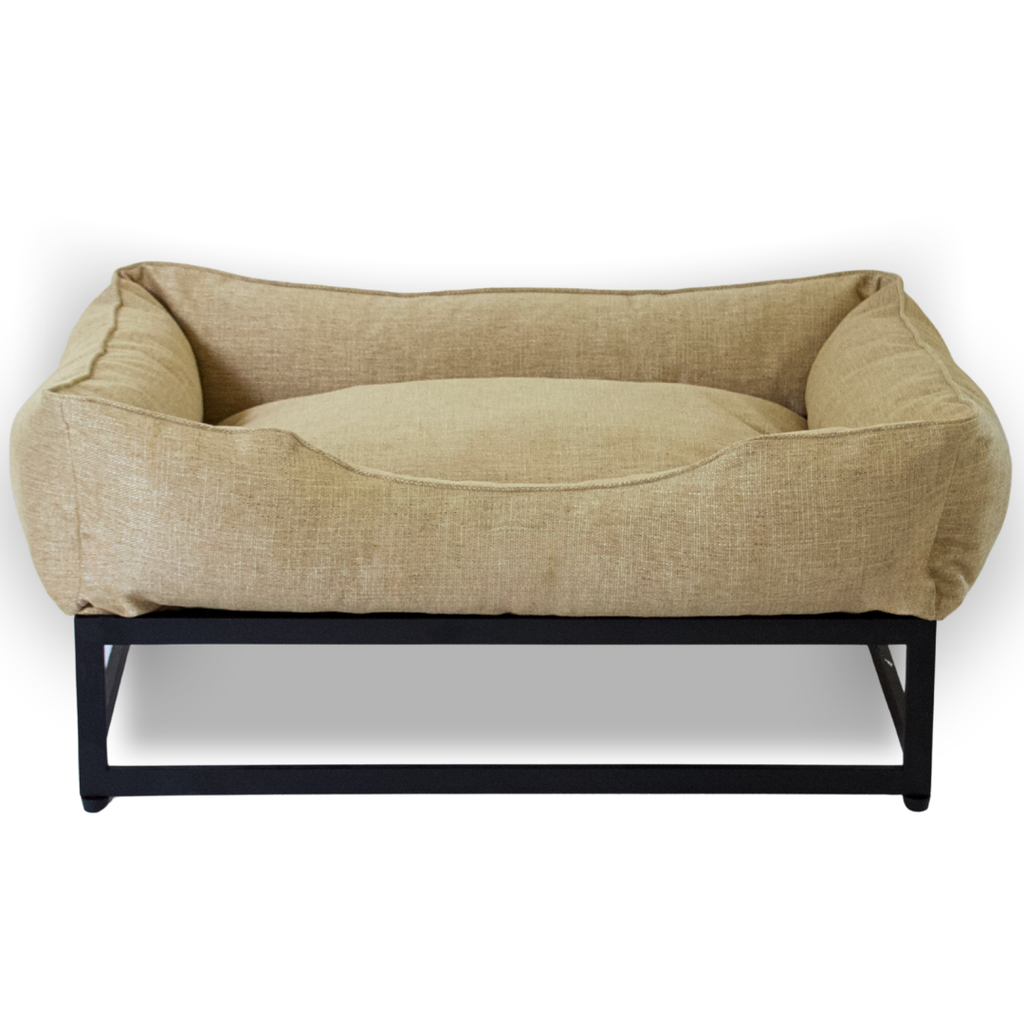
Sometimes dogs urinate on furniture because they feel anxious or uncomfortable. Providing a cozy bed or blanket in a quiet corner can make a big difference.
Make the space inviting with your dog’s favorite toys and maintain a regular routine to reduce stress. Have you noticed your dog avoiding their bed in favor of the couch? This could be a sign they need a more appealing spot.
Also, ensure your dog gets enough exercise and bathroom breaks to reduce accidents caused by restlessness or bladder control issues.
When To Consult A Veterinarian
Noticing your dog peeing on beds and couches can be frustrating, but it could signal more than just bad behavior. Knowing when to consult a veterinarian can save your pet from discomfort and help you address the root cause effectively. Ignoring the problem might lead to worsening health or emotional issues for your dog.
Recognizing Medical Symptoms
Have you seen any signs like frequent urination, blood in the urine, or unusual licking of the genital area? These symptoms might indicate urinary tract infections, bladder stones, or other medical problems. If your dog suddenly starts peeing indoors after being house-trained, medical causes should be ruled out first.
Other warning signs include lethargy, loss of appetite, or excessive thirst. These are clues that your dog’s body might be struggling with something more serious. Don’t hesitate to take notes on these symptoms before visiting the vet to provide clear information.
Behavioral Assessments
Sometimes, peeing on furniture is more about emotions than health. Stress, anxiety, or changes in the household can make dogs act out in confusing ways. Has your dog experienced a recent move, new family member, or loud noises?
Behavioral assessments by a vet or a professional trainer can uncover triggers you might miss. They can help determine if the issue is linked to separation anxiety, territorial marking, or incomplete house training. This insight helps create a tailored plan for your dog’s needs.
Treatment Options
Treatment depends on what your vet finds. Medical issues often require antibiotics or special diets, while behavioral problems might need training, environmental changes, or calming supplements. What worked for one dog might not work for another, so patience is key.
In some cases, combining medical and behavioral treatments brings the best results. Your vet can guide you through this process and suggest follow-ups to track progress. Remember, your quick action can improve your dog's comfort and your home’s cleanliness.
Credit: fuzipets.com
Frequently Asked Questions
Why Do Dogs Pee On Beds And Couches?
Dogs pee on beds and couches due to anxiety, marking territory, or medical issues. They seek comfort or respond to stress. Addressing behavior and health helps reduce accidents.
Can Anxiety Cause Dogs To Urinate Indoors?
Yes, anxiety often causes indoor urination. Stress triggers loss of bladder control or marking behavior. Providing comfort and training eases anxiety-related accidents.
How To Stop Dogs From Peeing On Furniture?
Consistent training, regular bathroom breaks, and cleaning with enzyme cleaners prevent repeat accidents. Identify triggers and consult a vet if needed to address underlying causes.
Is Medical Illness A Reason For Indoor Peeing?
Medical issues like infections or bladder problems cause indoor urination. A vet exam is essential to diagnose and treat health concerns promptly.
Conclusion
Understanding why dogs pee on beds and couches helps manage behavior. It's often due to stress, excitement, or marking territory. Recognizing these triggers aids in reducing incidents. Consistent training and positive reinforcement are key. This builds trust and curbs unwanted behavior.
Also, consider consulting a vet. Health issues might be a hidden cause. Regular check-ups ensure your dog's well-being. A clean, peaceful home benefits everyone. Patience and understanding make a big difference. With time, these habits can change. You and your furry friend can enjoy a harmonious living space.