Have you ever wondered where exactly they put a chip in a dog? If you’re a pet owner, this question might have crossed your mind when thinking about your furry friend’s safety.
Knowing where the chip goes helps you understand how it works and why it’s so important. You’ll discover the simple process behind microchipping your dog and how it can keep your beloved companion safe if they ever get lost. Keep reading to learn everything you need to know about this small but powerful tool that can make a big difference in your dog’s life.
Credit: www.goodrx.com
What Is A Microchip For Dogs
A microchip for dogs is a tiny device placed under the dog's skin. It holds a unique ID number that helps identify the pet. This chip helps reunite lost dogs with their owners quickly. It is safe, painless, and lasts a lifetime.
How Microchips Work
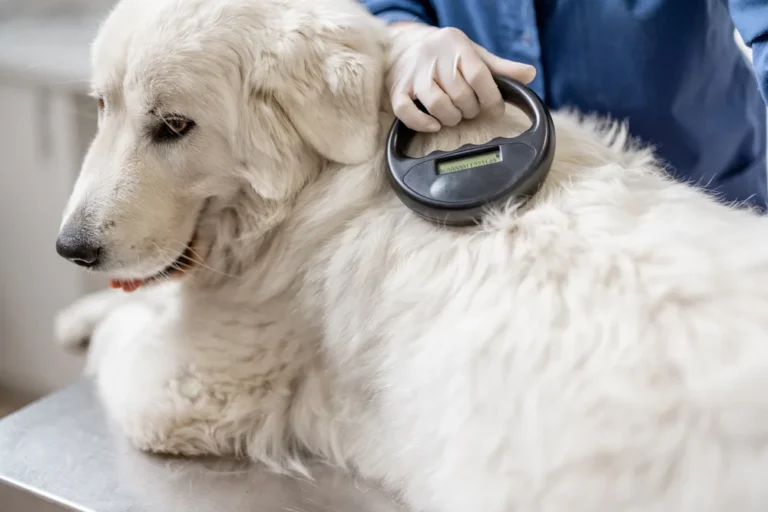
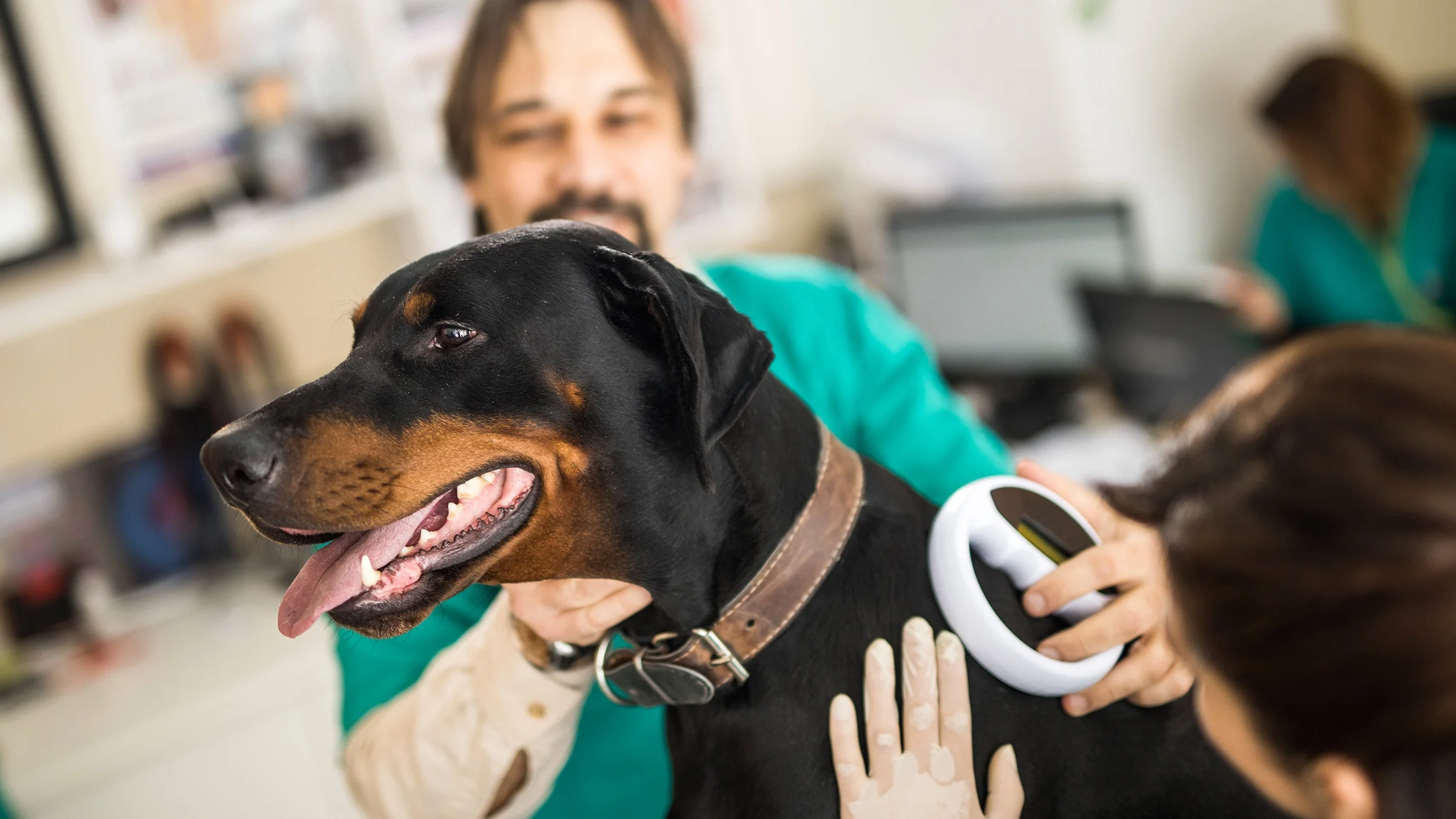
The microchip is about the size of a grain of rice. A vet inserts it under the dog's skin, usually between the shoulder blades. It stays there without causing harm. When scanned with a special reader, the chip sends out its ID number. This number links to the owner’s contact details in a pet database.
Benefits Of Microchipping
- Increases the chance of finding lost dogs.
- Provides permanent identification for pets.
- Works even if the dog loses its collar or tags.
- Helps shelters and vets contact owners quickly.
- Required by law in many places.
Where Is The Chip Placed
Understanding where the microchip is placed in your dog helps you feel more confident about the process and the safety of your pet. The chip is inserted under the skin, but the exact location matters for both ease of scanning and the comfort of your dog. Knowing this can help you ask the right questions when you visit the vet.
Common Injection Sites
The most common spot for implanting a microchip is between the dog’s shoulder blades. This area has less movement and thinner skin, making it easier to insert the chip with minimal discomfort.
Sometimes, vets place the chip in the loose skin on the side of the neck. This location also works well because it’s easy to scan and less likely to cause irritation.
- Between the shoulder blades (most typical)
- Side of the neck (alternative site)
When my own dog got chipped, the vet chose the shoulder blade area. I noticed it was quick and my dog barely flinched. That experience made me realize how straightforward this procedure really is.
Why Location Matters
The chip needs to be in a spot that’s easy to scan. If it’s placed too deep or in a hard-to-reach area, finding the chip during a scan can be tricky and stressful for your dog.
Choosing the right location also reduces the chance of the chip moving around under the skin. If the chip shifts, it can cause discomfort or make identification slower.
Have you ever wondered why vets don’t just put the chip anywhere? It’s all about balancing your dog’s comfort with the practicality of quick identification if your pet ever gets lost.
The Microchipping Procedure
Getting your dog microchipped is a quick and straightforward way to protect them. The microchipping procedure involves inserting a tiny chip under your dog’s skin. This chip holds important information that can help reunite you with your pet if they ever get lost.
Preparing Your Dog
Before the procedure, make sure your dog is calm and comfortable. Spend some quiet time with them to reduce any anxiety. If your dog is particularly nervous, a gentle walk or some playtime can help ease their stress.
It’s best to have your dog on a leash or in a secure area. This ensures they stay safe and still during the process. You might want to bring their favorite treat or toy to reward them afterward.
Step-by-step Process
The vet or technician will first clean the area, usually between the shoulder blades. This spot is chosen because it’s hard for your dog to reach and scratch. Then, they use a needle to insert the microchip just under the skin.
The needle is about the size of a pen and causes only minor discomfort, similar to a vaccination. After the chip is inserted, they will scan your dog to make sure the chip is working correctly. You’ll be given a registration form to link the chip to your contact information.
Aftercare Tips
After the microchipping, watch the injection site for a few days. Mild swelling or tenderness is normal, but if you notice excessive redness or discharge, contact your vet. Avoid bathing your dog or letting them swim for 24 hours to prevent irritation.
Keep an eye on your dog’s behavior to ensure they’re comfortable. Most dogs return to their normal activities right away. Remember to update your contact details in the microchip registry if you move or change phone numbers—this step is crucial for the chip to work effectively.

Credit: peeva.co
How To Register The Microchip
Registering your dog’s microchip is a crucial step to ensure their safety and your peace of mind. The microchip itself is just a small device implanted under your dog's skin, but without proper registration, it won’t help reunite you if your dog ever gets lost. Taking the time to register the chip and keep your information up to date makes all the difference.
Choosing A Registry
After microchipping, you need to pick a registry to store your pet’s information. There are many options, including national databases, local shelters, and private companies. Look for a registry that is widely recognized and easily accessible to vets and animal shelters.
Some registries offer extra features like lost pet alerts or mobile apps. Consider what matters most to you and your dog. Have you checked if your vet recommends a specific registry? That can be a good starting point.
Updating Your Information
Keeping your contact details current in the registry is just as important as registering the chip itself. People often forget to update their phone number or address after moving, which can delay or prevent a reunion with a lost dog.
Make it a habit to review your information at least once a year. Some registries send reminders; if yours doesn’t, set a calendar alert. What would happen if your dog’s chip points to outdated info? It’s a risk you don’t want to take.
Microchip Safety And Risks
Microchipping dogs is a common practice for pet identification. The process is simple and quick, but some pet owners worry about safety. Understanding the risks and long-term effects helps make an informed choice. This section explores the safety and potential risks of microchips in dogs.
Potential Side Effects
Most dogs do not experience problems after microchipping. Some may show mild reactions like swelling or redness at the injection site. These symptoms usually disappear within a few days. Rare cases report infection or allergic reactions. These risks are low when a trained professional implants the chip. Monitoring your dog after the procedure is important to catch any issues early.
Long-term Safety
Studies show microchips are safe for dogs over many years. The chips are made of biocompatible materials that do not harm the body. They stay in place without moving around. There is no evidence linking microchips to serious health problems. The benefits of quick pet recovery and identification outweigh small risks. Regular vet check-ups ensure the chip remains in good condition.
When To Get Your Dog Microchipped
Knowing the right time to microchip your dog helps keep them safe. Microchipping is a simple way to identify pets if they get lost. Choosing the right moment ensures the process is smooth and effective.
Puppy Vs Adult
Microchipping puppies is best done early, often during their first vet visit. This timing makes the process easier and less stressful. Adult dogs can also get microchipped anytime, but early microchipping reduces risks. Waiting too long increases the chance of losing your dog without ID.
Legal Requirements
Some places require dogs to be microchipped by law. Laws vary by country and region. Check local rules to avoid fines and penalties. Microchipping often becomes mandatory at a certain age or before pet adoption. Following legal rules helps protect your dog and community.
Troubleshooting Microchip Issues
Microchips are a reliable way to identify your dog, but sometimes things don’t go as smoothly as expected. Troubleshooting microchip issues can be frustrating, especially when you rely on the chip to reunite with your pet. Understanding common problems and how to fix them can save you time and stress.
Reading Failures
One common issue is when the microchip scanner can’t read the chip. This might happen if the scanner is old or not compatible with certain microchip types.
Another cause could be the chip’s position under your dog's skin. If the chip has migrated from its original spot, the scanner might miss it.
To fix reading failures, try scanning your dog slowly and from different angles. Ask your vet to use a newer, multi-frequency scanner designed to read all chip types.
Lost Or Unregistered Chips
Sometimes, microchips are not registered or get lost in the database, making it hard to find your dog’s information.
If you’ve adopted a dog, check if the microchip is registered to the rescue or shelter instead of your contact details.
You can prevent this by immediately updating the registration after getting your dog microchipped. Double-check the database to confirm your details are correct.
Have you ever faced a situation where a microchip was there but didn’t help locate a pet? What steps did you take to resolve it? Sharing these experiences can help others avoid similar issues.

Credit: www.ferndalekennels.com
Frequently Asked Questions
Where Is A Dog Microchip Placed?
A dog microchip is typically implanted between the shoulder blades. This area is chosen for its accessibility and minimal discomfort to the dog. Veterinarians use a syringe-like device to insert the chip. The procedure is quick and similar to a routine vaccination.
Is Microchipping Painful For Dogs?
Microchipping is generally not painful for dogs. The process is similar to a routine injection, causing minimal discomfort. Most dogs experience only a brief pinch during the procedure. The benefits of microchipping, such as permanent identification, outweigh the temporary discomfort.
Can A Microchip Move In A Dog's Body?
Yes, microchips can sometimes migrate slightly from their original position. However, they usually remain in the vicinity of the shoulder blades. Migration doesn't affect the chip's functionality. Regular checks by a vet ensure the chip is functioning and in place.
How Long Does A Dog Microchip Last?
A dog microchip is designed to last a lifetime. The microchip is made from biocompatible materials that do not degrade over time. Once implanted, it provides permanent identification for your pet. No battery or power source is required, making it a reliable option.
Conclusion
Microchipping a dog is quick and safe. The chip goes under the skin, usually between the shoulder blades. This small device helps identify your pet if lost. Vets or shelters scan the chip to find the owner’s information. It works like an ID tag but cannot fall off or get lost.
Every dog should have a chip for their safety. It gives peace of mind to pet owners everywhere. Simple, effective, and important—microchipping keeps dogs connected to their families.