Are you tired of your dog pulling hard every time you try to take a walk? It can turn a simple stroll into a frustrating tug-of-war.
But what if your walks could be calm, enjoyable, and full of connection? Teaching your dog to walk on a leash without pulling is easier than you think. With the right approach, you’ll gain control, your dog will feel more relaxed, and your time outside will become something you both look forward to.
Keep reading to discover simple, effective steps that will change your walks for good.
Choose The Right Leash And Collar
Choosing the right leash and collar is a crucial first step to teach your dog to walk calmly without pulling. The gear you select can make the difference between a stressful walk and an enjoyable stroll for both you and your dog. It’s about comfort, control, and safety all working together.
The Best Leash Types For Training
Not all leashes are created equal, especially for training. A standard 4 to 6-foot leash gives you good control without too much slack or restriction. Avoid retractable leashes during training—they encourage pulling and reduce your control.
Leather and nylon leashes are popular choices. Leather offers durability and a comfortable grip, while nylon is lightweight and easy to clean. Which one feels better in your hand can influence how steady you keep your dog.
Choosing A Collar That Works
Pick a collar that fits well—not too tight, not too loose. A collar that slips off or causes discomfort will make training harder. Flat collars are good for everyday use but can cause strain if your dog pulls hard.
For dogs who pull a lot, consider a front-clip harness or a martingale collar. These options give you more control without choking or hurting your dog. Have you noticed how your dog responds to different collars during walks? That can guide your choice.
What To Avoid For Better Training Outcomes
- Retractable leashes:They teach dogs to pull and can snap unexpectedly.
- Prong or choke collars:These can cause pain and fear, making training stressful.
- Too heavy or bulky gear:Can slow your dog down and cause discomfort.
Choosing gear that supports positive behavior makes teaching leash manners easier. Have you tried different collars or leashes to find what really works for your dog? Your choice can change every walk for the better.
Teach Basic Commands
Teaching your dog basic commands is essential before expecting them to walk nicely on a leash. These commands lay the foundation for better communication and control. They help your dog understand what you want, making walks more enjoyable for both of you.
Sit And Stay
Start with the "sit" command because it encourages your dog to pause and focus. Use treats to guide your dog into sitting, and reward them immediately when they do. This simple command helps prevent your dog from lunging or pulling as you prepare to start the walk.
The "stay" command builds patience. Once your dog sits, ask them to stay for a few seconds before giving a treat. Gradually increase the time they stay, so they learn to remain calm even when distractions arise during walks.
Have you noticed how much calmer your dog is when they understand to sit and stay before moving? This control is crucial in managing leash pulling.
Heel Command
The "heel" command teaches your dog to walk close to your side without pulling ahead. Begin training in a quiet place where distractions are minimal. Hold treats near your thigh and encourage your dog to stay by your side while walking.
Reward your dog frequently for staying at your side. If they pull forward, stop walking immediately and call them back to your side. This shows your dog that pulling does not speed up the walk—it actually delays it.
Imagine your walks without constant tugging. Teaching "heel" creates a smoother, safer experience. Are you ready to make every walk a calm and happy adventure?
Start With Short Training Sessions
Start training your dog to walk on a leash without pulling by keeping sessions short. Short sessions help your dog focus better and avoid frustration. Dogs learn best in small bursts of time. This approach builds good habits step by step.
Keep sessions brief to maintain your dog’s interest. Puppies and young dogs especially benefit from quick, fun lessons. End each session while your dog is still eager to learn more. This keeps training positive and enjoyable.
Choose A Quiet Location
Pick a calm place for the first training sessions. Avoid noisy or busy areas that distract your dog. A quiet spot helps your dog concentrate on walking calmly beside you. This makes it easier to teach leash manners.
Limit Training Time
Set training time between five to ten minutes. Short bursts keep your dog’s attention sharp. Gradually increase the time as your dog improves. This prevents your dog from getting tired or bored.
Give treats or praise when your dog walks without pulling. Reward good behavior immediately during short sessions. This encourages your dog to repeat the calm walking. Positive rewards make learning fun and effective.
End On A Good Note
Stop training while your dog is still happy and focused. Ending too late may cause frustration or loss of interest. Finish sessions with a treat or playtime. This creates a positive connection with leash training.
Use Positive Reinforcement
Positive reinforcement helps teach dogs good leash manners quickly. It builds trust and makes walks more enjoyable. Using rewards encourages your dog to stay close and walk calmly. This approach focuses on praising your dog for correct behavior instead of punishing mistakes. A happy dog learns better and stays motivated to listen during walks.
Treats And Praise
Use small, tasty treats as rewards for walking without pulling. Choose treats your dog loves and can eat quickly. Give a treat the moment your dog walks beside you calmly. Combine treats with kind words and a happy tone. Praise like "good job" helps your dog feel proud. This mix of food and praise makes learning fun and clear.
Timing Rewards
Give rewards right after your dog walks nicely by your side. Immediate rewards link good behavior to the treat or praise. Delay can confuse your dog and slow learning. Watch your dog closely to reward the exact right moment. Use treats often at first, then switch to praise only. This keeps your dog interested without needing treats every time.
Practice Loose Leash Walking
Training your dog to walk on a loose leash takes patience and consistency. The goal is to create a calm, enjoyable walk where your dog stays by your side without pulling. Practicing loose leash walking builds trust and communication between you and your dog, making walks more relaxing for both of you.
Stop When Pulling
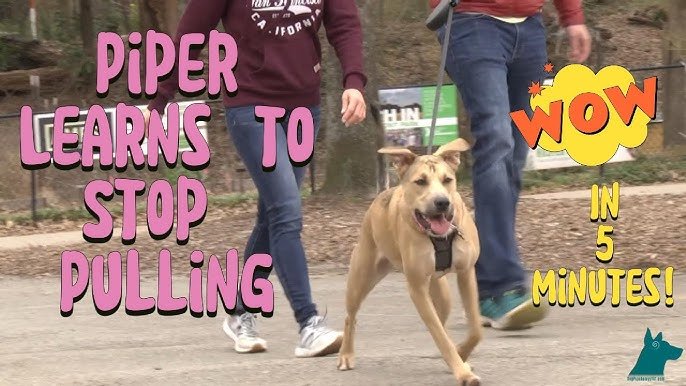
One effective way to teach loose leash walking is to stop as soon as your dog starts pulling. When your dog pulls ahead, immediately come to a complete stop. This shows your dog that pulling won’t get them anywhere faster.
Stand still and wait patiently until the leash slackens. Once your dog relaxes and the tension is gone, start walking again. This simple action helps your dog understand that pulling delays the walk, encouraging them to stay close.
Have you noticed how your dog reacts when you stop suddenly? It’s a silent conversation that teaches self-control and patience.
Change Direction
Changing direction unexpectedly is another smart way to practice loose leash walking. When your dog pulls, turn around and walk the other way. This catches their attention and encourages them to focus on you instead of rushing ahead.
Switching directions keeps your dog engaged and reminds them that you lead the walk. It also makes the walk more interactive and fun for both of you.
Try varying your pace and direction frequently. This helps your dog learn to watch your movements closely and respond without pulling.

Credit: www.nonstopdogwear.com
Gradually Increase Distractions
Teaching your dog to walk calmly on a leash takes patience, especially when distractions come into play. Gradually increasing distractions helps your dog focus on you despite the tempting sights, sounds, and smells around. This approach builds your dog's confidence and self-control in real-world situations.
Start With Low-level Distractions
Begin training in a quiet, familiar place like your backyard or a calm park. Use gentle distractions such as a few people walking by or distant noises. This lets your dog practice leash walking without feeling overwhelmed.
Keep sessions short and positive. If your dog stays focused, reward with treats or praise immediately. Notice how small distractions impact your dog's behavior before moving on.
Gradually Add More Challenging Distractions
Once your dog handles mild distractions well, introduce more tempting stimuli. Try busier parks, other dogs playing nearby, or cyclists passing by. These new challenges test your dog’s impulse control.
Watch your dog carefully. If pulling increases, slow down the pace of distractions and return to easier settings. Your goal is steady progress, not rushing to perfect walks.
Use Controlled Environments For Practice
Arrange meetups with calm dogs or friends to create predictable distractions. This controlled setup helps your dog learn to stay focused while still experiencing social situations. You can manage the environment and make adjustments as needed.
Think about how your dog reacts to each new distraction. Do they lose focus quickly or stay calm? This feedback guides your next training steps.
Keep Training Sessions Short And Frequent
Short bursts of training work best when distractions are involved. Aim for 5-10 minute sessions several times a day instead of one long walk. This prevents your dog from becoming bored or stressed.
Frequent practice in different environments reinforces good leash habits. Ask yourself: can you fit these mini training moments into your daily routine?
Celebrate Small Wins And Stay Patient
Every moment your dog walks without pulling, even with distractions, is progress. Celebrate these small victories to keep both you and your dog motivated. Avoid punishing mistakes; instead, refocus your dog gently and try again.
Remember, distractions will always exist on walks. Training your dog to stay calm around them is a gradual journey. How will you adapt your approach to keep your dog engaged and learning?
Be Consistent And Patient
Training your dog to walk calmly on a leash takes time. Consistency and patience are key to success. Dogs learn best with steady, repeated practice. Sudden changes or rushing often confuse them. Keep the training routine regular and predictable. Your calm and patient attitude helps your dog feel safe and willing to learn.
Keep Training Sessions Short And Regular
Short training sessions hold your dog’s attention better. Aim for 5 to 10 minutes each time. Practice several times a day instead of one long session. This approach builds good habits without tiring your dog. Regular practice helps reinforce the behavior consistently.
Use The Same Commands Every Time
Choose clear, simple words for commands. Use the same words for “walk,” “stop,” or “heel” during every session. This consistency helps your dog understand what you expect. Avoid changing commands or mixing phrases to prevent confusion.
Reward Calm Behavior Immediately
Give treats or praise right after your dog walks without pulling. Immediate rewards teach your dog which behavior is correct. Be patient if your dog pulls or gets distracted. Wait for calm moments to give rewards and continue training.
Stay Calm And Positive
Your mood influences your dog’s behavior. Speak softly and use gentle tones. Avoid pulling back on the leash or showing frustration. Patience and calmness encourage your dog to relax and learn. Remember, dogs respond to your energy more than words.

Credit: www.amazon.ca
Troubleshoot Common Issues
Training your dog to walk on a leash without pulling can sometimes hit snags. Understanding the root cause of these issues helps you respond effectively. Troubleshooting common problems gives you the tools to keep walks enjoyable and safe for both of you.
Excitement Pulling
Dogs often pull because they are excited to explore. Your dog might see a squirrel or another dog and suddenly want to rush forward. This burst of energy can make leash training feel impossible at times.
Try to catch your dog’s attention before they get too excited. Use treats or a favorite toy to redirect their focus back to you. When they walk calmly, reward them immediately to reinforce good behavior.
Have you noticed that your dog pulls less when you change direction suddenly? This simple trick can remind your dog that you control the pace and destination.
Fear Or Anxiety
Fear can also cause your dog to pull, but for a very different reason. Your dog might be trying to escape something that scares them, such as loud noises or unfamiliar places.
Identify what triggers your dog’s anxiety during walks and work on gradual exposure. Start in a quiet area and slowly introduce new sights or sounds while offering comfort and treats.
Consider shorter walks at first to build confidence. How does your dog react when you stay calm and patient? Your calmness helps your dog feel safe, which reduces pulling caused by fear.

Credit: pupford.com
Frequently Asked Questions
How Long Does Leash Training Usually Take?
Leash training time varies by dog age and temperament. Typically, consistent daily sessions for 2 to 4 weeks show good results. Patience and positive reinforcement speed up learning. Regular practice helps your dog understand leash manners effectively.
What Is The Best Leash For Training?
A standard 4 to 6-foot leash works best for training. Avoid retractable leashes as they encourage pulling. Nylon or leather leashes offer good control and durability. Choose a leash comfortable for you and safe for your dog.
How Do I Stop My Dog From Pulling?
Use positive reinforcement by rewarding your dog when walking beside you. Stop walking when your dog pulls to show it’s unwanted behavior. Practice loose-leash walking consistently. Training tools like a front-clip harness can help reduce pulling gently.
Can Leash Training Improve Dog Behavior Overall?
Yes, leash training strengthens your dog’s discipline and focus. It builds trust and communication between you and your dog. Well-trained leash manners reduce stress and improve safety during walks. This positive habit can influence better behavior in other areas.
Conclusion
Training your dog to walk without pulling takes patience and consistency. Practice regularly. Use positive reinforcement to encourage good behavior. Keep sessions short and fun. Watch for signs of stress or fatigue. Adjust your approach if needed. Celebrate small victories along the way.
Building a strong bond with your dog is key. Enjoy the journey together. A well-trained dog is a happy companion. Walking becomes a pleasurable experience for both of you. With time, your efforts will pay off. You and your dog will enjoy peaceful walks.
Keep up the good work!