Are you planning to open a dog kennel but unsure about the zoning rules you need to follow? Understanding what zoning is required for a dog kennel is crucial before you start.
If you miss this step, your business could face costly delays or even shut down. You’ll discover exactly what zoning laws mean for your kennel, how to navigate local regulations, and what steps you need to take to keep everything above board.
Keep reading to make sure your dog kennel is set up for success from day one.
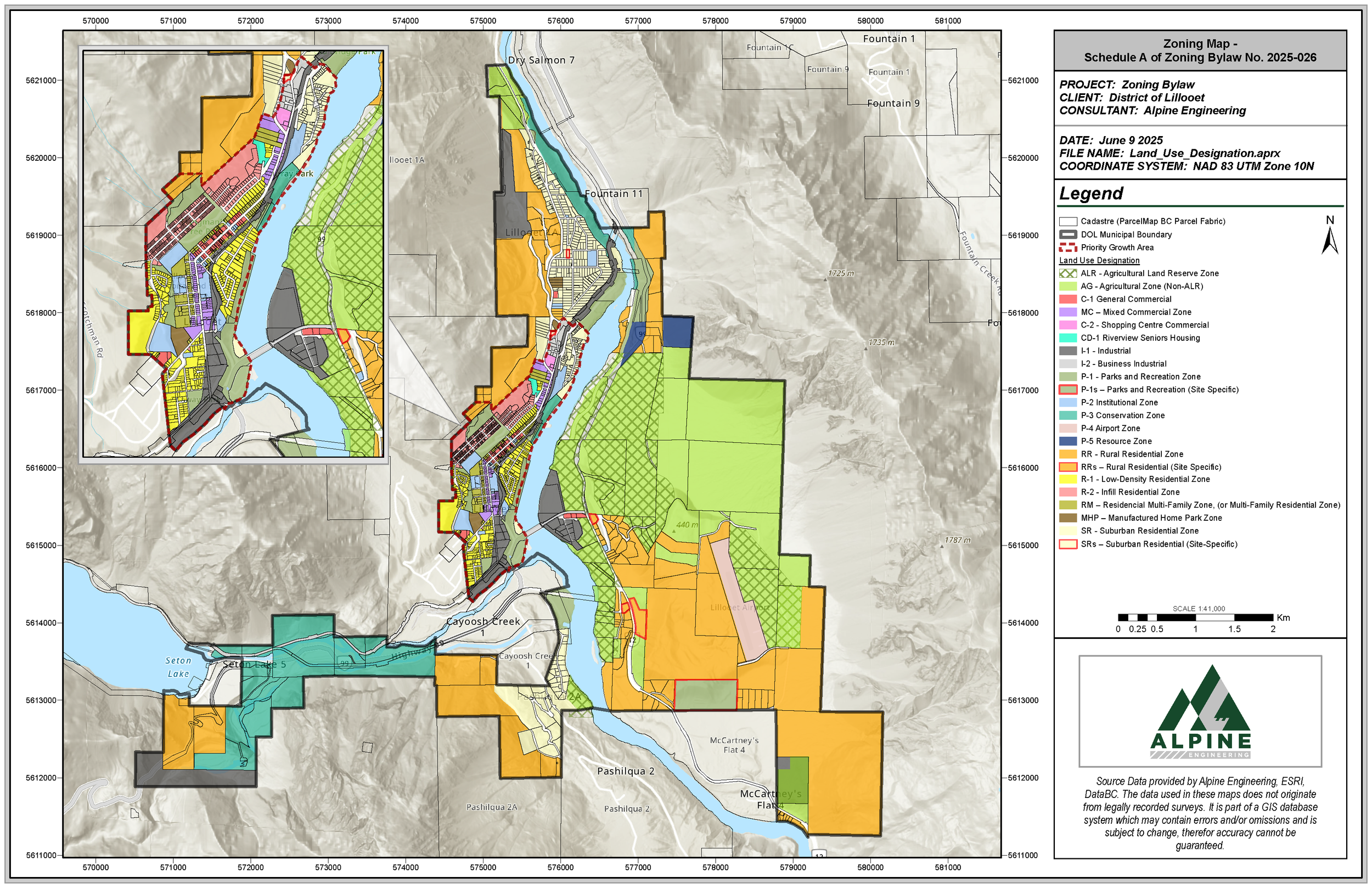
Credit: www.lillooet.ca
Zoning Basics For Dog Kennels
Understanding the zoning requirements for a dog kennel is essential before you start building or operating one. Zoning laws help control how land is used in different areas, ensuring that your kennel fits well within your community. Knowing the basics can save you time, money, and headaches down the road.
Types Of Zoning Districts
Zoning districts are categories set by local governments to organize land use. Common types include residential, commercial, industrial, and agricultural zones. Each district has specific rules about what activities and structures are allowed.
For example, a residential zone might limit noise and restrict business operations, while commercial zones focus on business-friendly regulations. Before setting up a kennel, check which zoning district your property falls into and what rules apply.
Residential Vs Commercial Zones
Residential zones are primarily for homes and may have strict rules about running a kennel. Noise, odor, and traffic limits often affect whether you can operate a dog kennel in these areas. You might need special permits or face restrictions on the number of dogs you can keep.
Commercial zones, on the other hand, are designed for businesses. Setting up a kennel here can be easier because these zones typically allow commercial animal care services. However, you’ll still need to follow health and safety codes specific to kennels.
Agricultural Zoning Considerations
Agricultural zones often provide more freedom for animal-related businesses, including kennels. These areas expect some level of noise and outdoor activity, making them a good fit for larger kennels or breeding facilities. You should still check local ordinances regarding setbacks, fencing, and waste management.
Have you thought about how your kennel’s size and location might impact your neighbors? Understanding these zoning basics helps you plan effectively and avoid conflicts with local authorities.
Local Zoning Regulations
Local zoning regulations shape where and how you can operate a dog kennel. These rules vary by location and impact kennel size, placement, and operation. Understanding these laws helps avoid legal trouble and keeps your business compliant. Each city or county has specific codes to follow. Noise limits and nuisance controls also play a big role. Following these guidelines protects neighbors and the community.
City And County Ordinances
City and county ordinances set the basic rules for dog kennels. They decide which zones allow kennels, such as agricultural or commercial areas. Residential zones often have strict limits or bans. Ordinances may require kennels to keep a certain distance from homes or schools. These rules help control traffic, noise, and safety concerns. It’s important to check the local code before starting your kennel.
Permits And Licenses
Permits and licenses make a kennel legal. Local governments require specific permits for animal care businesses. You may need a business license and a kennel permit. These documents prove your kennel meets health and safety standards. Renewing permits regularly is often necessary. Applying early avoids delays and fines. Keep all permits visible and up to date.
Noise And Nuisance Rules
Noise and nuisance rules protect neighbors from disturbances. Many areas limit barking and loud noises during certain hours. Kennels must manage sound with barriers or indoor spaces. Odor control is also regulated to prevent complaints. Keeping the kennel clean and quiet is essential. Ignoring these rules can lead to fines or closure.
Site Selection Criteria
Choosing the right site for a dog kennel is key to meeting zoning rules. Proper site selection helps avoid legal issues and keeps neighbors happy. Consider several factors to ensure the location fits zoning laws and supports kennel operations.
Lot Size Requirements
The lot must be large enough for buildings and outdoor areas. Space is needed for dog runs, exercise areas, and waste management. Many zones require a minimum lot size to reduce noise and odor impact. Check local codes for exact size limits before buying land.
Setback And Buffer Zones
Setbacks keep kennels a safe distance from homes and streets. Buffer zones use fences or landscaping to reduce noise and visual impact. These areas protect neighbors and meet zoning rules. Confirm setback distances and buffer needs with local authorities.
Access And Parking
A kennel site needs easy access for staff, deliveries, and customers. Parking spaces should fit employee and visitor vehicles. Driveways must allow safe entry and exit without blocking traffic. Proper access and parking help kennel operations run smoothly and legally.
Building And Facility Standards
Building and facility standards for dog kennels are crucial to ensure the safety and comfort of the animals as well as compliance with local regulations. These standards cover everything from how the kennel is constructed to how waste is managed and how well the space is ventilated and cleaned. Paying close attention to these details helps you create a kennel that is not only functional but also healthy for the dogs and pleasant for visitors.
Kennel Construction Codes
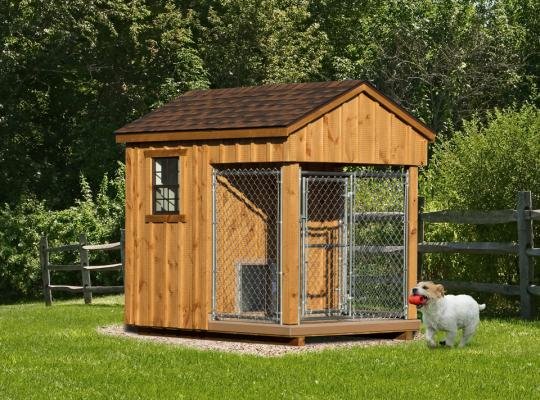
Your kennel must meet specific construction codes designed to protect the dogs and the environment. These codes often include requirements for durable materials that withstand weather and wear, such as concrete floors and strong fencing.
Walls and roofing should provide shelter from extreme temperatures and harsh weather. Have you checked if your local zoning requires soundproofing or specific setbacks from neighboring properties? These rules prevent noise complaints and ensure the kennel fits well within the community.
Waste Management
Managing waste efficiently is one of the biggest challenges in running a kennel. You need a system that quickly removes waste to prevent odors and the spread of disease.
Many areas require you to have a designated waste disposal area, sometimes with sealed containers or a septic system designed to handle animal waste. Think about how often you’ll clean the kennel and where the waste will go—will you compost it, use a licensed hauler, or treat it on-site?
Ventilation And Sanitation
Proper ventilation is essential to keep the air fresh and reduce humidity, which helps prevent respiratory problems in dogs. Your kennel should have windows, vents, or mechanical fans to maintain good airflow.
Sanitation rules often specify how frequently you must clean and disinfect the kennel spaces. Using non-toxic cleaners and ensuring surfaces are easy to wash can save you time and protect the dogs’ health. What cleaning routine will you establish to keep everything spotless and safe?
Environmental Impact
Setting up a dog kennel requires careful thought about the environment. The impact on water, waste, and noise must be managed well. Proper zoning rules help reduce harm to the surroundings and neighbors. Following these helps keep the area clean and safe.
Water Runoff And Drainage
Water runoff from kennels can carry dirt and waste into local water sources. Proper drainage systems prevent pollution and flooding. Kennel designs often include sloped surfaces and collection areas. These guide water away from sensitive zones. Good drainage protects soil and nearby waterways.
Waste Disposal Regulations
Animal waste can spread bacteria and bad odors if not handled correctly. Kennels must follow strict disposal rules to keep the area sanitary. This includes regular cleaning and using approved containers. Some zones require waste to be composted or treated. Proper waste management limits health risks and keeps neighbors happy.
Noise Control Measures
Dogs can create loud noise that disturbs nearby residents. Noise control is a key part of zoning for kennels. Barriers like walls or fences can reduce sound spread. Kennels may need to limit operating hours or dog numbers. Managing noise helps maintain good relations with the community.

Credit: www.homeseh.ca
Application Process
Applying for zoning approval to operate a dog kennel involves several important steps. The process ensures your kennel meets local rules and fits well within the community. Understanding each phase helps you avoid delays and increases your chances of approval.
Preparing Zoning Applications
Start by gathering all necessary documents such as site plans, property deeds, and a detailed description of your kennel operations. Your application should clearly explain how you will manage noise, waste, and animal safety. Including photos or drawings can help officials visualize your plan.
Check with your local zoning office for specific requirements. Some places ask for a narrative explaining your business and how it complies with zoning laws. Being thorough here reduces back-and-forth and speeds up the review.
Public Hearings And Notifications
Your application may require a public hearing where neighbors and officials discuss the project. You might need to notify nearby residents by mail or public notice in local newspapers. This step gives people a chance to voice support or concerns.
Approach the hearing with transparency. Sharing your plans openly can build trust and even win allies among community members. Have clear answers ready for questions about noise control, hours of operation, and animal welfare.
Appeals And Variances
If your application is denied or if zoning rules seem too restrictive, you can request a variance or file an appeal. Variances allow exceptions to certain zoning rules based on unique property conditions. Appeals challenge the decision if you believe it was unfair or mistaken.
Prepare detailed explanations and evidence to support your case. Understanding the rules and presenting a strong argument can make a big difference. Have you thought about what compromises you might accept if the board asks for changes?
Common Challenges
Running a dog kennel involves several common challenges related to zoning laws and community relations. These challenges can affect daily operations and long-term success. Understanding these issues helps kennel owners prepare better and avoid costly problems.
Neighbor Complaints
Neighbors often raise concerns about noise and smell from kennels. Barking dogs can disturb the peace, especially in quiet neighborhoods. Some residents worry about safety and increased traffic near their homes. These complaints can lead to official reports and pressure on local authorities to act.
Zoning Violations
Zoning laws regulate where kennels can operate. Violating these rules may result in fines or orders to close the business. Common violations include exceeding the number of allowed dogs or building in restricted zones. Lack of proper permits often causes legal trouble and delays in opening.
Mitigating Issues
Preventing problems starts with choosing the right location. Kennel owners should check local zoning codes before purchasing property. Soundproofing and proper waste management reduce neighbor complaints. Clear communication with neighbors builds trust and eases tensions. Regular inspections ensure compliance with all rules and help avoid penalties.
Resources And Support
Finding the right zoning for a dog kennel can be tricky. Many rules and regulations differ by location. Resources and support can make this process easier. They help you understand local laws and complete paperwork correctly.
Experts and official sources provide guidance. They save time and reduce errors. Use these resources to stay informed and compliant with zoning laws for your kennel.
Professional Consultants
Professional consultants know zoning laws well. They guide you through local requirements. Consultants help prepare documents and applications. They can visit your property to check for compliance. Their advice prevents costly mistakes and delays.
Local Government Contacts
Local government offices handle zoning rules. City or county planning departments offer specific information. Staff can explain what permits you need. They provide zoning maps and regulations. Visit or call them for direct answers. Local officials may also inform you about public hearings or inspections.
Online Zoning Tools
Many cities have online zoning tools. These websites show zoning maps and rules. You can check if your property allows a kennel. Some sites offer application forms and guidelines. Online tools save trips to government offices. They are available 24/7 for your convenience.

Credit: www.collingwood.ca
Frequently Asked Questions
What Zoning Permits Are Needed For A Dog Kennel?
Dog kennels typically require commercial or agricultural zoning permits. Check local laws for specific kennel regulations. Some areas require special use permits or conditional use approval.
Can I Build A Dog Kennel In Residential Zones?
Most residential zones restrict kennels due to noise and space concerns. However, some allow small kennels with special permits or variances. Always verify local zoning codes before building.
How Do Zoning Laws Affect Dog Kennel Operations?
Zoning laws regulate kennel size, location, and noise control. They ensure the facility meets health and safety standards. Compliance prevents legal issues and neighborhood disputes.
What Are Common Zoning Restrictions For Dog Kennels?
Restrictions often include distance from homes, noise limits, and kennel capacity. Some zones require fencing, waste management, and regular inspections. These rules protect public health and community peace.
Conclusion
Zoning for dog kennels demands careful consideration. Ensure compliance with local laws. Consult local authorities for guidance. Understand noise and waste management rules. Proper zoning prevents legal issues. It also enhances community relations. Research well before starting your kennel. This ensures a smooth operation.
Good planning leads to success. Zoning is crucial for kennel business. Follow the rules for peace of mind. Your furry friends deserve a safe home.