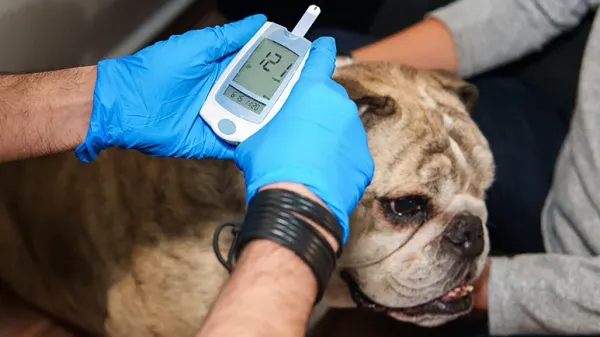
If your dog has microvascular dysplasia, you’re probably worried about what to feed them. You want to make sure your furry friend gets the right nutrition without causing any harm.
Choosing the right food can feel confusing and overwhelming. But don’t worry—this guide will help you understand exactly what your dog needs to stay healthy and happy. Keep reading to discover simple, practical tips that can make a big difference in your dog’s life.
Symptoms Of Microvascular Dysplasia
Microvascular dysplasia affects the blood flow between the liver and the body. This condition causes toxins to build up in the bloodstream. Dogs with microvascular dysplasia show signs that can help identify the problem early. Recognizing these symptoms is important for timely care and treatment.
Signs Of Liver Dysfunction
- Loss of appetite or weight loss
- Vomiting or diarrhea
- Increased thirst and urination
- Yellowing of the skin or eyes (jaundice)
Neurological Symptoms
- Confusion or disorientation
- Weakness or lack of coordination
- Seizures or tremors
- Sudden collapse or fainting spells
Behavioral Changes
- Increased irritability or aggression
- Excessive sleeping or lethargy
- Unusual vocalizations or whining
- Difficulty learning or responding
Impact On Dog’s Nutrition
Microvascular dysplasia affects the liver's ability to filter blood properly. This condition changes how your dog processes nutrients. Nutrition becomes vital to manage symptoms and support liver function. Choosing the right diet helps reduce liver stress and improves overall health.
Dogs with this condition need food that is easy to digest and low in toxins. Nutrients must support liver repair and avoid adding extra burden. Careful food selection can improve energy and quality of life.
Essential Nutrients For Liver Support
Proteins are important but must be high quality and moderate in amount. Too much protein can cause toxin buildup. Omega-3 fatty acids help reduce inflammation. Vitamins like E and C protect liver cells from damage. Zinc supports the immune system and liver health.
- Fatty and fried foods
- High protein meats like beef and pork
- Foods rich in copper, such as liver and shellfish
- Artificial additives and preservatives
- Excess salt and sugar
Feeding Frequency And Portions
Small, frequent meals ease liver workload. Large meals increase toxin levels in the blood. Balanced portions help maintain healthy weight. Monitor your dog’s appetite and adjust feeding accordingly. Consistency in feeding times supports better digestion.
Hydration And Supplementation
Water is crucial for flushing toxins from the body. Fresh water should always be available. Supplements like milk thistle may aid liver function. Consult your vet before adding any supplements. Proper hydration supports all bodily functions, especially the liver.
Key Nutrients For Liver Support
Feeding a dog with microvascular dysplasia requires special attention to liver health. Proper nutrition supports the liver's ability to filter toxins and maintain overall wellness. Certain nutrients aid liver function and help manage symptoms effectively.
Proteins And Amino Acids
High-quality proteins are essential for liver repair and maintenance. Choose easily digestible proteins like chicken, turkey, or fish. Avoid excessive protein to reduce liver strain. Amino acids like taurine and methionine promote healthy liver cells and support detoxification.
Fat Types And Sources
Healthy fats provide energy without stressing the liver. Include omega-3 fatty acids found in fish oil or flaxseed oil. These fats reduce inflammation and support cell health. Limit saturated fats and avoid fried or processed foods to keep the liver healthy.
Carbohydrate Choices
Complex carbohydrates release energy slowly and maintain stable blood sugar. Good sources include brown rice, sweet potatoes, and oats. Avoid simple sugars and refined grains that cause spikes in blood glucose and add liver stress.
Vitamins And Minerals
Certain vitamins protect and heal the liver. Vitamins E and C act as antioxidants to reduce damage. B vitamins support metabolism and energy production. Minerals like zinc and selenium are vital for immune support and liver function.

Credit: www.barkandwhiskers.com
Foods To Include
Choosing the right foods for a dog with microvascular dysplasia can make a big difference in managing their health. The goal is to support liver function while providing balanced nutrition. Focus on ingredients that are gentle on the liver but still supply the energy and nutrients your dog needs to thrive.
High-quality Protein Options
Protein is crucial, but the type matters a lot for dogs with this condition. Opt for easily digestible sources like chicken, turkey, or eggs. Fish such as salmon also works well because it provides omega-3 fatty acids, which support overall health.
Try to avoid protein sources that are high in fat or hard to digest, like beef or pork. Have you noticed how your dog responds to different proteins? Keeping a food diary can help you spot which ones suit them best.
Low-fat Ingredients
Fat can strain the liver, so it’s important to choose low-fat options. Lean meats and low-fat dairy products are good choices. Also, consider adding complex carbohydrates like sweet potatoes or brown rice, which provide energy without overloading the liver.
Vegetables such as green beans and carrots add fiber and nutrients without adding fat. What low-fat ingredients have you found your dog enjoys most? Experimenting here can reveal favorites that keep mealtime exciting.
Antioxidant-rich Foods
Antioxidants help protect the liver from damage. Blueberries, cranberries, and spinach are great sources you can add to your dog’s meals. These foods provide vitamins and minerals that support liver health and overall well-being.
Many pet owners see improvements after adding these foods. Have you tried mixing small amounts of antioxidant-rich fruits or veggies into your dog’s diet? It’s a simple way to boost their nutrition without drastic changes.
Foods To Avoid
Choosing the right food for a dog with microvascular dysplasia means knowing which ingredients can do more harm than good. Avoiding certain foods helps protect your dog's liver and overall health. Let’s look at some specific foods you should keep off your dog's menu.
High-fat And Processed Foods
High-fat foods can overwork your dog's liver, which is already struggling due to microvascular dysplasia. Processed foods often contain unhealthy fats and additives that make the liver's job harder.
Think twice before giving fatty cuts of meat, fried snacks, or commercial treats loaded with fillers. Your dog's diet should focus on lean proteins and simple, natural ingredients.
Toxic Ingredients
Some common human foods are toxic to dogs, especially those with liver issues. Ingredients like onions, garlic, chocolate, and certain artificial sweeteners can cause serious harm.
Even small amounts can trigger liver inflammation or failure. Always check ingredient labels and keep these items far away from your dog's reach.
Excessive Treats
It’s easy to spoil your dog with treats, but too many can upset their delicate balance. Treats high in sugar or fat add unnecessary stress to the liver and may worsen symptoms.
Instead, choose small portions of healthy snacks like steamed vegetables or specially formulated low-fat dog treats. Ask yourself: is this treat helping or hurting your dog’s condition?
Meal Frequency And Portions
Feeding a dog with microvascular dysplasia requires careful attention to meal frequency and portions. Proper feeding helps manage symptoms and supports liver health. Small, frequent meals reduce the liver's workload and keep blood sugar stable. Portion control prevents overeating, which can strain the liver further.
Ideal Number Of Meals Per Day
Feed your dog at least three to four times daily. Smaller meals spread out through the day ease digestion. This approach helps maintain steady energy levels. Avoid large meals that overwhelm the liver and cause discomfort.
Recommended Portion Sizes
Portion sizes depend on your dog's weight and activity level. Use a measuring cup to ensure accuracy. Overfeeding can worsen symptoms and lead to weight gain. Start with smaller portions and adjust based on your dog's response.
Signs Of Overfeeding Or Underfeeding
- Excessive weight gain or loss
- Changes in energy or behavior
- Vomiting or diarrhea after meals
- Increased thirst or urination
Monitor your dog closely and consult a vet for adjustments.
Homemade Vs Commercial Diets
Deciding between homemade and commercial diets for a dog with Microvascular Dysplasia can feel overwhelming. Each choice has unique advantages and challenges that affect your dog's health and your daily routine. Understanding these differences will help you make a choice that supports your dog's liver health and overall well-being.
Benefits Of Homemade Meals
Homemade meals let you control every ingredient, which is crucial for dogs with sensitive liver conditions. You can avoid additives, preservatives, and fillers that might stress your dog's liver.
Cooking at home allows you to tailor protein levels and include liver-friendly foods like boiled chicken, rice, and certain vegetables. My dog showed better energy and digestion when I switched to simple, fresh meals made from scratch.
However, homemade diets require careful planning to ensure your dog gets all necessary nutrients. Consulting a vet or pet nutritionist can help you create balanced meals that support healing.
Choosing The Right Commercial Food
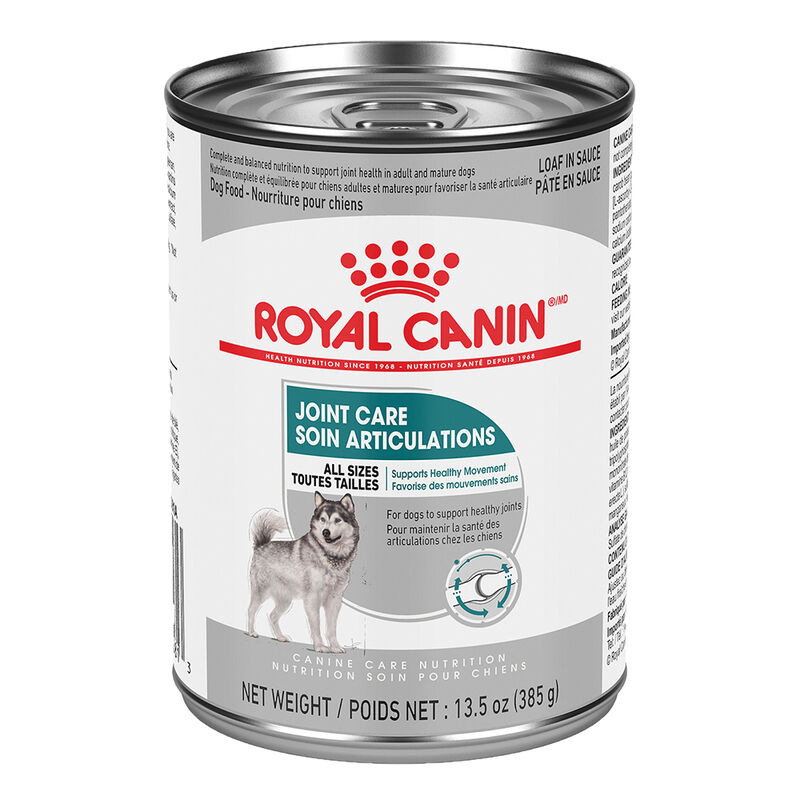
Commercial foods offer convenience and are often formulated to meet specific health needs. Look for brands that provide liver support formulas with high-quality protein and limited ingredients.
Check labels for options rich in antioxidants, omega-3 fatty acids, and low in copper, which can reduce liver strain. Some brands specialize in liver-friendly recipes designed by veterinarians.
Still, not every commercial food suits every dog. Watch your dog's reaction closely after introducing new food, and don't hesitate to switch if symptoms worsen or improve.

Credit: rosehipvital.com.au
Supplements For Support
Supplements play a key role in supporting dogs with microvascular dysplasia. They help improve liver function and overall health. Choosing the right supplements can ease symptoms and boost your dog's well-being. Focus on natural options that work gently with your dog's body.
Omega Fatty Acids
Omega fatty acids support brain and liver health. These fats reduce inflammation and improve blood flow. Fish oil and flaxseed oil are good sources. Adding omega supplements helps protect liver cells from damage. They also promote a shiny coat and healthy skin.
Probiotics
Probiotics aid digestion and improve gut health. They balance good bacteria in the intestines. This helps reduce toxins that stress the liver. Probiotics can be found in yogurt or special pet supplements. Regular use supports nutrient absorption and strengthens the immune system.
Herbal Additives
Herbal additives can soothe the liver and reduce inflammation. Milk thistle is popular for liver support. It helps protect liver cells and encourages regeneration. Dandelion root promotes detoxification and improves bile flow. These herbs work gently and support your dog's natural healing process.
Monitoring And Adjusting Diet
Keeping a close eye on your dog’s diet is essential when managing Microvascular Dysplasia. Changes in your dog’s health can mean it’s time to tweak what you feed them. Staying attentive helps you catch any signs of discomfort or imbalance early on.
Tracking Your Dog’s Response To Food
Watch how your dog reacts to each meal. Are they energetic or lethargic afterward? Notice any changes in stool consistency or appetite, as these are key indicators of how well the diet suits them.
Keeping a simple daily journal can be a game-changer. Write down what your dog eats and how they behave. This record can reveal patterns you might otherwise miss.
Adjusting Nutrient Levels Carefully
Microvascular Dysplasia often requires a fine balance of nutrients. Too much protein or fat can strain the liver, while too little can cause weakness. Adjust portions gradually, watching for improvements or setbacks.
Consult your vet before making big changes. Sometimes, slight tweaks like switching protein sources or adding supplements can make a big difference in your dog’s comfort and health.
Recognizing When To Seek Professional Help
If your dog shows persistent symptoms like vomiting, diarrhea, or extreme tiredness, it’s time to get help. These signs might mean the diet isn’t working or the disease is progressing.
Regular vet check-ups are vital. Blood tests and ultrasounds can give you a clearer picture of how your dog’s liver is handling the diet and if adjustments are needed.
Veterinary Guidance And Testing
Veterinary guidance and testing play a crucial role in managing your dog’s diet when dealing with microvascular dysplasia. This condition affects liver function, so understanding the exact state of your dog's health helps tailor the right nutritional plan. You can’t just guess what food works best; professional advice ensures you meet your dog’s specific needs safely.
Understanding Microvascular Dysplasia Through Testing
To know what to feed your dog, you first need a clear diagnosis. Blood tests and liver function tests reveal how well your dog’s liver is working. These tests help veterinarians determine the severity of microvascular dysplasia and whether your dog needs special dietary adjustments.
Without these tests, you might feed your dog food that worsens the condition. Imagine treating a delicate system blindly—it could backfire. Testing gives you a solid foundation for making informed dietary choices.
Working Closely With Your Veterinarian
Your vet is your best partner in managing your dog’s diet. They can recommend foods low in protein but rich in high-quality nutrients. This balance helps reduce the liver’s workload while keeping your dog healthy.
Don’t hesitate to ask about supplements or specific brands that suit dogs with liver issues. Your vet’s advice can save you time and prevent costly mistakes. Regular check-ups also track your dog’s progress and adjust the diet as needed.
Adjusting Diet Based On Test Results
Test results often reveal the need for a low-protein diet, but not all proteins are equal. Your vet might suggest adding easily digestible proteins like chicken or eggs. This supports your dog’s energy without straining the liver.
Sometimes, vets recommend foods with added vitamins and minerals that support liver health. You might need to avoid certain ingredients, such as high-fat content or artificial additives, which can worsen symptoms. Adjusting the diet based on test outcomes ensures your dog gets the best possible care.
Credit: www.renspets.com
Frequently Asked Questions
What Is Microvascular Dysplasia In Dogs?
Microvascular dysplasia is a liver condition affecting blood flow in dogs. It causes improper liver function due to malformed blood vessels. Symptoms can include poor appetite, lethargy, and stunted growth. Early diagnosis and dietary management are crucial for managing this condition effectively.
Can Diet Help Manage Microvascular Dysplasia?
Yes, diet plays a critical role in managing microvascular dysplasia. Feeding a low-protein, high-quality diet can help reduce liver stress. Including easily digestible carbohydrates and healthy fats is beneficial. Consult your veterinarian for a tailored diet plan.
What Foods Should Be Avoided For These Dogs?
Avoid high-protein foods, especially those rich in animal protein. Limit processed foods and treats high in preservatives. Avoid fatty foods that can strain the liver. Always consult your vet before making dietary changes.
Are Supplements Beneficial For Affected Dogs?
Yes, supplements can support liver health. Milk thistle and SAM-e are commonly recommended. They help detoxify and protect liver cells. Always consult a veterinarian before adding supplements to your dog’s diet.
Conclusion
Feeding a dog with microvascular dysplasia needs care and attention. Choose foods that support liver health and are easy to digest. Avoid heavy fats and keep protein levels moderate. Fresh water is important every day. Regular vet visits help track your dog’s progress.
Small, frequent meals can reduce stress on the liver. A good diet can improve your dog’s comfort and energy. Always watch for changes in appetite or behavior. Your care makes a big difference in your dog’s life. Keep learning and stay patient.