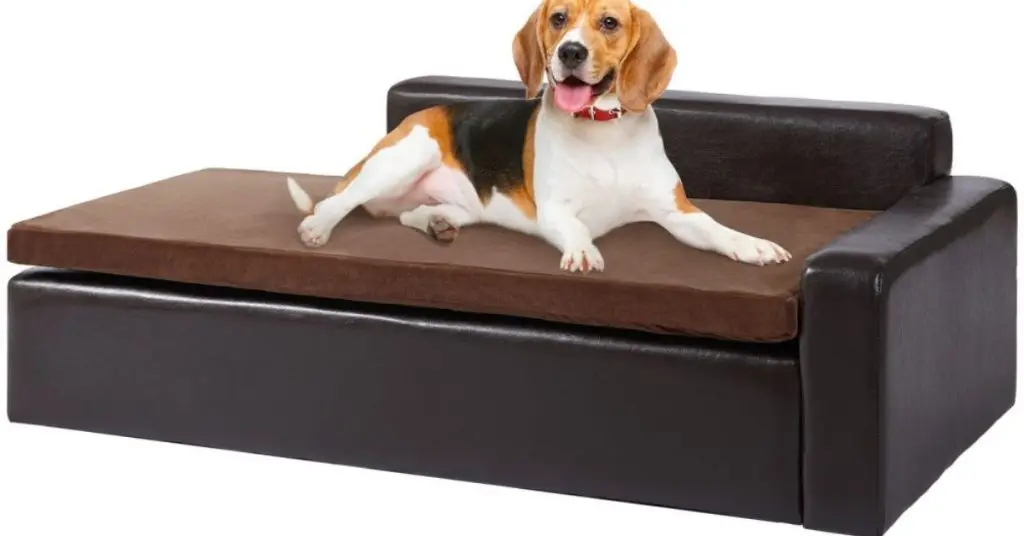
Does your dog love jumping on the couch, even when you tell them not to? It can be frustrating to see your furniture covered in fur or scratched up.
But the good news is, you can train your dog to stay off the couch without stress or harsh methods. Imagine relaxing on your sofa, knowing your dog respects your rules and keeps off the furniture. You’ll discover simple, effective steps to teach your dog to stay off the couch for good.
Keep reading, and you’ll have a happier home and a well-trained pet in no time.

Credit: www.amazon.com
Why Dogs Jump On The Couch
Dogs love to jump on couches for many reasons. Understanding why helps you train them better. This section explains common causes behind this behavior.
Comfort And Warmth
Couches provide a soft and warm place for dogs. They enjoy lying on cushions and blankets. The height also lets them see the room easily. This makes couches very inviting for pets.
Seeking Attention
Dogs jump on couches to get close to their owners. Being near people gives them comfort and attention. Sometimes, dogs want to be part of family activities. Sitting on the couch helps them join in.
Habit And Routine
Some dogs jump on couches because they always have. It becomes a daily habit they find hard to break. If owners allowed it before, dogs expect the same now. Changing routines takes patience and clear training.

Credit: www.rover.com
Preparing For Training
Preparing your dog to stay off the couch needs clear planning. Start by creating a training space that feels safe and welcoming. Gather the right supplies to reward your dog. Set rules that everyone in your home will follow. Consistency is key to success.
Choosing A Designated Spot
Pick a spot where your dog can rest comfortably. Use a dog bed or a soft mat. Place it near family areas to keep your dog included. This spot becomes a safe zone for your pet. Dogs need a place they can call their own.
Gathering Training Supplies
Prepare treats that your dog loves. Use small, soft pieces for quick rewards. Have a clicker or a gentle voice command ready. Bring toys that your dog enjoys. These help keep your dog focused and motivated during training.
Setting Clear Rules
Decide if the couch is always off-limits or only at certain times. Make sure all family members agree and follow the rules. Use the same commands for training each time. Consistent rules help your dog understand expectations quickly.
Basic Training Techniques
Training your dog to stay off the couch requires patience and clear communication. Basic training techniques build the foundation for good behavior. These simple yet effective methods help you guide your dog’s actions in a positive way.
Using Commands Effectively
Choose clear, simple commands like “off” or “no couch.” Use the same word consistently every time you want your dog to get down. Avoid changing commands as it confuses your dog and slows progress.
Speak firmly but calmly. Your tone matters more than volume. A confident voice tells your dog you mean business without causing fear.
Practice commands during calm moments, not just when your dog is on the couch. This helps your dog understand the command anytime, making training smoother.
Positive Reinforcement
Reward your dog immediately when they obey. Use treats, praise, or petting—whatever motivates your dog most. This makes staying off the couch a choice your dog wants to make.
Ignore bad behavior rather than punish it. Punishment can create anxiety and resistance. Instead, reward the right behavior consistently.
Think about how you feel when rewarded for good work. Your dog feels the same. This connection strengthens their desire to listen and learn.
Consistent Timing
Timing is everything in dog training. Reward or correct your dog within seconds of the behavior. Delays can confuse your dog about what action earned the response.
Be consistent every day, all day. If you allow couch access sometimes but not others, your dog won’t understand the rule. Consistency builds trust and clarity.
Ask yourself: Are you ready to be consistent? Training is a commitment, but your dog’s respect will grow quickly when you follow through without exceptions.
Redirecting Your Dog
Redirecting your dog means guiding them away from the couch and toward better choices. Dogs seek comfort and attention, so giving them a clear alternative helps reduce couch visits. Redirection teaches your dog where they can relax without confusion or stress.
Patience plays a key role. Each time your dog tries to get on the couch, gently lead them away. Reward calm behavior in their new spot to build good habits. This approach helps your dog learn limits without feeling punished.
Providing Alternatives
Offer your dog a comfy place nearby. It can be a soft mat or a cozy blanket on the floor. Make this spot inviting with treats or a favorite toy. Your dog will start to see this as their own special space.
Keep the alternative clean and in a quiet corner. Dogs enjoy peaceful areas where they can rest undisturbed. Change the location if your dog seems uninterested at first.
Using Toys And Beds
Use toys to distract your dog from the couch. Chew toys or puzzle toys keep their mind busy. These toys reduce boredom and the urge to jump on furniture.
A dog bed provides a clear boundary. Choose one that fits your dog’s size and comfort needs. Place the bed in a familiar spot to encourage use. Praise your dog when they settle on their bed.
Encouraging Independence
Help your dog enjoy time alone. This builds confidence and lessens clinginess to furniture. Practice short breaks where your dog stays in their space calmly.
Use positive words and soft tones to reassure your dog. Avoid giving attention while they are on the couch. This teaches that good behavior gets rewards, not jumping on furniture.
Handling Resistance
Training a dog to stay off the couch can be challenging. Dogs often resist rules that limit their comfort. Handling this resistance carefully helps keep training effective. Calm and consistent approaches win trust and cooperation. Learn how to manage stubbornness, avoid harsh punishments, and stay patient throughout the process.
Dealing With Stubborn Behavior
Stubborn dogs test limits but do not give up. Observe your dog's body language and reactions. Adjust training techniques to match their personality. Use clear commands and consistent signals. Reward small successes to encourage good habits. Avoid pushing your dog too hard at once. Break tasks into simple, easy steps for better results.
Avoiding Punishments
Punishments can harm your relationship with your dog. They cause fear and confusion instead of learning. Focus on positive reinforcement like treats and praise. Redirect your dog to an approved spot instead of scolding. Create a comfortable space where your dog can relax. Use gentle guidance to discourage couch jumping. This approach builds trust and cooperation.
Staying Patient And Calm
Training takes time, especially with a strong-willed dog. Keep your voice soft and steady during sessions. Take breaks if either of you feels frustrated. Celebrate progress, even if it is slow. Remember, patience helps your dog understand expectations. Calmness lowers stress and makes learning easier. Consistent practice each day leads to lasting change.

Credit: www.petscare.com
Maintaining Long-term Success
Keeping your dog off the couch for good takes ongoing effort. Training is not just a one-time task. It requires regular attention and adjustment over time. Dogs can forget rules without consistent guidance. Long-term success happens when you make training part of daily life.
Regular Reinforcement
Consistency helps your dog remember the rules. Praise or reward your dog every time they stay off the couch. Use treats, pets, or kind words to encourage good behavior. Avoid letting your dog on the couch even once without permission. This can confuse them and slow progress.
Adapting To Changes
Changes in the home can affect training. New furniture, guests, or moving can upset your dog's routine. Watch your dog closely during these times. Remind them of the no-couch rule with gentle corrections. Adjust your training plan to fit new situations. Patience is key as your dog adjusts.
Involving Family Members
Everyone in the household must follow the same rules. Mixed messages confuse your dog. Teach family members how to reinforce the no-couch rule. Share training tips and rewards with them. Working as a team helps your dog learn faster. It creates a clear, united message for your pet.
Frequently Asked Questions
How Can I Stop My Dog From Jumping On The Couch?
Use consistent commands like “off” and reward your dog for obeying. Provide a comfortable dog bed nearby as an alternative resting spot.
What Training Tools Help Keep Dogs Off Furniture?
Training tools like baby gates, scatter mats, and leash control help prevent couch access. Positive reinforcement encourages good behavior.
How Long Does It Take To Train A Dog Off The Couch?
Training duration varies by dog and consistency. Most dogs learn within 1 to 3 weeks with daily practice.
Can Crate Training Help Keep Dogs Off The Couch?
Yes, crate training provides a safe space and reduces couch access. It also helps establish boundaries and discipline.
Conclusion
Training your dog to stay off the couch takes patience. Consistency is key. Use rewards to reinforce good behavior. Praise helps dogs learn faster. Create a cozy spot for your pet elsewhere. This ensures they feel comfortable. Remove temptation by blocking access to the couch.
Redirect attention if they jump up. Practice makes perfect. Spend time on training every day. Gradually, your dog will understand. Remember, persistence pays off. With love and guidance, your dog will adapt. Keep up the effort. Soon, your couch will be fur-free.
Enjoy the rewards of a well-trained pet.