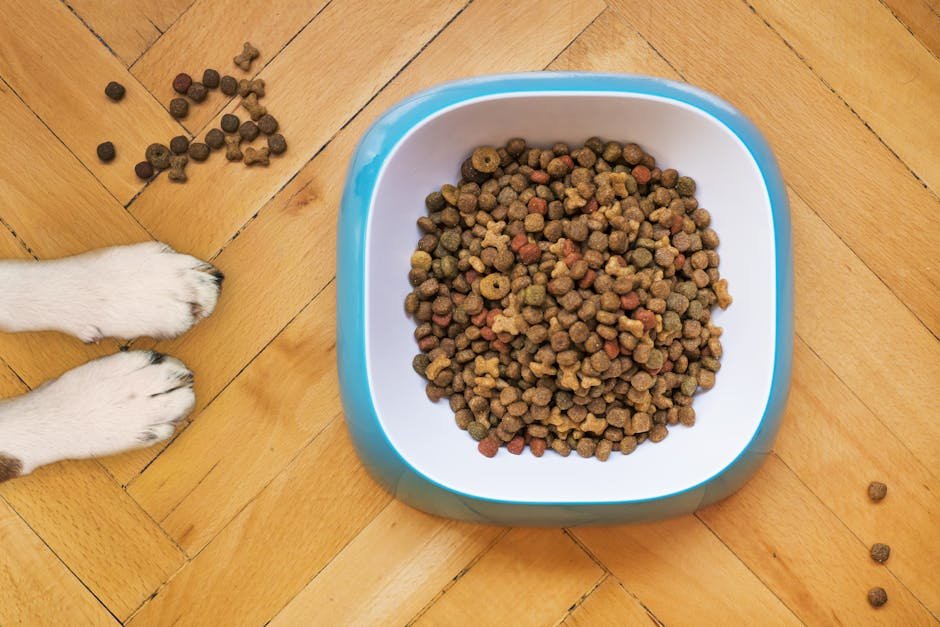
If your dog has kidney disease, you probably have many questions about what to feed them. Choosing the right food is one of the most important steps you can take to help your furry friend feel better and live longer.
But with so many options and advice out there, it’s easy to feel overwhelmed. You’ll discover simple, clear guidance on the best diet for a dog with kidney problems. Keep reading to learn how you can make smart food choices that support your dog’s health and give you peace of mind.

Credit: www.amazon.com
Kidney Disease And Diet
Kidney disease changes the way your dog’s body works, especially how it handles waste and fluids. Diet plays a huge role in managing these changes and can greatly affect your dog’s comfort and quality of life. Understanding what to feed your dog isn’t just about nutrition—it’s about supporting their kidneys and slowing down the disease’s progress.
How Kidney Disease Affects Dogs
Kidneys filter waste and toxins from your dog’s blood. When they don’t work well, these harmful substances build up and can make your dog feel tired or sick.
The disease also affects how your dog balances fluids and electrolytes, which can lead to dehydration or swelling. You might notice your dog drinks more water or urinates more often.
It’s important to catch these signs early. Have you noticed any changes in your dog’s drinking habits or energy levels lately?
Role Of Diet In Managing Kidney Disease
What your dog eats can either help or hurt their kidneys. Diets low in protein reduce the waste the kidneys must filter, easing their workload.
Lower phosphorus levels in food also protect the kidneys from further damage. Many special kidney diets focus on these points, combining low protein and phosphorus with added vitamins.
Don’t forget hydration—wet food or adding water to dry food can help your dog stay hydrated and support kidney function.
- Choose foods with high-quality, easily digestible protein sources.
- Limit salt to prevent blood pressure issues.
- Add omega-3 fatty acids to reduce inflammation.
Have you checked your dog’s food label recently? Small changes in diet can make a big difference in how your dog feels every day.
Key Nutrients To Adjust
Adjusting key nutrients in a dog’s diet supports kidney health and slows disease progression. The right balance helps reduce kidney stress and improves quality of life. Focus on protein, phosphorus, sodium, and omega-3 fatty acids. Each plays a vital role in managing kidney disease.
Protein: Quality And Quantity
Protein is essential but must be carefully managed. High-quality protein sources provide necessary amino acids without excess waste. Limiting protein quantity reduces kidney workload. Choose proteins from eggs, fish, or lean meats. Avoid low-quality or excessive protein that strains kidneys.
Controlling Phosphorus Levels
Phosphorus builds up in dogs with kidney disease. Too much phosphorus can worsen kidney damage. Lowering phosphorus intake helps protect kidney function. Select foods with naturally low phosphorus. Avoid high-phosphorus ingredients like organ meats and dairy products.
Limiting Sodium Intake
Excess sodium increases blood pressure and kidney strain. Reducing salt helps prevent fluid retention and swelling. Feed low-sodium dog food or homemade meals with minimal added salt. Check labels carefully for sodium content in commercial diets.
Importance Of Omega-3 Fatty Acids
Omega-3 fatty acids reduce inflammation and support kidney health. Fish oil is a rich source. Adding omega-3s can improve kidney function and overall wellbeing. Consult your vet for proper dosage and sources.
Recommended Foods For Kidney Health
Choosing the right foods for a dog with kidney disease can make a significant difference in managing their condition and improving their quality of life. The goal is to support kidney function while providing balanced nutrition. Understanding the best food options helps you make informed choices that meet your dog’s unique needs.
Wet Vs Dry Food Options
Wet food tends to be better for dogs with kidney issues because it contains higher moisture content. This extra hydration helps reduce the workload on the kidneys by supporting better fluid balance. Dry food, while convenient, often contains more phosphorus and protein, which can be harder on damaged kidneys.
Have you noticed how your dog drinks less water when eating dry food? Switching to wet food or adding water to dry kibble can encourage better hydration. Always check labels for lower protein and phosphorus levels to protect kidney health.
Homemade Diet Ingredients
Preparing homemade meals lets you control exactly what your dog eats. Focus on ingredients low in protein, phosphorus, and sodium to reduce kidney strain. Good choices include white rice, cooked egg whites, and certain vegetables like carrots and green beans.
Remember, some foods that are healthy for humans can be harmful to dogs. Avoid onions, garlic, and high-fat meats. Consulting your vet or a pet nutritionist before making changes ensures your dog gets balanced meals that won’t worsen their kidney condition.
Commercial Kidney-friendly Dog Foods
Many pet food brands offer formulas specifically designed for kidney health. These products usually have reduced protein and phosphorus levels and added omega-3 fatty acids to support kidney function. Brands like Hill’s Prescription Diet k/d and Royal Canin Renal Support are popular and vet-recommended.
Have you ever checked the ingredient list and nutrition facts on your dog’s food? Choosing a commercial kidney-friendly option can save you time and give peace of mind. Always transition gradually to avoid digestive upset and watch how your dog responds to the new diet.
Credit: boilandbroth.com
Foods To Avoid
Choosing the right foods for a dog with kidney disease is crucial, but equally important is knowing what to avoid. Certain ingredients can worsen kidney function and lead to serious health issues. Being cautious about these foods can help you manage your dog's condition better and improve their quality of life.
High Phosphorus And Sodium Items
Phosphorus and sodium can put extra strain on your dog's kidneys. High levels of phosphorus cause toxins to build up in the bloodstream, while too much sodium leads to increased blood pressure and fluid retention.
Common foods high in phosphorus include:
- Organ meats like liver and kidney
- Cheese and other dairy products
- Egg yolks
- Fish and shellfish
As for sodium, avoid feeding your dog:
- Processed meats like sausages and bacon
- Salty snacks such as chips or salted nuts
- Commercial dog treats with added salt
Have you checked the labels on your dog’s food? Many commercial options can surprise you with their sodium content.
Toxic Foods For Dogs With Kidney Disease
Some foods are outright toxic to dogs with kidney issues and can cause severe damage quickly. Grapes and raisins are notorious for causing acute kidney failure. Even small amounts can be deadly.
Other harmful foods include:
- Onions and garlic, which destroy red blood cells
- Chocolate, due to toxic compounds affecting multiple organs
- Caffeinated drinks, which can overstimulate and harm the kidneys
- Alcohol, even in tiny amounts, is extremely dangerous
It’s easy to overlook these common items, especially if your dog is a curious snacker. How do you protect your dog from accidental ingestion?
Keeping a close eye on your dog’s diet and environment is key. Avoiding these foods can prevent unnecessary kidney stress and make a significant difference in your dog’s health journey.
Hydration And Feeding Tips
Keeping your dog hydrated and managing their feeding routine are crucial when dealing with kidney disease. Proper hydration supports kidney function and helps flush out toxins. At the same time, the right feeding habits can ease the workload on your dog’s kidneys and improve their overall well-being.
Encouraging Water Intake
Dogs with kidney disease often don’t feel thirsty enough, which can be risky. You can encourage your dog to drink more water by offering fresh water frequently throughout the day.
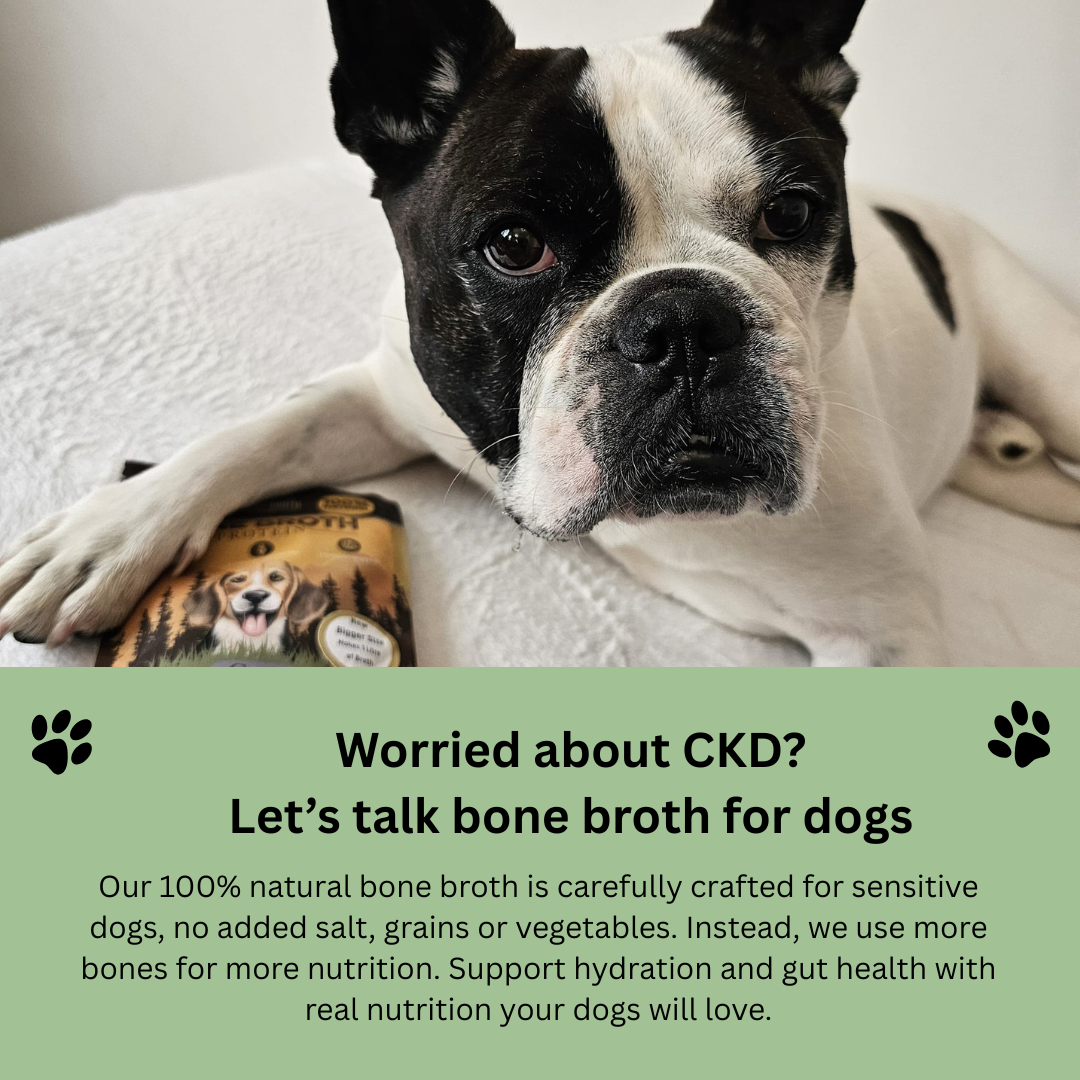
Try adding a splash of low-sodium broth to their water bowl to make it more appealing. Some dogs also respond well to ice cubes as treats, which can increase fluid intake without overwhelming them.
Have you noticed your dog prefers running water? A pet water fountain might keep them drinking regularly. Small changes like these can add up to better hydration.
Feeding Frequency And Portion Control
Smaller, more frequent meals can be easier on your dog’s kidneys than one or two large meals a day. This approach helps maintain stable blood sugar and reduces the strain on their digestive system.
Portion control is equally important. Overfeeding can cause weight gain, increasing stress on the kidneys, while underfeeding can lead to malnutrition.
Consider dividing your dog’s daily food allowance into 3 to 4 meals. Watch how they respond and adjust portions if they seem hungry or overly full. Do you keep track of meal sizes, or feed by sight? Precision can make a big difference in their health.
Supplements And Additives
Supplements and additives can play a crucial role in supporting your dog’s health when kidney disease is involved. They help fill nutritional gaps and can ease symptoms, but choosing the right ones requires careful thought. Understanding what vitamins and minerals benefit kidney health and how to use prescription supplements safely is key to helping your dog feel better.
Beneficial Vitamins And Minerals
Some vitamins and minerals can support kidney function and overall wellbeing in dogs with kidney disease. For example, omega-3 fatty acidsfrom fish oil reduce inflammation and may slow kidney damage. Vitamin B complex supports energy metabolism, which is often low in affected dogs.
Potassium levels are important too. Kidney disease can cause imbalances, so you might need to adjust your dog’s intake carefully. Phosphorus is another mineral to watch; too much can worsen kidney problems, so supplements that bind phosphorus can be helpful.
Have you noticed your dog’s energy dipping? Adding the right vitamins might help boost their vitality. But remember, too much of any supplement can be harmful, so balance is essential.
Using Prescription Supplements Safely
Prescription supplements are specially formulated for dogs with kidney issues and can be very effective. Always follow your vet’s instructions when using these products. They often contain controlled amounts of nutrients tailored to your dog’s specific needs.
Never give human supplements without veterinary approval. Some ingredients safe for people can harm dogs, especially those with kidney disease. If your dog shows any side effects like vomiting, diarrhea, or unusual behavior after taking supplements, contact your vet immediately.
Have you discussed supplement options with your vet? Their guidance ensures you don’t accidentally worsen your dog’s condition. Regular monitoring and blood tests help adjust supplements safely as the disease progresses.
Consulting Your Veterinarian
Feeding a dog with kidney disease is not a one-size-fits-all situation. Your veterinarian plays a key role in guiding you through the best diet choices for your dog's unique health needs. This collaboration ensures your furry friend gets the right nutrients without putting extra strain on their kidneys.
Tailoring Diet Plans
Your vet will help create a diet plan tailored specifically for your dog’s stage of kidney disease, age, and overall health. This plan usually focuses on limiting protein, phosphorus, and sodium while adding omega-3 fatty acids to support kidney function.
They might recommend prescription kidney diets or suggest homemade meals with precise ingredient adjustments. Have you ever tried adjusting your dog’s meals only to find they didn’t respond well? That’s why professional guidance is crucial to avoid nutritional imbalances.
Monitoring And Adjusting Diet Over Time
Kidney disease often progresses, so the diet your dog starts with may need changes as time goes on. Regular veterinary check-ups help track kidney function and overall health, allowing your vet to adjust the diet accordingly.
Monitoring things like weight, appetite, and energy levels at home also helps. You can share these observations with your vet to fine-tune the diet, ensuring your dog stays comfortable and nourished through each stage.

Credit: www.amazon.com
Frequently Asked Questions
What Foods Are Best For Dogs With Kidney Disease?
Dogs with kidney disease benefit from low-protein, low-phosphorus diets. Wet food with high moisture helps kidney function. Foods rich in omega-3 fatty acids support kidney health. Avoid high-sodium and high-fat foods to reduce kidney strain. Always consult a vet for personalized diet plans.
Can Homemade Meals Help Dogs With Kidney Disease?
Yes, homemade meals can help if carefully balanced. Include lean proteins like chicken or turkey in small amounts. Add cooked vegetables like green beans or carrots. Avoid high phosphorus foods like dairy and organ meats. Consult your vet to ensure nutritional needs are met.
Should I Avoid Certain Foods For Dogs With Kidney Disease?
Avoid foods high in phosphorus, sodium, and protein. Foods like red meat, dairy, and processed snacks can worsen kidney issues. Limit treats and table scraps to reduce kidney workload. Always check ingredient labels and follow your vet’s dietary guidelines for safety.
How Does Hydration Affect Dogs With Kidney Disease?
Hydration is crucial for dogs with kidney disease. Wet food and fresh water help maintain proper hydration. Proper hydration supports kidney function and toxin removal. Encourage your dog to drink regularly throughout the day. Consult your vet for additional hydration solutions if needed.
Conclusion
Feeding a dog with kidney disease requires careful attention and planning. Choose foods low in phosphorus and protein. Opt for high-quality proteins in moderation. Include omega-3 fatty acids for better health. Consult your vet for tailored diet advice. Monitor your dog's condition regularly.
Hydration is crucial; ensure fresh water is always available. Treats should be kidney-friendly too. Small changes can make a big difference. Keep your dog’s health a priority. Support them with love and nutritious meals. Your care helps manage their condition effectively.