You’ve just found a surprise on your floor—your dog pooped inside the house again. It’s frustrating, right?
You want a clean home and a well-behaved pet, but accidents happen. What should you do next? How can you stop this from happening again? You’ll discover simple, effective steps to handle the mess and train your dog to go outside.
Keep reading, because solving this problem is easier than you think. Your home—and your dog—will thank you.
Immediate Cleanup Steps
Cleaning up dog poop inside the house requires quick action to prevent stains and smells. Immediate cleanup helps keep your home fresh and hygienic. Follow simple steps to handle the mess effectively.
Gather Cleaning Supplies
Collect all necessary items before starting. You will need:
- Disposable gloves to protect your hands
- Paper towels or old rags for initial cleanup
- Plastic bags to dispose of waste
- A pet-safe enzymatic cleaner to remove stains and odors
- A scrub brush or sponge for tough spots
- Warm water for rinsing
Having these ready makes the process faster and easier.
Remove Solid Waste Safely
Put on gloves before touching the waste. Use paper towels to pick up solid poop carefully. Place the waste in a plastic bag. Seal the bag tightly to avoid smell. Dispose of it in an outdoor trash bin. Avoid rubbing the area to prevent spreading.
Tackle Stains And Odors
Apply a pet-safe enzymatic cleaner to the soiled spot. Follow the instructions on the label for best results. Let the cleaner sit for the recommended time. Use a scrub brush or sponge to gently clean the area. Rinse with warm water and blot dry with a clean cloth. Repeat if necessary to fully remove odor and stains.

Credit: www.reddit.com
Choosing The Right Cleaning Products
Choosing the right cleaning products is key to removing dog poop stains and odors effectively. Picking suitable cleaners helps protect your floors and fabrics. It also keeps your home safe for your pet and family. Using the wrong products may cause damage or leave lingering smells. Cleaners with enzymes break down stains and neutralize odors naturally.
Enzyme Cleaners For Pet Stains
Enzyme cleaners are designed to break down organic matter like pet waste. They digest proteins and bacteria that cause stains and smells. These cleaners work deep into fibers and surfaces. This helps remove stains completely, not just mask them. Enzyme cleaners are safe for carpets, hardwood, and upholstery. They also reduce the chance of your dog re-soiling the same spot.
Avoiding Harmful Chemicals
Strong chemicals can harm your pet and damage surfaces. Bleach and ammonia may irritate your dog's nose and skin. These substances might also discolor or weaken carpets and flooring. Choose pet-safe, non-toxic cleaners to protect your family and home. Always read labels to avoid harsh ingredients. Test new products on a small area before full use.
Preventing Future Accidents
Preventing future accidents requires a blend of consistency, patience, and understanding your dog's unique needs. Addressing the root causes helps you build a cleaner, more comfortable home for everyone. Let’s dive into some practical ways to keep your dog’s bathroom habits on track.
Establishing A Routine
Dogs thrive on routine. Setting specific times for walks, play, and bathroom breaks trains your dog’s body clock to expect those moments. Try taking your dog outside first thing in the morning, after meals, and before bedtime.
Consistency is key. If you stick to the same schedule every day, your dog will learn when and where to go. Have you noticed how your dog acts right before needing to go out? Watch for signs and act quickly.
Effective House Training Techniques
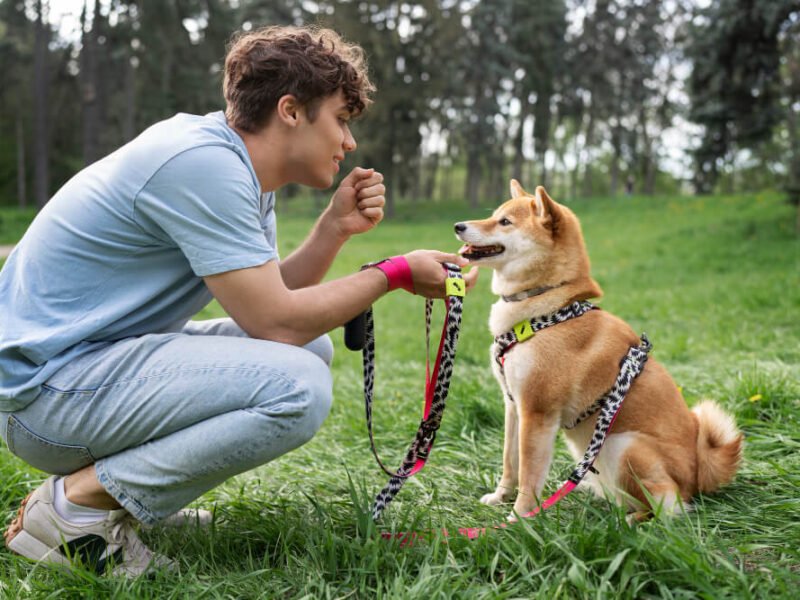
Positive reinforcement works wonders. Reward your dog immediately after they go outside with treats or praise. This helps them connect good behavior with positive outcomes.
Accidents will happen, but avoid punishment. Instead, calmly clean the mess with an enzymatic cleaner to remove odors that might invite repeat accidents. Remember, patience helps your dog learn faster.
Use clear commands like “go potty” so your dog understands what you expect. Repeating this consistently during outdoor bathroom breaks builds recognition.
Using Crate Training
Crate training can prevent accidents by giving your dog a safe, cozy space they won’t soil. Dogs naturally avoid soiling their sleeping area, so this method encourages holding it until you take them out.
Introduce the crate gradually, making it a positive place with toys and treats. Never use the crate as punishment—it should feel like a home base.
Monitor your dog’s time in the crate carefully, especially for puppies. Too long can cause discomfort and accidents, so balance crate time with plenty of outdoor breaks.

Credit: www.reddit.com
Identifying Health Issues
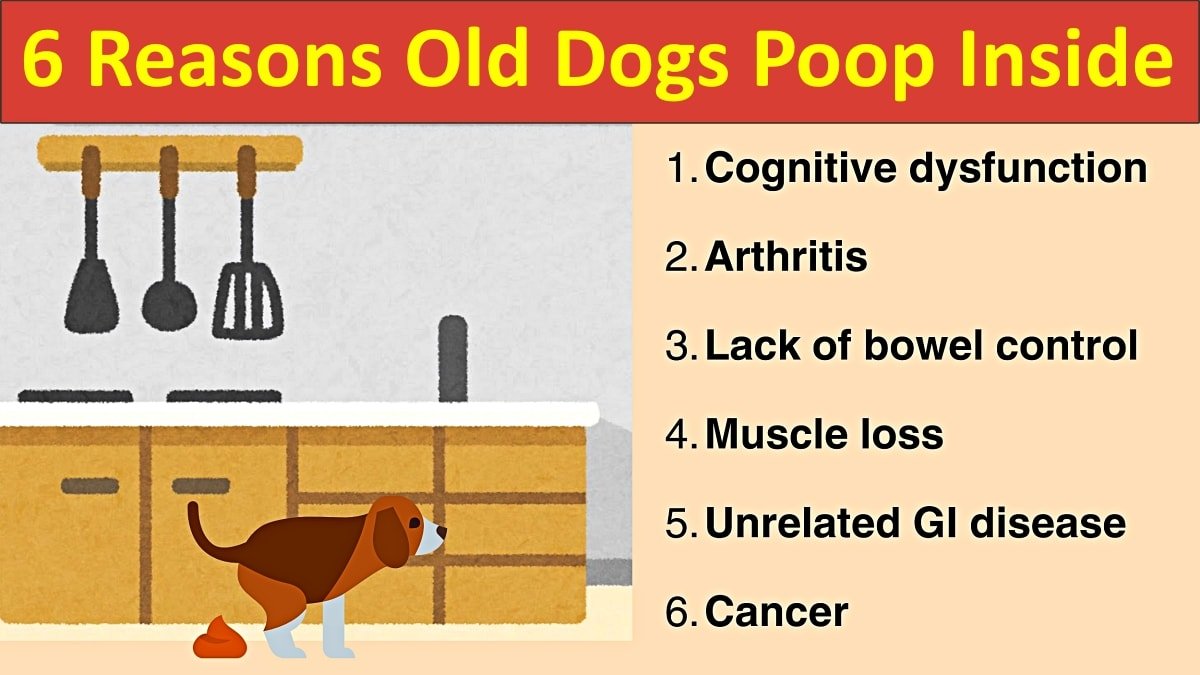
Finding dog poop in the house can be frustrating, but sometimes it signals more than just a training issue. Health problems often cause sudden accidents indoors. Recognizing the signs helps you act quickly and keep your furry friend comfortable and safe.
Signs Of Digestive Problems
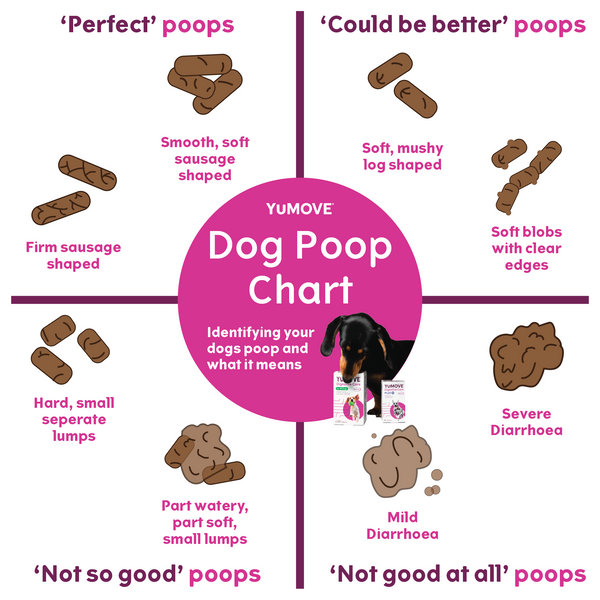
Look for changes in your dog’s stool. Is it loose, watery, or unusually smelly? These can indicate digestive upset or infection.
Other clues include:
- Frequent vomiting or gagging
- Lack of appetite or sudden weight loss
- Excessive gas or bloating
- Straining or discomfort during bowel movements
My dog once started having accidents after eating grass and acting lethargic. It turned out to be a mild stomach infection. Catching those signs early made the vet visit easier and resolved the issue faster.
When To Visit The Vet
If your dog’s accidents persist beyond a day or two, it’s time to consult a vet. Persistent diarrhea, blood in the stool, or signs of pain require immediate attention.
Also, if your dog seems weak, refuses to eat, or shows behavioral changes, don’t wait. Health issues can escalate quickly.
Ask yourself: Is this behavior new and unusual? If yes, schedule a vet visit to rule out serious problems. Early diagnosis can prevent bigger health challenges and help your dog feel better sooner.
Behavioral Causes
Understanding why your dog poops inside is crucial for solving the problem. Often, this behavior links to emotional or instinctive reasons. Addressing these can help improve your dog's habits and your home's cleanliness.
Stress And Anxiety Factors
Dogs feel stress just like people. Changes in routine can upset them. New family members or loud noises may cause anxiety. This stress can lead to indoor accidents. Dogs might also react to being left alone. Separation anxiety is a common cause. Watch for signs like pacing, whining, or destruction. Reducing stress helps your dog feel safe and calm.
Marking Territory
Dogs use poop to mark their space. This is more common in unneutered males but can happen with any dog. Marking shows other dogs who owns the area. It is a natural behavior but unwanted inside the home. Dogs may mark if they feel threatened by other pets or changes. Training and neutering can reduce this behavior. Clear boundaries and consistent rules also help.
Environmental Adjustments
Adjusting your dog's environment helps reduce accidents inside the house. Creating clear boundaries and suitable outdoor spaces guides your dog to the right spots. These changes support better habits and make cleaning easier.
Safe Outdoor Spaces
Designate a specific area outside for your dog to relieve itself. This spot should be quiet, clean, and easy to access. Consistent use of the same place helps your dog understand where to go. Adding some familiar scents or toys can make the area inviting.
Ensure the area is free from hazards like sharp objects or toxic plants. Regularly clean the space to keep it pleasant for your dog. This encourages frequent outdoor bathroom breaks and reduces indoor accidents.
Limiting Access To Certain Areas
Block off rooms or corners where your dog tends to poop. Use baby gates or closed doors to control movement inside the house. Limiting access helps prevent unwanted accidents in specific areas.
Provide a comfortable, easily cleaned space for your dog’s rest and play. Clear rules about where your dog can and cannot go reduce confusion. This makes house training smoother and keeps your home cleaner.
Using Positive Reinforcement
Using positive reinforcement helps your dog learn good habits faster. It builds trust and encourages your dog to repeat the right behavior. Positive reinforcement focuses on rewarding your dog for going outside, not punishing accidents inside. This approach makes training less stressful for both you and your pet.
Rewarding Good Behavior
Give your dog treats or praise immediately after they go outside. This helps them connect the action with a positive outcome. Use a calm, happy voice to say "good job" or "well done." Small treats work best to keep your dog motivated. Consistency is key; reward every successful potty trip.
Avoiding Punishment
Never yell or hit your dog for accidents inside. Punishment can cause fear and confusion. Dogs do not link punishment with the accident, only with you. Instead, calmly clean the mess without fuss. Focus on guiding your dog to the right spot next time. A patient, gentle approach helps your dog learn better.
Credit: greensafaris.com
Frequently Asked Questions
Why Did My Dog Poop Inside The House?
Dogs may poop indoors due to illness, anxiety, or lack of training. Sometimes, changes in routine or environment cause accidents. Identifying the cause helps address the problem effectively.
How To Clean Dog Poop Stains And Odors?
Use enzymatic cleaners to remove stains and neutralize odors. Avoid ammonia-based products, as they attract dogs back to the spot. Clean immediately to prevent repeat accidents.
How Can I Prevent My Dog From Pooping Indoors?
Establish a consistent potty schedule and reward outdoor elimination. Supervise your dog indoors and limit access to previous accident spots. Crate training also helps prevent indoor accidents.
When Should I Consult A Vet For Indoor Pooping?
Consult a vet if indoor accidents increase suddenly or your dog shows illness signs. Medical issues like infections or digestive problems may cause inappropriate elimination.
Conclusion
Training a dog takes patience and consistency. Accidents indoors happen sometimes. Clean up calmly and avoid scolding. Use positive reinforcement for better results. Celebrate when your dog learns. Understand their needs and signals. Create a routine to prevent future messes.
A reliable schedule helps them understand. Take your dog outside regularly. Praise them for doing it right. Building trust and understanding is key. Stay patient and consistent. Soon, both you and your dog will enjoy a happier home environment. Remember, training is a journey, not a race.
Enjoy the process with your furry friend.