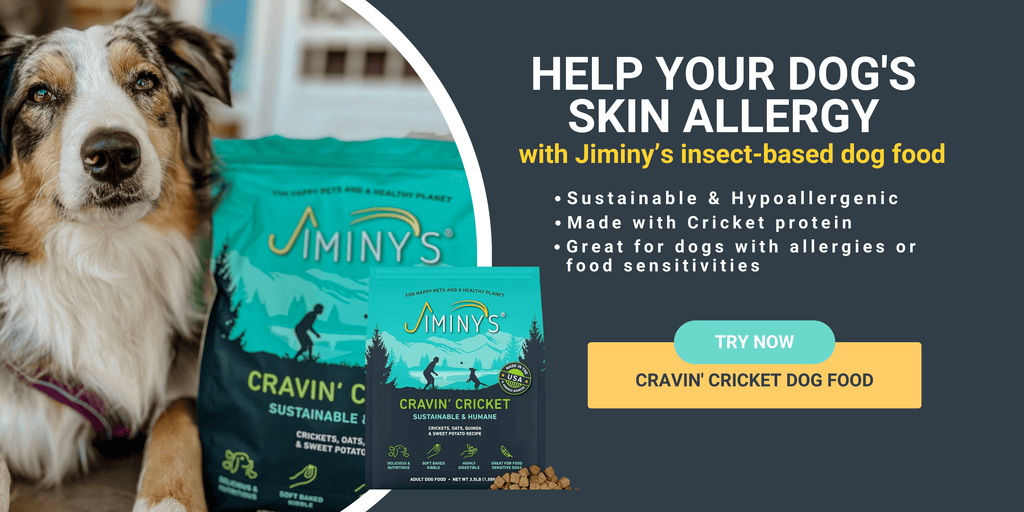
Is your dog constantly scratching, licking, or chewing their skin? Skin allergies can make your furry friend uncomfortable and restless.
Choosing the right dog food can be a game-changer in easing their irritation and improving their skin health. But with so many options out there, how do you know which one is truly best for your dog’s skin allergies? Keep reading, because finding the perfect diet for your pup’s skin could be easier than you think—and it could make a world of difference to their comfort and happiness.
Causes Of Skin Allergies In Dogs
Skin allergies in dogs cause itching, redness, and discomfort. Many factors trigger these allergic reactions. Identifying the causes helps manage and prevent skin problems. Diet plays a key role in some allergies. Understanding common allergens and diet impact is essential for healthy skin.
Common Allergens
- Fleas and flea bites
- Pollen from trees, grass, and weeds
- Dust mites in the home
- Mold spores
- Certain shampoos and grooming products
- Household chemicals and cleaners
- Specific proteins in food, like beef or chicken
Role Of Diet In Allergies
Food allergies cause skin irritation and itching. Some proteins in dog food trigger immune reactions. Common culprits include beef, dairy, wheat, and soy. Grain-free diets sometimes reduce symptoms but are not always the solution.
Novel protein diets use uncommon meats like duck or venison. These can help dogs with food allergies. Omega-3 fatty acids support skin health and reduce inflammation. Balanced nutrition strengthens the skin’s protective barrier.
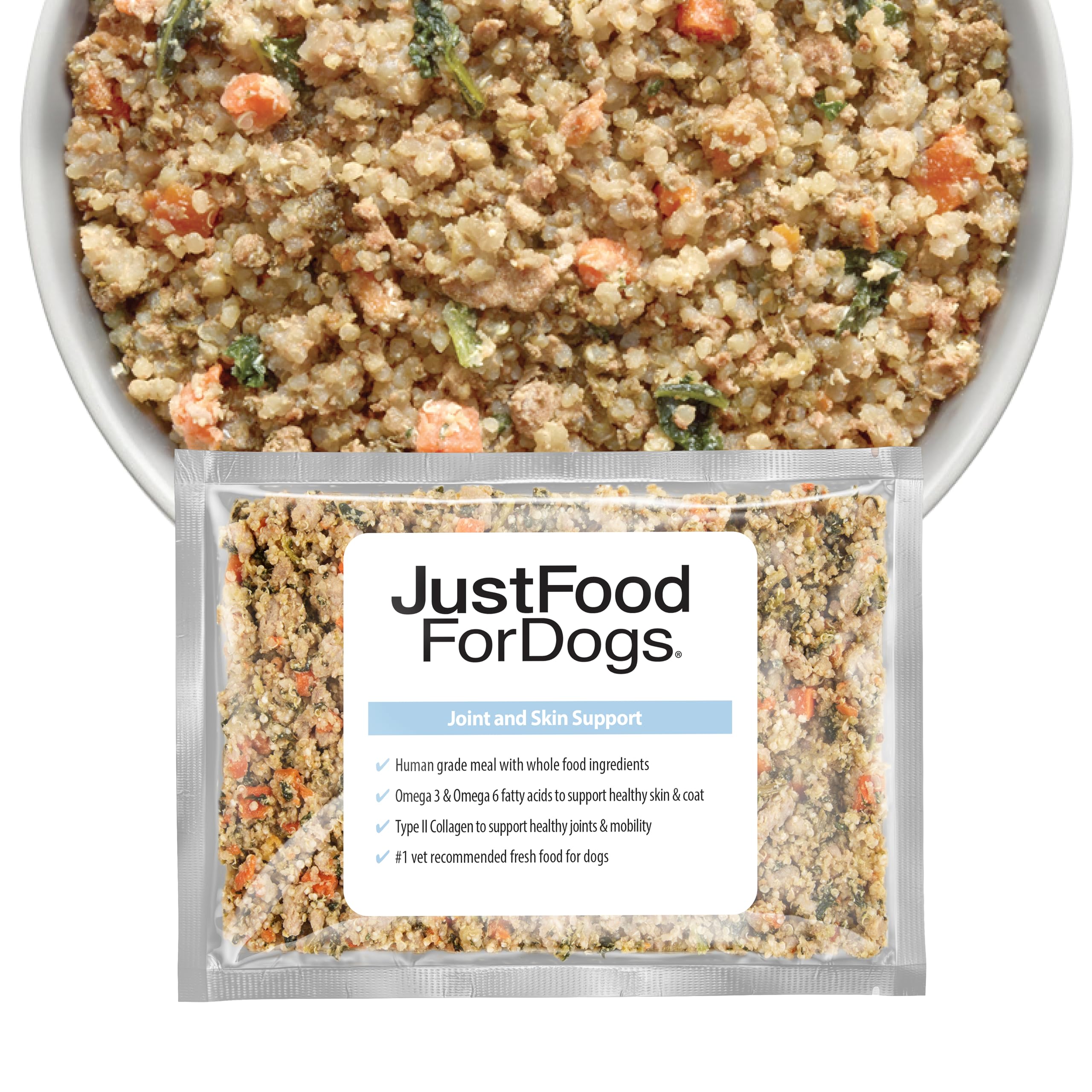
Credit: www.amazon.com
Key Nutrients For Skin Health
Good skin health depends on several key nutrients in your dog’s diet. These nutrients help reduce inflammation, support the skin barrier, and keep the coat shiny. A well-balanced dog food with these elements can ease skin allergies and improve comfort.
Omega Fatty Acids
Omega fatty acids, especially omega-3 and omega-6, are vital for healthy skin. They reduce itching and inflammation linked to allergies. These fats also strengthen the skin's protective barrier. Sources include fish oil, flaxseed, and certain plant oils.
Vitamins And Minerals
Vitamins like A, E, and B-complex support skin repair and immune function. Vitamin A promotes cell growth and healing. Vitamin E acts as an antioxidant to protect skin cells. Zinc and copper help maintain skin strength and reduce inflammation.
Protein Quality
High-quality protein provides the building blocks for skin repair. Proteins with all essential amino acids support new skin cell growth. Limited ingredient diets with novel proteins can help dogs with allergies. Look for real meat or fish as the main protein source.
Types Of Dog Food For Skin Allergies
Choosing the right type of dog food can make a significant difference if your dog suffers from skin allergies. Different formulations target specific allergens and sensitivities, helping to reduce itching, redness, and discomfort. Understanding the options available empowers you to make an informed choice that supports your dog's skin health and overall well-being.
Hypoallergenic Dog Food
Hypoallergenic dog food is designed to minimize allergic reactions by eliminating common allergens. These foods often contain hydrolyzed proteins, which are broken down into tiny pieces that the immune system is less likely to recognize as allergens.
If your dog has severe allergies, you might notice a reduction in symptoms after switching to a hypoallergenic diet. Have you ever seen your dog’s skin improve just days after changing their food? That’s the kind of impact these formulas can have.
Limited Ingredient Diets
Limited ingredient diets (LID) focus on reducing the number of components in the food, making it easier to identify and avoid specific allergens. These diets usually contain a single protein source and a few simple carbohydrates.
For example, if your dog reacts to chicken, a limited ingredient diet with salmon and sweet potatoes might be a better fit. Have you tried tracking your dog’s reactions to different ingredients? LID can simplify that process and guide you to the best option.
Grain-free Options
Grain-free dog foods exclude common grains like wheat, corn, and soy, which can sometimes trigger skin allergies. Instead, they use alternative carbohydrate sources such as peas, potatoes, or lentils.
While not all dogs need grain-free diets, those with grain sensitivities often see improvements in their skin condition. Have you noticed flare-ups after your dog eats grain-containing food? Grain-free options might be worth a try.
Top Healing Dog Food Brands
Choosing the right dog food can help soothe your pet's skin allergies. Certain brands offer formulas designed to reduce irritation and support healthy skin. These foods often contain limited ingredients, added nutrients, and gentle proteins. Here are some top healing dog food brands that can help your dog feel better.
Prescription Diets
Prescription diets are made for dogs with specific health issues. They often require a vet's approval. These foods include special ingredients to reduce allergic reactions and improve skin health.
- Hill's Prescription Diet Derm Defense: Targets skin inflammation and supports the immune system.
- Royal Canin Hydrolyzed Protein: Uses proteins broken down to prevent allergic reactions.
- Purina Pro Plan Veterinary Diets HA Hydrolyzed: Helps manage food sensitivities and skin problems.
Natural And Organic Choices
Natural and organic dog foods use fewer chemicals and artificial ingredients. They focus on wholesome, simple recipes with quality proteins and fats that support skin health.
- Blue Buffalo Basics Limited Ingredient Diet: Contains few ingredients to reduce allergy triggers.
- Wellness Simple Limited Ingredient Diet: Made with natural ingredients and easy-to-digest proteins.
- Canidae PURE Grain-Free: Features limited ingredients and no fillers for sensitive skin.
Budget-friendly Options
Affordable dog foods can still offer good nutrition for skin allergies. These options balance price and quality with gentle ingredients and added nutrients.
- Natural Balance L.I.D. Limited Ingredient Diets: Provides simple recipes at a lower cost.
- Diamond Naturals Skin & Coat Formula: Enriched with omega fatty acids for skin support.
- 4Health Grain-Free Limited Ingredient: Available at many stores with cost-effective pricing.
Homemade Diets For Allergic Dogs
Creating homemade diets for dogs with skin allergies can give you full control over what your furry friend eats. This way, you avoid hidden allergens found in some commercial dog foods. You also get to tailor meals to your dog’s specific needs and preferences, which can improve their overall well-being.
Safe Ingredients
Choosing the right ingredients is the first step in preparing meals that help manage skin allergies. Stick to simple, whole foods like:
- Lean meats such as turkey, chicken, or lamb (if your dog isn’t allergic to these)
- Fresh vegetables like sweet potatoes, carrots, and green beans
- Grains such as quinoa or rice, if your dog tolerates them
Avoid common allergens like beef, dairy, wheat, and soy, which often trigger reactions. You may need to try an elimination diet to discover which ingredients work best. Have you noticed your dog reacting to certain foods before? That insight helps you pick safer options.
Balanced Meal Planning
Feeding your dog a homemade diet means you must ensure every meal is nutritionally balanced. Dogs need a mix of proteins, fats, carbohydrates, vitamins, and minerals to stay healthy and support skin repair.
Work with your vet or a pet nutritionist to create a meal plan that includes:
- High-quality protein sources for skin and coat health
- Omega-3 fatty acids from fish oil or flaxseed to reduce inflammation
- Essential vitamins and minerals, possibly through supplements
Carefully measuring portions and rotating ingredients can prevent nutritional gaps. Have you ever wondered if your dog’s homemade meals cover all their nutrient needs? Tracking their progress and consulting professionals can ensure your dog’s skin allergies improve without compromising nutrition.

Credit: www.kwikpets.com
Tips For Transitioning To New Dog Food
Switching your dog to a new food requires care and patience. Sudden changes can upset their stomach or worsen allergies. Follow these tips to make the transition smooth and safe.
Gradual Introduction
Start by mixing a small amount of the new food with your dog’s current food. Increase the new food portion every few days. This helps your dog’s digestive system adjust. A gradual change usually takes 7 to 10 days. Watch for any signs of discomfort or refusal to eat.
Monitoring Allergic Reactions
Keep a close eye on your dog’s skin and behavior during the switch. Look for redness, itching, or hair loss. Note any vomiting or diarrhea as well. If symptoms worsen, pause the new food and consult your vet. Recording changes daily helps track progress clearly.
Additional Remedies For Skin Allergies
Skin allergies in dogs can be tough to manage with diet alone. Other remedies can help ease itching and improve skin health. These additional options support your dog’s comfort and healing process.
Supplements
Supplements often boost skin health and reduce allergy symptoms. Omega-3 fatty acids, found in fish oil, help calm inflammation. Probiotics support gut health, which can improve immune response. Vitamin E acts as an antioxidant and aids skin repair. Always check with your vet before adding supplements to your dog’s routine.
Topical Treatments
Topical treatments provide quick relief to irritated skin. Medicated shampoos can soothe itching and remove allergens from the coat. Aloe vera gels offer a natural cooling effect and promote healing. Oatmeal baths help reduce redness and dryness. Apply treatments gently and follow product instructions carefully to avoid further irritation.

Credit: forthglade.com
Frequently Asked Questions
What Are Signs Of Skin Allergies In Dogs?
Common signs include itching, redness, and excessive scratching. You may also notice flaky skin or hair loss. If these symptoms persist, consult your vet to identify the underlying cause. Choosing the right dog food can significantly alleviate these symptoms.
Which Ingredients Should I Avoid In Dog Food?
Avoid common allergens like wheat, soy, and artificial additives. These can trigger allergic reactions in sensitive dogs. Look for dog foods with limited ingredients and free from fillers. Opt for high-quality, natural ingredients to promote skin health.
Is Grain-free Dog Food Better For Allergies?
Grain-free dog food can help some dogs with allergies. However, not all dogs are allergic to grains. It's essential to know your dog's specific allergens. Consult your vet before making any dietary changes to ensure it meets your dog's nutritional needs.
How Can Omega-3 Help With Skin Allergies?
Omega-3 fatty acids reduce inflammation and promote healthy skin. They can alleviate symptoms of skin allergies in dogs. Look for dog foods rich in Omega-3, such as those containing fish oil or flaxseed. Regular intake can improve your dog's coat and skin health.
Conclusion
Choosing the right dog food helps ease skin allergies effectively. Foods with limited ingredients reduce chances of irritation. Omega-3 fatty acids support healthy skin and coat. Grain-free options may benefit dogs with sensitivities. Always check labels for allergens before buying.
Consult your vet for personalized advice and diet plans. Watch your dog’s reaction to new foods closely. Patience is key; improvements take time to show. Healthy skin means a happier, more comfortable dog. Simple changes in diet can make a big difference.
Keep your dog’s needs and comfort as a priority.