Are you wondering how long you should be feeding your furry friend puppy food? You're not alone.
Knowing when to transition your dog from puppy chow to adult dog food can be a bit confusing. You want to give your puppy the best start in life, and that means understanding their nutritional needs as they grow. We'll unravel the mystery of puppy feeding timelines, ensuring your little buddy gets the right nutrients at the right time.
Keep reading, because what you learn could make a big difference in your puppy's health and happiness.
Puppy Growth Stages
Understanding puppy growth stages helps you decide the right time to switch their food and adjust their diet. Puppies don’t stay puppies forever, and their nutritional needs change as they grow. Let’s break down the key stages to help you feed your furry friend appropriately.
Neonatal To Transitional Phase
The first two weeks of a puppy’s life are called the neonatal phase. During this time, puppies rely entirely on their mother’s milk for nutrition. Their digestive system is very sensitive, so feeding them anything else can cause problems.
From weeks two to four, puppies enter the transitional phase. They start opening their eyes and ears, and slowly begin to explore solid foods. At this point, you can introduce soft, easily digestible puppy food mixed with water or formula to ease the transition from milk.
Socialization Period
Between three and twelve weeks, puppies experience the socialization period. This is a critical phase for their mental and emotional development. Proper nutrition is essential here to support rapid growth and brain development.
During this stage, puppies need food rich in protein, fats, and essential nutrients. You might notice your puppy’s appetite increasing—this is normal as they become more active and curious about the world around them.
Juvenile Stage
The juvenile stage lasts from about three months to one year, depending on the breed. Larger breeds stay puppies longer, so their diet needs to reflect slower growth to avoid joint issues. Smaller breeds mature faster and require food that supports their quick development.
In this stage, you should gradually transition your puppy from puppy-specific food to adult dog food. Watch your puppy’s weight and energy levels closely to make sure the food suits their needs. Have you noticed your puppy’s energy dip or spike after switching foods? That’s a sign to reassess their diet.
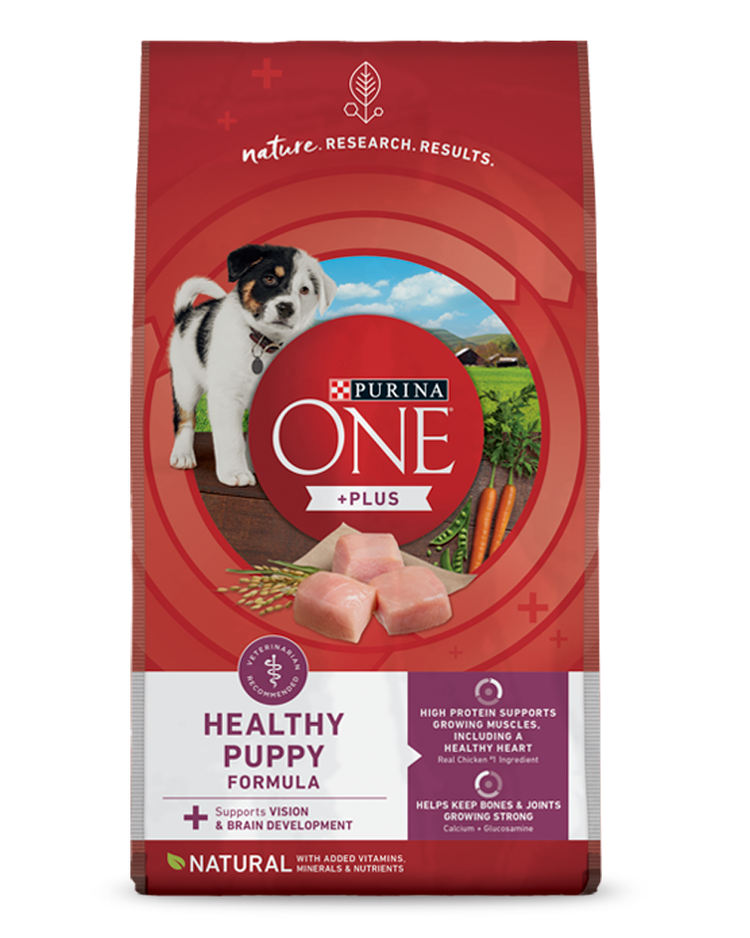
Credit: www.purina.com
Nutritional Needs By Age
Understanding a puppy's nutritional needs is key to healthy growth. Puppies require different nutrients at each stage of development. Their diet must support rapid growth, brain development, and strong bones.
Meeting these needs ensures your puppy grows into a healthy adult dog. Adjusting food types and amounts over time prevents nutritional gaps or excesses.
Early Puppy Diet
Newborn puppies rely on their mother's milk for nutrition. This milk provides essential antibodies and nutrients. It supports immune system development and energy needs.
During the first few weeks, puppies nurse frequently. They do not need solid food yet. The milk meets all their nutritional demands.
Weaning And Growth Nutrition
Weaning starts around 3 to 4 weeks of age. Puppies begin eating soft, moistened puppy food. This transition helps their digestive system adjust.
Growth requires high protein and fat levels. Puppy food contains more calories than adult food. It supports muscle and bone development.
- Protein: Builds strong muscles
- Fat: Provides energy
- Calcium and phosphorus: Strengthen bones
Feeding small, frequent meals suits their small stomachs. Proper hydration is also important.
Shifting To Adult Food
Puppies usually switch to adult food between 9 and 12 months. Large breeds may need more time to grow fully. The switch depends on breed size and vet advice.
Adult dog food has lower fat and calorie content. This helps prevent excess weight gain. Gradually mixing adult food with puppy food eases the change.
Watch your dog's weight and energy during this phase. Adjust food amounts to maintain healthy growth and condition.
Breed And Size Impact
Breed and size play a big role in determining how long a dog stays a puppy in terms of food needs. Each breed grows at a different speed and has unique nutritional requirements. Understanding these differences helps provide the right food at the right time.
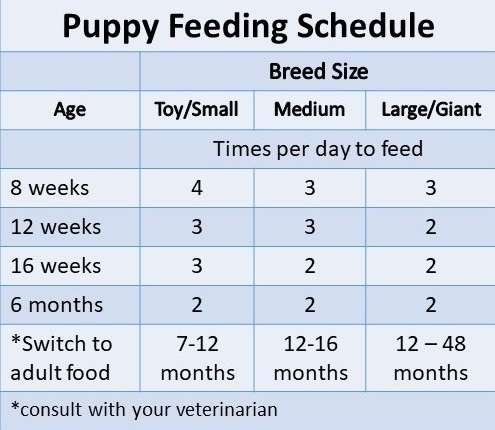
Small breeds grow quickly and reach maturity faster. Medium breeds take a bit longer to grow. Large and giant breeds have the longest puppy stage and need special care in their diet.
Small Breed Puppies
Small breed puppies mature fast, usually by 9 to 12 months. Their metabolism is high, so they need calorie-rich food. Feeding them adult dog food too early can cause weight gain or nutritional gaps. Puppy food for small breeds supports their quick growth and energy needs.
Medium Breed Puppies
Medium breed puppies grow steadily and often reach adulthood around 12 to 15 months. Their diet should balance protein and fat to support healthy muscles and bones. Switching to adult food too soon may affect their growth. Medium breed puppy food provides the right nutrients during this stage.
Large And Giant Breed Puppies
Large and giant breeds take the longest to mature, sometimes up to 18-24 months. Their bones and joints need extra support, so they require food with controlled calcium and phosphorus. Feeding adult food too early can cause growth problems. Specialized large breed puppy food helps avoid health issues and supports slow, steady growth.
Credit: www.vetsupply.com.au
Signs To Switch Food
Knowing when to switch your dog from puppy food to adult food is key to supporting healthy growth. Puppy food is specially designed to meet the high nutritional needs during early development, but as your dog grows, those needs change. Paying attention to certain signs helps you make the right decision at the right time, avoiding underfeeding or overfeeding.
Physical Development Indicators
One clear sign to switch food is your dog’s size and weight. Most dogs reach their adult size between 9 to 12 months, though larger breeds may take up to 18 months.
Look for changes such as:
- Full-grown height and weight
- Teeth fully developed and adult-like
- Muscle tone becoming more defined
If your dog’s growth has plateaued and they look leaner or more muscular, it’s a strong sign that adult food will better match their needs.
Behavioral Changes
Behavior can also signal when to switch food. Puppy energy bursts may start to calm down as your dog matures.
Notice if your dog:
- Shows less hyperactivity and more steady energy
- Begins to eat less frequently or finishes meals faster
- Displays changes in appetite or food preferences
When feeding routines shift, your dog’s nutritional demands shift too. Adjusting food type can keep them feeling satisfied and healthy.
Veterinarian Recommendations
Your vet’s advice is invaluable in deciding the best time to switch food. Regular check-ups provide insights into your dog’s growth and overall health.
Ask your vet about:
- Ideal timing based on breed and size
- Specific adult food brands or formulas suitable for your dog
- Any special dietary needs or health concerns
My own vet suggested transitioning my Labrador at 12 months after confirming steady growth and stable weight. Following that advice helped avoid digestive issues during the switch.
Have you noticed any signs in your dog that made you question if it’s time to change their food? Recognizing these clues early can make a big difference in their wellbeing.
Common Feeding Mistakes
Feeding your puppy correctly during their early months is crucial for their growth and overall health. However, many dog owners unintentionally make mistakes that can affect their puppy's development. Understanding these common feeding errors can help you provide the right nutrition at the right time.
Overfeeding And Underfeeding
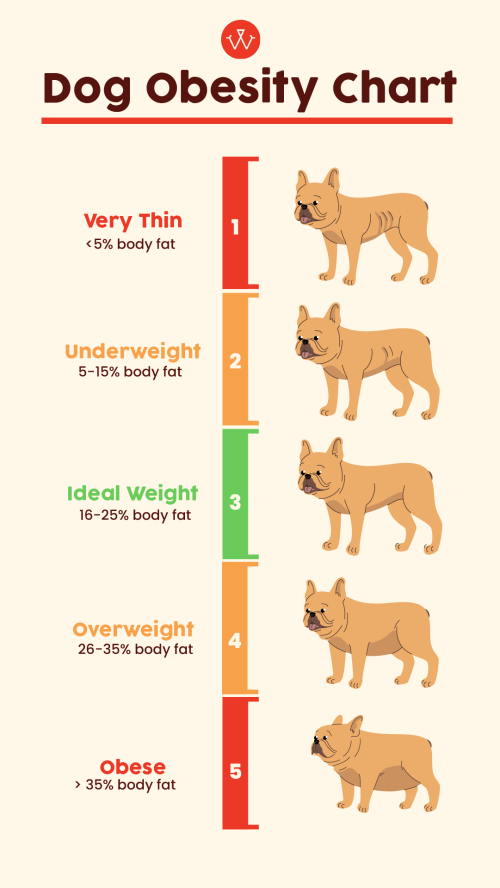
Giving your puppy too much food can lead to rapid weight gain and put stress on their developing joints. On the other hand, underfeeding can stunt their growth and leave them weak. Are you confident that your puppy’s portions match their energy needs and growth stage?
Keep an eye on your puppy’s body condition rather than just following package guidelines. Adjust portions based on their activity level and growth rate to avoid these feeding pitfalls.
Ignoring Breed-specific Needs
Different breeds grow at different rates and have unique nutritional needs. Large breed puppies, for example, require food formulated to support slower growth to protect their bones. Feeding a generic puppy diet might not meet these specialized requirements.
Have you looked into your puppy’s breed-specific dietary needs? Tailoring food choices can prevent future health issues and promote balanced development.
Delaying Food Transition
Many owners wait too long to switch from puppy food to adult food, or they transition too quickly. A slow, gradual change over 7-10 days helps avoid digestive upset. Delaying this transition can lead to poor nutrient absorption or discomfort.
How carefully do you manage the switch in your puppy’s diet? Planning this change thoughtfully supports a smooth adjustment and ongoing health.
Credit: wefeedraw.com
Expert Feeding Tips
Feeding your puppy the right way is key to their growth and overall health. Puppies have different nutritional needs compared to adult dogs, and understanding these can make a big difference in their development. Here are some expert tips to help you feed your puppy properly during those crucial early months.
Balancing Nutrients
Make sure your puppy’s food has the right balance of protein, fats, and carbohydrates. Protein supports muscle growth, while fats provide energy and help with brain development.
Look for puppy formulas that include essential vitamins and minerals like calcium and phosphorus to support bone health. Avoid foods with too many fillers or artificial additives that offer little nutritional value.
Have you checked your puppy’s food label lately? Choosing high-quality ingredients will pay off in your dog’s energy and coat shine.
Feeding Frequency
Puppies need more frequent meals than adult dogs because of their fast metabolism. Typically, feeding them three to four times a day works well until they reach about six months.
After six months, you can gradually reduce meal frequency to twice a day. Feeding smaller portions more often helps maintain steady energy levels and prevents overeating.
Notice how your puppy behaves after meals—are they satisfied or still hungry? Adjust portions accordingly to keep them comfortable and thriving.
Monitoring Growth And Health
Keep track of your puppy’s weight and body condition regularly. Use a simple scale or visit the vet to ensure they’re growing at a healthy pace.
Watch for signs like lethargy, poor coat condition, or digestive issues, which may indicate feeding problems. Always consult your vet if you notice anything unusual.
Have you noticed your puppy’s energy levels or appetite change? These are clues to tweak their diet for better health and happiness.
Frequently Asked Questions
How Long Is A Dog A Puppy For Food Purposes?
A dog is considered a puppy for food until about 12 months old. Large breeds may need puppy food up to 18-24 months. Puppy food supports growth with higher calories and nutrients compared to adult dog food.
When Should I Switch My Puppy To Adult Dog Food?
Switch your puppy to adult food around 12 months, or when growth slows. Large breeds may switch later, at 18-24 months. Transition gradually over 7-10 days to avoid digestive upset.
Why Is Puppy Food Different From Adult Dog Food?
Puppy food contains more protein, fat, and calories to support rapid growth. It also has essential vitamins and minerals for bone development. Adult dog food has lower calories to maintain a healthy weight.
Can Feeding Adult Food To Puppies Cause Problems?
Feeding adult food to puppies can lead to nutrient deficiencies. Puppies need extra calories and nutrients for growth. Lack of proper nutrition may cause stunted growth and weak immune systems.
Conclusion
Puppy food suits dogs until they grow about one year old. Growth rates vary by breed and size. Large dogs may need puppy food longer than small dogs. Nutrients in puppy food support strong bones and healthy muscles. Switching too soon can cause stomach issues or poor growth.
Watch your dog’s behavior and health for signs. Talk to your vet for the best feeding plan. Feeding right helps your dog stay happy and healthy. Keep your dog’s needs in mind as they grow.