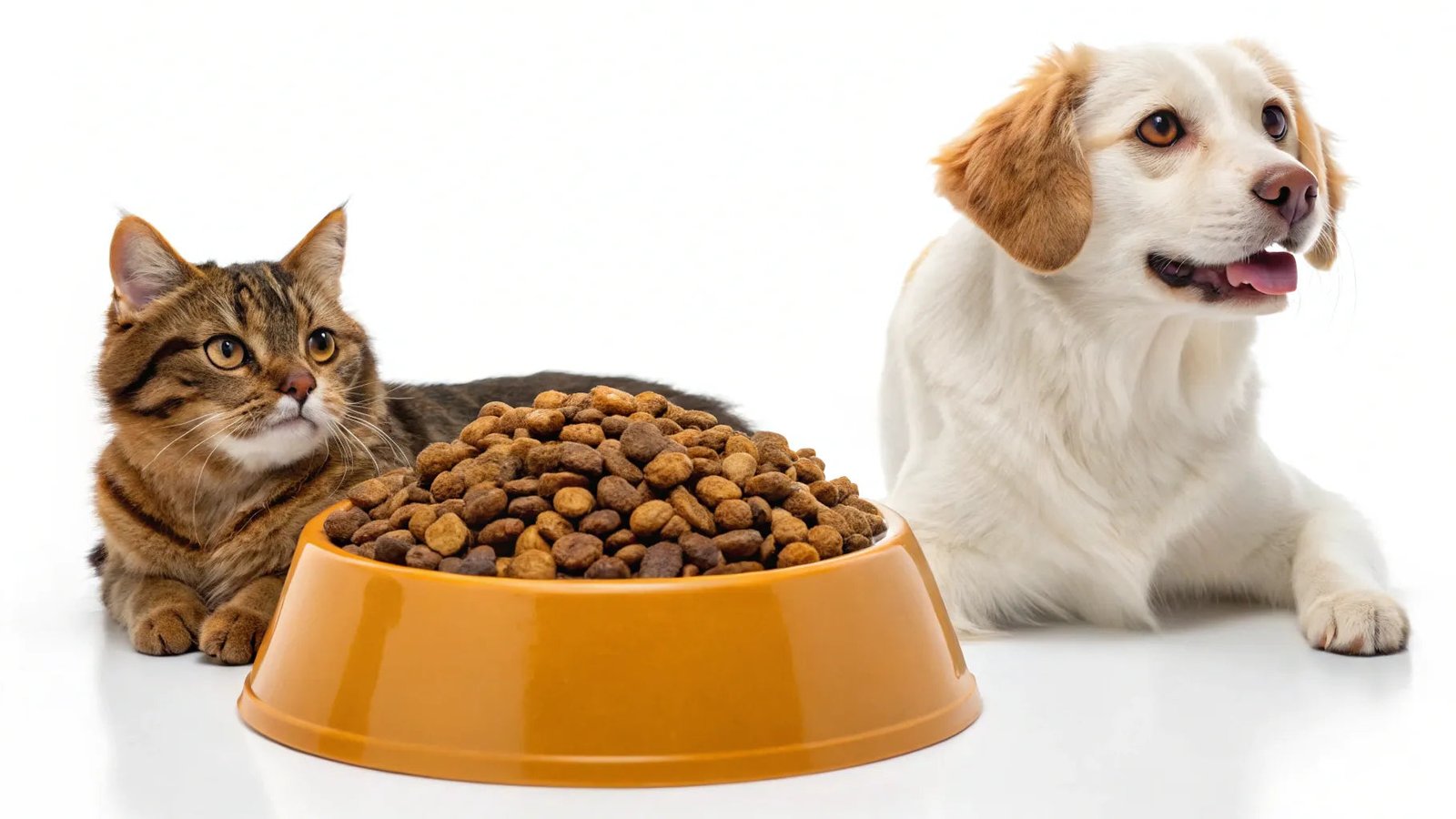
If you’re a pet owner juggling both a cat and a dog, you've probably wondered if there's a way to simplify their feeding routine. Imagine having a single food option that caters to both your feline and canine friends.
It sounds convenient, right? But is it truly possible? And if it is, could it really be healthy for both your beloved pets? This article delves into the fascinating world of pet nutrition to uncover whether a one-size-fits-all food exists for your furry companions.
Stick around to discover the surprising truths and practical tips that could revolutionize your feeding strategy, save you time, and ensure your pets are happy and healthy.

Credit: petfoodshop.com
Differences In Cat And Dog Nutrition
Feeding both cats and dogs the same food might seem like a convenient choice. However, their nutritional needs differ significantly. Understanding these differences is key to keeping your furry friends healthy and happy.
Essential Nutrients For Cats
Cats are obligate carnivores, meaning they require specific nutrients found only in animal products. They need high levels of protein and certain amino acids like taurine, which their bodies can't produce enough of.
In addition, cats require vitamin A directly from meat, not from plant sources. Lack of these nutrients can lead to serious health problems, including vision issues and heart disease.
Essential Nutrients For Dogs
Dogs are more omnivorous and can digest a broader range of foods, including some plant-based nutrients. They need protein too, but their diet can include carbohydrates and fiber for energy and digestion.
Dogs also require nutrients like vitamin D and certain fatty acids that support their immune system and coat health. Unlike cats, dogs can convert some nutrients from plants into what they need.
How Metabolism Varies
Metabolism plays a huge role in how cats and dogs process food. Cats have a faster metabolism focused on processing protein and fat, which means they need frequent meals rich in these nutrients.
Dogs metabolize food more slowly and can handle larger, less frequent meals. Their bodies are designed to extract energy from a mix of proteins, fats, and carbs.
Have you noticed how your cat seems more selective about food compared to your dog? This difference in metabolism explains that picky behavior and why their diets must be tailored accordingly.
Credit: www.green-petfood.com
Risks Of Sharing Food
Sharing food between cats and dogs might seem harmless. Both pets often look eager at each other’s bowls. Yet, sharing food carries risks. Their bodies need different nutrients. Some foods safe for one can harm the other. Understanding these dangers helps keep pets safe and healthy.
Toxic Ingredients For Cats
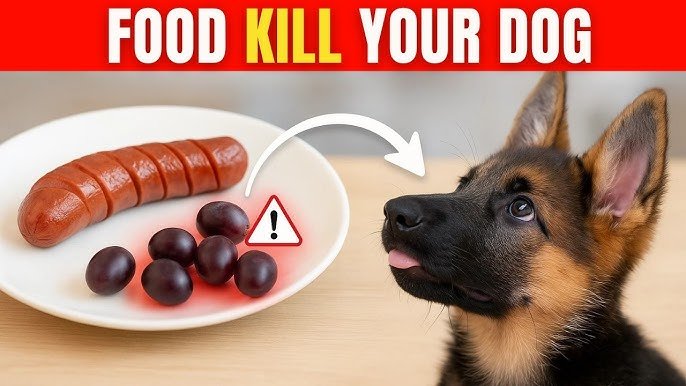
Certain ingredients are dangerous for cats. Onions and garlic can cause anemia. Chocolate contains substances toxic to cats. Grapes and raisins may lead to kidney failure. Xylitol, an artificial sweetener, is deadly for cats. Avoid sharing human snacks that include these.
Toxic Ingredients For Dogs
Dogs also face dangers from some foods. Chocolate is poisonous and can cause seizures. Macadamia nuts may cause weakness and vomiting. Grapes and raisins can trigger kidney problems. Alcohol and caffeine are highly toxic. Keep dog food separate from human treats.
Digestive Issues From Shared Food
Cats and dogs digest food differently. Fatty or spicy foods can upset their stomachs. Diarrhea, vomiting, and gas are common signs. Sudden diet changes cause stress on digestion. Foods meant for one pet may lack needed nutrients for the other. Balanced diets support long-term health for both.
Commercial Foods For Both Pets
Choosing food that suits both your cat and dog can simplify feeding time and reduce costs. Commercial foods marketed for both pets claim to meet the nutritional needs of cats and dogs simultaneously. But can one formula truly support the health of two very different animals?
Are There Balanced Formulas?
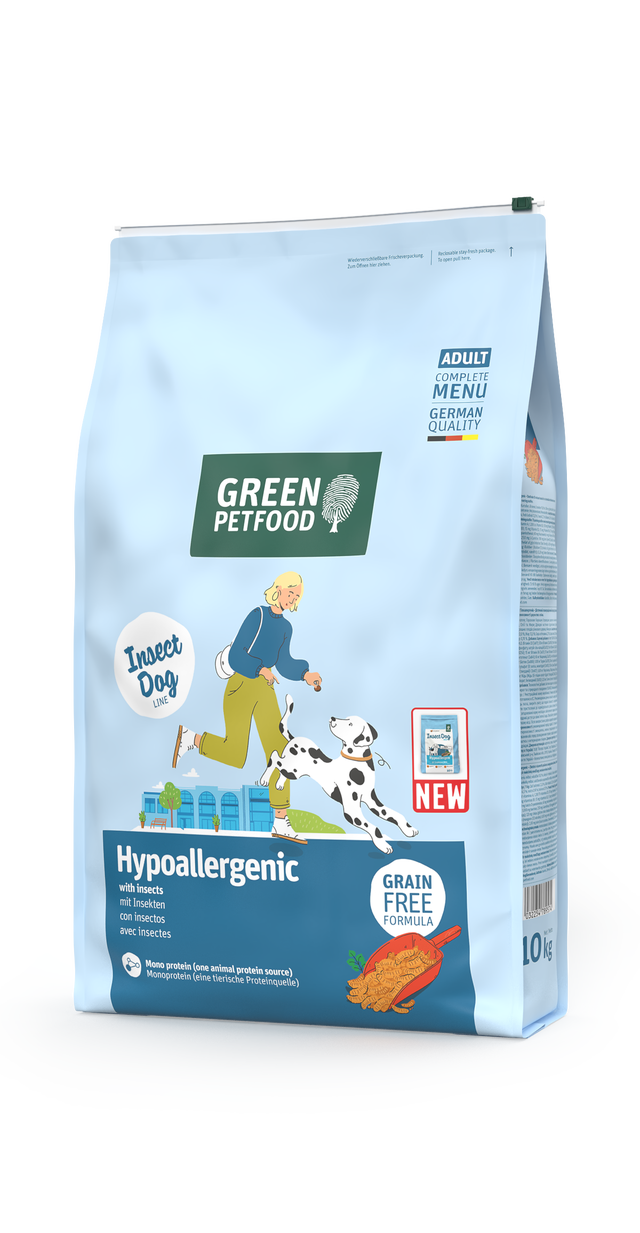
Some commercial brands offer formulas labeled as suitable for both cats and dogs. These products often focus on basic nutrients like protein, fats, and carbohydrates.
However, cats require higher protein levels and specific nutrients like taurine, which dogs do not need as much of. Balanced formulas for both pets try to meet these minimum requirements, but they may not fully satisfy the optimal dietary needs of each species.
If you have both pets, consider whether convenience is worth potentially compromising your cat’s health. Could feeding separate diets be a better investment in their long-term well-being?
Limitations Of Joint Diets
Joint diets often fall short in addressing the unique digestive systems of cats and dogs. Cats are obligate carnivores, meaning they must have meat-based nutrients, while dogs are more omnivorous and can digest a wider range of foods.
Feeding them the same food can lead to nutritional gaps or excesses for either pet. For example, your dog might get too much protein, while your cat might not get enough taurine, risking health issues over time.
Have you noticed any changes in your pet’s energy or coat quality after switching to a combined diet? Paying attention to these signs can help you decide if a joint formula is really working.
Homemade Meals For Cats And Dogs
Preparing homemade meals for both cats and dogs can be a rewarding way to ensure your pets get fresh, nutritious food tailored to their needs. However, cats and dogs have different dietary requirements, so crafting a meal that suits both can be tricky. Paying close attention to ingredients and preparation can help you create balanced dishes that keep your furry friends happy and healthy.
Safe Ingredients To Use
Choosing the right ingredients is key to making meals safe for both cats and dogs. Lean meats like chicken, turkey, and beef provide essential protein without excess fat. You can add cooked vegetables such as carrots, green beans, or peas, which offer fiber and vitamins but avoid onions and garlic—they are toxic to both animals.
Rice and sweet potatoes are great carbohydrate sources that help provide energy. Including small amounts of fish like salmon can add omega-3 fatty acids, which benefit skin and coat health. Remember to always cook ingredients thoroughly to avoid harmful bacteria.
Avoiding Common Mistakes
One common error is assuming cats and dogs can share the exact same meal without adjustments. Cats need taurine, an amino acid found mainly in meat, so their meals must be richer in animal protein. Dogs, on the other hand, can handle more grains and vegetables.
Another mistake is adding spices or seasoning, which can upset your pets' stomachs or be toxic. Salt, sugar, and artificial additives should be completely avoided. Also, don’t rely solely on homemade meals without consulting your vet to make sure your pets’ nutritional needs are fully met.
Tips For Feeding Cats And Dogs Together
Feeding cats and dogs together can be tricky. Both animals have different dietary needs and eating habits. Careful planning helps keep mealtime peaceful. Use these tips for a smooth feeding experience.
Separate Feeding Areas
Keep cats and dogs in different spots during meals. This prevents food guarding and reduces stress. Use raised bowls for cats to keep their food safe. Dogs usually eat on the floor, so separate spaces work well.
Separate areas also help monitor each pet’s eating habits. Watch if one finishes too fast or leaves food behind. It helps catch health issues early.
Meal Timing Strategies
Feed pets at the same time but apart. This keeps routine and cuts down begging or stealing food. Give cats their food first, then dogs. Cats usually eat slower and need quiet.
Use short meal times, about 15-20 minutes. Remove leftover food to avoid overeating or fights. Consistent timing builds good habits in both pets.
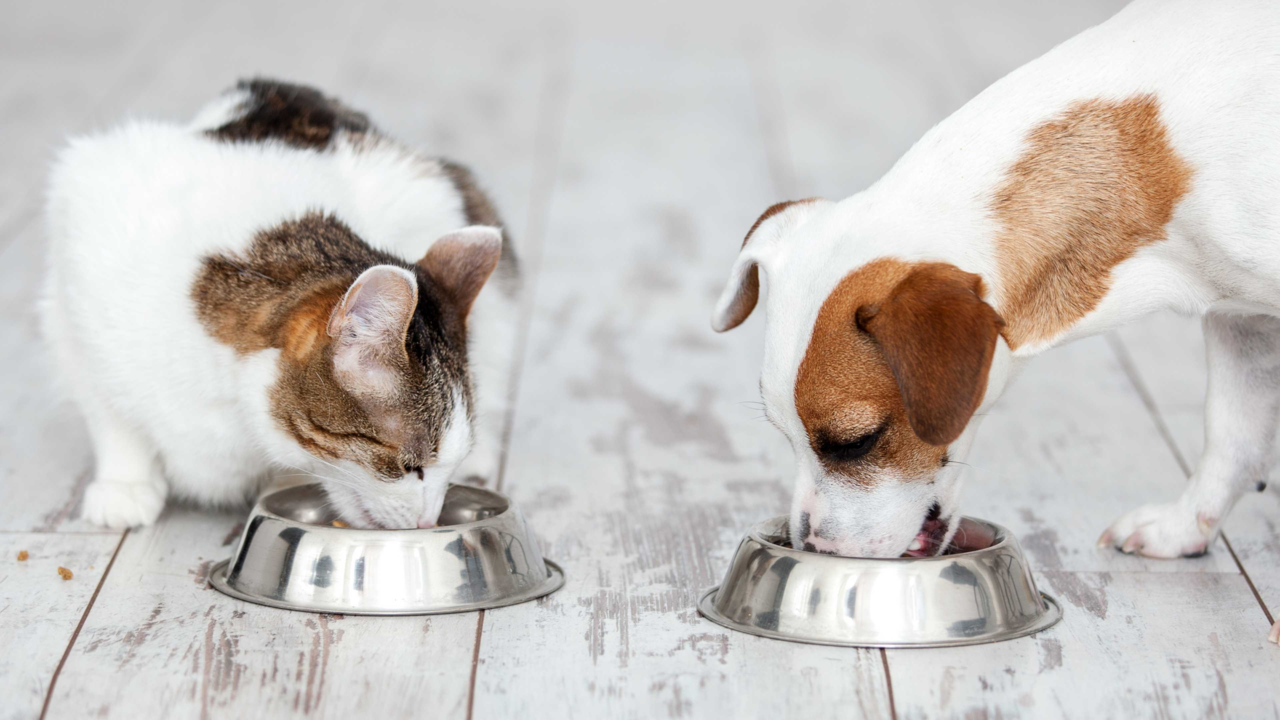
Credit: petdirect.co.nz
Frequently Asked Questions
Can Cats And Dogs Eat The Same Food Safely?
Cats and dogs have different nutritional needs. Some foods are safe for both, but many are not. Always check ingredients and consult your vet before feeding shared food.
What Ingredients Are Good For Both Cats And Dogs?
Protein sources like chicken, turkey, and fish are generally safe. Avoid onions, garlic, and chocolate, as they are toxic to both pets.
Is Commercial Pet Food Suitable For Both Cats And Dogs?
Most commercial pet foods are formulated specifically for either cats or dogs. Using species-specific food ensures balanced nutrients and better health outcomes.
Can Shared Food Cause Allergies In Cats Or Dogs?
Yes, some pets may react to certain ingredients. Monitor your pet for allergic signs like itching or digestive upset after trying new foods.
Conclusion
Cats and dogs have different nutritional needs. Feeding them the same food often does not meet those needs. Some foods may be safe for both but lack key nutrients. Always choose food designed for each pet’s health. Consult your vet to find the best diet.
Keeping pets healthy means giving them proper nutrition. Both cats and dogs deserve the right food to thrive. It’s best to avoid sharing meals between them. Careful feeding helps pets live long, happy lives.