

Are you wondering if feeding your dog just once a day is enough? You want to keep your furry friend healthy and happy, but the right feeding schedule can be confusing.
What if feeding once a day is actually good—or maybe even harmful? Understanding how often to feed your dog can make a big difference in their energy, mood, and overall health. Keep reading to discover the truth about once-a-day feeding and learn what’s best for your loyal companion.
Feeding Frequency Basics
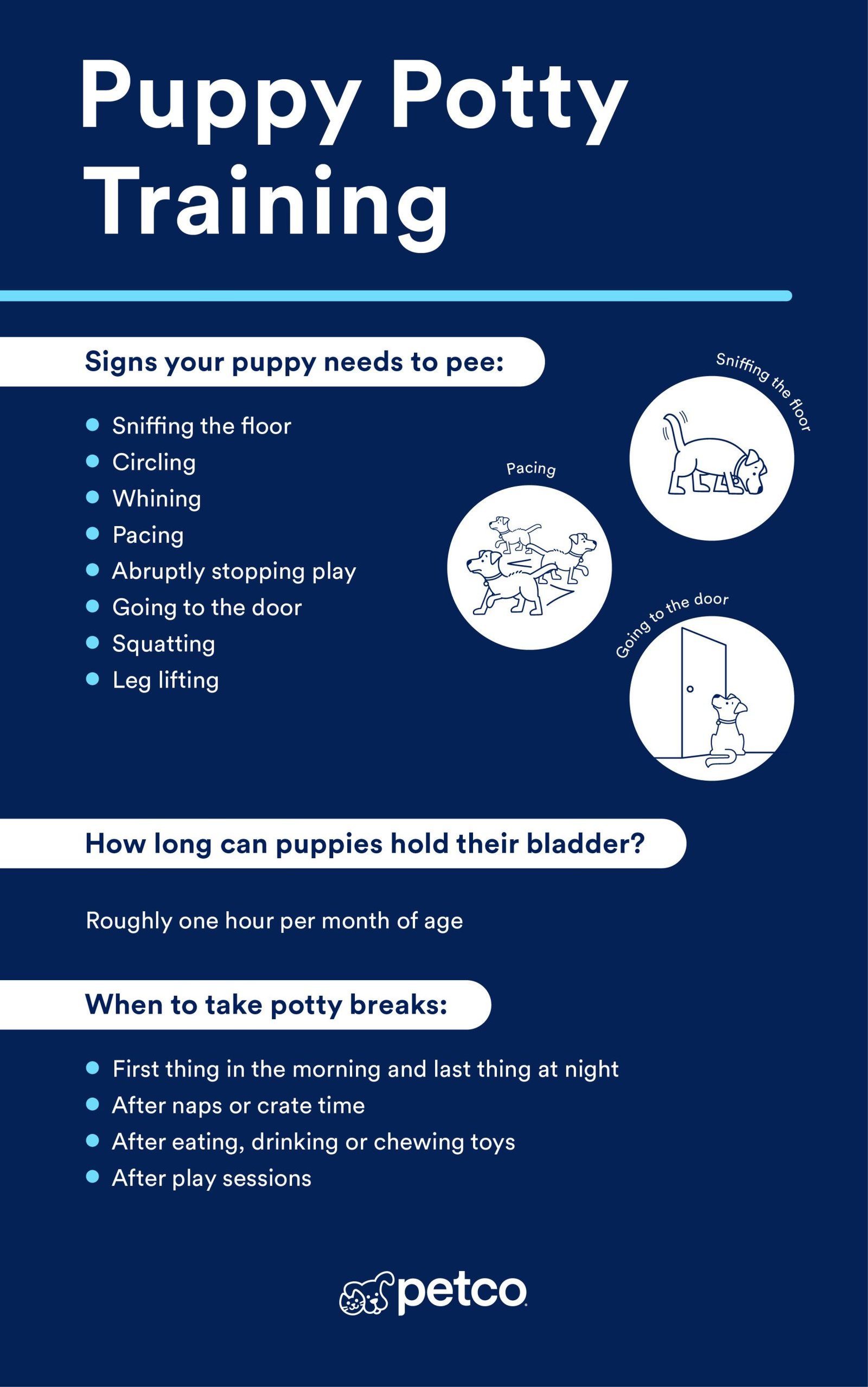
Feeding your dog the right number of meals each day is important. Dogs need a balanced schedule to stay healthy. The feeding frequency depends on many factors. Knowing the basics helps you make the best choice for your pet’s diet.
Typical Feeding Schedules
Most dogs eat two meals a day. Morning and evening feedings are common. Puppies often need more meals, around three to four times daily. Adult dogs usually do well with two meals. Older dogs may eat once or twice a day depending on health. Some owners try feeding once daily, but it is less common.
Factors Influencing Meal Frequency
- Age: Puppies need frequent meals. Adults and seniors need fewer.
- Size: Small breeds may require more frequent feeding than large breeds.
- Health: Dogs with certain health issues might need special meal timing.
- Activity Level: Active dogs often need more frequent meals.
- Metabolism: Some dogs digest food faster and need more meals.
Understanding these factors helps set a feeding schedule that fits your dog’s needs. Every dog is unique, so watch how your pet reacts to the feeding routine.
Credit: wefeedraw.com
Benefits Of Once-daily Feeding
Feeding your dog once a day has certain benefits that many owners find useful. It can simplify daily routines and may support your dog’s health in some ways. Understanding these advantages helps decide if this feeding schedule suits your pet and lifestyle.
Convenience For Owners
Feeding once daily saves time and effort. Preparing one meal is quicker than multiple feedings. It fits well with busy schedules or irregular work hours. This routine reduces the need to remember several feeding times. It also means less cleaning of food bowls during the day. For many, it makes dog care easier and more manageable.
Potential Health Advantages
Once-daily feeding can help regulate digestion. It may reduce the risk of bloating in some breeds. This feeding method encourages a longer fasting period, which might aid metabolism. Some dogs show better appetite control with one meal. It can also support weight management by avoiding frequent snacks. Always watch your dog’s reaction and health changes closely.
Risks And Concerns
Feeding your dog once a day might seem convenient, but it comes with several risks and concerns you should carefully weigh. Understanding these potential issues helps you make a better choice for your dog’s health and happiness. Let’s look closely at what could go wrong if you choose this feeding schedule.
Nutritional Deficiencies
Feeding once a day can make it harder to provide a balanced diet. Dogs need a steady supply of nutrients throughout the day to maintain energy and support body functions.
When meals are infrequent, there’s a risk of underfeeding or missing essential vitamins and minerals. Some dogs may eat too quickly, causing digestive problems or vomiting.
Have you noticed your dog’s energy dip or coat lose shine after switching to one meal? That could be a sign of nutritional gaps.
Behavioral Issues
Dogs fed only once daily may develop behaviors linked to hunger and anxiety. They can become overly focused on food, begging or scavenging.
This feeding pattern might also increase irritability or restlessness, especially for highly active breeds. Dogs naturally expect routine and multiple meals, which help regulate their mood.
Think about how you feel when hungry all day—your dog feels that too, which can lead to unwanted behaviors.
Health Conditions To Consider
Certain health conditions require special feeding schedules that once-a-day meals can’t support. Dogs with diabetes, digestive issues, or small breeds with fast metabolisms may struggle with long gaps between meals.
Skipping regular feeding times might cause blood sugar to drop dangerously or worsen gastrointestinal problems. Always check with your vet before changing your dog’s meal frequency.
Does your dog have any health concerns? Adjusting feeding without guidance could do more harm than good.
Credit: dogsauce.co
Breed And Age Considerations
Considering your dog's breed and age is crucial when deciding how often to feed them. Different dogs have unique nutritional needs that can affect their health and energy levels. Paying attention to these factors helps you create a feeding schedule that supports their well-being.
Puppies Vs. Adult Dogs
Puppies need more frequent meals because they grow rapidly and have smaller stomachs. Feeding them once a day can cause low energy and slow growth. Most puppies do best with three to four small meals daily to maintain steady energy and proper nutrition.
Adult dogs can often manage well on one or two meals a day, depending on their lifestyle and health. If your adult dog is very active, they might benefit from two meals to keep energy levels stable. Watching their weight and energy after switching feeding routines can tell you if the schedule suits them.
Large Vs. Small Breeds
Large breeds have slower metabolisms but require more food overall. Feeding them once a day might lead to discomfort or digestive issues like bloating. Splitting their food into two meals reduces these risks and keeps digestion smooth.
Small breeds burn energy faster and need more frequent feeding to avoid blood sugar drops. One meal a day might not provide enough fuel, making them restless or irritable. Giving smaller meals more often helps keep their energy balanced throughout the day.
Have you noticed changes in your dog’s behavior or energy when adjusting their feeding times? Listening closely to their needs can help you find the best routine for their breed and age.
Expert Recommendations
Experts offer clear advice on feeding dogs once a day. Their views help pet owners decide the best feeding schedule. Understanding these recommendations supports your dog's health and well-being.
Veterinarian Perspectives
Veterinarians often suggest feeding dogs twice a day for steady energy. They warn that one meal may cause hunger spikes or digestive issues. Some vets allow once-a-day feeding for adult dogs with no health problems. Puppies and active dogs usually need more frequent meals. Regular vet check-ups can guide the best feeding plan for your dog.
Nutritionist Guidelines
Pet nutritionists stress balanced meals spread through the day. They say this helps maintain metabolism and nutrient absorption. Feeding once a day may risk overeating or nutrient gaps. Small, frequent meals often improve digestion and energy levels. Nutritionists recommend adjusting feeding based on your dog’s age, size, and activity.
Signs Your Dog Needs More Meals
Knowing the signs that your dog needs more meals helps keep them healthy. Some dogs may not get enough food from one meal a day. Watch their behavior and body for clues. Acting early prevents problems like low energy or weight loss.
Hunger Indicators
- Your dog stares at you during meal times.
- They beg for food more often than usual.
- Excessive licking of lips or the floor.
- Restlessness or pacing around feeding areas.
- Weight loss despite eating the full meal.
Energy Levels And Behavior
- Frequent tiredness or lack of playfulness.
- Unusual irritability or whining for no reason.
- Difficulty concentrating during training sessions.
- Showing signs of weakness or slower movement.
- Sleeping more than normal for their age.
Alternatives To Once-daily Feeding
If you’re wondering whether feeding your dog once a day is the best choice, it helps to know there are other ways to manage their meals. Different feeding schedules can impact your dog’s energy, digestion, and overall happiness. Let’s look at some alternatives that might fit better with your dog’s needs and your lifestyle.
Split Meals
Splitting your dog’s daily food into two or more smaller meals can improve digestion and prevent hunger between feedings. Many dogs do well with morning and evening meals, which can help regulate their metabolism and energy levels throughout the day.
I noticed my dog was more alert and less anxious after switching to two meals instead of one big portion. It also gives you a chance to monitor their appetite and health closely. Have you tried breaking up your dog's meals to see if it changes their behavior or digestion?
Free-feeding Options
Free-feeding means leaving food out so your dog can eat whenever they want. This works best for dogs who self-regulate their eating and don’t tend to overeat. It can reduce stress around meal times and let your dog eat at their own pace.
However, free-feeding isn’t ideal for all dogs. If your dog tends to gobble food or gain weight easily, this method might cause problems. Observing your dog's eating habits can help you decide if free-feeding is a practical option for you.

Credit: mypetsroutine.com
Tips For Transitioning Meal Frequency
Changing your dog's meal frequency requires care and attention. Sudden shifts can upset their digestion and routine. Moving from multiple meals to once a day is doable but takes patience and observation.
Gradual Changes
Start by slowly adjusting the meal times. If your dog eats twice a day, try feeding a little less during each meal over several days.
This helps their stomach get used to fewer, larger meals. You might move from two meals to one and a half, then finally to one full meal.
Keep the quality of food consistent to avoid confusion in their system. Have you noticed how your dog reacts to changes in portion size?
Monitoring Your Dog's Response
Watch for signs of discomfort or changes in behavior after meals. Look for vomiting, diarrhea, or lethargy as red flags.
Also, observe their energy levels throughout the day. If your dog seems restless or overly hungry, it may be time to adjust meal size or frequency again.
Keeping a simple food diary can help track how your dog responds. Have you tried noting down meal times and reactions to spot patterns?
Frequently Asked Questions
Is Feeding Dogs Once A Day Healthy?
Feeding dogs once a day can be healthy for some adult dogs. It depends on their age, breed, and health. Puppies and active dogs usually need more frequent meals for energy. Always consult your vet before changing your dog’s feeding schedule.
What Are Risks Of Feeding Dogs Once Daily?
Feeding dogs once daily may cause hunger or digestive issues. Some dogs may become overweight or develop low blood sugar. It can also lead to behavioral problems like begging or aggression. Monitor your dog’s health and behavior carefully if you choose this schedule.
How Does Once-a-day Feeding Affect Dog Energy?
Once-a-day feeding can cause energy dips between meals. Dogs may feel lethargic or less active if food intake isn’t balanced. Splitting meals helps maintain steady energy and mood. Adjust feeding times and portions according to your dog’s lifestyle.
Can All Dog Breeds Eat Once A Day?
Not all dog breeds thrive on once-a-day feeding. Large, active, or working breeds often need multiple meals daily. Smaller or less active breeds may do well with one meal. Always tailor feeding plans to your dog’s specific needs and vet advice.
Conclusion
Feeding your dog once a day can work for some pets. Each dog has unique needs and habits. Watch your dog’s energy and health closely. Talk to a vet before changing feeding routines. Regular meals help keep dogs happy and strong.
Small dogs might need more frequent feeding times. Large dogs often do well with one or two meals daily. Choose the best plan that suits your dog’s lifestyle. Keep your pet’s well-being as the top priority. Simple care helps your dog live a healthy life.