
If you want your dog to learn where and when to go potty, crate training is one of the best tools you can use. It’s simple, effective, and helps your dog build good habits quickly.
But how do you start? What steps should you follow to make sure your dog feels safe and comfortable in the crate? You’ll discover easy-to-follow tips that will turn crate training into a smooth and stress-free experience for both you and your furry friend.
Keep reading to unlock the secrets to a cleaner home and a happier pup!

Credit: www.skipperspetproducts.com
Benefits Of Crate Training
Crate training offers many benefits for both dogs and owners. It creates a safe space for your dog. It also helps with potty training and behavior management. Understanding these benefits makes crate training easier and more effective.
Safety And Comfort
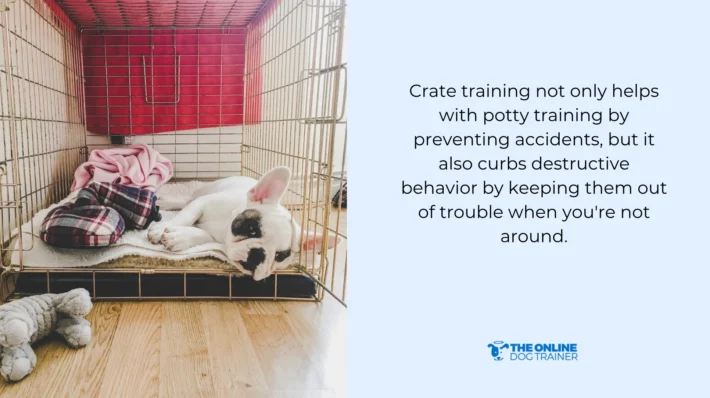
A crate gives your dog a secure place to rest. It feels like a den, which dogs naturally seek. This space reduces anxiety and stress. Your dog learns to relax and feel safe inside the crate. It protects your dog from household dangers when unsupervised.
Accelerating Potty Training
Dogs avoid soiling their sleeping area. Crate training uses this natural instinct. It helps your dog learn bladder control faster. Regular crate breaks encourage scheduled potty times. This consistency reduces accidents in the house. Potty training becomes more predictable and less stressful.
Reducing Destructive Behavior
A crate limits access to furniture and belongings. It prevents chewing and other destructive acts. Dogs stay calm and less bored inside the crate. It teaches self-control and patience. Over time, your dog learns good habits and respects boundaries.
Choosing The Right Crate
Choosing the right crate is the first step to successful potty training. The crate must be comfortable and safe. It should suit your dog's size and habits. A well-chosen crate helps your dog feel secure and calm. This makes potty training easier and faster.
Size And Material
The crate should be just big enough for your dog to stand, turn, and lie down. Too large a crate may encourage accidents inside. Too small, and your dog will feel cramped.
Choose a crate made from sturdy material like plastic, metal, or fabric. Plastic crates offer privacy and warmth. Metal crates provide better ventilation and visibility. Fabric crates are lightweight but less durable. Pick a material that fits your dog's needs and your home.
Types Of Crates
- Wire Crates:Good airflow and visibility. Often collapsible and easy to clean.
- Plastic Crates:Enclosed space for privacy. Ideal for travel and calm dogs.
- Soft-Sided Crates:Lightweight and portable. Best for calm, smaller dogs.
Select a type based on your dog's temperament and your lifestyle. The right crate type supports comfort and training success.
Location For The Crate
Place the crate in a quiet but social area. Your dog should see family activity without too much noise. Avoid busy or noisy spots that might scare your dog.
Keep the crate away from direct sunlight or cold drafts. A cozy and calm spot helps your dog relax inside. This encourages your dog to use the crate happily during potty training.
Introducing Your Dog To The Crate
Introducing your dog to the crate is the first step in successful crate training for potty habits. This process helps your dog see the crate as a safe and comfortable space. Take time and patience to make this introduction positive and stress-free. The crate should feel like a cozy den, not a place of punishment.
Making The Crate Inviting
Place the crate in a quiet, familiar area of your home. Add soft bedding or a blanket to create comfort. Use toys or treats inside to make it appealing. Keep the door open at first so your dog can explore freely. Avoid forcing your dog inside the crate.
Positive Associations
Give treats and praise when your dog approaches the crate. Feed meals near or inside the crate to build good feelings. Use a calm voice to encourage your dog while inside the crate. Avoid closing the door immediately to prevent fear. Let your dog stay as long as they want initially.
Gradual Acclimation
Start with short crate sessions while you are nearby. Slowly increase the time your dog stays inside with the door closed. Watch for signs of stress like whining or scratching. If your dog seems anxious, shorten the time and try again later. Patience helps your dog adjust at their own pace.
Establishing A Potty Schedule
Establishing a potty schedule is vital for successful crate training and potty training. Dogs thrive on routine. A clear schedule helps your dog understand when to expect bathroom breaks. This reduces accidents and builds good habits. Consistency is the key to teaching your dog when and where to go.
Feeding Times And Potty Breaks
Set specific feeding times each day. Dogs usually need to potty soon after eating. Plan potty breaks about 10 to 15 minutes after meals. This timing helps your dog connect eating with going outside. Keep feeding and potty times regular to create a natural rhythm.
Recognizing Potty Signals
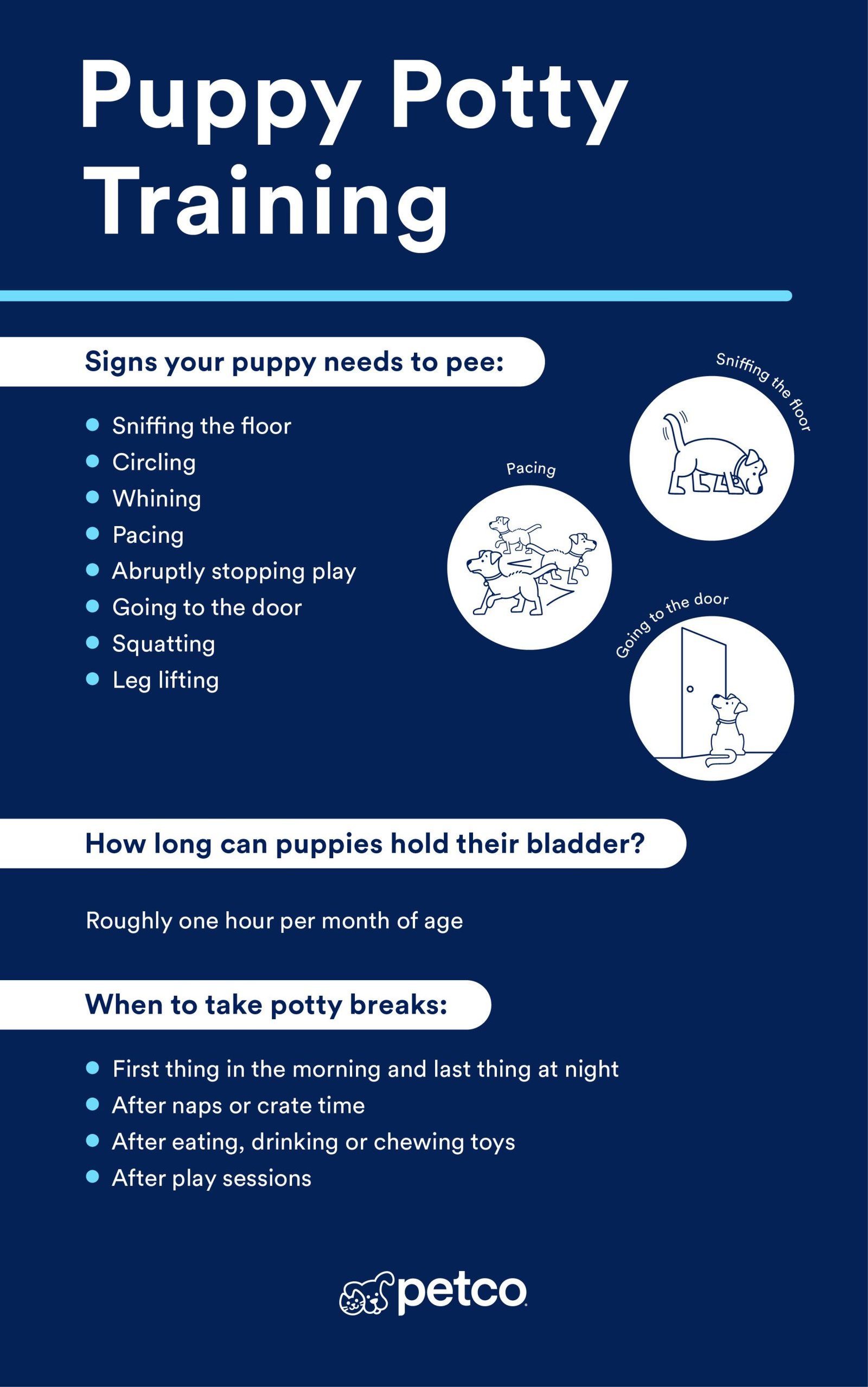
Learn to spot signs your dog needs to go. Common signals include:
- Sniffing around
- Circling
- Whining or scratching near the door
- Restlessness or pacing
Watch your dog closely. Taking action quickly prevents accidents. Responding to signals builds trust and communication.
Consistent Routine
Stick to the same schedule every day. Take your dog out first thing in the morning, after meals, and before bedtime. Frequent potty breaks are essential for puppies or new dogs. A consistent routine makes training easier and faster. Your dog will learn to expect and wait for the right time to go.
Crate Training Techniques
Crate training is a powerful tool for potty training your dog, but it requires patience and consistency. The right techniques help your dog see the crate as a safe and comfortable space, not a punishment. Below are some practical crate training techniques that can guide you through the process smoothly.
Short Crate Sessions
Start by keeping your dog in the crate for only a few minutes at a time. This helps your dog get used to the space without feeling trapped or anxious. Use treats and toys to make these short sessions positive and enjoyable.
Watch your dog's body language carefully. If they seem stressed or restless, it's a sign to shorten the session or try again later. Would you feel comfortable staying in a small space for hours without breaks? Your dog feels the same.
Extending Time Gradually
Once your dog is comfortable with short crate sessions, slowly increase the time they spend inside. Add five to ten minutes every few days, but always monitor their behavior. If your dog starts whining or scratching, you might be moving too fast.
Make sure to take your dog outside for potty breaks immediately after crate time. This reinforces the idea that the crate is part of their routine, not a punishment. Have you noticed how dogs thrive on predictable schedules?
Managing Whining And Barking
It's common for dogs to whine or bark when first crate training. However, giving in every time they make noise can teach them that whining leads to release. Instead, wait for a pause in their whining before letting them out.
Distract your dog with a chew toy or a treat inside the crate to reduce noise. Remember, ignoring the noise is tough but necessary to build good habits. How can you stay patient when your dog tests your limits?
Handling Accidents And Setbacks
Accidents and setbacks are almost inevitable during crate training for potty training. How you handle these moments can make a big difference in your dog's progress. Staying calm and consistent helps both you and your dog move forward without frustration.
Cleaning And Odor Removal
Thorough cleaning after an accident is crucial. Use an enzymatic cleaner to break down urine and eliminate odors that might attract your dog back to the same spot. Avoid ammonia-based products because their smell can confuse your dog and encourage more accidents.
Have you ever noticed how your dog seems to return to the same spot repeatedly? That’s often because the scent lingers. Cleaning well is your first defense against repeated accidents.
Avoiding Punishment
Never punish your dog for accidents in the crate. Dogs don’t connect punishment with their actions if it happens after the fact. Instead, focus on recognizing signs your dog needs to go out and reward them when they do it right.
Imagine how you’d feel if you were scolded for something you didn’t understand you did wrong. Your dog feels the same confusion, and punishment can damage the trust you’re building.
Adjusting Training Approach
If accidents keep happening, it might mean your training approach needs a tweak. Consider if the crate is too large, giving your dog space to eliminate on one side and sleep on the other. You might need to shorten the time your dog stays in the crate or increase bathroom breaks.
Sometimes, subtle changes like adjusting feeding times or watching for specific signals can speed up progress. What small change could you make today to help your dog succeed?
Transitioning Out Of The Crate
Transitioning your dog out of the crate is a crucial phase in potty training. It means your dog is ready for more freedom but still needs guidance to avoid accidents. This step requires patience and careful observation to ensure your training efforts continue to pay off.
Increasing Freedom Safely
Start by allowing your dog to spend short periods outside the crate in a confined, easy-to-clean area. Use baby gates or closed doors to limit access while still giving more space than the crate. This helps your dog learn to hold their bladder in a larger environment without overwhelming them.
Gradually extend these periods as your dog proves reliable. Never rush this process; accidents during this stage are signs to slow down. Ask yourself: Is your dog consistently asking to go outside, or are they getting confused by the new freedom?
Monitoring Progress
Keep a close eye on your dog’s behavior and potty habits during this transition. Note how often they ask to go out and watch for signs of restlessness or sniffing, which often signal a need to relieve themselves. A simple checklist or diary can help track improvements or setbacks.
Use this data to adjust your schedule and the size of the allowed area. If accidents happen, don’t punish your dog—instead, revisit earlier steps and tighten the boundaries. Staying attentive will help you catch small issues before they become bad habits.
Maintaining Training Success
Even after your dog is fully out of the crate, keep reinforcing good potty habits. Praise and reward every successful trip outside, making the behavior clear and desirable. Consistency in your routine, like regular bathroom breaks and feeding times, supports long-term success.
Consider occasional crate time as a safe space rather than just a potty training tool. This keeps the crate a positive place and can help manage your dog’s behavior during busy or stressful times. How will you celebrate your dog’s progress while keeping training steady?
Credit: theonlinedogtrainer.com
Common Challenges And Solutions
Crate training a dog for potty training can come with a few hurdles that might test your patience. Understanding common challenges and knowing how to tackle them can make the process smoother for both you and your dog. Here’s a breakdown of typical issues and practical ways to solve them.
Separation Anxiety
Many dogs feel anxious when left alone in a crate. This can lead to barking, whining, or even attempts to escape. To ease this, try leaving your dog in the crate for very short periods initially, gradually increasing the time.
Adding a favorite toy or a piece of your clothing inside the crate can comfort your dog. Also, avoid making a big fuss when you leave or return; this helps your dog see crate time as normal rather than stressful.
Reluctance To Enter The Crate
If your dog refuses to go into the crate, it might be because they see it as a punishment or unfamiliar space. Make the crate inviting by placing treats, soft bedding, or toys inside. Use positive reinforcement by rewarding your dog each time they enter willingly.
Try feeding meals inside the crate to create positive associations. Patience is key—never force your dog inside, as this can increase resistance and fear.
Inconsistent Potty Habits
Even with crate training, your dog might have accidents outside the crate. This often happens when the crate is too big or your dog’s schedule isn’t consistent. Ensure the crate size limits space enough to discourage accidents, but still allows comfortable movement.
Set a strict potty schedule with regular breaks after meals, play, and naps. Watch for signs like sniffing or circling, and take your dog out immediately. Consistency will help your dog understand where and when to go potty.

Credit: www.canadavetexpress.com
Frequently Asked Questions
How Long Does Crate Training Take For Potty Training?
Crate training usually takes 4 to 6 weeks for effective potty training. Consistency and patience speed up progress. Daily routines and positive reinforcement help your dog learn faster. Every dog adapts differently, so stay consistent and monitor your pet's signals carefully.
Can Crate Training Prevent Accidents At Home?
Yes, crate training helps prevent accidents by teaching dogs bladder control. Dogs naturally avoid soiling their sleeping area. Crates create a safe space that encourages holding until potty breaks. This method promotes cleanliness and reduces stress for both dog and owner.
How Often Should I Let My Dog Out Of The Crate?
Puppies need breaks every 2 to 3 hours during the day. Adult dogs can hold longer, about 4 to 6 hours. Frequent bathroom breaks prevent accidents and reinforce potty training. Ensure your dog gets exercise and social time outside the crate.
What Size Crate Is Best For Potty Training?
Choose a crate just large enough for your dog to stand and turn. Too big crates may encourage soiling in one corner. The right size helps your dog learn bladder control. Adjust the crate size as your puppy grows.
Conclusion
Crate training helps with dog potty training. It builds good habits. A crate offers comfort and safety. Dogs learn boundaries and routine. Consistency is key. Praise their successes. Patience is essential. Gradual progress is normal. Keep sessions positive and short.
Dogs respond to rewards and affection. Crate training strengthens your bond. It ensures a happy, healthy pet. Stick to the plan. Your efforts will pay off. Enjoy the journey with your furry friend!