If your dog has accidentally eaten onions, you might be feeling worried and unsure about what to do next. Onion poisoning in dogs can be serious, but quick and careful action can make a big difference.
You will learn simple and effective steps to treat onion poisoning at home. Knowing exactly what to do can help protect your furry friend and give you peace of mind. Keep reading to discover how to spot the signs, act fast, and support your dog’s recovery right away.
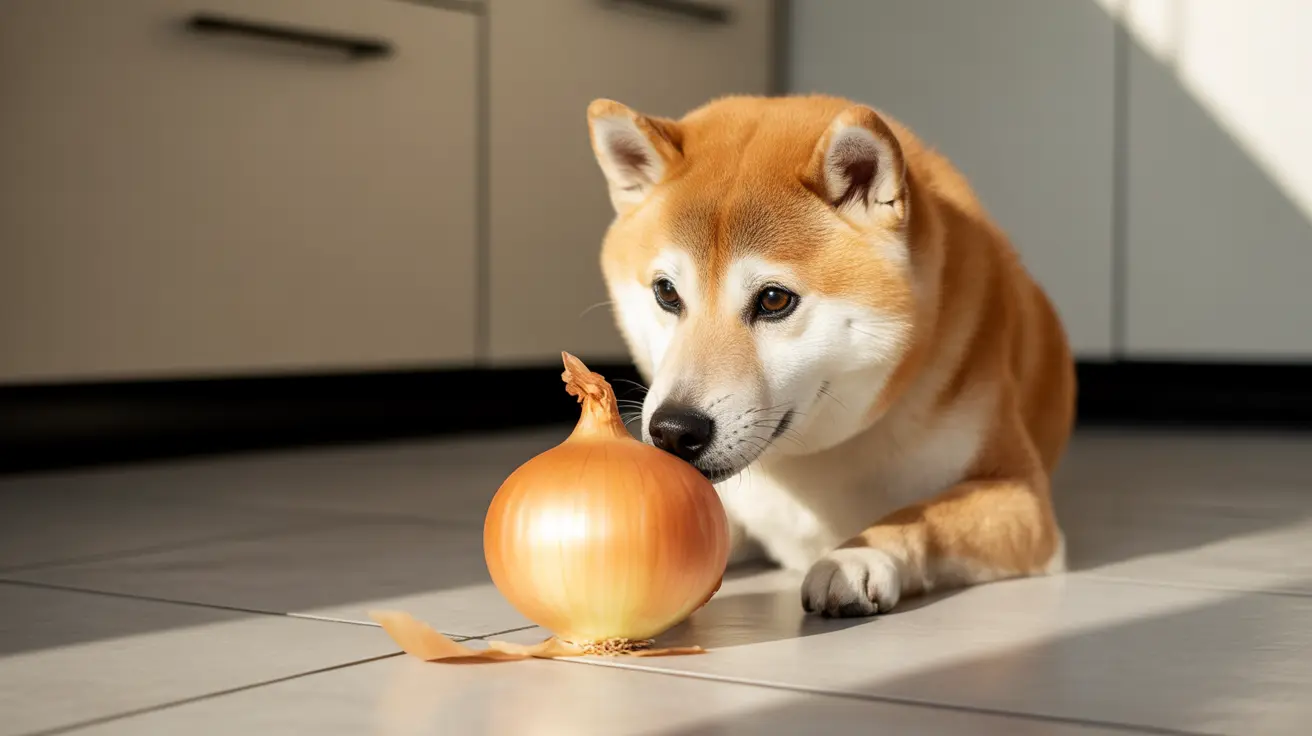
Credit: www.petscare.com
Symptoms Of Onion Poisoning
Recognizing the symptoms of onion poisoning in dogs is crucial for prompt and effective home treatment. Dogs can react differently to onion ingestion, and catching the signs early can make a significant difference in their recovery. Knowing what to look for helps you act quickly and protect your furry friend from serious harm.
Early Signs To Watch For
Onion poisoning often starts with subtle symptoms that can easily be missed. You might notice your dog feeling tired or weak, with less energy than usual.
- Vomitingor diarrheacan appear within a few hours after eating onions.
- Pale gumsor excessive droolingmight also be early indicators.
- Some dogs may show a reduced appetite or seem unusually restless.
Have you ever seen your dog suddenly lose interest in their favorite treats? This change can signal something is wrong, so keep a close eye on their behavior after any onion exposure.
Severe Reactions
If onion poisoning worsens, your dog may develop serious health problems that require immediate attention. One of the most dangerous effects is anemia, caused by the destruction of red blood cells.
- Look for weakness, rapid breathing, or collapsein extreme cases.
- Dark-colored urineor yellowing of the skin and eyes(jaundice) can also occur.
- Your dog might exhibit a fast heartbeat or appear confused and disoriented.
Have you noticed any of these signs in your dog after they’ve eaten something suspicious? Don’t wait—these symptoms demand quick action to prevent lasting damage.
Immediate Actions To Take
Acting quickly is crucial when treating onion poisoning in dogs. Immediate steps can help reduce the risk of serious harm. Your focus should be on stopping further onion exposure and getting professional advice fast.
Removing Access To Onions
First, take away all onions and foods containing onions from your dog's reach. Check areas like the kitchen, trash bins, and dining tables. Make sure your dog cannot find any hidden onion pieces. This prevents more onion ingestion, which worsens poisoning.
Clean up any onion crumbs or residue on the floor or counters. Use a damp cloth to wipe surfaces your dog can reach. Store onions in sealed containers or high places out of your pet’s reach. This step is vital to stop the poisoning from progressing.
Contacting A Veterinarian
Call your vet immediately to report the onion ingestion. Describe how much onion your dog ate and when it happened. Share your dog's size, breed, and any symptoms noticed. This information helps the vet assess the situation quickly.
Follow the vet’s instructions carefully. They may guide you to induce vomiting or bring your dog in for treatment. Avoid giving any home remedies unless the vet advises. Prompt professional care is essential for your dog’s recovery.
Home Treatment Methods
Onion poisoning in dogs needs quick and careful attention at home. Immediate care helps reduce harm before veterinary help arrives. Understanding safe home treatment methods is key to protecting your dog’s health. Follow these steps to manage mild cases safely and support your dog’s recovery.
Inducing Vomiting Safely
Inducing vomiting can remove onion toxins from your dog’s stomach. Use this method only if the onion was eaten within the last two hours. Avoid this if your dog is unconscious, weak, or having seizures.
- Give 3% hydrogen peroxide orally using a syringe or dropper.
- Use 1 teaspoon per 10 pounds of body weight, not exceeding 3 tablespoons.
- After giving hydrogen peroxide, walk your dog gently to help vomiting.
- If vomiting does not occur within 15 minutes, do not repeat without vet advice.
Always watch your dog during this process. Contact a vet immediately if vomiting fails or symptoms worsen.
Hydration And Diet Adjustments
Keeping your dog hydrated is crucial after onion poisoning. Water helps flush toxins from the body. Offer fresh, clean water often but in small amounts to prevent vomiting.
Adjust your dog’s diet to support healing:
- Feed bland foods like boiled chicken and rice in small, frequent meals.
- Avoid fatty, spicy, or rich foods that may upset the stomach.
- Provide easily digestible food until your dog fully recovers.
Monitor your dog’s appetite and hydration closely. Seek veterinary care if symptoms continue or worsen.
Monitoring Your Dog's Condition
Monitoring your dog’s condition closely after suspected onion poisoning is essential to catch any serious symptoms early. Your vigilance can make a huge difference in how well your dog recovers at home. Let’s focus on two critical areas: checking for anemia and tracking behavior changes.
Checking For Anemia
Onion poisoning often leads to anemia, a condition where your dog’s red blood cells are damaged. You can look for signs like pale gums—lift your dog’s lip and check the color inside. Healthy gums should be pink, not white or gray.
Other symptoms to watch for include weakness, rapid breathing, or a fast heartbeat. If your dog tires quickly during walks or seems unusually lethargic, these could be red flags. Keep a simple daily log of these signs to share with your vet if needed.
Tracking Behavior Changes
Behavior changes can be subtle but important clues. Watch if your dog is less interested in food, hides more often, or seems unusually irritable or confused. These shifts can hint at discomfort or internal issues caused by the poisoning.
Note any vomiting or diarrhea, and how often it occurs. A sudden drop in activity or reluctance to move can also indicate worsening condition. By staying alert to these changes, you can respond quickly and provide your dog the care they need.
Preventing Future Poisoning
Preventing future onion poisoning in dogs is just as important as treating it. Once your dog has experienced this, you want to make sure it never happens again. Simple changes at home can create a safer environment and give you peace of mind.
Safe Food Storage
Onions can sneak into places you might not expect, so keeping them out of your dog’s reach is crucial. Store onions and foods containing onion powder in sealed containers and high cabinets. Avoid leaving food scraps or peelings where your dog can get them.
Think about your kitchen trash too. Use a covered bin or keep it inside a cabinet. If you cook with onions often, clean up immediately—don’t leave onion bits on countertops or floors.
Educating Family Members
Everyone in your household needs to understand how dangerous onions are for dogs. Kids, especially, might not realize that certain foods can harm pets. Talk openly about which foods to avoid sharing with your dog.
Consider creating a simple list of “safe” and “unsafe” foods and post it somewhere visible, like on the fridge. This helps visitors and family members remember what’s off-limits. Have you ever noticed how easy it is to forget when guests bring treats? A reminder can prevent accidental mistakes.

Credit: www.petscare.com

Credit: www.tasteofthewildpetfood.com
Frequently Asked Questions
What Are The Symptoms Of Onion Poisoning In Dogs?
Symptoms include vomiting, diarrhea, weakness, and pale gums. Dogs may also show rapid breathing and lethargy. Early detection is crucial for effective treatment and recovery.
How Quickly Does Onion Poisoning Affect Dogs?
Onion poisoning symptoms usually appear within 24 hours. Severity depends on the amount ingested and the dog's size. Immediate action is important to prevent serious health issues.
Can I Treat Onion Poisoning In Dogs At Home Safely?
Mild cases may be managed at home with vet guidance. Induce vomiting only if advised by a professional. Always consult your vet to ensure proper care and avoid complications.
When Should I Contact A Vet For Onion Poisoning?
Contact your vet immediately if your dog shows symptoms. Severe cases require professional treatment to prevent anemia and organ damage. Early veterinary care improves recovery chances.
Conclusion
Caring for your dog is crucial. Onion poisoning can be serious. Immediate action helps prevent complications. Watch for symptoms like vomiting or weakness. Remove onions from their diet. Provide fresh water and rest. Consult your vet for guidance. Quick treatment ensures safety and recovery.
Your dog’s health matters. Stay informed and vigilant. Keep harmful foods away. Love and care lead to a happy, healthy pet. Remember, prevention is key.