Is your dog turning your favorite shoes or furniture into chew toys? It’s frustrating, right?
You want to enjoy your home without constantly worrying about what your dog might destroy next. The good news is, you can stop this behavior before it gets worse. You’ll discover simple, effective ways to teach your dog what’s okay to chew and what’s not.
Keep reading, and you’ll soon have a happier dog and a peaceful home.
Credit: theonlinedogtrainer.com
Why Dogs Chew
Understanding why your dog chews is the first step to managing and redirecting this behavior. Chewing is a natural part of a dog's life, but it can become a problem when it targets your favorite shoes or furniture. Let’s look into the real reasons behind this habit to help you handle it better.
Natural Instincts
Chewing is deeply rooted in a dog’s nature. Dogs use their mouths to explore the world, just like humans use their hands. This instinct helps them relieve stress and keep their jaws strong.
Think about how dogs in the wild chew on bones to clean their teeth and get nutrients. Your pet’s chewing is a way to fulfill this natural urge, not just a bad habit.
Boredom And Anxiety
Dogs need mental and physical exercise. Without it, they get bored or anxious, which often leads to destructive chewing. If your dog starts chewing when you leave the house, it could be a sign of separation anxiety.
You might notice chewing increases during thunderstorms or fireworks, when dogs feel scared and stressed. Providing toys or puzzles can keep their minds busy and reduce chewing caused by boredom.
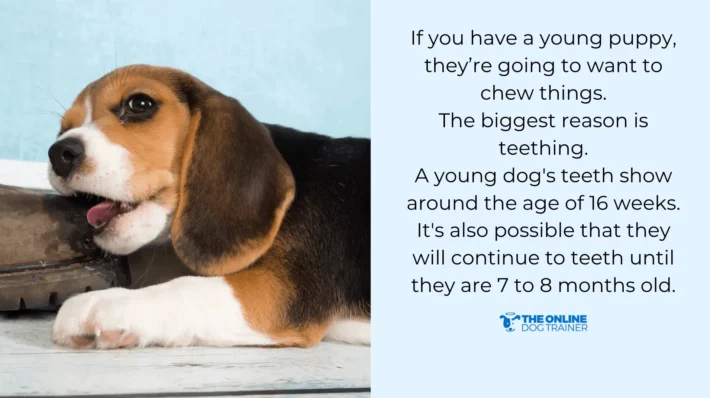
Teething In Puppies
Puppies chew because their gums hurt while new teeth come in. This phase can be painful and frustrating for them. Offering safe chew toys can soothe their discomfort and protect your belongings.
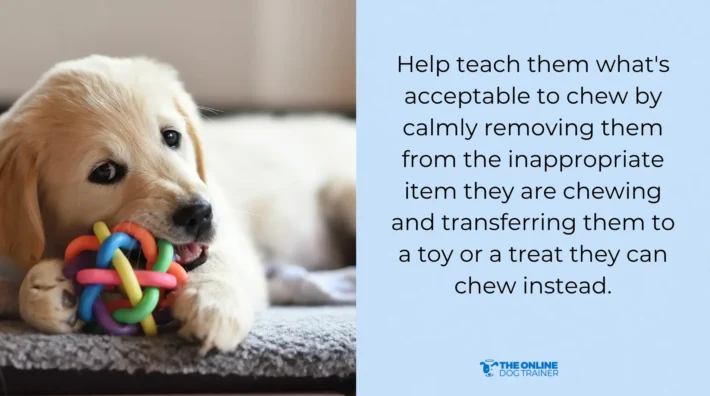
Watch your puppy closely during teething. If you catch them chewing on something inappropriate, gently replace it with a toy to teach what’s okay to chew.
Seeking Attention
Sometimes dogs chew just to get your attention. If you react strongly—yelling or chasing them—they learn that chewing is a way to make you focus on them. This can make the problem worse.
Try giving attention when your dog is calm and playing with toys instead of when they’re chewing on things they shouldn’t. Positive reinforcement encourages better behavior.
Common Items Dogs Chew
Dogs chew on a variety of items around the house, often choosing things that surprise their owners. Understanding what your dog likes to chew can help you protect your belongings and redirect their energy in a positive way. Let’s look at some of the most common items dogs tend to chew on.
Furniture And Household Items
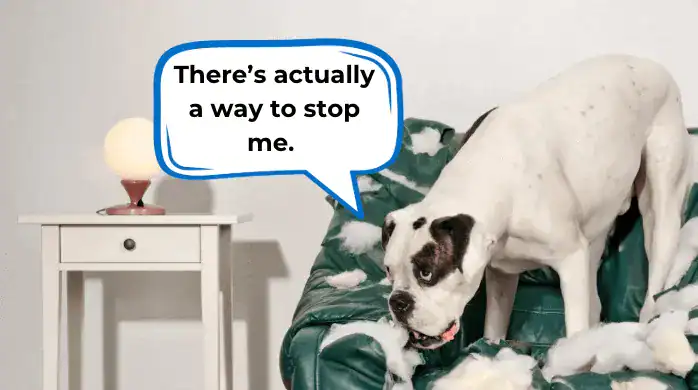
Furniture often becomes a target, especially for puppies or anxious dogs. Wooden chair legs, table corners, and even couch cushions can suffer damage. If your dog is chewing on these, it might be a sign they need more mental or physical stimulation.
Have you noticed your dog chewing on a specific piece of furniture? Try offering a chew toy nearby and reward them when they use it instead. This simple swap can save your furniture and teach your dog what’s okay to chew.
Shoes And Clothing
Shoes are a classic favorite for many dogs. The smell of your feet and the texture of shoes make them irresistible. Clothing items like socks and shirts also often disappear mysteriously.
If your shoes are constantly disappearing, think about storing them out of reach. Giving your dog a special toy with your scent can satisfy their need to chew on something familiar without ruining your belongings.
Electrical Cords
Electrical cords are dangerous but surprisingly attractive to some dogs. The texture and movement of cords can trigger their chewing instinct. This is a serious safety concern for both you and your dog.
Have you considered using cord protectors or bitter sprays? These solutions can keep cords safe while deterring your dog from chewing. Always supervise your dog closely when cords are accessible.
Toys And Personal Belongings
Dogs often chew their own toys, but they can also go after your personal items like books, remote controls, or even your kids’ toys. Sometimes, dogs confuse these with their own toys or chew out of boredom.
Keep your personal belongings out of reach and provide a variety of dog-safe toys. Rotate the toys regularly to keep your dog interested and prevent boredom-driven chewing on your things.
Preventing Destructive Chewing
Stopping a dog from chewing things they shouldn't starts with prevention. Destructive chewing can damage your home and hurt your dog's health. Preventing this behavior helps keep your dog safe and your belongings intact.
Providing Appropriate Chew Toys
Give your dog toys made for chewing. These toys satisfy their natural urge to chew. Choose toys that match your dog's size and chewing strength. Rotate toys often to keep your dog interested. Praise your dog when they chew the right items. This encourages good chewing habits.
Creating A Safe Environment
Remove items your dog likes to chew on from their reach. Keep shoes, cords, and small objects out of the dog's space. Use baby gates or closed doors to limit access to certain rooms. A safe environment reduces chances for unwanted chewing. It also helps your dog focus on approved toys.
Using Deterrent Sprays
Apply bitter-tasting sprays on furniture or objects your dog chews. These sprays create an unpleasant taste. Dogs learn to avoid sprayed items over time. Test sprays on a small area first to avoid damage. Reapply as needed to keep the scent strong. This method works best combined with other prevention steps.
Supervision And Confinement
Watch your dog closely, especially when unsupervised chewing is common. Redirect chewing to toys when you catch them in the act. Use a crate or small room to confine your dog when you cannot watch. Make sure the space is comfortable and safe. Confinement helps prevent bad habits from forming.
Credit: theonlinedogtrainer.com
Training Techniques
Training your dog to stop chewing on things requires patience and clear guidance. Teaching proper behavior helps your dog understand what is acceptable to chew. Consistent training creates a positive learning environment.
Use these techniques to direct your dog’s chewing habits in the right way. Each method focuses on communication and rewards. This approach builds trust and encourages good behavior.
Redirecting To Chew Toys
Offer your dog a chew toy whenever it starts chewing on something wrong. Keep a variety of toys available to maintain interest. Gently take the object away and replace it with a toy.
This helps your dog learn what is okay to chew. Praise your dog when it chews the toy instead. This simple switch teaches your dog to choose toys over household items.
Positive Reinforcement
Reward your dog with treats or praise when it behaves well. Positive reinforcement strengthens good habits. Use treats immediately after your dog stops chewing on forbidden items.
Encourage your dog with kind words and petting. Avoid punishment as it may cause fear or confusion. Consistent rewards make training more effective and enjoyable for your dog.
Teaching 'leave It' Command
Train your dog to understand the "leave it" command. Start by holding a treat in your closed hand. When your dog stops trying to get it, say "leave it" and give a reward.
Practice this command with various objects. Use it to stop your dog from chewing inappropriate items. This command helps control your dog’s impulses calmly and clearly.
Consistent Routine And Commands
Use the same commands and routines every day. Consistency helps your dog remember rules better. Set specific times for play and chewing sessions.
Repeat training exercises regularly to reinforce good behavior. Everyone in the household should use the same commands. This avoids confusion and strengthens learning.
Addressing Anxiety And Boredom
Dogs often chew on things out of anxiety or boredom. When they feel restless or stressed, chewing becomes their way to cope. Understanding this behavior helps you guide your dog toward better habits and a happier life.
Increasing Exercise And Playtime
Physical activity reduces your dog's excess energy, which often leads to destructive chewing. Try adding an extra walk or a game of fetch to their daily routine. Even 15 minutes more can make a noticeable difference in their behavior.
Think about your own day—would you feel calmer and less fidgety after moving around? Your dog feels the same way. More exercise helps them release tension and focus on positive activities.
Mental Stimulation Activities
Dogs need mental challenges as much as physical ones. Simple training sessions or teaching new tricks keep their minds busy and reduce boredom. Short but frequent lessons can be very effective.
Have you noticed how your dog perks up when learning a new command? That’s mental exercise at work. It can tire them out just as much as running, helping cut down on unwanted chewing.
Using Puzzle Toys
Puzzle toys make your dog think, turning chewing into a productive task. These toys often hide treats, encouraging your dog to solve problems instead of chewing on furniture. They provide hours of entertainment.
Not sure which puzzle toy to pick? Look for ones suited to your dog’s size and skill level. Rotate different toys to keep their interest high and prevent boredom.
Seeking Professional Help
If anxiety-driven chewing persists, professional guidance can be a game changer. Trainers and behaviorists can identify specific triggers and create a tailored plan for your dog. Sometimes, anxiety needs more than just exercise and toys to improve.
Do you feel stuck despite your efforts? Consulting a professional could reveal underlying issues. Investing in expert advice often saves time and stress in the long run.

Credit: www.amazon.ca
When To Consult A Veterinarian
Knowing when to consult a veterinarian about your dog's chewing habits can save you a lot of frustration and ensure your pet's well-being. Not all chewing is normal, and sometimes it signals a deeper issue that needs professional attention. If you’re feeling stuck or worried, it’s important to recognize the signs that point toward a vet visit.
Persistent Chewing Issues
If your dog keeps chewing on things despite your best training efforts, it’s time to take a closer look. Persistent chewing that doesn’t improve with redirection or providing chew toys might indicate an underlying problem.
Ask yourself: Is the chewing getting worse or happening more often? Are valuable or dangerous items being destroyed? These are red flags that shouldn’t be ignored.
Possible Medical Causes
Chewing can sometimes be a symptom of pain, dental problems, or nutritional deficiencies. Dogs with oral discomfort might chew excessively to relieve soreness.
Conditions like anxiety or neurological issues can also cause compulsive chewing. A vet can perform a thorough check-up to rule out or identify such medical reasons.
Behavioral Therapy Options
If your vet finds that the chewing is behavioral, they can recommend therapy or medication to help your dog. Professional trainers or animal behaviorists often work alongside vets to develop a tailored plan.
Behavioral therapy might include:
- Structured exercise routines to reduce boredom
- Positive reinforcement training
- Environmental enrichment strategies
Don’t hesitate to ask your vet about these options. Getting expert help can make a big difference in your dog’s behavior and your peace of mind.
Frequently Asked Questions
How Can I Stop My Dog From Chewing Furniture?
Provide plenty of chew toys and redirect your dog's attention. Use positive reinforcement when they chew appropriate items. Puppy-proof your home by keeping tempting objects out of reach. Consistency and patience are key to changing chewing habits.
What Causes Dogs To Chew On Things Excessively?
Dogs chew due to teething, boredom, anxiety, or lack of exercise. Chewing helps relieve stress and stimulates their minds. Identifying the cause helps in choosing the right training or enrichment methods.
Are Chew Deterrent Sprays Effective For Dogs?
Yes, deterrent sprays can discourage chewing by making items taste unpleasant. Use sprays safely on non-toxic objects and combine with training. They work best when applied consistently and with positive reinforcement.
When Should I Consult A Vet About Chewing Problems?
Consult a vet if chewing is severe, sudden, or destructive. It may signal anxiety, pain, or nutritional deficiencies. Professional advice ensures appropriate treatment and behavior modification plans.
Conclusion
Training your dog to stop chewing takes time and patience. Stay consistent with your methods. Offer plenty of chew toys to redirect their energy. Praise good behavior immediately. This encourages them to repeat it. Keep tempting items out of reach.
Supervise your dog during playtime. This helps prevent accidents. Always show kindness and understanding. Chewing is natural for dogs. With the right approach, you can teach them better habits. Your efforts will lead to a happier home. Remember, patience and love go a long way.
Soon, you’ll see positive changes in your furry friend.