You love your furry friend and want to ensure she’s always healthy and happy. But what happens when you notice something unusual, like a clear jelly discharge from your female dog?
It’s natural to feel concerned and eager to understand what’s going on. You might wonder if it's normal or if it signals a health issue that needs attention. We dive into the reasons behind this discharge and guide you on how to treat it effectively.
You'll gain peace of mind and the knowledge to make informed decisions for your pet’s well-being. Stick around, because understanding these signs can make all the difference in your dog's life.
Credit: pethelpful.com
Causes Of Clear Jelly Discharge
Clear jelly discharge from your female dog can be concerning, but understanding the possible causes helps you decide when to act. This discharge may signal different conditions ranging from natural bodily functions to infections. Recognizing what triggers this symptom is key to keeping your dog healthy and comfortable.
Normal Reproductive Cycle
During your female dog's heat cycle, clear jelly-like discharge is often a normal sign. This discharge usually appears in the early stages of estrus, indicating that ovulation is approaching. If your dog is not spayed, expect this type of discharge to occur regularly every few months.
Have you noticed a pattern in your dog's discharge that matches her heat cycle? Tracking these changes can help you distinguish between normal and unusual symptoms.
Infections And Inflammation
Clear jelly discharge can sometimes indicate an infection or inflammation in the reproductive tract. Conditions such as vaginitis or uterine infections often cause this symptom. If the discharge is accompanied by foul odor, swelling, or your dog shows discomfort, a vet visit is necessary.
Ignoring these signs might lead to serious health issues. Have you checked if your dog is licking the area excessively or showing signs of pain?
Hormonal Changes
Hormonal fluctuations during pregnancy or false pregnancy can also cause clear jelly discharge. Dogs experiencing a false pregnancy may show this symptom without being pregnant. These changes result from hormonal shifts after the heat cycle.
Does your dog’s behavior change along with the discharge? Monitoring her mood and appetite can provide clues about hormonal influences.
Other Medical Conditions
Sometimes, clear jelly discharge points to other medical problems like tumors, cysts, or trauma to the reproductive organs. These issues require immediate veterinary attention and often need diagnostic tests. Early detection can make treatment more effective.
If you notice any irregular bleeding, swelling, or prolonged discharge, don’t hesitate to consult your vet. How quickly you respond to these signs can make a big difference in your dog’s recovery.
Signs To Watch For
Clear jelly discharge from a female dog can be normal or a sign of health issues. Watching for specific signs helps determine if a vet visit is needed. Pay attention to any changes in the discharge and your dog’s overall condition. Early detection can prevent serious problems.
Changes In Discharge Color And Consistency
Normal discharge is usually clear and jelly-like. Watch for changes in color such as yellow, green, or blood-tinged fluid. Thick, foul-smelling, or cloudy discharge can signal infection or other health concerns. Note any increase in the amount of discharge as well.
Behavioral Changes
Behavioral shifts often accompany health issues. Your dog may become more tired or less active. She might lick her genital area more than usual. Loss of appetite or unusual aggression can also indicate discomfort or pain.
Physical Symptoms
Look for swelling or redness near the genital area. Signs of pain or sensitivity when touched can be a warning. Fever, vomiting, or difficulty urinating are serious symptoms. These physical changes require immediate veterinary attention.
When To Consult A Veterinarian
Clear jelly discharge from a female dog is often normal during certain phases of her cycle. Still, some signs suggest a need for veterinary care. Knowing when to seek help keeps your dog healthy and prevents complications.
Watch closely for unusual changes in the discharge or your dog's behavior. Early consultation helps catch problems before they worsen.
Persistent Or Excessive Discharge
Discharge lasting longer than two weeks needs attention. Also, very large amounts of discharge can signal infection or other issues. Don’t ignore discharge that worsens or smells bad.
Accompanying Symptoms
Look for signs like:
- Fever or lethargy
- Loss of appetite
- Swelling or redness around the genitals
- Pain or discomfort
Any of these signs with discharge means a vet visit is necessary.
Age And Health Considerations
Older dogs or those with weak immune systems need extra care. Pregnant dogs or those with other illnesses should be checked promptly. Your vet can provide the best advice based on your dog’s health.
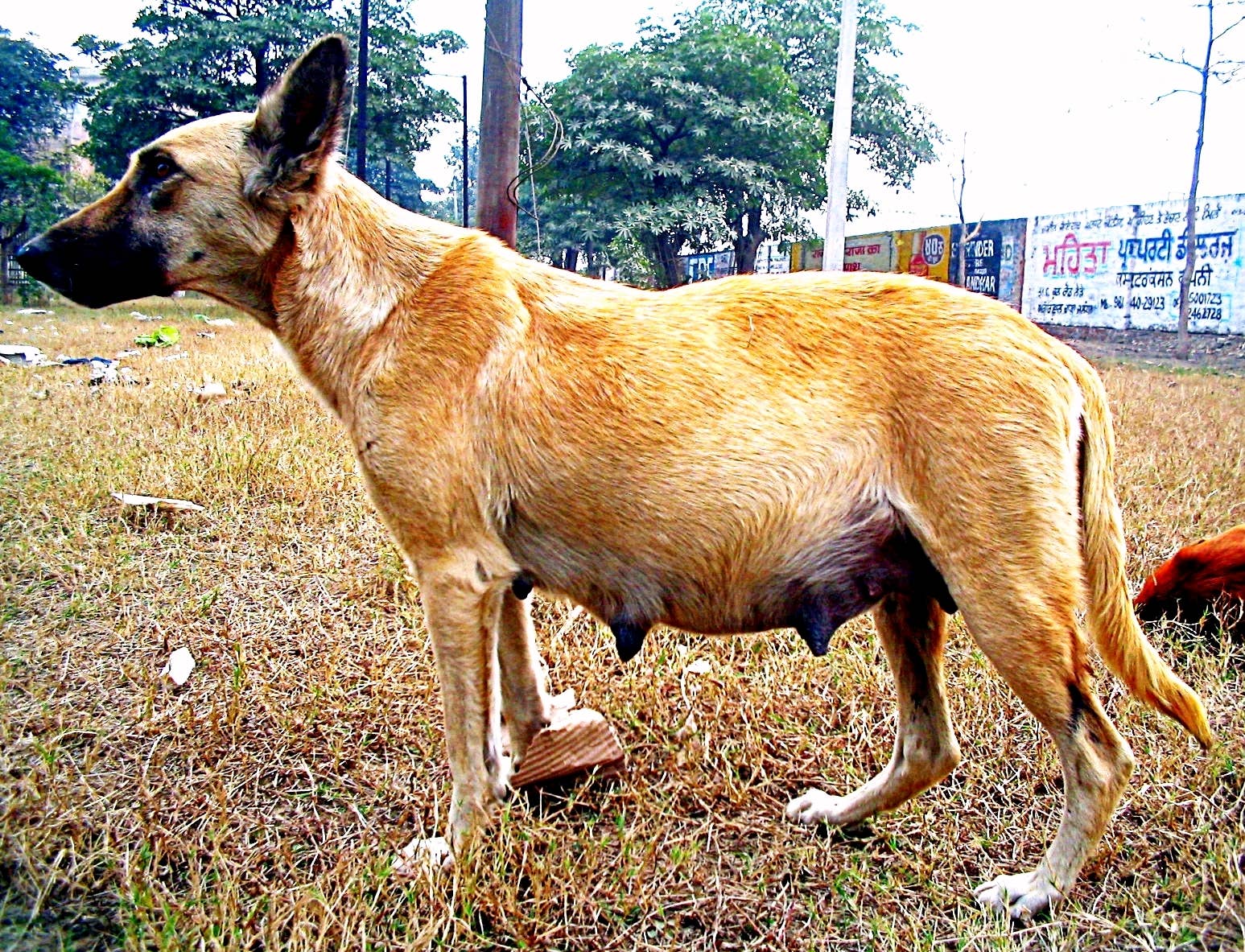
Credit: pethelpful.com
Home Care Tips
Dealing with clear jelly discharge from your female dog can be concerning. However, there are practical ways you can care for her at home to ensure she stays comfortable and healthy. Paying close attention and providing gentle care can make a significant difference in her recovery.
Maintaining Hygiene
Keeping the affected area clean is essential. Use a soft, damp cloth to gently wipe away any discharge daily. Avoid harsh soaps or chemicals that might irritate her skin.
Change her bedding frequently to prevent bacteria buildup. You might also consider using dog-safe wipes designed for sensitive skin. Cleanliness helps reduce the risk of infection and keeps your dog comfortable.
Monitoring The Discharge
Keep a close eye on the discharge’s amount, color, and smell. Clear jelly-like discharge is usually normal, but changes could signal an infection or other issues.
Note if the discharge becomes cloudy, thick, or develops a strong odor. Ask yourself: Is the discharge increasing, or does it come with other symptoms like redness or swelling? Such signs mean you should consult your vet promptly.
Providing Comfort
Your dog may feel uneasy during this time, so creating a calm environment is helpful. Offer her a quiet, cozy space away from loud noises and stress.
Gentle petting and speaking softly can reassure her. Also, make sure she has easy access to fresh water and nutritious food to support her overall health.
Veterinary Treatments
Veterinary treatments play a crucial role in managing clear jelly discharge from your female dog. This kind of discharge can be a sign of various health issues, so professional care ensures the right approach is taken. Understanding the available treatments can help you make informed decisions for your dog's well-being.
Medications
Veterinarians often prescribe medications to address infections or hormonal imbalances causing the discharge. Antibiotics are common if a bacterial infection is detected, helping to clear the issue quickly.
Sometimes, hormone therapy is recommended to regulate reproductive health. It’s important to follow the vet’s instructions carefully, as improper use can worsen symptoms or cause side effects.
Diagnostic Tests
Before starting treatment, your vet will perform diagnostic tests to find the exact cause of the discharge. These tests may include blood work, urinalysis, and vaginal cytology to check for infections or hormonal changes.
In some cases, imaging like ultrasound helps visualize the reproductive organs for abnormalities. Knowing the precise cause lets your vet tailor the treatment to your dog’s needs, improving recovery chances.
Surgical Options
When medications and tests indicate a serious problem, surgery might be necessary. Procedures such as spaying can resolve issues related to the reproductive system causing abnormal discharge.
In more severe cases, surgery may involve removing cysts or growths that contribute to the problem. It’s a big step, but sometimes it’s the best way to restore your dog’s health and comfort.

Credit: www.cuddlytails.com
Preventive Measures
Preventive measures help keep your female dog healthy and reduce clear jelly discharge risks. These steps support her reproductive system and overall well-being. Consistent care helps catch problems early.
Regular Check-ups
Schedule vet visits every six months. Vets check for infections or hormonal issues. Early detection prevents serious problems. Regular exams ensure your dog’s health stays on track.
Spaying And Reproductive Health
Spaying reduces risks of uterine infections and tumors. It stops heat cycles that cause discharge. Talk to your vet about the best time for spaying. Keeping your dog spayed promotes long-term health.
Diet And Lifestyle
Feed a balanced diet rich in vitamins and minerals. Good nutrition strengthens the immune system. Provide clean water and a clean living space. Regular exercise keeps your dog fit and healthy.
Frequently Asked Questions
What Causes Clear Jelly Discharge In Female Dogs?
Clear jelly discharge often results from normal heat cycles or mild infections. It can also indicate vaginal irritation or cysts. A vet’s evaluation helps determine the exact cause and ensures appropriate treatment.
How Can I Treat Clear Jelly Discharge Safely?
Treatment depends on the underlying cause. Mild cases may require cleaning and monitoring. Infections need antibiotics prescribed by a vet. Always consult your veterinarian before administering any medication.
When Should I See A Vet For Discharge?
Visit a vet if the discharge is persistent, foul-smelling, or accompanied by swelling. Also seek help if your dog shows discomfort, fever, or changes in behavior.
Can Clear Jelly Discharge Indicate Pregnancy In Dogs?
Yes, clear discharge can be an early sign of pregnancy. However, it is not definitive. A veterinary exam or ultrasound confirms pregnancy accurately.
Conclusion
Clear jelly discharge in female dogs needs careful attention. Watch your dog’s behavior and note any changes. Keep her clean and comfortable to prevent irritation. Regular vet visits help catch problems early. Treat any infection or health issue quickly. Proper care can keep your dog happy and healthy.
Don’t ignore unusual discharge or signs of pain. Taking small steps today protects your dog’s well-being tomorrow. Caring for your pet shows you love her. Stay alert and act fast for the best results.