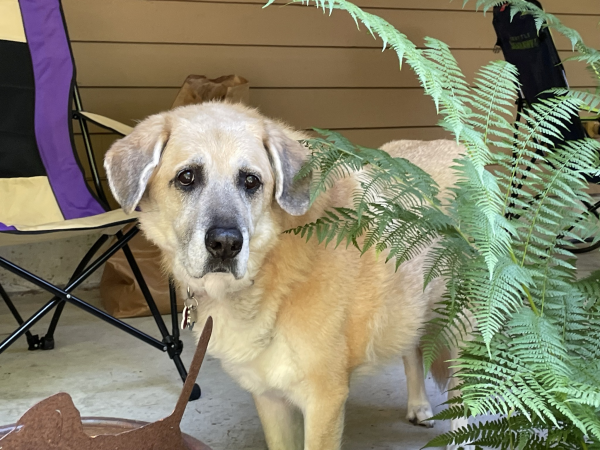

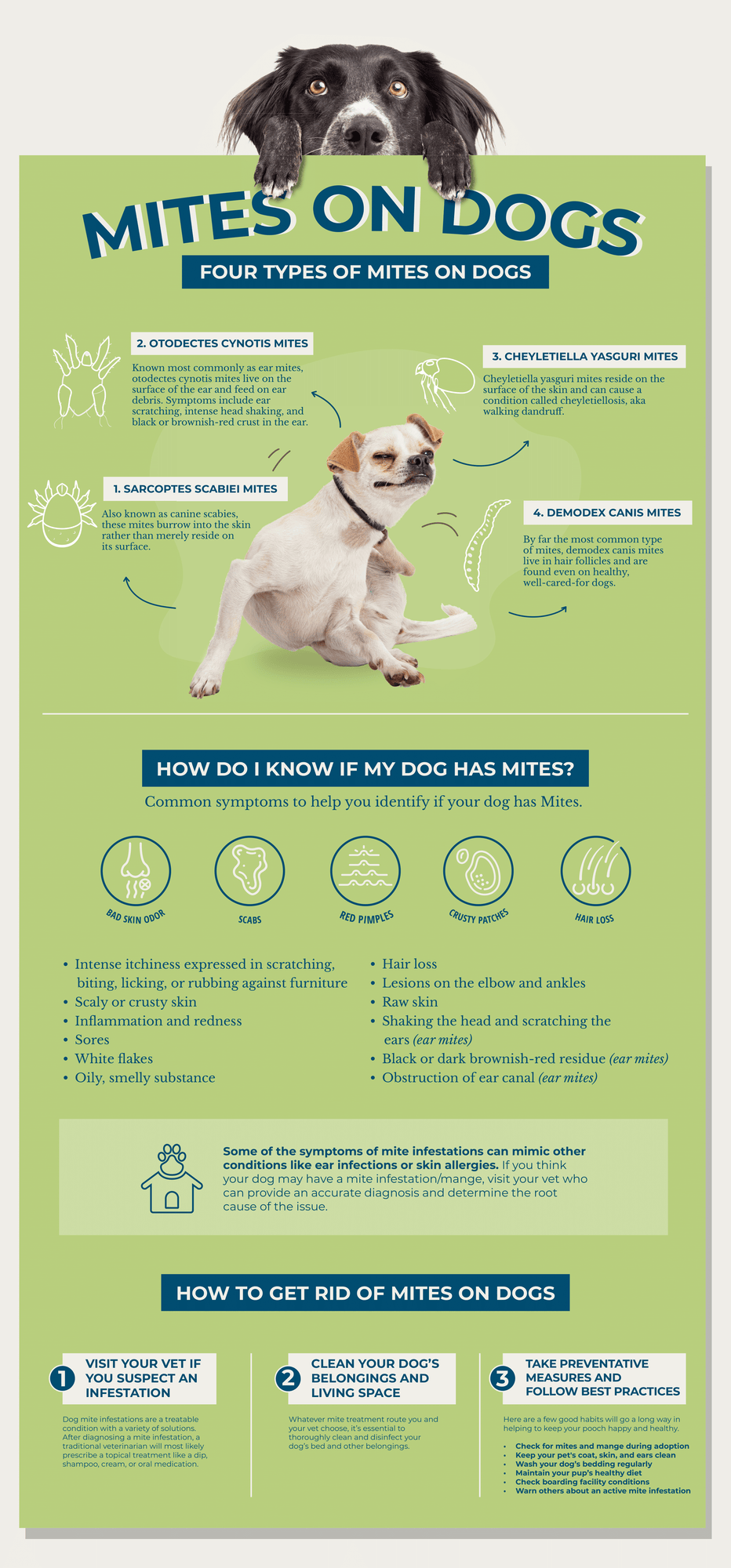
Imagine petting your beloved dog, only to notice patches of dark, thickened skin appearing out of nowhere. It's a sight that can cause concern and confusion.
You're not alone in this. Many dog owners face the bewildering challenge of black skin disease, a condition that can affect your furry friend's comfort and health. But don't worry—there are ways to tackle this problem effectively. You'll discover practical insights and proven methods to treat black skin disease in dogs.
Our guide is designed to empower you with the knowledge you need to help your pet feel better and look their best. By the end, you'll have a clear understanding of what steps to take, ensuring you can make informed decisions for your dog's well-being. Stay with us, and let's explore how you can restore your dog's healthy skin and vibrant life.
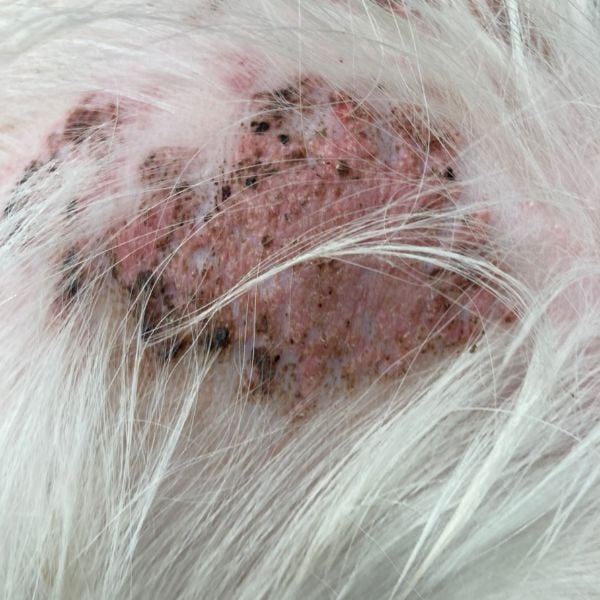
Credit: www.preventivevet.com
Causes Of Black Skin Disease
Black skin disease in dogs, also called seborrhea, causes dark, scaly patches on the skin. Understanding its causes helps with better treatment and care. Several factors can trigger this skin condition. These include genetics, environment, and health problems. Each plays a role in how the disease develops and affects your dog.
Genetic Factors
Some dog breeds have a higher risk of black skin disease. This risk comes from inherited genes. Breeds like Dachshunds, Cocker Spaniels, and Basset Hounds often show signs of this condition. Genetic traits may affect oil production in the skin. This leads to dryness, flaking, and dark patches.
Environmental Triggers
Changes in the dog’s environment can cause or worsen the disease. Harsh weather, such as cold or dry air, affects skin health. Allergens like dust, pollen, or chemicals also irritate the skin. Poor grooming and dirt build-up add to the problem. These triggers make the skin more prone to infection and discoloration.
Underlying Health Issues
Black skin disease can signal other health problems. Hormone imbalances, like hypothyroidism, often play a role. Parasites such as fleas cause constant scratching and skin damage. Bacterial or fungal infections worsen the symptoms. Treating these health issues helps clear the skin and prevent black patches.
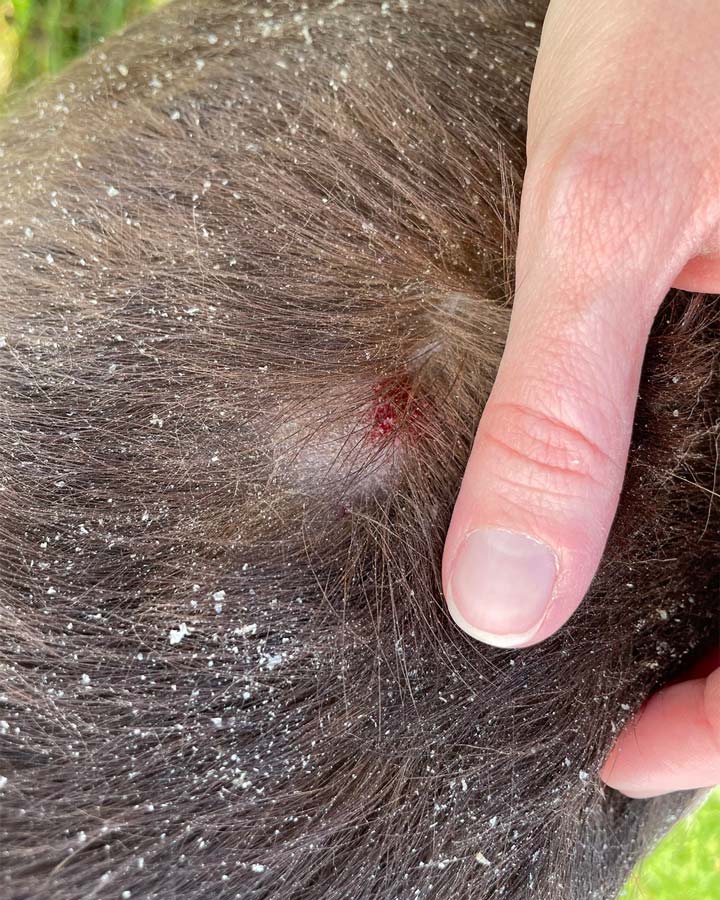
Credit: lavengel.com
Symptoms To Watch For
Recognizing symptoms early helps treat black skin disease in dogs effectively. Watch for changes in your dog's skin and coat. Notice any discomfort or unusual signs. These clues signal the need for veterinary care.
Skin Discoloration
Skin turns darker or grayish in patches. These areas may feel thicker or rough. Discoloration often appears on the belly, ears, or paws. Monitor any spreading or changes in these spots.
Itching And Irritation
Dogs with black skin disease often scratch or lick more. Their skin may look red or inflamed. Restlessness and rubbing against furniture are common. Check for sores or scabs from constant scratching.
Hair Loss Patterns
Hair may fall out in small or large patches. Bald spots often develop near discolored skin. The coat might look dull or thin over time. Track any new or growing bald areas closely.
Veterinary Diagnosis
Veterinary diagnosis is crucial to identify black skin disease in dogs accurately. A vet uses several tools and tests to understand the condition fully. Early diagnosis helps start the right treatment faster, improving your dog's health.
Physical Examination
The vet checks your dog's skin carefully for changes in color and texture. They look for signs like dark patches, hair loss, or irritation. The vet also examines other body parts to spot related problems. This hands-on check gives the vet a quick look at the disease’s impact.
Skin Biopsy
A skin biopsy involves taking a small skin sample for lab analysis. This test helps find the exact cause of the blackening skin. The vet may use local anesthesia to reduce pain during the sample collection. Lab results show if infections, allergies, or other issues cause the disease.
Blood Tests
Blood tests measure your dog’s overall health and immune response. They help rule out conditions like hormonal imbalances or infections. Blood work can reveal inflammation or other hidden problems affecting the skin. These tests support the vet in making a clear diagnosis.
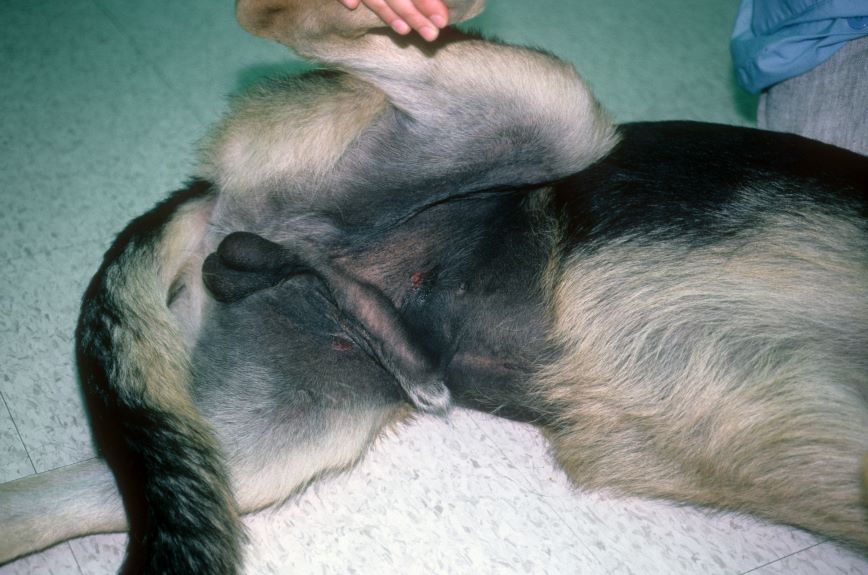
Credit: www.merckvetmanual.com
Treatment Options
Treating black skin disease in dogs requires a well-rounded approach that targets the root causes and supports your pet’s overall skin health. You want treatments that are effective yet gentle, helping your dog feel comfortable and happy. Let’s look at some practical options that can make a real difference in managing this condition.
Medications And Topical Creams
Medications often play a key role in controlling black skin disease. Your vet may prescribe antibiotics or antifungals if an infection is present. These help clear up bacterial or fungal overgrowth that can worsen the condition.
Topical creams and ointments can soothe irritation and reduce inflammation. Products containing ingredients like hydrocortisone or antifungal agents provide relief when applied directly to affected areas. Have you noticed how quickly your dog responds to these treatments? That immediate comfort is crucial for healing.
Dietary Changes
Your dog’s diet can influence skin health more than you might expect. Foods rich in omega-3 fatty acids, like fish oil, help reduce inflammation and promote healthy skin.
Switching to a hypoallergenic or limited-ingredient diet might be necessary if food allergies trigger the condition. Watch for changes in your dog’s coat and skin after adjusting their diet—you’ll often see improvement within weeks.
Supplements
Supplements support your dog’s skin from the inside out. Adding vitamins such as vitamin E and biotin can strengthen the skin barrier and improve healing.
Probiotics also benefit skin health by balancing gut bacteria, which can reduce allergic reactions. Have you ever tried supplements for your dog’s skin issues? Many owners notice a visible difference when these are part of a consistent care routine.
Home Care Tips
Managing black skin disease in dogs involves more than just medication. Home care plays a crucial role in supporting your dog's recovery and preventing flare-ups. Paying attention to daily habits can make a significant difference in your pet’s skin health.
Regular Bathing
Bathing your dog regularly helps remove dirt, bacteria, and allergens that can worsen black skin disease. Use a gentle, medicated shampoo recommended by your vet to soothe irritated skin without drying it out.
Try to keep bath time calm and stress-free; your dog’s comfort affects healing. Have you noticed how your dog’s skin looks brighter and less itchy after a bath? That’s a good sign you’re on the right track.
Proper Grooming
Brushing your dog’s coat daily helps remove dead skin and improves air circulation around affected areas. Use a soft brush to avoid irritating sensitive skin and focus on problem spots gently.
Trimming long hair around lesions can prevent moisture buildup and reduce the risk of infection. Have you checked your dog’s skin lately while grooming? Regular checks can catch problems early before they worsen.
Avoiding Allergens
Identify and minimize your dog’s exposure to allergens that trigger black skin disease. Common culprits include certain foods, pollen, dust mites, or harsh cleaning products.
Try keeping your dog’s bedding clean and using hypoallergenic detergents. Does your dog’s skin flare up after walks in certain areas? Changing walking routes might help reduce exposure to outdoor allergens.
Preventive Measures
Preventing black skin disease in dogs requires consistent care and attention. Healthy habits support your dog's skin and overall wellness. Preventive measures lower the risk of infections and skin problems.
Balanced Nutrition
Good nutrition strengthens your dog's immune system. A diet rich in vitamins and minerals helps keep skin healthy. Include foods with omega-3 and omega-6 fatty acids. These fats reduce inflammation and improve coat condition. Avoid feeding processed or low-quality dog food. Fresh water should always be available to keep skin hydrated.
Routine Vet Checkups
Regular vet visits detect skin issues early. Your vet can provide vaccines and parasite control. Early treatment prevents skin problems from worsening. Discuss any changes in your dog's skin or behavior. Routine exams keep your dog healthy and comfortable.
Stress Management
Stress weakens your dog's immune system. Calm, relaxed dogs have better skin health. Provide a safe, quiet space for your pet. Keep a consistent daily routine to reduce anxiety. Play and exercise help relieve stress naturally. Watch for signs of stress and act quickly to help your dog.
When To Seek Emergency Care
Knowing when to seek emergency care for black skin disease in dogs is critical. Some symptoms need fast attention to avoid serious harm. Watch your dog closely for changes in behavior or skin condition.
Quick action can save your dog's health and comfort. Understanding signs of danger helps you respond promptly.
Severe Skin Infections
Severe skin infections cause swelling, redness, and pain. Pus or foul odor may come from sores. These infections can worsen fast and spread to other body parts. Your dog may become very weak or stop eating. Immediate veterinary care is essential to treat infections early.
Rapid Spread Of Symptoms
Rapidly spreading black patches or sores signal a serious problem. Skin changes that move quickly can mean the disease is aggressive. Look for spreading redness, hair loss, or sores growing in size. Quick veterinary intervention can prevent further damage and discomfort.
Signs Of Allergic Reactions
Allergic reactions can happen alongside black skin disease. Watch for swelling of the face, lips, or eyes. Difficulty breathing or excessive scratching also needs urgent care. Allergies can cause severe problems and require fast treatment to protect your dog’s life.
Frequently Asked Questions
What Causes Black Skin Disease In Dogs?
Black skin disease in dogs is often caused by chronic inflammation, hormonal imbalances, or allergic reactions. Genetics and infections can also contribute. Proper diagnosis by a vet is essential to identify the exact cause and guide effective treatment.
How Can I Treat Black Skin Disease In Dogs?
Treatment involves addressing the underlying cause, such as allergies or infections. Vets may prescribe medicated shampoos, antibiotics, or hormone therapy. Regular skin care and a balanced diet support healing and prevent recurrence.
Is Black Skin Disease Contagious To Other Pets?
No, black skin disease is generally not contagious. It results from internal factors like hormones or allergies, not infections that spread between animals. However, proper hygiene and vet advice are important to manage your pet’s condition safely.
Can Diet Affect Black Skin Disease In Dogs?
Yes, a healthy diet can improve skin health and reduce symptoms. Omega-3 fatty acids, vitamins, and hypoallergenic foods help strengthen the skin barrier and reduce inflammation. Consult your vet for the best dietary plan.
Conclusion
Treating black skin disease in dogs takes patience and care. Early action helps your dog heal faster. Use gentle cleansers and keep the skin dry. Regular vet visits ensure proper treatment and check progress. Watch for changes and adjust care as needed.
Good hygiene and a healthy diet support skin health. Your dog will feel better with consistent care. Stay calm and follow your vet’s advice closely. Helping your dog stay comfortable is the top goal. Small steps make a big difference over time.