
Is your furry friend constantly scratching their ears or shaking their head? These could be signs of an ear infection, a common issue that can cause discomfort for your beloved pet.
If you're wondering how to treat a dog ear infection at home, you’re in the right place. We understand that a trip to the vet isn't always feasible, whether due to time, cost, or stress on your dog. But don’t worry, you can take effective steps right in the comfort of your home.
Dive into this guide, and you’ll discover simple, safe, and vet-approved methods to help your dog feel better fast. By the end, you'll be equipped with the knowledge to bring relief to your furry family member and ensure their ears are healthy and happy. So, let’s get started on making your pet comfortable again!

Credit: www.fitwarm.com
Symptoms To Watch For
Recognizing the symptoms of a dog ear infection early can save your pet from unnecessary pain and prevent the condition from worsening. Paying close attention to subtle changes in your dog's ears and behavior helps you take quick action. Here’s what you need to watch for to spot an infection before it gets serious.
Signs Of Discomfort
Your dog may frequently scratch or paw at their ears, which is a clear signal something is bothering them. You might also notice head shaking or tilting to one side as they try to relieve the irritation. If your dog suddenly resists having their ears touched, it could be a sign that they’re experiencing pain or sensitivity.
Changes In Ear Appearance
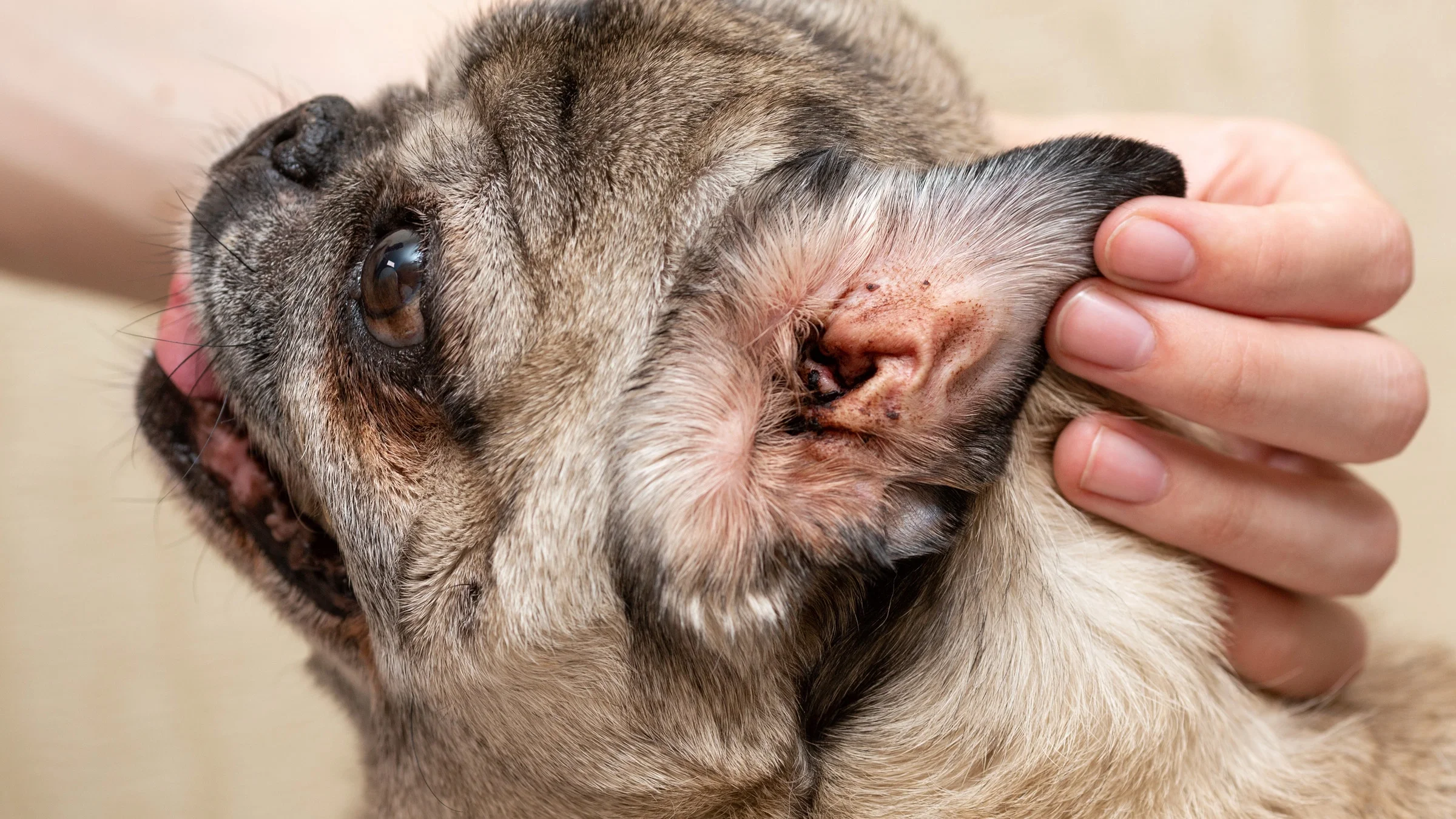
Look closely at your dog’s ears for any redness, swelling, or unusual warmth. Discharge that is yellow, brown, or has a foul smell often indicates an infection. Sometimes the ear canal may appear moist or have crusty buildup—both are red flags that need your attention.
Behavioral Clues
Does your dog seem more irritable or lethargic than usual? Ear infections can cause discomfort that affects their mood and energy levels. You might notice them rubbing their head on furniture or the floor more often, which is a subtle but important clue that something is wrong.
Common Causes Of Ear Infections
Understanding the common causes of ear infections in dogs can help you spot the problem early and treat it effectively at home. Ear infections often arise from a few typical culprits, each requiring a different approach to care. Knowing what triggers these infections allows you to tailor your treatment and prevent future flare-ups.
Bacterial Infections
Bacterial infections are a frequent cause of ear problems in dogs. These infections usually develop when bacteria enter the ear canal, often after moisture gets trapped inside. You might notice your dog shaking its head or scratching its ears more than usual.
Have you ever seen a foul odor or discharge coming from your dog’s ear? That’s a common sign of bacteria at work. Cleaning the ear gently and using a vet-approved antibacterial solution can help clear the infection.
Yeast Overgrowth
Yeast thrives in warm, moist environments, making your dog’s ears a perfect place for overgrowth. This often happens when the ear’s natural balance is disturbed, such as after swimming or bathing. Yeast infections cause itching, redness, and a dark, crumbly discharge.
Does your dog’s ear look different than usual, with a waxy build-up? That might be yeast. You can help by drying your dog's ears thoroughly and using treatments designed to reduce yeast growth.
Allergies And Irritants
Allergies are a hidden cause of many ear infections. Your dog’s ears may react to food, pollen, or even cleaning products. These allergens cause inflammation and make the ears more prone to infection.
Do you notice your dog scratching after certain meals or walks? That could indicate an allergy triggering ear issues. Identifying and avoiding the irritant is key, along with soothing the ear inflammation at home.
Home Remedies That Work
Dealing with a dog’s ear infection at home can feel overwhelming, but certain home remedies really do help ease discomfort and promote healing. You don’t always need expensive treatments to start improving your pet’s condition. With a careful approach, you can provide relief and support your dog’s recovery right from your living room.
Cleaning The Ear Safely
Start by gently cleaning your dog’s ear with a soft cloth or cotton ball dampened with warm water. Avoid using cotton swabs deep inside the ear canal—they can push debris further in or cause injury.
Focus on wiping the visible parts of the ear and removing any crust or discharge. Keep the ear dry afterward, as moisture can worsen infections. Have you noticed how some dogs resist cleaning? Patience and calmness here really make a difference.
Using Natural Solutions
Some natural solutions can help reduce inflammation and fight bacteria. Apple cider vinegar diluted with equal parts water is a popular choice, but never use it if the ear is raw or bleeding—it will sting.
Another option is coconut oil, which has antibacterial properties and can soothe irritated skin. Apply a small amount with a cotton ball, gently rubbing the outer ear. Have you tried these before? Many dog owners see real improvement with consistent, careful use.
Applying Warm Compresses
A warm compress can ease pain and reduce swelling. Simply soak a clean cloth in warm water, wring it out, and hold it gently against your dog’s ear for a few minutes.
This comfort method helps increase blood flow and promotes drainage from the ear canal. How often you do this depends on your dog’s tolerance, but even a couple of times a day can make a noticeable difference.
Credit: www.goodrx.com
When To Seek Veterinary Help
Knowing when to seek veterinary help for your dog's ear infection is crucial. While some mild infections can be managed at home, certain signs mean your pet needs professional care immediately. Ignoring these signals can lead to serious complications and prolonged discomfort for your furry friend.
Signs Of Severe Infection
Watch closely for intense redness, swelling, or discharge that smells very bad. If your dog is shaking its head violently or scratching its ears nonstop, the infection might be severe. Sudden pain or bleeding from the ear canal is a clear sign to get help right away.
Persistent Symptoms
If your dog's ear infection doesn’t improve after a few days of home treatment, it’s time to consult a vet. Continuous itching, head shaking, or discharge that lasts more than a week suggests the infection is not clearing. Sometimes, what looks like an ear infection can be a sign of an underlying allergy or other health issue that needs diagnosis.
Avoiding Complications
Untreated ear infections can cause permanent damage to your dog’s ear canal or hearing. Early veterinary intervention helps prevent painful conditions like ear hematomas or deeper infections. Have you noticed your dog tilting its head or losing balance? These could be signs the infection has spread, and delaying care can make treatment more difficult.
Preventing Future Ear Infections
Preventing future ear infections in dogs is key to keeping them healthy and happy. Regular care can stop infections before they start. Simple habits at home protect your pet’s ears from pain and discomfort. Consistent attention makes a big difference in ear health.
Regular Ear Cleaning Routine
Clean your dog’s ears often to remove dirt and wax. Use a vet-approved ear cleaner and soft cotton balls. Avoid using cotton swabs that can hurt the ear canal. Gently wipe the outer ear and visible areas inside. Check ears weekly for redness, swelling, or bad smell.
Keeping Ears Dry
Moisture in the ears creates a perfect spot for infections. Dry your dog’s ears after baths or swimming. Use a soft towel to absorb water from the ear flap and canal. Keep your dog’s ears open to air when possible. Avoid letting water or shampoo get deep inside.
Diet And Allergy Management
Food allergies can cause itchy, infected ears in dogs. Watch for signs like scratching or redness. Work with your vet to find the right diet. Consider hypoallergenic or limited-ingredient foods. Managing allergies reduces ear problems and improves overall health.
Credit: www.amazon.ca
Frequently Asked Questions
How Can I Identify A Dog Ear Infection Early?
Look for redness, swelling, odor, or discharge in your dog’s ear. Scratching and head shaking are also common signs. Early detection helps prevent severe infections and eases treatment.
What Home Remedies Treat Dog Ear Infections Safely?
Cleaning the ear with a vet-approved solution and applying natural oils like coconut oil can help. Avoid using cotton swabs or harsh chemicals to prevent damage.
When Should I See A Vet For My Dog’s Ear Infection?
If symptoms worsen or don’t improve after home care in 3-5 days, consult a vet. Severe pain, bleeding, or loss of balance requires immediate veterinary attention.
Can Diet Affect My Dog's Ear Infection Recovery?
Yes, a balanced diet supports immune health and speeds healing. Avoid allergens that may trigger infections and provide omega-3 fatty acids for anti-inflammatory benefits.
Conclusion
Treating a dog ear infection at home needs care and patience. Clean your dog's ears gently and regularly. Use only vet-approved solutions for safety. Watch for signs of worsening or no improvement. Keep your dog comfortable and avoid irritants. Consult a vet if symptoms persist or worsen.
Early care helps prevent serious problems. A healthy dog means happy ears and a happy home. Stay calm, be consistent, and care with love.