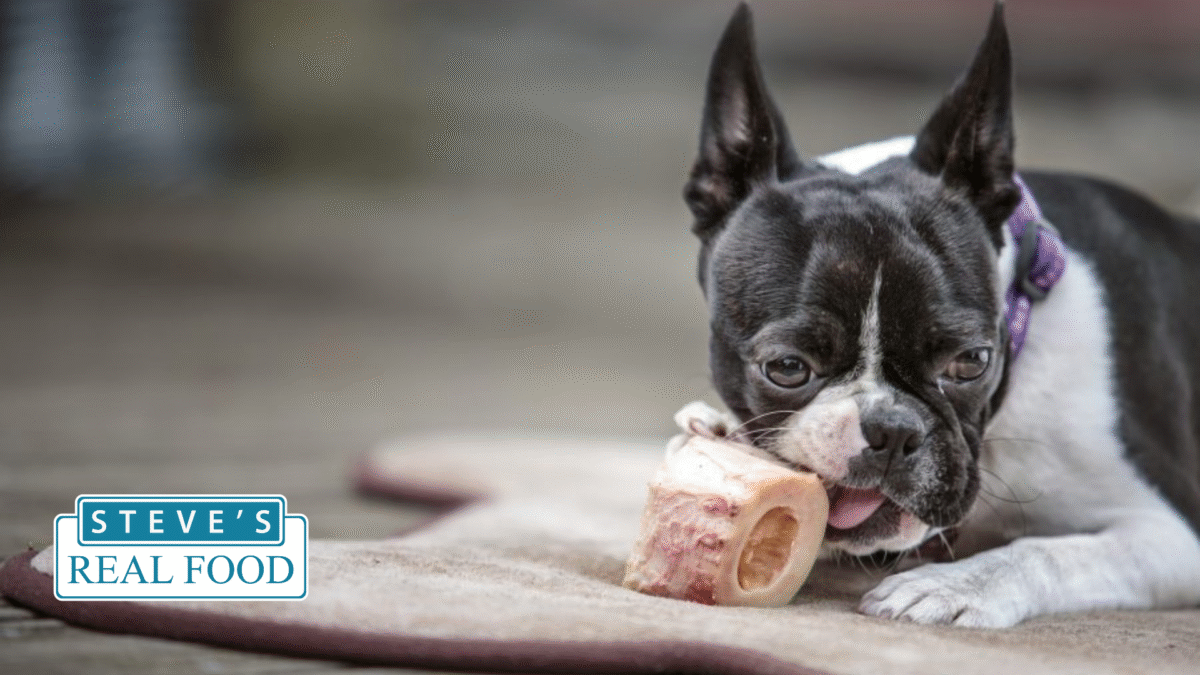
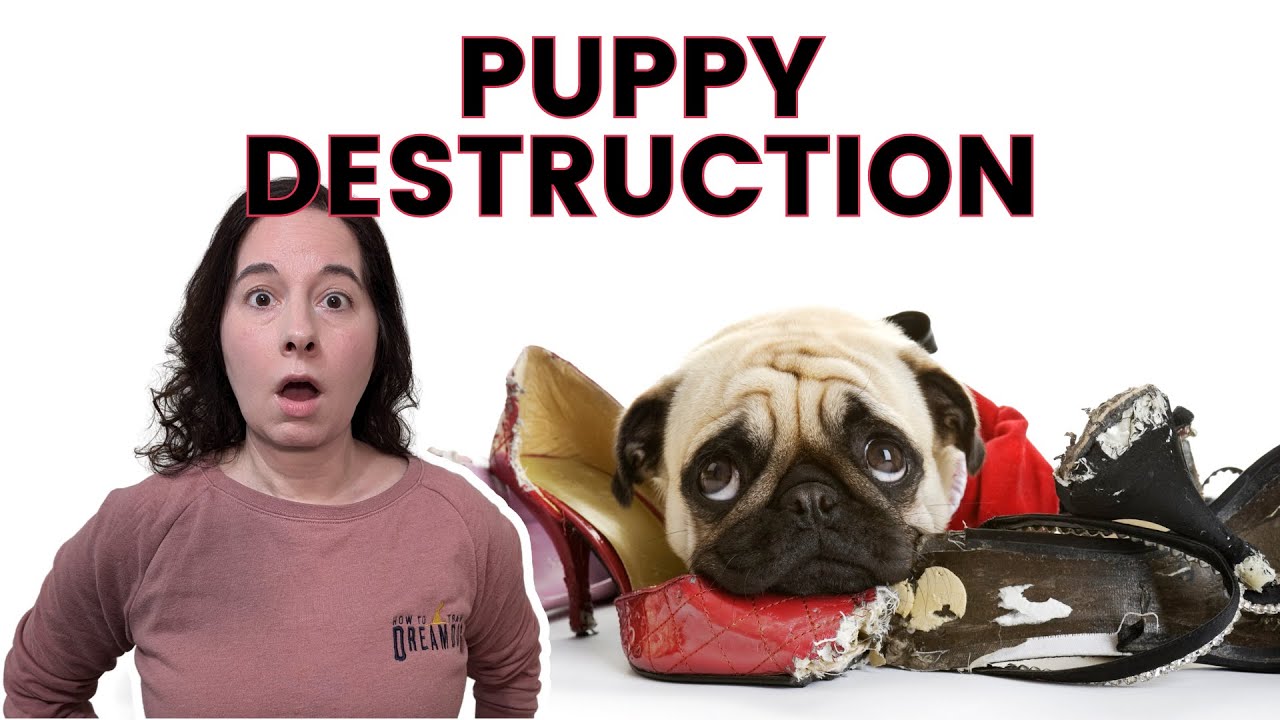
Is your dog constantly chewing on your favorite shoes, furniture, or important items? It can be frustrating and stressful to see your belongings damaged.
But don’t worry—there’s a way to stop this behavior for good. You just need the right approach and a bit of patience. You’ll discover simple, effective steps to train your dog to stop chewing on things they shouldn’t. By following these tips, you’ll protect your home and build a stronger bond with your furry friend.
Keep reading, and you’ll soon enjoy a happier, chew-free environment.
Credit: m.youtube.com
Why Dogs Chew
Understanding why your dog chews on things is the first step to stopping the behavior. Dogs don’t chew just to annoy you—they have real reasons behind it. Knowing these reasons helps you respond in a way that works for both you and your furry friend.
Natural Instincts
Chewing is part of a dog’s natural behavior. Wild dogs and their ancestors chewed to keep their teeth clean and strong. It also helped them explore the world, just like you use your hands to learn about new objects.
If your dog suddenly starts chewing on furniture or shoes, ask yourself: Is your dog trying to satisfy this natural urge? Giving them safe chew toys can redirect this instinct in a positive way.
Teething In Puppies
Puppies go through a teething phase, usually between 3 to 6 months old. During this time, their gums feel sore, and chewing helps ease the discomfort. It’s similar to how babies put things in their mouths to soothe their gums.
Have you noticed your puppy chewing more during this stage? Offering cold, soft chew toys can provide relief and protect your belongings from getting destroyed.
Boredom And Anxiety
Sometimes dogs chew because they’re bored or anxious. If your dog is left alone for long periods or doesn’t get enough exercise, chewing becomes a way to release pent-up energy. It can also be a coping mechanism for stress.
Think about your dog’s daily routine. Are they getting enough playtime and attention? Adding more physical and mental activities can reduce chewing driven by boredom or anxiety.
Identifying Chewing Triggers
Understanding why your dog chews on certain things is the first step to stopping the habit. Identifying what triggers this behavior helps you address the root cause, rather than just the symptoms. Let’s look closely at the common items your dog targets and the environmental factors that may be encouraging this chewing.
Common Household Items
Dogs often chew on objects that are easily accessible and carry interesting smells or textures. Items like shoes, remote controls, and children’s toys often become victims of a dog’s curiosity and boredom.
Think about what your dog tends to pick up most. Is it your favorite sneakers or maybe the couch cushions? Recognizing these specific items can help you keep them out of reach or replace them with suitable chew toys.
- Leather shoes and slippers
- Electrical cords and chargers
- Children’s plastic toys
- Furniture edges and cushions
- Books and papers
Environmental Factors
Sometimes, the environment plays a bigger role than you realize. Is your dog left alone for long periods? Dogs often chew out of boredom or anxiety when they don’t have enough mental or physical stimulation.
Noise, lack of exercise, or changes in routine can also increase chewing behavior. Have you noticed more chewing during thunderstorms or when guests visit? These clues are essential to creating a calmer and more engaging environment for your dog.
- Loneliness and boredom
- Stress from loud noises or unfamiliar people
- Insufficient exercise or playtime
- Changes in daily schedule or household
Providing Appropriate Chew Toys
Providing appropriate chew toys is key to stopping dogs from chewing on unwanted items. Dogs have a natural urge to chew. Giving them the right toys helps satisfy this need safely. It also protects your furniture and belongings from damage. Choosing the right toys and keeping them interesting can make a big difference in your dog's behavior.
Choosing Safe Toys
Pick chew toys made from non-toxic materials. Avoid toys that can break into small parts. Small pieces can cause choking or digestive problems. Look for durable toys that match your dog's size and chewing strength. Soft toys work for gentle chewers. Harder toys suit strong chewers better. Check toys regularly for wear and tear. Replace damaged toys to keep your dog safe.
Rotating Toys To Maintain Interest
Dogs get bored with the same toys quickly. Keep your dog engaged by rotating toys regularly. Offer a few toys at a time and swap them every few days. This keeps toys new and exciting. Rotate between different textures and shapes. This variety stimulates your dog's mind and chewing urge. A fresh toy grabs attention and reduces chewing on other objects.

Credit: www.walmart.com
Training Techniques To Discourage Chewing
Training a dog to stop chewing requires consistent and patient techniques. Dogs chew for many reasons, like boredom or teething. Teaching them which things are okay to chew helps protect your belongings. Using the right training methods guides your dog toward better habits.
Positive Reinforcement
Praise and reward your dog when it chews on allowed items. Use treats, petting, or kind words. This encourages the dog to repeat good behavior. Avoid punishment, as it can cause fear and confusion. Positive reinforcement builds trust and motivation.
Redirecting Behavior
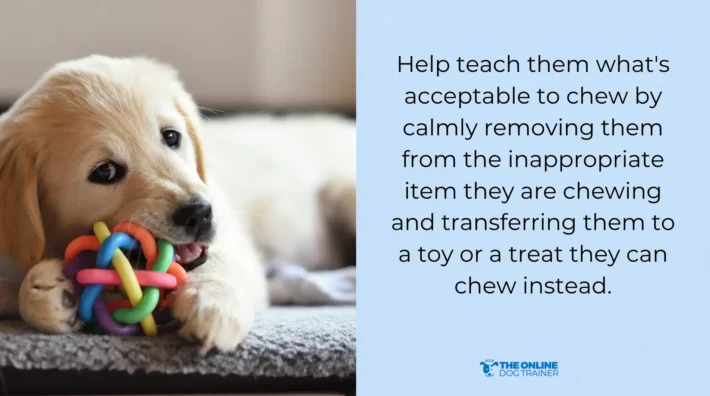
Offer a suitable chew toy when your dog starts chewing on something wrong. Gently take the item away and give the toy instead. This shows what is acceptable to chew. Keep toys nearby to make redirection easy. Consistency helps your dog learn faster.
Using Deterrent Sprays
Apply a safe, bitter-tasting spray on objects your dog likes to chew. The unpleasant taste discourages chewing. Choose sprays made for pets to avoid harm. Reapply often to keep the taste strong. This method works best combined with other training steps.
Creating A Dog-friendly Environment
Creating a dog-friendly environment helps stop unwanted chewing. It keeps your dog safe and your home intact. Dogs chew to explore and relieve stress. Providing a space that meets these needs reduces bad habits. Careful planning supports training success and happier pets.
Securing Valuables
Keep valuables out of your dog’s reach. Store shoes, remote controls, and cords in closed cabinets. Use childproof locks on drawers if needed. Clear floors of small objects that invite chewing. This reduces temptation and protects your belongings.
Designating Chewing Areas
Offer your dog special spots for chewing. Provide safe chew toys in these areas. Use mats or beds to define the space clearly. Praise your dog when chewing in the right place. This encourages good behavior and keeps chewing positive.
Exercise And Mental Stimulation
Exercise and mental stimulation play a big role in stopping your dog from chewing on things. Dogs often chew because they feel bored or have excess energy. Providing enough physical activity and mental challenges helps reduce this behavior.
Keeping your dog active and engaged prevents destructive chewing. It gives them a healthy way to use their energy and focus their minds. This makes training easier and your dog happier.
Daily Physical Activity
Daily walks are essential for your dog's health and mood. Try to walk your dog at least 30 minutes every day. Running, playing fetch, or visiting a dog park can also help burn energy.
Regular exercise reduces anxiety and restlessness. A tired dog is less likely to chew out of boredom. Make exercise a part of your daily routine for best results.
Interactive Games And Puzzles
Interactive games and puzzles challenge your dog's brain. Toys that hide treats or require problem-solving keep dogs busy. These activities help reduce chewing caused by boredom.
Try puzzle feeders, treat-dispensing toys, or hide-and-seek games. These games improve focus and mental sharpness. They also provide a fun way for your dog to spend time.
When To Seek Professional Help
Knowing when to seek professional help is important for your dog’s well-being. Sometimes, chewing is more than just a bad habit. It can signal underlying problems that need expert care.
Professional help can guide you and your dog through tough behaviors. It can also prevent damage and keep your pet safe. Understanding the signs and options helps you decide the right time to act.
Signs Of Anxiety Disorders
Excessive chewing may show anxiety in dogs. Look for these signs:
- Restlessness or pacing
- Excessive barking or whining
- Destructive behavior beyond chewing
- Loss of appetite or sudden changes in eating
- Trembling or hiding
These signs suggest your dog may need more than simple training.
Consulting A Trainer Or Veterinarian
A certified dog trainer can teach you effective ways to manage chewing. Trainers use positive methods to redirect your dog’s behavior.
Veterinarians check for medical issues causing chewing. They may recommend treatments or behavior specialists.
Combining advice from trainers and vets creates a strong plan. Early professional help improves your dog’s comfort and your home’s safety.

Credit: www.amazon.com
Frequently Asked Questions
How Can I Stop My Dog From Chewing Furniture?
Provide plenty of chew toys and redirect your dog’s attention. Use positive reinforcement when they chew appropriate items. Consistently discourage chewing on furniture with firm, calm commands. Regular exercise reduces boredom, which often causes destructive chewing.
Why Does My Dog Chew On Everything?
Dogs chew to explore, relieve boredom, or ease teething pain. Lack of exercise or mental stimulation can increase chewing behavior. Understanding the reason helps in choosing the right training and providing suitable chew toys.
What Are The Best Chew Toys For Dogs?
Choose durable, non-toxic chew toys designed for your dog’s size and chewing strength. Rubber toys, nylon bones, and interactive puzzles are excellent options. Avoid toys that can easily break and pose choking hazards.
How Long Does It Take To Train A Dog To Stop Chewing?
Training duration varies by dog and consistency. Most dogs show improvement within 2 to 4 weeks with daily, consistent training. Patience and positive reinforcement are key to long-term success.
Conclusion
Training a dog to stop chewing takes patience. Consistency is key. Use positive reinforcement. Reward good behavior with treats. Keep tempting items out of reach. Offer safe chew toys instead. Supervise your dog closely. Redirect unwanted chewing immediately. Stay calm and assertive.
Practice daily training sessions. Celebrate small victories. Over time, your dog learns better habits. You build a stronger bond together. A well-trained dog is a happy dog. And a happier home for you too.