
Is your dog barking, lunging, or growling every time you go for a walk? It’s frustrating and can even be scary for you and your furry friend.
But what if you could change that behavior? Imagine walks that are calm and enjoyable, where your dog listens to you and stays relaxed no matter what happens around you. You’ll discover simple, proven steps to train your dog to stop being reactive.
You don’t need special skills or expensive tools—just a little patience and the right approach. Keep reading, and you’ll learn how to turn stressful moments into peaceful ones for both you and your dog.
Signs Of Reactivity
Recognizing signs of reactivity in your dog is the first step to help them stay calm. Reactivity can show in many ways, and knowing these signs will guide your training efforts. Dogs do not react without a cause. Their reactions often come from fear, frustration, or overexcitement.
Watching your dog's body language closely helps you spot problems early. Reactivity is different from aggression. It usually means your dog feels overwhelmed and responds to triggers.
Common Triggers
- Other dogs or animals nearby
- People approaching or passing by
- Loud or sudden noises
- Strangers entering the home
- Fast movements or running children
- Car rides or crowded places
Behavioral Symptoms
- Barking or growling at triggers
- Pulling or lunging on the leash
- Stiff body posture or raised hackles
- Snapping or biting attempts
- Excessive panting or pacing
- Avoiding eye contact or hiding

Credit: www.youtube.com
Causes Of Reactivity
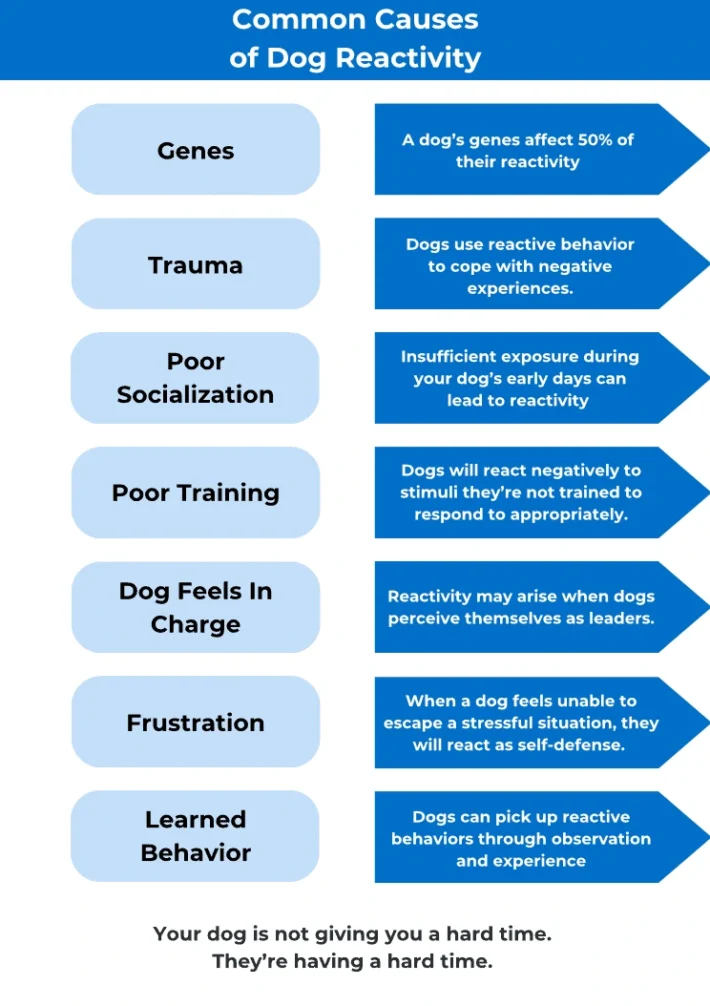
Understanding why a dog reacts strongly to certain situations helps in training them better. Reactivity in dogs often comes from deep feelings or experiences. Recognizing these causes allows for gentle and effective training methods.
Fear And Anxiety
Fear triggers many reactive behaviors in dogs. Loud noises, strangers, or new places can cause anxiety. Dogs may bark, growl, or lunge to protect themselves. This behavior is a way to feel safer in scary moments.
Lack Of Socialization
Dogs not used to meeting people or other animals often act reactive. Without early social experiences, new encounters feel strange and threatening. This can lead to fear-based reactions and difficulty staying calm in groups.
Past Trauma
Traumatic events leave lasting marks on a dog’s mind. Abuse, neglect, or accidents create fear and mistrust. These memories can cause sudden, strong reactions to specific triggers. Patience and care are needed to help heal these wounds.
Preparing For Training
Preparing your dog for training to reduce reactivity is a crucial first step that sets the tone for success. Creating the right setting and having the proper tools ready can make all the difference. Think about how you feel learning something new; your dog experiences the same need for comfort and focus.
Choosing The Right Environment
Pick a quiet, familiar place with minimal distractions to start your sessions. A calm park corner or a quiet room in your home works well. This helps your dog stay focused and less anxious.
As your dog improves, gradually add distractions to build real-world skills. Have you noticed how a noisy street can overwhelm your dog? Avoid overwhelming your dog too soon—it can backfire.
Gathering Training Tools
Gather items that support positive behavior, like high-value treats, a sturdy leash, and a comfortable collar or harness. Treats should be small, soft, and something your dog loves but doesn’t get often.
Consider having a clicker if you plan to use clicker training—it helps mark good behavior instantly. Also, a favorite toy can be a great reward and keep your dog engaged.
Having everything within arm’s reach keeps the session smooth and focused. What tools have you found work best for keeping your dog’s attention?
Basic Training Techniques
Training your dog to stay calm around triggers starts with some basic, effective techniques. These methods help your dog learn new responses by changing how they feel and react in different situations. You don’t need fancy equipment—just patience, consistency, and a bit of creativity.
Positive Reinforcement
Positive reinforcement means rewarding your dog when they show calm behavior instead of reacting. Use treats, praise, or toys that your dog loves to encourage good reactions.
For example, if your dog stays quiet when another dog walks by, immediately give a treat and say “good job.” This makes your dog want to repeat that behavior.
Think about what motivates your dog most. Is it a certain treat or a favorite game? Use that to keep their focus on you, not the trigger.
Desensitization
Desensitization involves exposing your dog to the trigger at a low intensity and gradually increasing it. This helps your dog get used to the trigger without feeling overwhelmed.
Start with something far enough away so your dog notices but doesn’t react. Reward calm behavior and slowly move closer over time.
How close can you get before your dog shows signs of stress? Keep the distance where your dog stays relaxed, then build up from there.
Counter-conditioning
Counter-conditioning changes your dog’s emotional response to a trigger from negative to positive. Pair the trigger with something your dog loves.
If your dog barks at strangers, give treats or play with a toy every time a stranger appears. Your dog will start to associate strangers with good things.
Remember, timing is key. Deliver the reward right when the trigger appears to create a strong positive link.
Advanced Strategies
Advanced strategies help reduce your dog's reactivity by improving self-control and focus. These techniques build on basic training and challenge your dog in new ways. Using these methods consistently helps your dog stay calm in distracting situations.
Impulse Control Exercises
Impulse control exercises teach your dog to pause before acting. Start with simple tasks like "stay" and "wait" during meals or doorways. Gradually increase the time your dog must wait. Use treats or toys as rewards for patience.
Try these exercises:
- Ask your dog to sit before giving a toy.
- Make your dog wait before crossing the street.
- Practice "leave it" with tempting objects on the floor.
- Use a release word to signal when your dog can act.
These exercises help your dog think before reacting. Over time, your dog learns to control sudden urges.
Focus And Attention Training
Focus training teaches your dog to pay attention to you instead of distractions. Use a clear cue like "look" or "watch me." Hold a treat near your eyes to guide your dog’s gaze. Reward your dog for keeping eye contact.
Practice focus in different places with mild distractions. Increase distractions slowly as your dog improves. Keep training sessions short and fun to keep your dog engaged.
Benefits of focus training include:
- Better communication between you and your dog.
- Reduced reactivity to triggers.
- Improved response to commands.
Focus training builds a strong bond and helps your dog stay calm in tough situations.
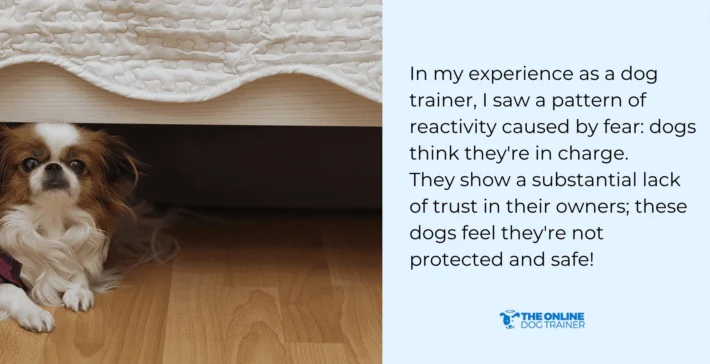
Credit: theonlinedogtrainer.com
Managing Reactivity During Walks
Managing reactivity during walks helps keep your dog calm and safe. Walks should be a positive time for your dog. Reactivity can cause stress for both of you. Learning to handle your dog properly on a leash is important. Using distance wisely can reduce triggers and avoid flare-ups. These strategies help control your dog's reactions step by step.
Proper Leash Handling
Hold the leash firmly but not too tight. Keep your arm relaxed to absorb sudden pulls. Use a shorter leash to maintain control near triggers. Avoid jerking the leash as it may increase your dog's anxiety. Let the leash have a little slack when your dog walks calmly. Use a front-clip harness for better steering and less pulling. Your calm energy helps your dog stay calm too.
Using Distance Effectively
Distance lowers your dog's stress during walks. Move away from triggers to a safe space. Watch your dog’s body language for signs of discomfort. Increase space until your dog relaxes and focuses on you. Use treats or toys to keep your dog’s attention. Gradually decrease distance over time as your dog improves. This approach builds confidence and reduces reactive behavior.
When To Seek Professional Help
Knowing when to seek professional help is key for a reactive dog. Some behaviors can be tough to manage alone. Persistent barking, lunging, or aggressive reactions may need expert guidance. Professionals offer tools and experience to create lasting change. Early intervention often leads to better results. Trusting a specialist can make training safer for both you and your dog.
Choosing A Trainer
Pick a trainer who uses positive, reward-based methods. Avoid trainers who rely on punishment or fear. Look for certifications from reputable organizations. Experience with reactive dogs is important. A good trainer will assess your dog’s triggers and tailor the plan. They should explain each step clearly. Trust and communication between you and the trainer matter most.
Behavioral Therapy Options
Behavioral therapy can help manage deep-rooted issues. Techniques include desensitization and counter-conditioning. These reduce fear and aggression triggers gradually. Some dogs benefit from medication combined with therapy. Consult a veterinary behaviorist for medical advice. Therapists may also teach owners coping skills. Consistency and patience are essential throughout therapy.
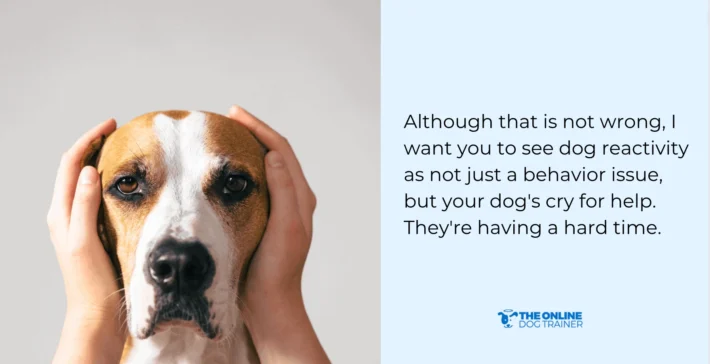
Credit: theonlinedogtrainer.com
Maintaining Long-term Progress
Maintaining long-term progress is key to a calm and well-behaved dog. Training does not end after a few sessions. It requires ongoing effort and attention. This keeps your dog confident and less likely to react negatively. Consistency and continuous socialization build a strong foundation for lasting change.
Consistency In Training
Regular practice helps your dog remember learned behaviors. Use the same commands and rewards each time. Avoid changing rules or expectations suddenly. Consistent training sessions, even short ones, keep skills sharp. Everyone in the family should follow the same training plan. This avoids confusing your dog. Consistency builds trust and clear communication between you and your dog.
Ongoing Socialization
Expose your dog to new people, animals, and places often. Controlled socialization lowers fear and anxiety over time. Start with calm environments, then gradually add distractions. Positive experiences teach your dog to stay relaxed. Invite friends or visit dog parks for safe interactions. Keep social sessions short but frequent. This helps your dog adjust to the world without overreacting.
Frequently Asked Questions
What Causes A Dog To Become Reactive?
Dog reactivity often stems from fear, frustration, or lack of socialization. It may also result from past trauma or protective instincts.
How Can I Stop My Dog From Barking Excessively?
Train your dog using positive reinforcement, reward calm behavior, and avoid punishment. Consistent commands and distractions help reduce barking.
What Training Methods Work Best For Reactive Dogs?
Use desensitization and counter-conditioning techniques. Gradually expose your dog to triggers while rewarding calm responses to build positive associations.
How Long Does It Take To Train A Reactive Dog?
Training duration varies by dog and severity. Consistent daily sessions over weeks to months are usually needed for improvement.
Conclusion
Training a reactive dog requires patience and consistency. Stay calm during training sessions. Celebrate small victories to boost confidence. Use positive reinforcement techniques to encourage good behavior. Avoid situations that may trigger a reaction. Gradually expose your dog to new experiences.
Practice regularly to strengthen their skills. Seek professional help if needed. Remember, every dog learns at their own pace. Keep sessions short and fun. Your patience will pay off. A well-behaved dog brings joy and peace. Keep going, and enjoy the journey with your furry friend.