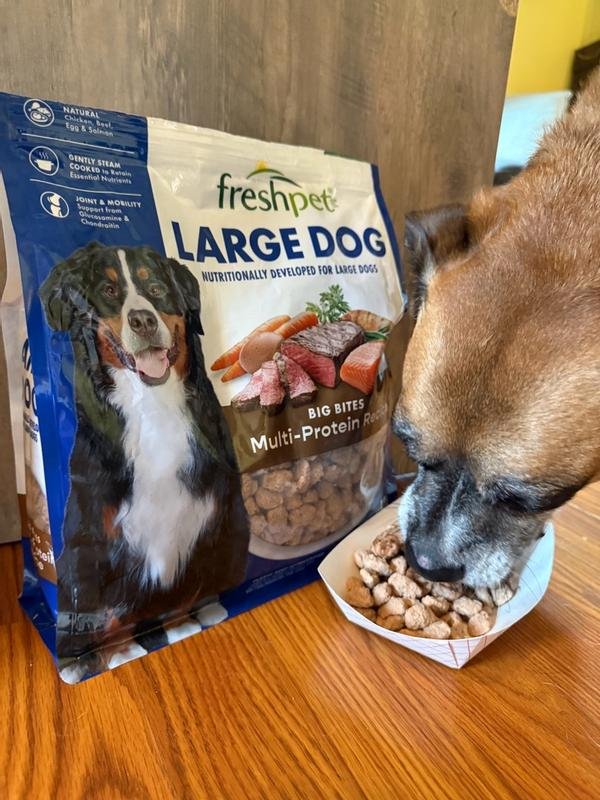
Wondering how much Fresh Pet you should feed your dog? Getting the right amount of food is key to keeping your furry friend healthy and happy.
Too little, and your dog might feel hungry or miss out on essential nutrients. Too much, and you risk weight gain and health problems. You’ll discover simple, clear guidelines to help you find the perfect feeding portion for your dog’s size, age, and activity level.
Keep reading to make sure your dog gets just the right amount of Fresh Pet every time.
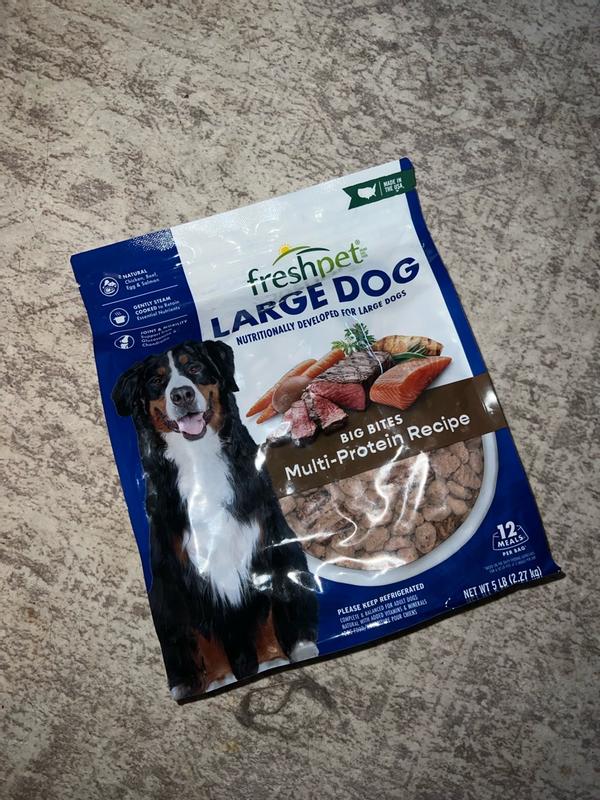
Credit: www.freshpet.com
Factors Affecting Dog Food Needs
Feeding your dog the right amount of fresh pet food isn't a one-size-fits-all situation. Several factors influence how much your furry friend needs daily. Understanding these can help you tailor their meals to support their health and happiness.
Breed And Size
Different breeds have different nutritional requirements. Larger dogs, like Great Danes, often need more calories than smaller breeds such as Chihuahuas. Size affects metabolism and energy expenditure, which directly impacts food quantity.
Think about your dog’s breed size as a starting point. A tiny breed may need just a cup of food a day, while a giant breed could require several cups. Adjusting food amounts based on breed helps prevent overfeeding or underfeeding.
Age And Life Stage
Puppies, adults, and senior dogs all have distinct dietary needs. Puppies require more nutrients to fuel growth, while seniors may need fewer calories due to slower metabolism. Age changes how your dog processes food and uses energy.
If your dog is a playful young adult, they’ll likely eat more than an older dog who spends most of the day resting. Watch your dog's behavior and weight closely as they age to keep their feeding amounts on track.
Activity Level
Your dog’s daily activity plays a huge role in determining food needs. A highly active dog, like a working or sporting breed, burns more calories and requires more food. Conversely, a couch potato needs less to avoid weight gain.
Imagine your energetic Border Collie who runs and plays for hours versus a laid-back Bulldog who prefers naps. Their feeding amounts should reflect these lifestyle differences. Ask yourself: Is my dog getting enough exercise to match their food intake?
Health Conditions
Health problems can affect appetite and nutritional needs. Dogs with conditions like diabetes or kidney disease may require special diets or adjusted portion sizes. Always check with your vet before changing food amounts if your dog has health issues.
For example, a dog with arthritis might need fewer calories but more supplements for joint health. Staying alert to your dog’s health status ensures you feed the right amount to support recovery and well-being.
Calculating Daily Fresh Pet Portions
Figuring out how much fresh pet food to feed your dog daily can feel tricky at first. But breaking it down into clear steps makes it easier. You want to provide enough nutrition without overfeeding, and that balance depends on your dog’s size, activity level, and any extras they get throughout the day.
Recommended Feeding Amounts
Most fresh pet food brands suggest feeding between 2% to 3% of your dog’s ideal body weight daily. For example, if your dog should weigh 50 pounds, aim to feed about 1 to 1.5 pounds of fresh food each day.
Keep in mind, puppies, pregnant dogs, or highly active pets may need more. Older or less active dogs usually require less to avoid weight gain.
Using Weight As A Guide
Using your dog’s weight gives a straightforward starting point. Here’s a simple table to guide you:
| Dog's Weight (lbs) | Daily Fresh Food Portion (oz) |
|---|---|
| 10 | 3 - 5 |
| 25 | 8 - 12 |
| 50 | 16 - 24 |
| 75 | 24 - 36 |
Have you noticed your dog gaining or losing weight? Adjust portions accordingly. Weight is your best daily feedback tool.
Adjusting For Treats And Extras
Do you give your dog snacks or table scraps? These add calories that affect how much fresh food they need. It’s smart to reduce their fresh pet food amount when treats are involved.
For example, if your dog gets 100 calories from treats daily, cut back their main meal by that amount. This helps keep their total calorie intake balanced.
Keep track of all extras over a week to see their real impact. Small changes here can prevent weight problems and keep your dog feeling great.
Balancing Fresh Pet With Other Foods
Balancing Fresh Pet with other foods ensures your dog gets a healthy, tasty diet. Combining different food types helps meet all nutritional needs and keeps meals exciting. Understanding how to mix, transition, and monitor diet balance is key to your dog’s well-being.
Mixing Fresh Pet With Dry Or Canned Food
Mixing fresh pet food with dry or canned options adds variety. It helps avoid sudden changes that might upset your dog’s stomach. Start by adding a small portion of fresh food to the usual meal.
- Mix 25% fresh food with 75% dry or canned food first.
- Gradually increase fresh food to 50% over several days.
- Observe your dog's reaction during this change.
This method keeps meals balanced and prevents digestive issues.
Transitioning Between Diets
Switching from one diet to another requires care and patience. Sudden shifts can cause discomfort or refusal to eat. Change diets slowly over 7 to 10 days.
- Day 1-3: Use 25% new food and 75% old food.
- Day 4-6: Change to 50% new food and 50% old food.
- Day 7-10: Increase new food to 75% before fully switching.
Slow transitions help your dog adjust easily to fresh pet food.
Monitoring Nutritional Balance
Keep an eye on your dog’s nutrition when feeding fresh pet food. Fresh diets can vary in nutrients compared to dry or canned options. Ensure your dog gets enough proteins, fats, vitamins, and minerals.
Watch for these signs:
- Healthy coat and skin
- Good energy levels
- Normal stool consistency
Consult your vet to confirm the diet meets your dog's needs. Regular checks keep your dog healthy and happy.

Credit: www.chewy.com
Signs Of Overfeeding And Underfeeding
Recognizing the signs of overfeeding and underfeeding helps keep your dog healthy. Feeding the right amount of Fresh Pet food supports your dog’s well-being. Watch your dog closely for changes in weight, energy, and digestion. These signals guide you to adjust feeding portions as needed.
Weight Gain And Loss
Weight gain may mean your dog eats too much. Excess food turns into fat quickly. Overfed dogs often look rounder and feel heavier. Underfeeding causes weight loss. Your dog may appear thin and lose muscle mass. Both weight gain and loss can harm your dog’s health.
Changes In Energy Levels
Too much food can make your dog sluggish. Overfed dogs may sleep more and play less. Low energy might mean your dog is overweight. Not enough food leads to tiredness too. Underfed dogs may lack strength for walks or play. Energy changes show if your dog’s diet fits their needs.
Digestive Health Indicators
Overfeeding can cause diarrhea or vomiting. Your dog’s stomach may feel upset often. Underfeeding may cause constipation or dry stools. Watch for bloating or gas as signs too. Healthy digestion means feeding amounts are correct. Monitor your dog’s bathroom habits closely.
Tips For Successful Feeding
Feeding your dog fresh pet food successfully requires more than just choosing the right portion. It involves creating habits that support your dog’s health and ensure the food’s quality remains intact. The right approach can make mealtime enjoyable and stress-free for both you and your furry friend.
Consistent Feeding Schedule
Dogs thrive on routine, so feeding your dog at the same times every day helps regulate digestion and energy levels. Try to stick to set meal times, whether it’s twice or thrice daily, depending on your dog’s age and activity.
Consistency also helps you monitor your dog’s appetite and spot any changes quickly. Have you noticed your dog suddenly eating less or more? A regular schedule makes those shifts easier to detect.
Proper Storage And Handling
Fresh pet food needs careful storage to stay safe and nutritious. Always refrigerate the food promptly after opening and use airtight containers to prevent spoilage.
When serving, wash your hands and use clean bowls to avoid contamination. Even small lapses can affect your dog’s health, so treating fresh pet food like human food can make a big difference.
Consulting With Your Veterinarian
Your vet is your best guide for how much fresh pet food your dog should eat. They can tailor advice based on your dog’s breed, weight, health, and activity level.
Don’t hesitate to ask about transitioning to fresh food or mixing it with dry kibble. Have you checked in with your vet recently to update your dog’s feeding plan?

Credit: www.justfoodfordogs.com
Frequently Asked Questions
How Much Fresh Pet Food Should I Feed Daily?
Feed your dog 2-3% of their body weight in fresh food daily. Adjust based on activity, age, and breed.
Can Feeding Fresh Pet Food Cause Weight Gain?
Overfeeding fresh pet food can cause weight gain. Always measure portions and monitor your dog’s weight regularly.
How To Transition My Dog To Fresh Pet Food?
Switch gradually over 7-10 days. Mix increasing fresh food with decreasing old food to avoid digestive upset.
Is Fresh Pet Food Better Than Dry Kibble?
Fresh pet food often has higher moisture and nutrients. It can improve digestion and energy compared to dry kibble.
Conclusion
Finding the right amount of Fresh Pet for your dog matters. It keeps them healthy and happy. Watch your dog's weight and energy. Adjust portions as needed. Every dog is unique. Consult a vet for specific guidance. Make meal times consistent and enjoyable.
Balance is key for a well-fed pet. Remember, proper feeding supports your dog's overall well-being. A little attention goes a long way. Keep their diet nutritious and portioned right. Enjoy the bond you share during feeding time. It's part of caring for your furry friend.
Your dog deserves the best nourishment.