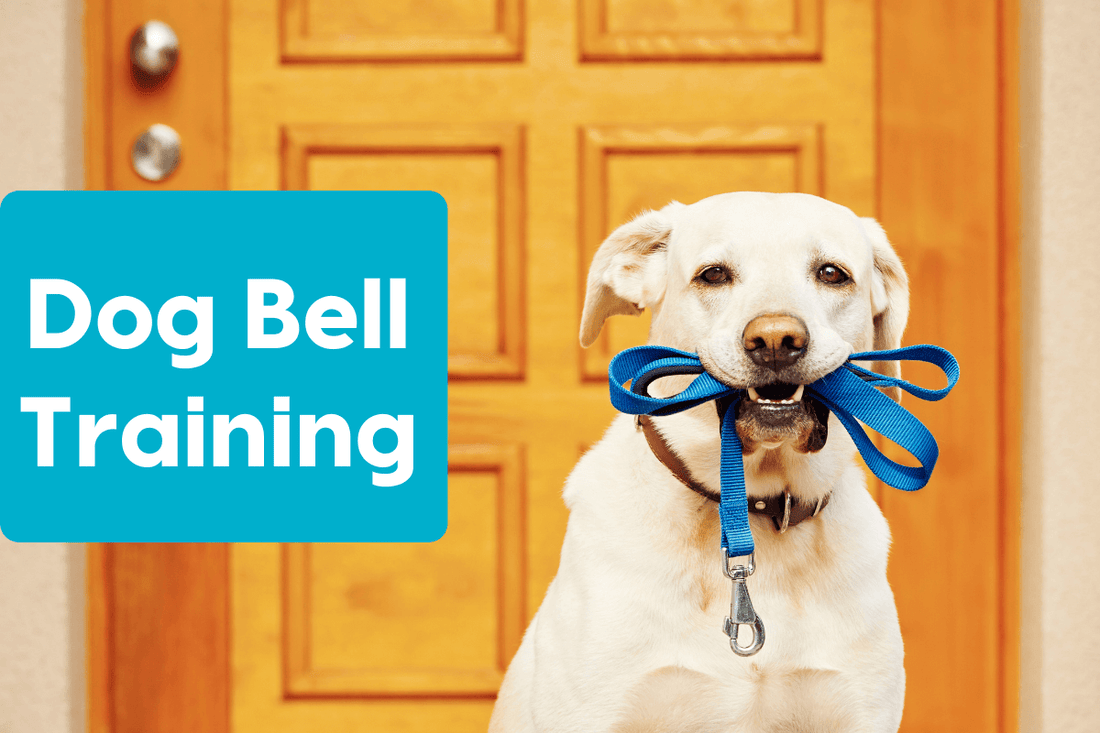
If you’re tired of guessing when your dog needs to go outside, teaching them to ring a bell to pee can be a game-changer. Imagine your dog calmly ringing a bell to let you know it’s time for a bathroom break—no more accidents or guessing games.
This simple trick can save you time, reduce stress, and strengthen the bond between you and your furry friend. Ready to learn how to make this happen? Keep reading, because we’ll walk you through easy steps that anyone can follow to train their dog to ring the bell to pee.

Credit: www.amazon.ca
Choosing The Right Bell
Choosing the right bell is key to teaching your dog to ring it for potty breaks. The bell should be easy for your dog to use and loud enough to catch your attention. Pick a bell that fits your dog’s size and strength. A bell that is too heavy or too quiet might confuse your dog or go unnoticed.
The bell’s design also matters. Some bells have a pleasant sound, while others might be sharp or annoying. The right sound encourages your dog to use the bell often without hesitation.
Types Of Bells
- Hanging Bells:These bells hang from a door handle or wall hook. They swing and ring when touched. Great for dogs who like to use their nose or paw.
- Push Bells:Small bells with a button to press. Ideal for dogs who can push with their nose or paw easily.
- Tabletop Bells:Bells placed on a flat surface. Dogs can tap them with a paw or nose. Useful for indoor training or if door mounting is not possible.
Where To Place The Bell
- Hang or place the bell near the door your dog uses to go outside.
- Position the bell at your dog’s nose or paw height.
- Make sure the bell is easy to reach without forcing your dog.
- Keep the bell visible and in a consistent spot to avoid confusion.
- Check that the bell’s sound can be heard throughout your home.
Introducing The Bell To Your Dog
Introducing a bell to your dog helps create a clear way to ask to go outside. It is a simple tool that your dog can learn to use. The key is patience and gentle guidance. Start by making the bell a familiar and interesting object. This way, your dog feels comfortable and curious about it.
Familiarizing With The Bell
Place the bell near your dog’s usual bathroom door. Let your dog sniff and explore it freely. Do not force interaction. Praise your dog for any interest shown. Repeat this for a few days until your dog feels relaxed around the bell. Keep the environment calm to avoid stress.
Encouraging Interaction
Gently ring the bell yourself to catch your dog’s attention. Reward your dog with treats or affection when they look at or touch the bell. Use a command like “ring” or “bell” to link the action with words. Encourage your dog to tap the bell with their nose or paw. Celebrate small successes to build confidence.
Linking Bell To Pee Time
Linking the bell to pee time is a crucial part of training your dog to communicate their bathroom needs effectively. It’s about creating a clear connection in your dog's mind between ringing the bell and going outside to pee. This connection helps reduce accidents inside the house and makes your dog more independent in signaling their needs.
Timing The Training Sessions
Timing is everything when teaching your dog to ring the bell for pee time. Start training sessions right before you usually take your dog outside to pee, such as first thing in the morning, after meals, or after naps. This consistency helps your dog associate the bell with the upcoming bathroom break.
Keep the sessions short and focused, around 5 to 10 minutes. Too long can confuse or tire your dog, while too short may not reinforce the behavior enough. Watch your dog's signals closely and reward immediately after the bell ring and successful outdoor pee.
Using Commands And Cues
Pair the bell ringing with a simple command like "Go potty" or "Outside." Saying the command just before encouraging your dog to ring the bell helps them link the action to the behavior you want. Over time, your dog will understand that ringing the bell means it’s time to go out and pee.
Consistency is key—use the same command every time you take your dog out. You can also add positive reinforcement like treats or praise immediately after they ring the bell and go outside. This makes the learning clear and motivates your dog to repeat the behavior.

Credit: mightypaw.com
Reinforcing The Behavior
Reinforcing the behavior is key to teaching your dog to ring the bell to pee. It helps your dog understand what you expect. Rewards and consistency make training stronger. They build a habit your dog will follow every time.
Positive Rewards
Use treats or praise right after the dog rings the bell. This shows the dog the action is good. Rewards motivate your dog to repeat the behavior. Choose small, tasty treats that your dog likes.
Verbal praise also works well. Say “Good job!” with a happy tone. Petting or a short play session can be a reward too. Always give the reward immediately to connect it with the bell ringing.
Consistency In Training
Train your dog at the same times each day. This helps your dog expect when to ring the bell. Keep the bell in the same spot so your dog finds it easily.
Always respond to the bell ringing by taking your dog outside. This teaches the dog that ringing means going out to pee. Avoid ignoring the bell or delaying going outside. Consistent actions help your dog learn faster.
Handling Common Challenges
Training your dog to ring a bell before going outside to pee can be a smooth process, but challenges often pop up along the way. Knowing how to handle these common issues will keep your training on track and your dog motivated. Let’s dive into two frequent hurdles: ignoring the bell and accidental ringing, and how you can tackle them effectively.
Ignoring The Bell
Sometimes your dog might simply ignore the bell, even after you’ve introduced it. This can be frustrating, but it often means the dog hasn’t fully connected the bell ringing with going outside to pee.
Try these tips to fix this:
- Reinforce the connection:Every time your dog rings the bell, immediately open the door and take them outside. Speed is key here.
- Use high-value treats:Reward your dog right after they ring the bell to make the action more appealing.
- Practice patience:Some dogs need extra time to understand the purpose of the bell. Keep sessions short but consistent.
Have you noticed your dog’s favorite treat makes a big difference in their willingness to participate? Experiment with what excites your dog most.
Accidental Ringing
Accidental bell ringing happens when your dog hits the bell without needing to go out. This can confuse both you and your dog, leading to unnecessary trips outside or missed bathroom breaks.
To reduce accidental ringing:
- Place the bell at the right height:Make sure it’s easy for your dog to reach intentionally but not so low that their tail or paws hit it by accident.
- Ignore unwanted rings:Don’t respond to the bell unless your dog immediately heads to the door to indicate they need to go out.
- Use a command:Add a verbal cue like “ring” to teach your dog when it’s time to use the bell.
Consider, how often does your dog accidentally trigger the bell? Adjusting the bell’s position could be a simple fix you haven’t tried yet.
Maintaining The Habit Long-term
Keeping your dog ringing the bell to pee requires consistent effort. Habits can fade without regular practice. Maintaining the behavior long-term means reinforcing the action while slowly reducing rewards. It also means making the bell easy to reach at all times. These steps help your dog remember and rely on the bell as a signal.
Gradual Reduction Of Treats
Start by giving treats every time your dog rings the bell. After a while, give treats only sometimes. This keeps your dog interested without depending on food. Praise and petting can replace treats as rewards. Your dog learns to ring the bell because it wants to, not just for treats.
Keeping The Bell Accessible
Place the bell at your dog’s usual exit point. Keep it at a height your dog can reach easily. If the bell moves, your dog may get confused. Always ensure the bell is clean and working well. A bell that rings clearly helps your dog understand the signal better.

Credit: www.youtube.com
Frequently Asked Questions
How Do I Start Bell Training My Dog?
Begin by associating the bell with going outside. Hold the bell near your dog and encourage them to touch it. Once they do, immediately open the door and take them outside to pee. Consistency and positive reinforcement are key to success.
How Long Does Bell Training Take?
Bell training typically takes a few weeks. Consistency in practice and positive reinforcement accelerate the learning process. Every dog is different, so patience is essential. Some dogs may take longer, while others may learn quickly. Monitor progress and adjust training methods as needed.
What Type Of Bell Should I Use?
Use a durable, easy-to-reach bell that suits your dog's size. Doorbells or hanging bells are popular choices. Ensure the bell's sound is clear but not too loud. Experiment with different types to find what works best for your dog and training environment.
Can Puppies Learn Bell Training?
Yes, puppies can learn bell training. Start when your puppy is around 8-10 weeks old. Be patient, as young puppies might need extra time. Use gentle methods and consistent practice. Over time, puppies will associate the bell with going outside to pee.
Conclusion
Teaching your dog to ring a bell to pee takes time and patience. Start with small steps and stay consistent. Celebrate each success, no matter how small. This method helps your dog communicate needs clearly. It also builds trust between you and your pet.
Keep training sessions short and positive to maintain interest. Over time, your dog will learn this helpful skill. Enjoy a cleaner home and happier dog together. Simple, clear signals make life easier for both. Stay patient, and the results will show.