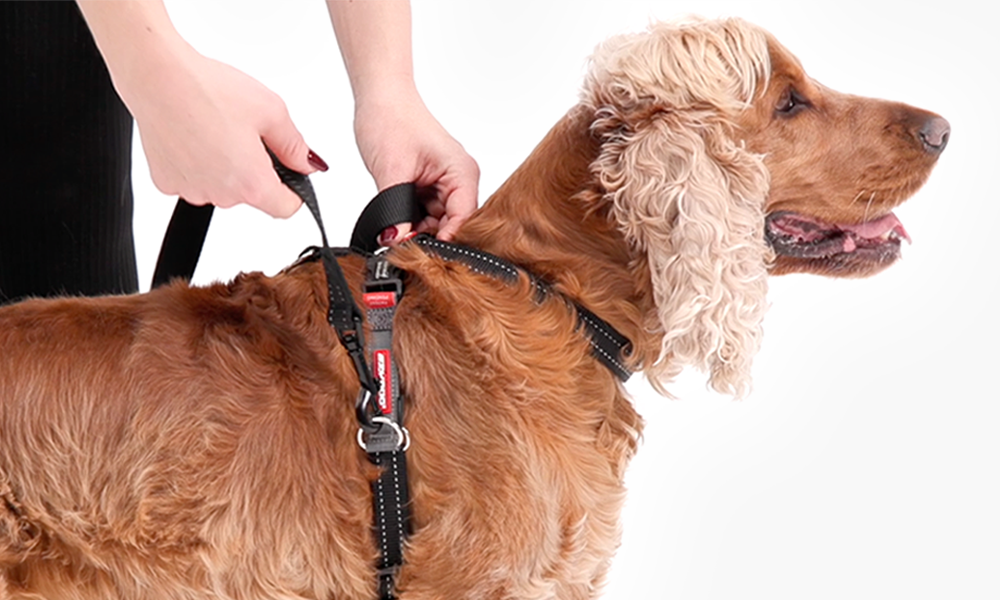
If your dog has started biting or showing signs of aggression, you’re likely feeling worried and unsure about what to do next. You want your pet to be safe, happy, and well-behaved—but where do you begin when the behavior feels out of control?
This guide will give you clear, practical steps to help calm your aggressive dog and reduce biting. By understanding why your dog acts this way and applying the right training techniques, you can rebuild trust and create a peaceful bond.
Keep reading—you have the power to change your dog’s behavior and bring back the joy of companionship.
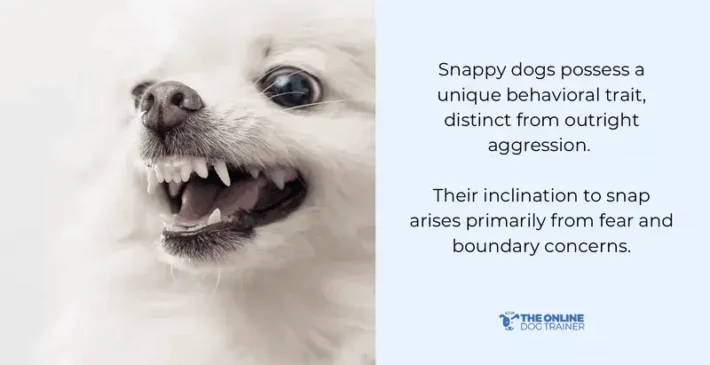
Credit: theonlinedogtrainer.com
Recognizing Aggressive Behavior
Recognizing aggressive behavior in dogs is crucial for safety and effective training. Aggression can show in different ways, and understanding these signs helps prevent bites. Early detection allows owners to act before the situation worsens.
Not all aggressive behavior leads to biting, but it signals discomfort or fear. Observing your dog closely can reveal patterns and triggers. This knowledge guides you in managing and modifying the behavior safely.
Common Signs Of Aggression
- Growling or snarling
- Bared teeth or lip curling
- Stiff body posture
- Raised hackles (hair on the back stands up)
- Direct, intense staring
- Snapping or lunging
- Sudden barking or lunging towards people or animals
Triggers And Causes
Aggression can stem from many causes. Fear is one of the most common triggers. Dogs may bite when they feel threatened or cornered.
Other causes include pain, protecting territory, or guarding food and toys. Some dogs react aggressively to loud noises or sudden movements. Lack of socialization or poor past experiences can also lead to aggression.
When To Seek Professional Help
Seek help if aggression worsens or causes injuries. Professional trainers or behaviorists offer safe and effective solutions. They identify root causes and build customized plans.
Do not ignore repeated aggressive incidents. Early intervention reduces risks for everyone. Professionals can also teach you how to handle your dog calmly and safely.
Safety Measures Before Training
Training an aggressive dog that bites requires careful preparation. Safety must be the top priority before any training begins. Taking the right measures protects both the trainer and the dog. It also helps create a calm, controlled setting for better learning.
Proper safety steps reduce the risk of injury. They build trust between you and your dog. Start by using the right tools and preparing the environment. Then, focus on protecting everyone involved.
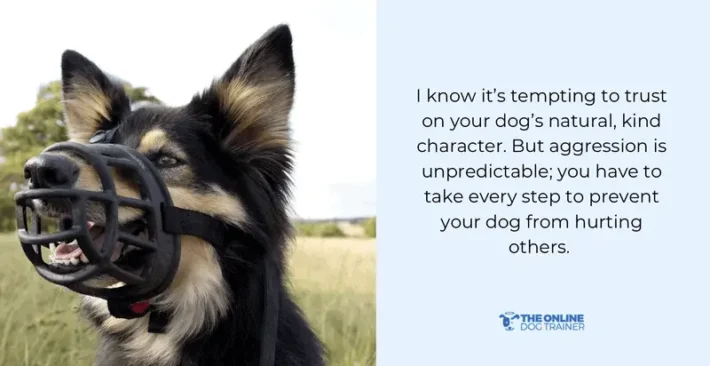
Using Muzzles And Leashes
Muzzles prevent biting during training sessions. Choose a comfortable muzzle that fits well. Avoid tight or restrictive ones that cause stress.
Leashes give control over your dog’s movements. Use a sturdy leash that is not too long. Keep your dog close to you but allow some freedom.
Both tools help keep training safe and effective. They also signal your dog to stay calm and focused.
Creating A Safe Environment
Pick a quiet, enclosed space for training. Remove objects that can cause harm or distraction. Keep the area free of other animals and strangers.
Ensure good lighting and no slippery floors. A calm place reduces your dog’s anxiety. This helps avoid unexpected aggressive reactions.
Limit training sessions to short periods. Too long can tire your dog and increase stress.
Protecting Yourself And Others
Wear protective clothing like gloves and long sleeves. Keep first aid supplies nearby in case of bites.
Inform family or friends about training times. Ask them to stay away during sessions for safety.
Always stay alert and watch your dog’s body language. Stop training immediately if your dog shows extreme signs of aggression.
Building Trust And Respect
Building trust and respect is the foundation for training an aggressive dog that bites. Without these, your dog may feel threatened or confused, which can worsen aggressive behavior. Creating a safe and predictable environment helps your dog feel secure enough to learn and change.
Positive Reinforcement Techniques
Reward your dog when it shows calm and non-aggressive behavior. Use treats, praise, or playtime as immediate rewards to reinforce good actions.
Try to catch your dog doing something right rather than focusing only on mistakes. For example, if your dog looks away instead of biting, reward that moment. This encourages your dog to repeat the behavior you want.
Consistent Commands And Boundaries
Your dog needs clear and consistent rules to understand what is acceptable. Use the same words and tone for commands every time.
Set boundaries that your dog can predict, like where it can sit or how it should behave around visitors. Consistency reduces confusion and helps your dog respect your authority.
Avoiding Punishment And Fear
Punishing an aggressive dog often increases anxiety and fear, which can make biting worse. Instead, focus on guiding your dog calmly towards better behavior.
Ask yourself: does this action build your dog’s confidence or make it more fearful? Choose training steps that promote trust rather than intimidation.

Credit: www.youtube.com
Behavior Modification Strategies
Behavior modification strategies help change aggressive actions into calm responses. These techniques focus on teaching dogs to react differently to triggers. Patience and consistency are essential for success. Training sessions should be short and positive to keep the dog engaged.
Desensitization And Counter-conditioning
Desensitization involves exposing the dog to triggers in small, safe doses. This gradual exposure reduces fear and aggression over time. Counter-conditioning pairs the trigger with something pleasant, like treats or praise. This helps the dog form positive associations with the trigger. Both methods require slow progress and close monitoring.
Redirecting Aggressive Responses
Redirecting teaches the dog to focus on a different behavior instead of aggression. For example, use a toy or command to distract the dog. Reward calm behavior immediately to reinforce it. This approach helps break the cycle of biting and growling. It also builds trust between you and your dog.
Socialization With Other Dogs
Careful socialization reduces fear and aggression towards other dogs. Start with calm, well-behaved dogs in a controlled setting. Keep meetings short and positive to avoid stress. Use treats and praise to reward good behavior during interactions. Regular socialization helps the dog learn to stay calm around others.
Training Exercises For Aggression
Training exercises play a key role in managing aggressive behavior in dogs. Consistent practice helps your dog learn control and reduces biting incidents. These exercises focus on building calmness, attention, and self-restraint.
Start with simple drills that encourage impulse control. Gradually add focus and attention tasks to improve obedience. Reward-based bite inhibition teaches your dog to soften their bite and respond to commands.
Impulse Control Drills
Impulse control drills teach dogs to pause before acting. Use commands like "sit" and "stay" during exciting moments. Practice waiting for a treat or toy until given permission. This builds patience and reduces sudden aggressive reactions.
- Ask your dog to sit before feeding.
- Hold a toy, then release it only on command.
- Practice "leave it" to ignore distractions.
Focus And Attention Training
Training your dog to focus on you helps prevent aggressive outbursts. Use short sessions to keep your dog’s attention. Reward eye contact and listening skills. This strengthens your bond and improves control during tense moments.
- Call your dog’s name and reward eye contact.
- Use treats to guide attention during walks.
- Practice focus in different environments.
Reward-based Bite Inhibition
Bite inhibition teaches dogs to control the force of their bite. Use toys to encourage gentle mouthing. Praise your dog when they use soft bites and stop when they bite hard. This reduces the risk of injury and calms aggressive behavior.
- Offer a toy for biting, not your hand.
- Stop play if your dog bites too hard.
- Reward gentle mouthing with treats or praise.
Monitoring Progress And Adjusting
Monitoring your dog's progress is crucial when training an aggressive dog that bites. It helps you see what works and what does not. Careful observation guides you to make necessary changes. Patience and consistency are key throughout this process. Tracking behavior and adjusting techniques keep the training effective and safe for both you and your dog.
Tracking Behavioral Changes
Keep a daily record of your dog's actions. Note any signs of aggression or calm behavior. Watch for triggers that cause biting or growling. Track progress by comparing past and current reactions. Use a simple chart or journal to organize your notes. This helps identify patterns and improvements over time.
Adjusting Techniques As Needed
If a method does not reduce aggression, change it. Try different rewards or training tools. Use more positive reinforcement if punishment increases fear. Tailor your approach to your dog's unique needs. Small adjustments can lead to big improvements. Stay flexible and open to new strategies.
When To Consult A Behaviorist
Seek professional help if aggression worsens or stays the same. A behaviorist can offer specialized advice and support. They understand complex aggression causes and solutions. Do not wait until biting becomes dangerous. Early intervention improves safety and training success.
Maintaining Long-term Behavior
Maintaining long-term behavior in an aggressive dog that bites requires consistent effort and attention beyond initial training. It’s about creating a lifestyle where positive behaviors become the norm and aggression loses its place. Your commitment to ongoing care can make the difference between progress and relapse.
Ongoing Training Practices
Training doesn’t stop once your dog shows improvement. You need to keep practicing commands and reinforcing calm behavior daily.
- Repeat basic obedience commands like “sit,” “stay,” and “leave it” in different environments.
- Use positive reinforcement consistently—treats, praise, or play—to reward good behavior.
- Gradually expose your dog to new situations to build confidence without triggering aggression.
Have you noticed your dog’s triggers change over time? Adjust your training to address these shifts instead of sticking to a fixed routine.
Preventing Relapse Into Aggression
Aggression can return if you let your guard down. Avoid situations where your dog might feel threatened or overwhelmed.
- Watch for early signs of stress like growling or stiff body posture and redirect your dog immediately.
- Keep a safe distance from known triggers and slowly desensitize your dog under controlled conditions.
- Maintain a calm and assertive demeanor; dogs pick up on your emotions and react accordingly.
Think about how your own stress might affect your dog’s behavior. Are you staying calm enough to lead your dog confidently?
Supporting Mental And Physical Health
Good mental and physical health is a cornerstone for long-term behavior management. A tired dog is less likely to act out aggressively.
- Provide regular exercise suited to your dog’s breed and energy level, such as walks, playtime, or agility training.
- Engage your dog’s mind with puzzle toys, scent games, or training new tricks to reduce boredom.
- Schedule routine veterinary check-ups to rule out pain or illness that might cause irritability.
Have you tried combining physical activity with mental stimulation to keep your dog balanced? What changes did you see?
Credit: theonlinedogtrainer.com
Frequently Asked Questions
How Can I Safely Approach An Aggressive Dog?
Approach slowly and calmly, avoiding direct eye contact. Use a soothing voice to communicate. Keep a safe distance and observe the dog's body language. If the dog appears agitated, give it space and time to calm down. Safety should always be your priority.
What Are The Signs Of Dog Aggression?
Signs include growling, baring teeth, rigid posture, and intense staring. Raised fur and a stiff tail may also indicate aggression. Recognizing these signs early can prevent potential bites. Understanding your dog's body language is crucial in managing aggressive behavior effectively.
Can Aggressive Dogs Be Retrained?
Yes, with patience and consistency, aggressive dogs can be retrained. Professional help from a dog trainer may be necessary. Positive reinforcement techniques often yield the best results. Addressing the root cause of aggression is key to successful retraining. Regular practice and monitoring are essential for sustained improvement.
What Should I Do If A Dog Bites Me?
Remain calm and wash the wound with soap and water immediately. Seek medical attention if necessary. Document the incident and report it to local authorities if required. Understand what triggered the bite to prevent future incidents. Ensuring your safety and health should be the top priority.
Conclusion
Training an aggressive dog that bites takes time and patience. Stay calm and consistent with your approach. Always reward good behavior to encourage positive change. Avoid punishment, as it can increase aggression. Seek help from a professional trainer if needed.
Remember, safety comes first for you and your dog. Small steps lead to big progress. Keep working daily to build trust and control. Your efforts can create a happier, safer pet. Trust the process and stay committed.