If you want a loyal protector who watches over your home and family, training your Doberman to be a guard dog is the way to go. But how do you turn your energetic pet into a confident and reliable guardian?
You might be wondering where to start, what techniques actually work, and how to keep your dog safe while training. This guide will walk you through simple, effective steps to help your Doberman become the trusted guard dog you need.
Keep reading to discover the secrets that make training both easy and rewarding for you and your dog.
Credit: www.youtube.com
Choosing The Right Doberman
Choosing the right Doberman is key to raising a strong guard dog. This breed has unique qualities that make it one of the best protectors. Understanding these traits helps pick a dog that fits your guarding needs. Also, deciding between a puppy or an adult Doberman changes the training experience.
Breed Traits For Guarding
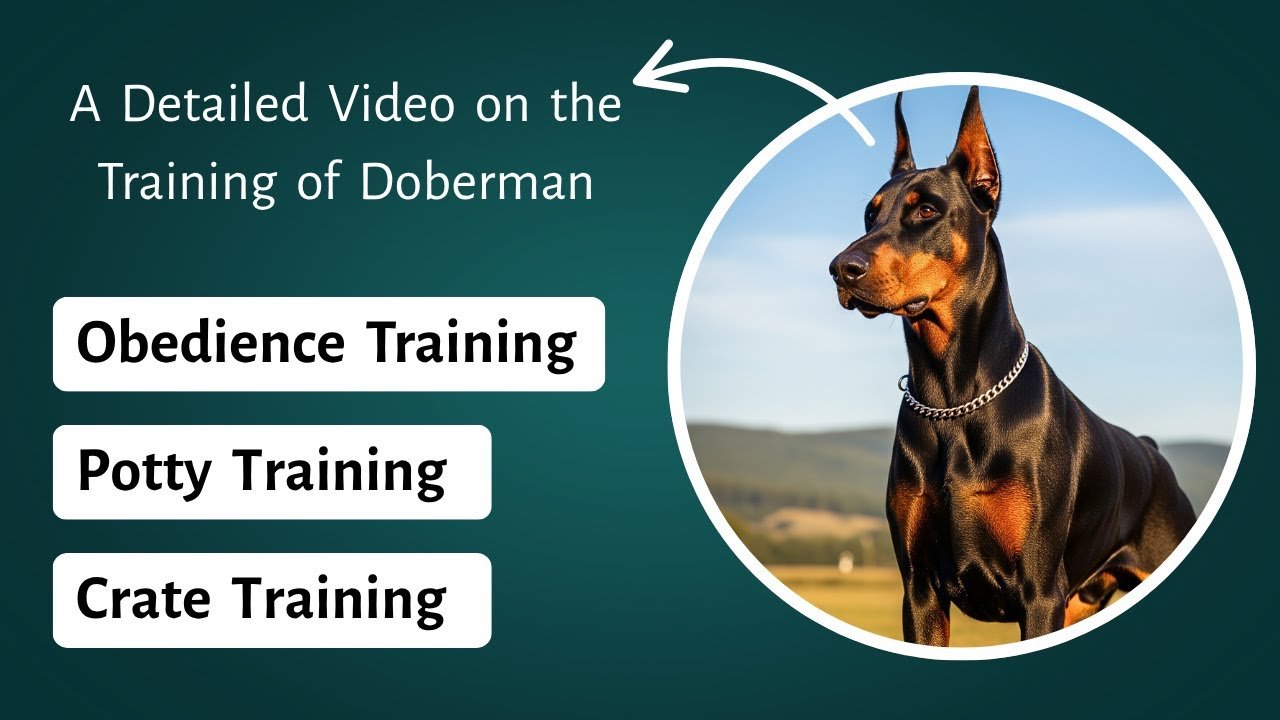
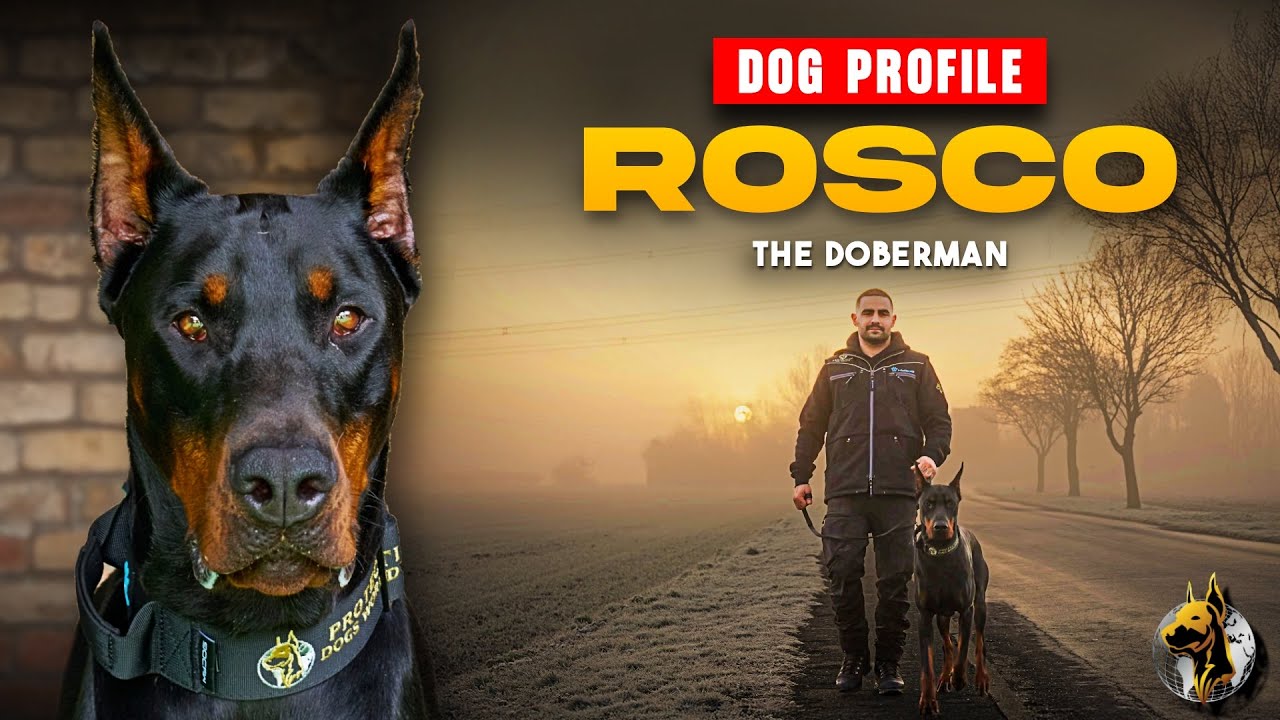
Dobermans have natural guarding instincts. They are alert, loyal, and protective. Their intelligence helps them learn commands quickly. They are also fearless but controlled, which means they defend without being aggressive all the time. Their strong build and speed make them excellent at protection. These dogs bond deeply with their owners, making them watchful and attentive.
Selecting A Puppy Or Adult Dog
Choosing a puppy allows training from the start. Puppies learn social skills and commands easily. They adapt well to your lifestyle and rules. However, training takes time and patience.
Adult Dobermans may already have some training. Their behavior is clearer, so you know what to expect. Adults might be better for someone needing a guard dog quickly. Yet, some adults may have habits that need correction.

Credit: m.youtube.com
Building A Strong Bond
Building a strong bond with your Doberman is essential before training it as a guard dog. This bond creates a foundation of trust and communication. It helps your dog understand your commands and feel secure. A confident and connected dog will perform guard duties better. Focus on positive interactions and clear signals. Your Doberman will respond well to consistent care and attention.
Establishing Trust And Respect
Trust forms the base of your relationship with your Doberman. Spend quality time together every day. Use gentle tones and calm gestures to show you care. Avoid harsh punishments as they break trust quickly. Respect your dog’s feelings and limits. Let your Doberman approach you first during new experiences. This respect builds confidence and loyalty. Your dog will want to protect someone who respects it.
Consistent Training Routine
Routine helps your Doberman learn faster and stay focused. Train at the same time and place daily. Use simple commands and repeat them clearly. Reward your dog with treats or praise for good behavior. Consistency prevents confusion and builds good habits. Keep training sessions short but regular to hold attention. A clear routine strengthens your bond and improves guard skills.
Basic Obedience Training
Basic obedience training lays the foundation for your Doberman to become an effective and reliable guard dog. Without solid control and clear communication, your dog might struggle to distinguish between everyday situations and genuine threats. This training phase builds trust and ensures your Doberman listens to you in all environments, no matter the distractions.
Commands Every Guard Dog Needs
Your Doberman needs to master several key commands to respond quickly and appropriately to potential threats. Start with essential obedience commands like sit, stay, come, and heel. These ensure your dog remains under control in any situation.
Next, introduce guard-specific commands such as watchto alert your dog to focus on a person or object, and barkto encourage vocal warning without aggression. Teaching releaseis crucial too—this command tells your dog when to stop guarding or biting, maintaining safety and control.
Consistency is key. Practice these commands daily in different locations to build reliability. How often do you train your Doberman outside your home to simulate real-life situations?
Positive Reinforcement Techniques
Positive reinforcement creates a strong bond between you and your Doberman and motivates them to obey willingly. Reward your dog immediately with treats, praise, or play whenever they correctly follow a command.
Avoid harsh punishments as they can cause fear or aggression, undermining your training efforts. Instead, focus on rewarding good behavior and ignoring minor mistakes to encourage improvement.
Keep training sessions short and fun to maintain your Doberman’s interest. Have you noticed how your dog responds better to encouragement than to corrections? Use that insight to shape your training approach.
Introducing Guard Dog Skills
Introducing guard dog skills to your Doberman is about shaping natural instincts into reliable, controlled behaviors. This phase is crucial because it sets the foundation for your dog to protect without causing unnecessary alarm or harm. You want your Doberman to alert you effectively, respond to threats appropriately, and respect boundaries.
Teaching Alert Barking
Alert barking is your Doberman's way of telling you something unusual is happening. Start by rewarding your dog when it barks at a new sound or visitor. Use a command like "Speak" so your dog learns to bark on cue, but also teach "Quiet" to control the noise.
Consistency is key here. If your dog barks randomly, ignore it. But when it barks for the right reasons—like a stranger at the door—reward immediately. This helps your Doberman understand when barking is useful and when it is not.
Controlled Aggression Training
Controlled aggression means your Doberman learns to protect without losing control. Begin by exposing your dog to various controlled situations with the help of a professional trainer or a trusted helper. Teach your dog to respond to commands like "Watch" or "Leave it."
It’s important to never encourage uncontrolled biting or growling. Instead, focus on creating a calm but alert mindset. Can your dog distinguish between a real threat and a harmless situation? This skill prevents problems down the line.
Boundary Setting
Boundary setting teaches your Doberman where it is allowed to patrol and where it should not go. Use visual markers like flags, or physical barriers, and walk the boundary line regularly with your dog. Reward your Doberman every time it respects these limits.
Setting clear boundaries helps your dog focus its guard instincts on specific areas. Ask yourself: Does your Doberman understand which spaces are off-limits? Clear boundaries avoid confusion and strengthen your dog’s protective role.
Socialization And Exposure
Socialization and exposure are crucial for training a Doberman to be a reliable guard dog. These steps help your dog understand various situations and react appropriately. A well-socialized Doberman feels confident and calm, even in new environments or around strangers. This reduces unnecessary aggression and improves control.
Familiarizing With Different Environments
Expose your Doberman to many places early on. Parks, streets, busy markets, and quiet neighborhoods all offer different sights and sounds. This variety helps your dog stay calm and alert, no matter the setting.
Start with short visits and increase the time gradually. Use positive reinforcement like treats and praise. This creates good memories linked to new places.
Change the environment regularly. Different smells, noises, and surfaces improve your dog’s confidence. A Doberman comfortable in many places is better prepared for guard duties.
Handling Visitors And Strangers
Introduce your Doberman to visitors in a controlled way. Let the dog observe new people calmly before interacting. Reward calm behavior to encourage patience.
Teach your dog to stay alert but not aggressive. Use commands like “sit” and “stay” to maintain control. Practice with friends acting as strangers.
Allow your Doberman to learn when to bark and when to stay quiet. This balance is key for a guard dog that protects without causing problems.
Advanced Guard Training Techniques
Advanced guard training techniques push your Doberman beyond basic obedience and teach it to respond with precision in high-stress situations. These methods focus on sharpening instincts, improving reaction times, and building confidence in your dog’s protective abilities. Are you ready to take your Doberman’s skills to the next level and truly prepare it for real-world guarding?
Protection Drills
Protection drills help your Doberman learn controlled aggression and proper defense tactics. Start with simple exercises where your dog responds to commands like "watch" or "guard" on cue. Gradually introduce distractions and mild threats, such as a helper wearing protective gear, to simulate real guarding scenarios.
During these drills, timing is crucial. Reward your dog immediately when it shows the correct behavior—whether it’s alert barking or a firm stance. This positive reinforcement builds a clear connection between your command and the dog’s response. Have you noticed how consistent practice sharpens your dog’s reaction speed?
Remember to keep drills short but intense to prevent your Doberman from becoming overwhelmed or overly aggressive. You want control, not chaos. Regularly mix up the environment to ensure your dog can perform well anywhere.
Tracking And Scent Work
Tracking and scent work are vital for a guard dog to locate intruders or lost items. Begin by hiding objects with your scent or a helper’s scent and encourage your Doberman to find them using its nose. This enhances focus and gives your dog a purposeful task.
Increase the difficulty by extending the search area and adding distractions like other smells or noises. This keeps your dog engaged and sharpens its ability to ignore irrelevant stimuli. Do you challenge your dog’s scent tracking enough to keep it alert and ready?
Use scent trails to simulate tracking a person who has entered your property. This not only trains your dog’s nose but also builds endurance and persistence. Tracking exercises develop skills that are crucial for effective guarding beyond just intimidation.
Safety And Legal Considerations
Training a Doberman as a guard dog requires more than just commands and discipline. Safety and legal issues play a crucial role in the process. Understanding these aspects protects both the dog and the owner. This knowledge ensures responsible training and use of your Doberman’s guarding instincts.
Responsible Ownership
Owning a guard dog demands commitment and care. Your Doberman must be well-socialized to avoid aggression toward innocent people. Training should focus on control and obedience to prevent unwanted incidents. Regular exercise and mental stimulation keep your dog balanced and less reactive.
Always supervise your Doberman around strangers and children. Teaching clear boundaries helps your dog understand when to act. Responsible owners also invest time in ongoing training and health checks. This approach builds trust and safety within your home and community.
Local Laws And Regulations
Every area has rules about owning guard dogs. Some places require special permits or registrations for protective breeds like Dobermans. Laws may limit where and how you can use your dog for protection. Knowing these rules avoids legal trouble and fines.
Check local animal control regulations before training your Doberman as a guard dog. Some regions restrict breeds or have leash and containment laws. Understanding these helps keep your dog legal and safe. Compliance is key to enjoying your dog's protection without issues.
Maintaining Training Over Time
Maintaining training over time is vital for a Doberman to stay an effective guard dog. Skills can fade without consistent reinforcement. Regular training keeps your dog alert and responsive. It also strengthens the bond between you and your dog. This section covers ways to keep your Doberman sharp and healthy.
Regular Practice Sessions
Practice sessions should happen often, not just once in a while. Short, focused training times work best. Use commands your Doberman already knows and repeat them daily. Include guarding drills like alert bark and controlled restraint. Practice in different places to avoid boredom. Reward good behavior with treats or praise. Keep sessions fun and positive to maintain interest.
Health And Fitness For Guarding
A healthy Doberman performs better as a guard dog. Regular exercise keeps muscles strong and joints flexible. Activities like running, walking, and playing help build stamina. Proper diet supports energy and overall health. Visit the vet for regular check-ups and vaccinations. Pay attention to signs of fatigue or injury. A fit dog stays alert and ready to protect.

Credit: integrityk9services.com
Frequently Asked Questions
How Long Does It Take To Train A Doberman Guard Dog?
Training a Doberman as a guard dog typically takes 6 to 12 months. Consistent daily sessions and professional guidance speed up progress. Early socialization and obedience training are essential for effective guard skills.
What Are The Key Commands For Doberman Guard Training?
Key commands include "sit," "stay," "come," "heel," "attack," and "release. " These commands ensure control and obedience during guard duties. Proper command training builds discipline and responsiveness in Dobermans.
Can Dobermans Be Trained To Guard Without Aggression?
Yes, Dobermans can be trained to guard with controlled aggression. Training focuses on alertness and protection, not unnecessary aggression. Balanced training promotes a confident, calm, and protective guard dog.
Is Professional Training Necessary For Doberman Guard Dogs?
Professional training is highly recommended for Doberman guard dogs. Experts provide structured methods and handle advanced protection skills safely. This approach ensures effective and responsible guard dog behavior.
Conclusion
Training a Doberman as a guard dog takes patience. Consistency matters. Build trust with your Doberman through positive reinforcement. Use clear, simple commands. Socialize your dog in various environments. This helps them stay calm. Practice regularly to reinforce their skills.
Always reward good behavior. Stay patient and understanding. Every dog learns at their own pace. Keep training sessions short. This prevents your dog from getting bored. With dedication, your Doberman will become a reliable guard dog. Stay committed, and you'll see progress.
Enjoy the journey with your loyal companion.