Are you frustrated with your dog constantly chewing up his bed? You're not alone.
Many pet owners face this common issue, and it can be both costly and concerning. You want to provide a cozy space for your furry friend, but the constant destruction can leave you puzzled and out of pocket. You might wonder why your beloved pet does this and how you can put an end to it.
In this guide, you'll discover effective strategies to stop your dog from turning his bed into a chew toy, ensuring both your peace of mind and your dog's comfort. Keep reading to uncover the secrets that will save you time, money, and stress, while keeping your pet happily snoozing instead of shredding.
Reasons Dogs Chew Beds
Understanding why your dog chews his bed is key to stopping the behavior. Dogs don't chew beds just to be naughty—they have reasons behind it. Identifying these reasons helps you find the right solution and keeps your furry friend happy and healthy.
Teething And Puppies
Puppies explore the world with their mouths, especially during teething. Chewing helps soothe their sore gums and eases discomfort. If your young dog is chewing his bed, it might be his way of coping with new teeth coming in.
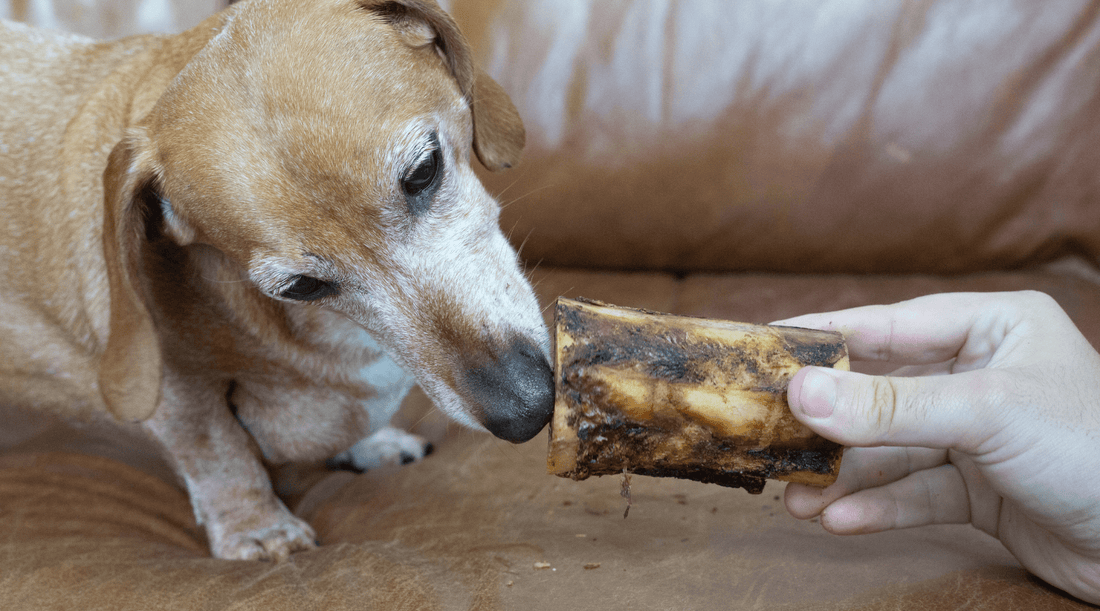
Providing appropriate chew toys can redirect this urge. Have you noticed if your puppy stops chewing the bed when given a cold, rubber toy? That’s a good sign you’re addressing the real need.
Boredom And Anxiety
Dogs often chew when they feel bored or anxious. If your dog spends long hours alone or lacks mental stimulation, chewing becomes a way to pass time or relieve stress.
Think about your dog's daily routine. Does it include enough exercise and play? Adding walks, games, or puzzle toys can reduce the urge to chew destructively.
Seeking Attention
Sometimes, dogs chew beds to get your attention. Even negative attention can be rewarding if it means you focus on them.
Have you caught your dog chewing right after you ignore him? Try giving attention when he’s calm instead. Reward good behavior and ignore the chewing to change this pattern.
Health Issues
Chewing can also signal health problems like dental pain or allergies. If your dog suddenly starts chewing his bed, a vet check might be necessary.
Look for other signs such as excessive drooling or paw licking. Addressing underlying health issues often stops the destructive chewing quickly.
Choosing The Right Bed
Choosing the right bed can reduce your dog's urge to chew it. A bed that fits well and feels good helps your dog stay calm and relaxed. The right materials and design make the bed last longer and easier to clean. These factors keep your dog happy and less likely to chew.
Durable Materials
Select beds made from strong fabrics like nylon or heavy canvas. These materials resist tears and bites better than soft ones. Look for beds with reinforced seams to prevent easy damage. Durable materials stand up to chewing and rough play. This saves money and keeps the bed intact longer.
Size And Comfort
Pick a bed that fits your dog's size perfectly. Too small beds make dogs uncomfortable and stressed. Too large beds may not feel cozy or safe. A comfortable bed calms your dog and lowers chewing habits. Soft padding supports joints and adds warmth. Comfort matters for your dog’s well-being.
Washable And Easy To Clean
Choose beds with removable covers that you can wash. Regular cleaning removes dirt and odors that attract chewing. Washable beds keep your dog’s space fresh and healthy. Avoid beds that absorb moisture or stains easily. Easy cleaning saves time and keeps your dog happy.
Training Techniques
Training your dog to stop chewing his bed takes patience and consistency. The right techniques can turn this destructive habit into positive behavior. You’ll find that clear communication and rewarding good choices make a big difference in how quickly your dog learns.
Positive Reinforcement
Reward your dog every time he chooses a toy or appropriate item instead of his bed. Use treats, praise, or playtime as a reward to encourage this good behavior.
Dogs respond well to immediate feedback. If you catch him chewing his bed, redirect gently and then reward when he switches to a proper chew toy.
Think about what motivates your dog most—is it food, affection, or a favorite game? Tailor your rewards to keep him excited about making the right choice.
Redirecting Chewing
Keep a variety of chew toys handy and offer them whenever your dog starts to chew the bed. This helps him understand what is allowed to chew and what is not.
If your dog has a favorite spot for chewing, place his toys there to make switching easier. Moving toys to the problem area can reduce frustration and confusion.
Have you noticed what triggers his bed chewing? Boredom, anxiety, or teething can cause this behavior. Address these causes alongside redirecting to chew toys for better results.
Using Commands Effectively
Teach simple commands like “leave it” or “no” to interrupt unwanted chewing. Practice these commands regularly so your dog understands and obeys without hesitation.
Consistency is key—use the same command every time you see him chewing the bed. Pair the command with a reward when he stops and chooses a toy instead.
Could your tone or timing be making a difference? Dogs pick up on your energy, so stay calm but firm when giving commands to get the best response.

Credit: theonlinedogtrainer.com
Environmental Changes
Environmental changes play a key role in stopping your dog from chewing his bed. Changing your dog's surroundings helps reduce boredom and stress. These changes make your dog feel safe and busy. Simple adjustments can prevent destructive chewing and protect your dog's bed.
Providing Chew Toys
Chew toys offer a good alternative to your dog's bed. Choose toys that are safe and durable. Rotate toys often to keep your dog interested. Offer different textures and shapes to satisfy chewing needs. Chew toys help your dog focus on something fun and safe.
Increasing Exercise
More exercise uses up your dog’s extra energy. Tired dogs are less likely to chew out of boredom. Take your dog on daily walks or runs. Play fetch or other active games. Exercise improves your dog’s mood and reduces stress.
Creating A Calm Space
Dogs chew beds when they feel anxious or scared. Make a quiet, cozy area where your dog can relax. Use soft blankets and dim lighting. Avoid loud noises and sudden movements near the bed. A calm space helps your dog feel secure and less stressed.
Deterrents To Use
Deterrents help stop your dog from chewing his bed by making the bed less appealing. Using the right deterrent teaches your dog that chewing the bed is not allowed. Choose safe options that protect your dog and your furniture. Consistency is key for these methods to work well.
Safe Bitter Sprays
Bitter sprays taste unpleasant to dogs and discourage chewing. Apply the spray on your dog’s bed surface. Make sure the spray is non-toxic and safe for pets. Reapply the spray regularly for best results. This method works because dogs dislike the bitter taste and avoid chewing.
Noise Distractions
Noise distractions interrupt your dog while chewing. Use a can with coins or a shaker to make a sound near the bed. The sudden noise startles your dog but does not harm him. Stop the noise once your dog stops chewing. This helps your dog associate chewing with an unwanted sound.
Barrier Methods
Barrier methods block access to the dog’s bed. Use baby gates or furniture to limit your dog’s reach. Cover the bed with a plastic sheet or aluminum foil. Dogs dislike the texture and avoid chewing on these surfaces. Barriers teach your dog to respect personal spaces and avoid the bed.

Credit: www.happystaffyco.com
When To Consult A Vet
Sometimes, your dog’s chewing isn’t just a bad habit—it could be a sign of an underlying problem. Knowing when to consult a vet can save your pup from discomfort and help you address the root cause effectively. If your efforts to stop the chewing aren’t working, or if you notice other unusual signs, it’s time to seek professional advice.
Identifying Medical Causes
Dogs often chew their beds due to pain or irritation they can’t express in words. Conditions like dental issues, allergies, or skin infections might cause discomfort, making them chew to relieve it.
Watch for symptoms like excessive licking, redness, swelling, or a sudden change in chewing habits. If your dog seems restless, whines, or avoids certain movements, these could be red flags.
Your vet can perform a thorough check-up, including skin tests or dental exams, to pinpoint medical problems. Early diagnosis means you can treat the issue before it worsens.
Behavioral Therapy Options
Sometimes, chewing is tied to anxiety, boredom, or stress. A vet can help you explore behavioral therapy options to calm your dog and redirect their chewing.
Therapies may include:
- Training exercises to replace bed chewing with positive activities
- Environmental enrichment to reduce boredom
- Use of calming aids or medications in severe cases
Ask yourself: Could changes in your dog’s routine or environment be triggering this behavior? Your vet’s guidance can tailor a plan that fits your dog’s unique needs and personality.

Credit: m.youtube.com
Frequently Asked Questions
Why Does My Dog Chew His Bed Constantly?
Dogs chew beds due to boredom, anxiety, or teething. It helps them relieve stress and stay entertained. Identifying the cause is key to stopping this behavior effectively.
How Can I Stop My Dog From Chewing His Bed?
Provide chew toys, exercise, and mental stimulation. Use deterrent sprays and redirect chewing to appropriate items. Consistency and positive reinforcement are essential to change this habit.
Are There Safe Alternatives To Dog Beds For Chewers?
Yes, durable chew-resistant beds made from tough materials are available. These beds withstand chewing and provide comfort. Choosing the right bed reduces damage and improves your dog’s comfort.
Can Anxiety Cause My Dog To Chew His Bed?
Yes, anxiety often triggers destructive chewing. Address anxiety with calming techniques, increased exercise, and professional advice if needed. Reducing stress helps stop bed chewing behavior effectively.
Conclusion
Stopping your dog from chewing his bed takes patience and care. Offer plenty of toys to keep him busy. Teach him gently what is okay to chew. Make his bed comfortable and safe. Praise him when he behaves well. Watch for signs of stress or boredom.
These small steps help change his habits. Your dog will feel happier and calmer. Enjoy a peaceful home with a happy pet. Keep trying, and good results will come.