Ever watched your furry friend gnaw on a bone and wondered how long is too long? You're not alone.
Many pet owners grapple with the question of how long their dogs should be chewing on a bone. It’s more than just a time issue; it’s about safety, health, and happiness for your pup. You want to give them the pleasure of a good chew without the risks.
We’ll dive into the ideal chew time and the signs you should look out for to keep your dog safe. Stay with us to discover how to make bone-chewing a healthy, fun activity for your four-legged companion. Your dog will thank you, and you’ll have peace of mind knowing you’re doing what’s best.
Benefits Of Bone Chewing
Bone chewing offers several benefits for dogs beyond simple entertainment. It supports their health and wellbeing in natural, effective ways. Chewing on bones can improve teeth, engage their minds, and satisfy deep instincts. Understanding these benefits helps pet owners provide the best care.
Dental Health Improvements
Chewing bones helps clean a dog's teeth naturally. The act scrapes away plaque and tartar buildup. This reduces the risk of gum disease and bad breath. Stronger teeth result from regular bone chewing. It supports overall oral hygiene without harsh chemicals.
Mental Stimulation
Bone chewing keeps dogs mentally active. It challenges their problem-solving skills as they work to get to the marrow. This engagement prevents boredom and reduces destructive behaviors. Mental stimulation is key to a happy, balanced dog. Chewing provides a rewarding focus for their energy.
Natural Instinct Satisfaction
Chewing bones taps into a dog’s natural instincts. It mimics behaviors from their wild ancestors. This activity fulfills their need to chew and hunt. Satisfying these instincts lowers stress and anxiety levels. Bone chewing is a healthy outlet for natural drives.
Types Of Safe Bones
Choosing the right type of bone for your dog is crucial for their safety and enjoyment. Not all bones are created equal, and some can pose serious health risks if given carelessly. Understanding the differences between raw and cooked bones, commercial alternatives, and the right size and shape will help you make the best choice for your furry friend.
Raw Vs Cooked Bones
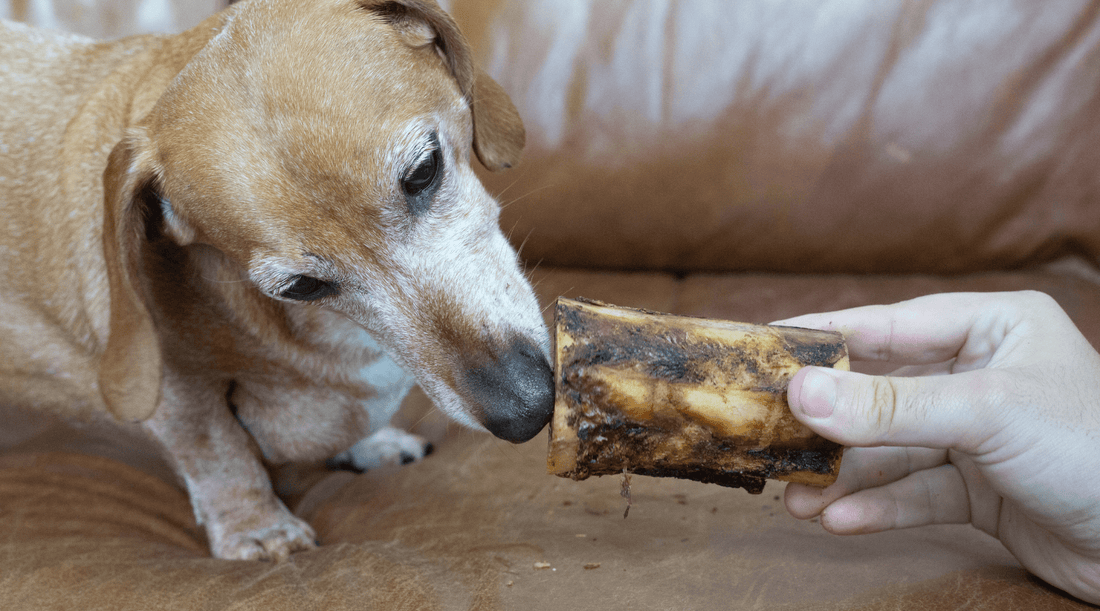
Raw bones are generally safer for dogs because they are less likely to splinter. They provide natural nutrients and help keep your dog's teeth clean. However, raw bones can carry bacteria, so always source them from a trusted supplier and handle them hygienically.
Cooked bones, on the other hand, become brittle and can easily break into sharp pieces. These splinters can cause choking, internal injuries, or digestive blockages. Avoid giving cooked bones to your dog, no matter how tempting it might be to share your leftovers.
Commercial Chew Alternatives
Commercial chews offer a safer and often healthier option. Many are designed to be digestible and enriched with vitamins to support dental health. Look for products approved by veterinary dental associations to ensure quality and safety.
These alternatives come in various flavors and textures, which can keep your dog interested longer. Some even help reduce bad breath and tartar buildup. Have you noticed how your dog reacts differently to various chew types? Observing this can guide you in picking the perfect chew.
Size And Shape Considerations
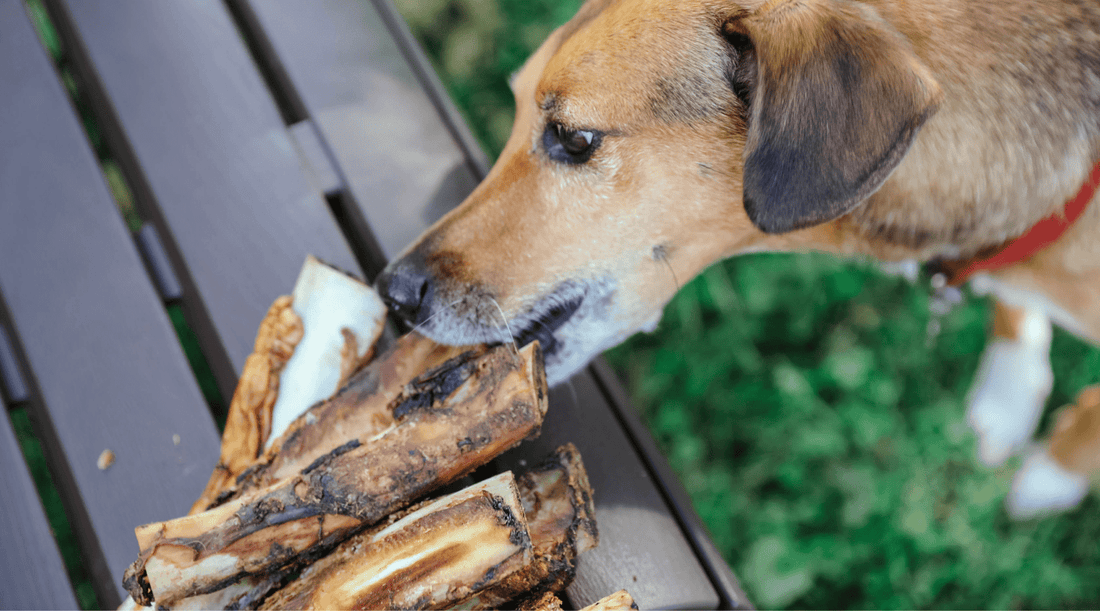
Choosing the right size and shape is as important as the type of bone itself. A bone that's too small can be a choking hazard or cause blockages. Conversely, a bone that’s too large might be difficult for your dog to handle and could lead to frustration or injury.
Look for bones that are longer than your dog's muzzle and thick enough to prevent easy swallowing. Avoid bones with sharp edges or irregular shapes that can cut your dog's mouth or throat. What size bone does your dog seem most comfortable with? Watching their chewing style can offer valuable clues.
Recommended Chewing Duration
Knowing how long your dog should chew on a bone is key to keeping them safe and happy. Chewing too long can lead to dental damage or digestive issues, but too little chewing may leave your dog unsatisfied. Finding the right balance depends on several factors, including your dog's age, breed, and behavior.
Age And Breed Factors
Puppies have softer teeth and jaws, so they need shorter chewing sessions to avoid injury. Older dogs, especially those with dental problems, should also have limited chew time to prevent discomfort.
Large breeds like Labradors or German Shepherds often enjoy longer chewing sessions because their teeth and jaws are stronger. Small breeds, such as Chihuahuas, require shorter periods to avoid damaging their smaller teeth.
Signs To Stop Chewing
Watch your dog closely for signs that it’s time to stop. If your dog starts to swallow large bone pieces, appears overly tired, or shows signs of discomfort, it’s a clear signal to end the chewing session.
Also, if you notice excessive drooling, choking, or if the bone becomes too small and splintered, remove it immediately to prevent choking hazards or injuries.
Daily Time Limits
Setting daily chewing limits helps maintain dental health without overdoing it. Most dogs should not chew on bones for more than 15 to 20 minutes at a time, with a total of about 30 to 60 minutes spread throughout the day.
You can divide chew time into multiple short sessions to keep your dog engaged and prevent boredom. Have you tried timing your dog’s chewing and adjusting based on their reaction? It’s an easy way to find the perfect duration for your furry friend.
Credit: k9connoisseur.com
Potential Risks
Giving your dog a bone can seem like a harmless treat, but it’s important to understand the potential risks involved. Chewing for too long or on the wrong type of bone can lead to serious health problems. Being aware of these dangers helps you keep your furry friend safe and happy.
Choking Hazards
Small pieces can break off bones and get stuck in your dog’s throat. This can cause choking, which is a medical emergency. Always watch your dog closely, especially if they are aggressive chewers.
Think about this: Have you ever seen a dog suddenly stop chewing and start coughing? That could be a sign of a lodged bone fragment. It’s better to be cautious and remove the bone if your dog seems to be struggling.
Tooth Damage
Hard bones can crack or break your dog’s teeth. This can lead to pain, infection, and expensive vet bills. Dogs with sensitive teeth or dental issues are especially at risk.
One dog owner shared how their pet cracked a tooth on a large beef bone and needed dental surgery. The excitement of a new bone wasn’t worth the pain and cost. Consider softer alternatives or bones designed specifically for chewing safety.
Digestive Issues
Swallowing bone fragments can cause blockages or tears in the digestive tract. This can lead to vomiting, constipation, or severe internal injuries. Even small splinters can be dangerous if swallowed.
Have you noticed your dog vomiting after chewing on a bone? It’s a warning sign that something might be wrong inside their stomach or intestines. If you see any unusual behavior, contact your vet immediately.
Safety Tips For Bone Chewing
Chewing on bones can be a great way for your dog to stay entertained and maintain dental health. However, safety should always come first to prevent choking hazards or digestive issues. Paying close attention to how your dog interacts with their bone can save you from unexpected vet visits and keep your furry friend happy.
Supervision Guidelines
Always watch your dog while they chew. Even the most well-behaved chewers can break off large chunks that pose choking risks.
If your dog is new to bone chewing, stay nearby to see how aggressively they chew. Some dogs may need a gentler introduction.
Ask yourself: Is your dog swallowing small pieces or just gnawing? This insight will help you decide if supervision is enough or if you need to intervene.
Cleaning And Storage
Bones can carry bacteria after your dog has been chewing on them, so clean them regularly with warm water. Avoid using harsh chemicals that could leave harmful residues.
Store bones in a cool, dry place to prevent mold and bacterial growth. A sealed container in the fridge works well if you want to reuse the bone safely.
Have you noticed an unpleasant smell or slimy texture on your dog’s bone? That’s a clear sign it’s time to toss it out.
When To Replace Bones
Replace bones once they become small enough to swallow whole or develop sharp edges. These conditions increase the risk of choking and mouth injuries.
Keep an eye on cracks or splinters that could break off during chewing. If your dog’s bone looks worn out, don’t wait until an accident happens—get a new one.
Consider your dog’s chewing habits and size when selecting replacement bones. A bone too hard or too soft can lead to dental damage or boredom.

Credit: k9connoisseur.com
Alternatives To Bones
Dogs love to chew. Bones are popular, but not the only choice. Safe alternatives protect your dog's teeth and health. These options keep dogs busy and happy. They also clean teeth and freshen breath.
Dental Chews
Dental chews help reduce plaque and tartar. They come in many flavors dogs enjoy. These chews are made to break down safely. Choose sizes that fit your dog's mouth well. Always watch your dog while chewing.
Rubber Toys
Rubber toys are durable and gentle on teeth. They come in various shapes and sizes. Some can be stuffed with treats for extra fun. They satisfy the need to chew without splinter risks. Regular cleaning keeps these toys safe and fresh.
Frozen Treats
Frozen treats cool and soothe your dog's gums. They are perfect for teething puppies or hot days. You can freeze broth, yogurt, or dog-safe fruits. These treats last longer and keep dogs entertained. They offer a tasty, healthy chewing option.

Credit: k9connoisseur.com
Frequently Asked Questions
How Long Can Dogs Safely Chew On Bones?
Dogs can safely chew bones for about 10 to 20 minutes. Prolonged chewing increases risks of tooth damage and choking. Always supervise your dog while chewing and remove the bone if it becomes small or splintered.
What Factors Affect How Long Dogs Chew Bones?
Age, breed, and chewing habits affect chewing duration. Puppies and aggressive chewers may need shorter sessions. Hard bones require closer supervision. Tailor chewing time based on your dog's behavior and bone type to ensure safety.
How Often Should Dogs Chew On Bones Weekly?
Allow dogs to chew bones 2 to 3 times per week. Frequent chewing helps dental health but overdoing it can cause tooth wear. Monitor your dog’s chewing pattern and adjust frequency accordingly for balanced dental care.
When Should I Stop My Dog From Chewing A Bone?
Stop chewing if the bone splinters, becomes small, or your dog shows discomfort. Also, limit chewing time to prevent dental damage. Always supervise to detect hazards early and keep your dog safe during bone chewing sessions.
Conclusion
Dogs enjoy chewing bones, but safety matters most. Limit chew time to 10-15 minutes per session. Watch your dog closely to avoid choking risks. Choose bones made for dogs, not cooked ones. Clean up leftovers to keep your dog healthy.
Regular breaks help protect teeth and gums. Remember, every dog is different in chewing habits. Keep these tips in mind for happy, safe chewing. Your dog will thank you with a wagging tail.