Is your furniture turning into an unwanted bathroom for your dog? You’re not alone, and the frustration can feel overwhelming.
But don’t worry—there are simple, effective ways to stop your dog from peeing on your furniture. Imagine enjoying your favorite chair or couch without worrying about stains or odors. You’ll discover practical tips that make your home cleaner and your dog happier.
Keep reading to find out how to take back control and protect your furniture for good.
Identify The Cause
Stopping your dog from peeing on furniture starts with understanding why it happens. Dogs don’t just pee inside for no reason. Finding the cause helps you fix the problem faster. It also keeps your dog healthy and happy. Look closely at your dog’s health, habits, and surroundings. Each factor tells a part of the story.
Medical Issues To Rule Out
Some health problems cause dogs to pee inside. Urinary tract infections can make it hard for dogs to hold urine. Diabetes or kidney disease may increase urination. Older dogs might have weak bladder muscles. Visit a vet for a full checkup. Testing urine and blood can find hidden issues. Treating health problems can stop unwanted peeing quickly.
Behavioral Triggers
Dogs often pee on furniture due to stress or anxiety. New pets or changes at home can upset them. Some dogs mark territory to show dominance. Lack of proper house training also causes accidents. Pay attention to your dog’s mood and routine. Training and calming techniques help reduce this behavior. Positive rewards teach dogs where to pee correctly.
Environmental Factors
Where your dog lives and plays affects peeing habits. Crowded spaces or lack of outdoor access cause indoor accidents. Strong smells on furniture may invite dogs to pee there again. Clean the furniture well with pet-safe cleaners. Provide easy access to outdoor potty spots. A calm and clean environment helps your dog feel safe and secure.

Credit: www.amazon.ca
Clean Soiled Areas Properly
Cleaning soiled areas properly is key to stopping dogs from peeing on furniture. The right cleaning removes stains and odors that attract your dog back. Simply wiping the spot is not enough. Deep cleaning targets the urine’s source and smell. This helps break the habit and protects your furniture.
Choosing The Right Cleaners
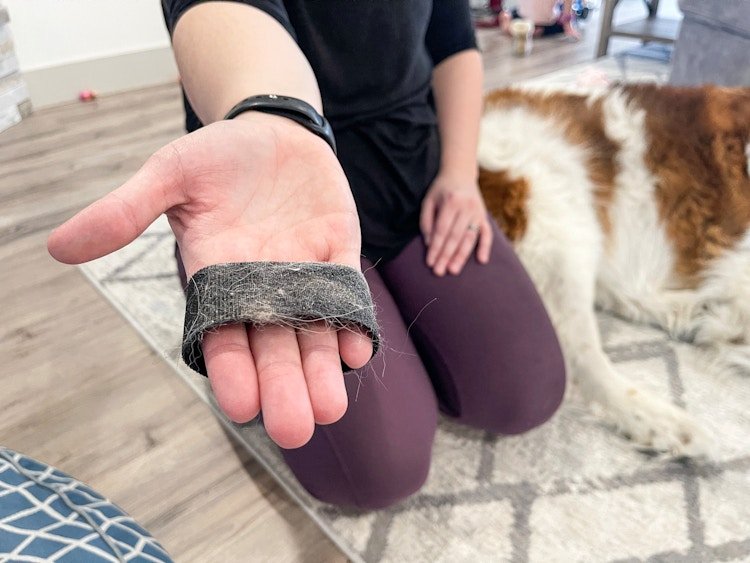
Not all cleaners work well on pet urine. Avoid ammonia-based products. They smell like urine and confuse your dog. Use enzymatic cleaners instead. These break down urine molecules completely. They remove stains and odors safely. Look for cleaners made for pet stains. Test any cleaner on a small fabric area first to avoid damage.
Removing Odors Completely
Odor removal stops your dog from marking the same spot again. After cleaning, air out the room well. Use a fan or open windows to speed drying. Baking soda also helps absorb odors. Sprinkle it on dry areas and vacuum later. Repeat cleaning if any smell remains. A fresh, odor-free area discourages repeat accidents on your furniture.
Train With Positive Reinforcement
Training your dog with positive reinforcement is a powerful way to stop unwanted behaviors like peeing on furniture. This approach focuses on rewarding good habits rather than punishing mistakes, making learning a positive experience for your dog. It builds trust and encourages your pet to repeat behaviors you want.
Rewarding Desired Behavior
Catch your dog in the act of doing the right thing, like peeing outside or on a designated spot. Immediately give praise, treats, or affection to reinforce this behavior. Timing is key — rewards must come right after the action so your dog connects the two.
Use small, tasty treats your dog loves. You can also use a favorite toy or extra playtime as a reward. Consistency helps your dog understand exactly what behavior earns positive attention.
Think about what motivates your dog the most. Is it treats, praise, or a game? Use that as your reward to make training more effective and enjoyable for both of you.
Using Commands Effectively
Teach your dog clear commands like “go potty” or “outside” to signal where you want them to pee. Pair these commands with your reward system to create a strong link between the word and the action.
Say the command in a calm, firm voice and wait patiently for your dog to respond. When they do, reward immediately. Repeating this helps your dog learn that obeying the command leads to positive outcomes.
Have you noticed how some dogs respond better to certain words or tones? Experiment with different commands and voices to find what your dog understands best. This personal touch can speed up training progress.
Limit Access To Furniture
Limiting your dog's access to furniture helps reduce unwanted peeing. Dogs often choose sofas or chairs to mark or relieve themselves. Blocking their way prevents accidents and helps teach better habits. This approach works well alongside training and patience.
Physical Barriers
Use physical barriers to keep dogs off furniture. Baby gates or pet pens create clear boundaries. Close doors to rooms with tempting furniture. Place large objects like boxes or chairs on couches. This makes furniture less inviting and blocks access.
Choose barriers that suit your space and dog size. Soft barriers like cushions can discourage jumping. Hard barriers like gates stop entry completely. Change barriers as your dog learns and grows.
Supervision Strategies
Watch your dog closely when near furniture. Stay nearby to stop accidents before they happen. Use a leash indoors to control movement. Redirect your dog to a more suitable spot. Praise and reward good behavior away from furniture.
Supervision helps catch signs of peeing early. Look for sniffing or circling near furniture. Interrupt and guide your dog outside or to a potty pad. Consistent attention speeds up learning and reduces accidents.
Create Designated Bathroom Spots
Creating designated bathroom spots is key to stopping your dog from peeing on furniture. Dogs need clear guidance about where they are allowed to relieve themselves. Setting up specific areas helps your dog understand the right place to go, which reduces accidents inside your home.
Outdoor Training Tips
Choose a quiet, easily accessible spot outside for your dog to use as their bathroom area. Consistency is crucial—take your dog to the same spot every time they need to go. This repetition helps them form a strong habit.
Use positive reinforcement like treats and praise immediately after your dog goes in the right spot. This builds a clear connection between the action and the reward. Avoid punishment if accidents happen; it can confuse or scare your dog.
Keep the outdoor spot clean to encourage your dog to return there. Some dogs avoid places with strong odors from previous accidents. Have patience—some dogs take longer to get used to a new bathroom routine.
Indoor Potty Solutions
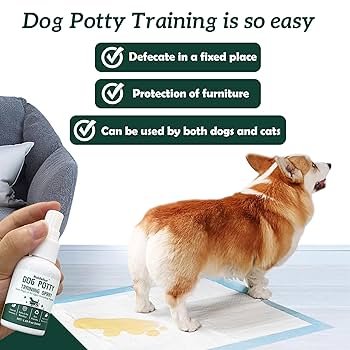
If outdoor access is limited, set up an indoor potty area with pee pads or artificial grass. Place it in a quiet corner away from your dog’s food and sleeping areas. Make sure the spot is easy for your dog to find and reach.
Teach your dog to use this area by guiding them there regularly, especially after meals or naps. Reward them when they use the spot correctly, reinforcing the behavior. Change the pads frequently to keep the spot fresh and inviting.
Consider crate training to help manage your dog’s bathroom schedule indoors. Dogs usually avoid soiling their sleeping area, so a properly sized crate can encourage holding until they reach the designated spot. Have you noticed how dogs naturally want to keep their space clean? Use that to your advantage.
Credit: pethelpful.com
Use Deterrents Safely
Using deterrents to stop your dog from peeing on furniture can be very effective, but it’s important to use them safely. Some deterrents might irritate your pet or damage your belongings if not applied correctly. Understanding the right way to use scent and texture deterrents can protect both your dog and your home.
Scent Repellents
Dogs dislike certain smells like citrus, vinegar, or commercial pet repellents. You can use these scents to discourage your dog from approaching furniture. Spray a small amount on the edges or corners where your dog tends to pee, but avoid soaking the fabric to prevent damage.
Be cautious with essential oils, as some can be harmful to dogs. Always dilute them and test a small area first. Have you noticed your dog avoiding areas with strong scents? This natural instinct can work in your favor if you apply scents thoughtfully and safely.
Texture Deterrents
Dogs often avoid uncomfortable surfaces. Placing materials with an unpleasant texture on furniture can stop your dog from jumping or peeing on it. Try laying down aluminum foil, double-sided tape, or plastic mats with nubs on spots your dog targets.
Make sure these textures don’t hurt your dog. The goal is to create a barrier that feels strange, not painful. Have you tried rearranging your furniture or adding texture barriers? It’s a simple way to redirect your dog’s behavior without harsh corrections.
Adjust Routine And Environment
Adjusting your dog's routine and environment can make a huge difference in stopping unwanted peeing on furniture. Dogs thrive on consistency, and small changes to their daily habits can help them feel more secure and less likely to have accidents. Let’s look at how you can create a better routine and a calming space for your furry friend.
Regular Bathroom Breaks
Make sure your dog has plenty of chances to relieve themselves outside throughout the day. Puppies and older dogs especially need more frequent bathroom breaks—every 2 to 4 hours is a good rule of thumb.
Try setting alarms if you have a busy schedule. This helps you avoid missing those important potty times. When your dog goes outside successfully, praise them immediately to build positive habits.
Have you noticed if accidents happen mostly at certain times? Tracking this can help you predict when your dog needs to go out, reducing indoor messes significantly.
Stress Reduction Techniques
Stress can cause dogs to pee indoors as a way to cope or mark territory. To reduce stress, create a calm environment by limiting loud noises and providing a safe, cozy spot for your dog.
Try using calming aids like pheromone diffusers or soothing music designed for dogs. These small additions can make a surprising difference in your pet’s comfort level.
Exercise is another powerful stress reliever. Regular walks or playtime burn off excess energy and help your dog relax, which lowers the chance of indoor accidents.

Credit: www.amazon.com
Seek Professional Help
Dealing with a dog that pees on your furniture can be frustrating and stressful. Sometimes, despite your best efforts, the problem persists. That's when seeking professional help can make a real difference.
Professionals can identify underlying issues that you might miss. They bring experience and tools tailored to your dog's specific behavior. This approach can save you time, effort, and even your favorite couch.
Veterinarian Consultation
Health problems often cause sudden changes in bathroom habits. Urinary tract infections, bladder stones, or even diabetes can lead your dog to pee indoors. A quick visit to the vet can rule out or confirm these issues.
Your vet might suggest tests or medications that can stop the problem at its root. Ignoring health issues can make training ineffective and prolong the frustration. Have you noticed any other signs, like frequent licking or discomfort? These are clues worth sharing with your vet.
Professional Training Services
If your dog's health is fine, behavior is the next area to explore. Certified dog trainers specialize in correcting unwanted habits like furniture marking. They use positive reinforcement techniques that motivate your dog without fear.
Trainers can customize a plan that fits your dog's personality and your home environment. They also guide you on how to respond calmly and consistently. Imagine turning each training session into a bonding moment rather than a battle.
Would you be open to investing in a few sessions to see if professional guidance changes your dog's habits? Sometimes, an outside perspective is all you need to fix a problem that feels overwhelming.
Frequently Asked Questions
How Can I Prevent My Dog From Marking Furniture?
To stop your dog from marking furniture, use deterrent sprays and keep the area clean. Consistent training and supervision are key. Also, ensure your dog is well-exercised and mentally stimulated. Consider consulting a veterinarian for any underlying medical issues.
Why Do Dogs Pee On Furniture?
Dogs may pee on furniture due to territorial marking, anxiety, or medical issues. They might also be attracted to lingering scents. Understanding the root cause can help in addressing this behavior effectively.
What Scents Deter Dogs From Peeing?
Citrus scents, vinegar, and essential oils like eucalyptus can deter dogs from peeing. Applying these scents to furniture may help. Always test a small area first to ensure no damage to the furniture material.
Is It Possible To Train Dogs Not To Pee Indoors?
Yes, consistent training can teach dogs not to pee indoors. Use positive reinforcement to encourage good behavior. Reward your dog for peeing outside, and provide regular bathroom breaks.
Conclusion
Stopping dogs from peeing on furniture takes patience and care. Consistency in training helps your dog learn the right habits. Use cleaning products that remove smells to avoid repeats. Provide your dog with a clear place to go outside. Watch your pet closely and reward good behavior often.
Small changes make a big difference over time. Your furniture stays clean, and your dog feels happy. Keep trying, and success will come with steady effort.