

If you have a metal door and a furry friend eager to come and go freely, installing a dog door can be a game-changer. But metal doors can feel tricky to work with, right?
Don’t worry—you can do this yourself with the right steps and tools. Imagine how much easier your life will be when your dog can step outside anytime without needing you to open the door. In this guide, you’ll learn simple, clear instructions to install a dog door in your metal door safely and effectively.
Ready to make your home more pet-friendly? Let’s get started!
Choosing The Right Dog Door
Choosing the right dog door for your metal door is crucial to ensure it fits well, functions smoothly, and keeps your home secure. It’s not just about picking a door that looks good—your dog’s comfort, the durability of the door, and safety all play a role. Think about what suits your dog’s size, your door’s material, and your security needs before making a decision.
Sizing Your Dog Door
Measure your dog’s height and width carefully before selecting a dog door. The door should be slightly larger than your dog’s shoulder width and tall enough for them to pass through comfortably. Imagine your dog squeezing through a door that’s too small—uncomfortable and frustrating, right? Getting the right size avoids this hassle and helps your dog use the door confidently.
Selecting Material And Style
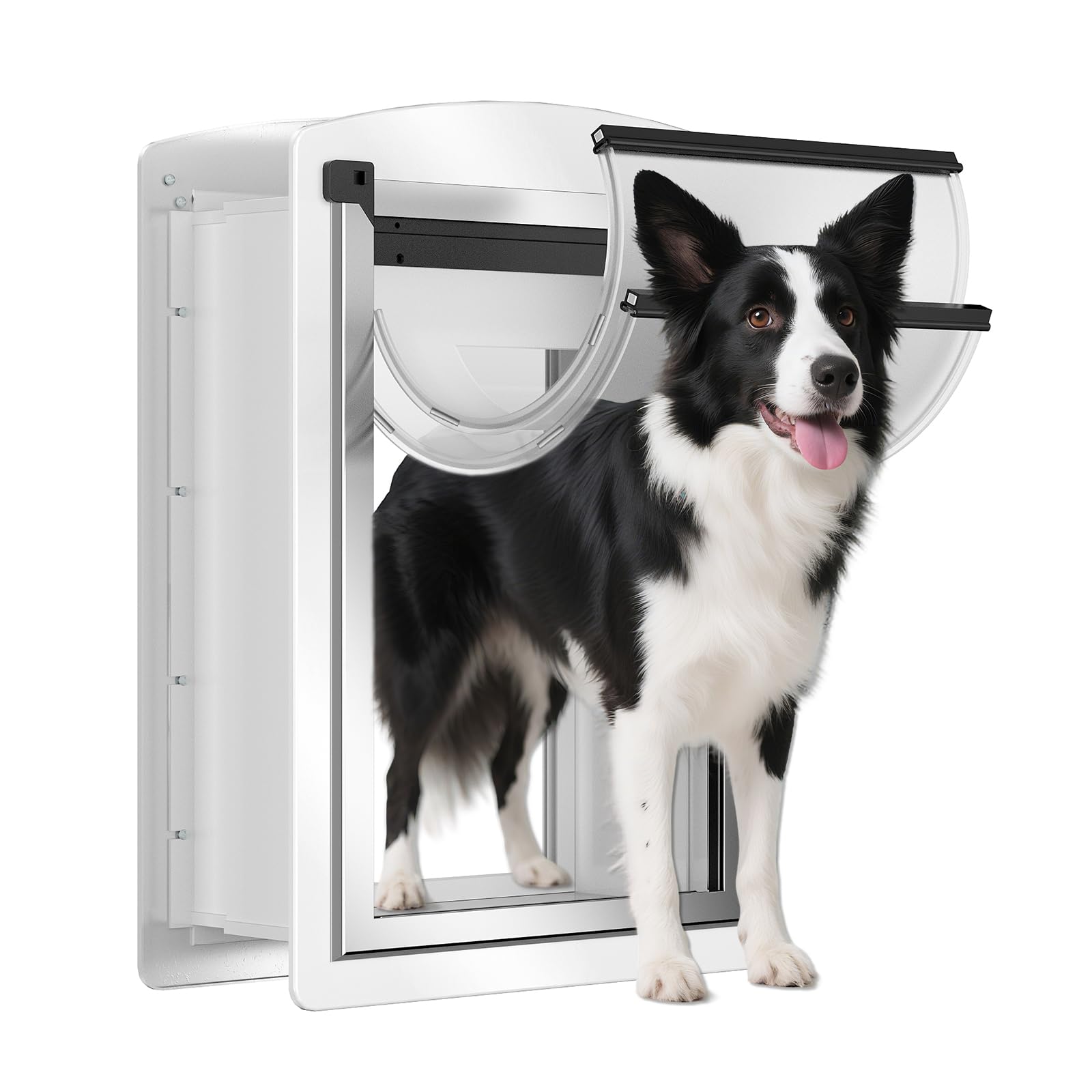
Metal doors need a dog door made of strong, weather-resistant materials. Look for doors with aluminum or stainless steel frames to match your metal door’s durability. Some dog doors come with flexible flaps, while others have rigid panels—think about what would be easier for your dog to use and what suits your climate best. A door with a magnetic or weighted flap can help keep out drafts and pests.
Considering Security Features
Security is often overlooked but vital, especially for exterior metal doors. Choose a dog door with lockable panels or electronic locking systems to control when your dog can go in and out. Would you feel comfortable leaving your door open to strangers? A secure dog door prevents unwanted animals or intruders from entering your home.
Gathering Necessary Tools
Before you start cutting into your metal door, gathering the right tools is crucial. Having everything ready will save you from frustrating interruptions and ensure a smooth installation process. You might think you just need a drill, but the right combination of tools can make a huge difference in precision and safety.
Essential Tools List
To install a dog door in a metal door, you will need a few specific tools. These help you measure, cut, and secure the door flap properly.
- Measuring tape:Accurate measurements prevent mistakes that could ruin the door.
- Marker or pencil:Mark the exact spot where the door will go.
- Drill with metal drill bits:Drill the pilot holes for cutting and mounting.
- Jigsaw with a metal cutting blade:Cut through the metal door smoothly.
- Screwdriver:Attach the dog door frame securely.
- File or sandpaper:Smooth any sharp edges after cutting.
- Clamps:Hold the dog door in place while you work.
Do you have all these tools ready? Missing even one could slow you down or compromise the installation quality.
Safety Equipment
Working with metal and power tools can be risky if you don’t protect yourself. Safety equipment is just as important as the tools themselves.
- Safety goggles:Protect your eyes from metal shards and dust.
- Work gloves:Prevent cuts and provide a better grip on tools.
- Ear protection:Power tools can be loud and damage your hearing.
- Dust mask:Metal dust can irritate your lungs during cutting.
Have you ever underestimated the value of safety gear during a home project? Wearing these items can save you from serious injuries and keep the process stress-free.
Preparing The Metal Door
Preparing the metal door is a key part of installing a dog door. It ensures the door stays strong and the dog door fits perfectly. Careful preparation helps avoid damage and makes the installation easier. Follow clear steps to get the best results.
Measuring And Marking The Cutout
Start by measuring your dog door carefully. Use a tape measure to note the height and width needed. Measure twice to avoid mistakes. Mark the outline on the metal door using a pencil or marker. Keep the lines clear and straight.
Check the markings before cutting. Make sure the door frame will not be weakened. Position the cutout where your dog can easily enter and exit. Avoid areas with door hardware or hinges.
Protecting The Door Surface
Protect the door surface before cutting to prevent scratches. Use painter’s tape or masking tape around the marked area. This will shield the metal and keep the lines visible. Wear gloves to protect your hands during work.
Place a drop cloth or cardboard under the door to catch metal shavings. Clean the surface after cutting to remove sharp edges. A smooth finish makes the dog door safer for your pet.
Credit: www.amazon.com.au
Cutting The Opening
Cutting the opening for your dog door in a metal door is a crucial step that demands precision and care. This part of the installation sets the foundation for a clean, secure fit that will keep your home insulated and your pet happy. If you rush or cut inaccurately, you could weaken the door or end up with a door flap that doesn’t close properly.
Drilling Starter Holes
Begin by marking the exact outline of the dog door on your metal door using a pencil or marker. You’ll need to drill starter holes at each corner of this outline. These holes act as entry points for your jigsaw blade and help prevent the metal from bending or cracking.
Use a drill bit designed for metal—preferably cobalt or titanium-coated—to make clean holes. Keep the drill steady and apply moderate pressure; forcing the drill too hard can cause the bit to slip. Have you checked if your drill speed matches the bit’s recommended settings? This can make a big difference in efficiency and safety.
Using The Jigsaw Safely
Once your starter holes are drilled, insert the jigsaw blade into one of them to start cutting along the marked lines. Choose a fine-toothed blade made for metal cutting to get smooth, controlled cuts. Always wear safety glasses and gloves—metal shards can fly unexpectedly and cause injury.
Keep your hand steady and let the saw do the work; pushing too hard can cause the blade to bend or break. If the jigsaw feels like it’s struggling, pause and check the blade condition or speed. Remember, this isn’t a race—accuracy beats speed every time when cutting metal.
Smoothing Edges
After cutting out the opening, your metal edges will be sharp and uneven—this can be dangerous and may prevent the dog door from fitting properly. Use a metal file or a rotary tool with a grinding attachment to smooth and round off all edges carefully. Take your time to check each edge by running your fingers lightly to avoid cuts later.
Cleaning up the edges not only protects your pet from injury but also ensures a snug seal against weather and drafts. Have you thought about how a rough edge might affect the durability of your dog door over time? A smooth finish can extend the life of your installation significantly.
Installing The Dog Door Frame
Installing the dog door frame in a metal door requires precision and patience. The frame serves as the foundation for the flap and ensures durability against weather and daily use. Taking your time here will make the rest of the installation smoother and keep your furry friend safe and comfortable.
Fitting The Flap And Frame
Start by carefully aligning the dog door frame with the cutout in your metal door. It’s important to check that the flap swings freely without rubbing against the metal edges. If the flap doesn’t move smoothly, it may need slight adjustments or sanding along the edges.
Take a moment to test the flap’s flexibility before securing the frame. Does it close firmly to keep out drafts? If not, reposition the frame or flap until you get a snug fit that still allows easy access for your dog.
Securing With Screws
Once you’re satisfied with the fit, it’s time to secure the frame using screws designed for metal surfaces. Use a drill with the appropriate bit to avoid stripping the screws or damaging the door.
- Pre-drill small holes to prevent the metal from bending or cracking.
- Choose screws that are rust-resistant, especially if your door faces the outdoors.
- Tighten the screws evenly, alternating between them to keep the frame flat and secure.
Ask yourself: have you checked that the screws don’t interfere with the flap’s movement? If any screw heads stick out or block the flap, adjust or trim them as needed. A well-secured frame will keep your dog door sturdy and functional for years to come.
Sealing And Finishing Touches
Sealing and finishing touches are essential to ensure your dog door installation in a metal door is both durable and efficient. Without proper sealing, you risk drafts, moisture, and pests entering your home. Taking a little extra time now will save you headaches later and keep your furry friend happy.
Weatherproofing The Door
Start by applying a high-quality weatherproof sealant around the edges of the dog door frame. This prevents water and cold air from sneaking in through tiny gaps. Use a silicone-based sealant that adheres well to metal surfaces for the best protection.
Don't forget to check the door’s exterior side too. Adding a foam gasket or rubber trim around the frame can further block drafts and improve insulation. Have you noticed how even small leaks can make a big difference in your home's energy bills?
Testing The Flap Operation
Once sealed, test the flap by gently pushing it open and closed several times. It should swing freely without sticking or making noise. If it feels stiff, check for any rough edges or debris caught in the hinges and smooth them out.
Pay attention to how the flap returns to its closed position. A properly weighted flap keeps your dog safe from cold air and prevents unwanted visitors. Try observing your dog use it too—does the flap move smoothly when they push through?
Maintenance Tips
Maintaining your dog door is key to ensuring it stays functional and safe for your pet over time. Regular upkeep prevents small issues from turning into costly repairs. Let’s look at how you can keep your dog door in top shape with simple, practical steps.
Cleaning The Dog Door
Dust and dirt build up quickly on the flap and frame of your dog door. Wiping it down weekly with a damp cloth removes grime that could cause the door to stick or wear unevenly.
Don’t forget to clean the edges of the flap where dirt tends to accumulate. Using mild soap and water works well—avoid harsh chemicals that might damage the door’s materials.
Have you noticed your dog hesitating to use the door? Sometimes a dirty flap can make it harder for them to push through. Keeping it clean helps your pet feel comfortable and confident.
Checking For Wear And Tear
Inspect your dog door regularly for cracks, loose screws, or warped edges. These small signs of wear can affect how well the door seals and operates.
Pay special attention to the flap hinges and the frame’s attachment to the metal door. Tighten any loose screws and replace worn parts before they cause bigger problems.
Ask yourself: Does the flap swing freely without sticking? If not, it might be time for a quick adjustment or replacement. Catching these issues early keeps your dog door working smoothly and your pet happy.

Credit: www.amazon.ca

Credit: www.amazon.com.au
Frequently Asked Questions
What Tools Are Needed To Install A Dog Door In A Metal Door?
You need a drill, jigsaw, metal cutting blade, measuring tape, screwdriver, and safety gear. These tools help ensure precise cuts and secure installation.
How Do I Measure For A Dog Door On A Metal Door?
Measure your dog’s height and width for the door size. Mark the metal door at your pet’s chest height for easy access.
Can I Install A Dog Door Without Damaging My Metal Door?
Careful cutting and proper tools minimize damage. Use protective tape and follow instructions to keep your door intact and functional.
How Do I Secure The Dog Door To A Metal Door?
Use screws and brackets provided with the dog door kit. Tighten them firmly to prevent wobbling and ensure durability.
Conclusion
Installing a dog door in a metal door can seem tricky. Yet, with patience and the right tools, you can succeed. Follow the steps carefully and measure twice. Ensure the door fits snugly. This keeps your home secure and your pet happy.
Take your time and double-check each step. Soon, your dog will have easy access. Enjoy the freedom it brings to both you and your furry friend. Happy installing!