

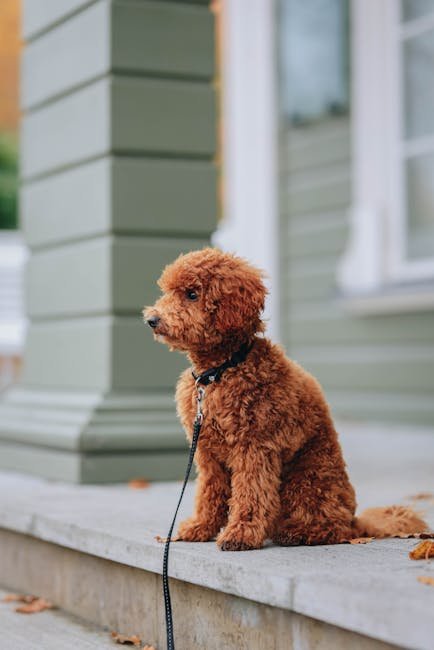
If you want to train your dog effectively, knowing how to put a choke collar on your dog the right way is key. Using a choke collar incorrectly can cause discomfort or even harm, but when done properly, it can help you gain better control and improve your dog’s behavior.
In this guide, you’ll discover simple steps to fit the collar safely and comfortably, so your dog stays happy while learning. Keep reading to make sure you’re doing it right every time.
Choosing The Right Choke Collar
Choosing the right choke collar is key to training your dog safely and effectively. The collar must fit well and be comfortable for your dog. It should also be made from strong materials that last through daily use. Your dog’s size and behavior influence the best collar choice.
Materials And Sizes
Choke collars come in different materials. Metal chain collars are common and durable. Nylon collars are lighter and softer. Each material affects how the collar works and feels.
Size matters a lot. Measure your dog's neck with a soft tape measure. Add about two inches for comfort. The collar should fit snugly but not too tight. Too loose means it won’t work well. Too tight can hurt your dog.
- Small dogs need thinner, lighter collars.
- Large dogs require thicker, stronger collars.
Safety Features To Look For
Safety is the top priority. Pick collars with smooth edges to prevent cuts. Look for collars with quick-release or breakaway features. These help in case your dog pulls too hard or gets stuck.
Check for rust-resistant materials, especially for metal collars. Avoid collars with sharp links or rough finishes. These can cause injury or discomfort. A good collar should allow easy control without harm.

Credit: www.neandno.at
Preparing Your Dog
Preparing your dog before putting on a choke collar is crucial for a smooth experience. It helps your dog feel safe and reduces resistance. Taking the time to prepare sets a positive tone for training and prevents stress for both of you.
Calming Your Dog
Before you even touch the collar, make sure your dog is calm. Try gentle petting or soft talking to create a peaceful environment. If your dog is energetic or anxious, a short walk or play session can help burn off excess energy.
Watch your dog’s body language closely. Are the ears relaxed? Is the tail wagging gently? If your dog seems tense or distracted, pause and focus on calming first. You want your dog to associate the collar with calmness, not fear.
Introducing The Collar Slowly
Don’t rush to clip on the choke collar right away. Let your dog sniff and explore it at their own pace. Hold the collar near your dog during play or feeding times to build positive associations.
Try placing the collar gently around your dog’s neck without fastening it at first. This lets your dog get used to the feel without pressure. If your dog pulls away, step back and try again later. Patience here is key to avoid resistance.
Have you noticed your dog reacting differently to new things in the past? Use those moments to guide how slowly you introduce the collar. Your dog’s comfort matters more than speed.
Fitting The Collar Correctly
Fitting a choke collar correctly is key to your dog’s safety and comfort. The collar must sit in the right place and fit just right. Too loose, and it won’t work well. Too tight, and it can hurt your dog. Proper fit helps control your dog without causing harm. Follow these tips to ensure the collar fits well and works as intended.
Positioning On The Neck
Place the choke collar high on your dog’s neck. It should sit just behind the ears. This spot gives you better control. The collar should rest above the throat, not on the windpipe. Avoid placing it too low near the shoulders. The right position keeps your dog safe and comfortable during walks.
Adjusting The Fit
Adjust the collar so it fits snugly but not tight. You should fit two fingers between the collar and the neck. The collar must move freely but not slip off. Check the fit before every walk. A well-adjusted collar prevents choking or slipping. Always watch your dog for signs of discomfort.
Putting The Collar On
Putting a choke collar on a dog requires care and attention. The collar must fit correctly to work safely. A proper fit helps control your dog without causing harm. This section explains how to place the collar gently and adjust it well.
Step-by-step Placement
- Hold the choke collar open in one hand.
- Let your dog stay calm and stand still.
- Place the collar over your dog’s head.
- Make sure the collar slides easily over the ears.
- Adjust the collar so the loop hangs down under the neck.
- Position the collar high on the dog’s neck, just behind the ears.
Ensuring Proper Function
The collar should tighten smoothly without sticking. It must loosen immediately when you stop pulling. Test by gently pulling the leash and watching the collar’s movement. Avoid fitting the collar too tight; it should slip off with a firm pull. Check the collar often to prevent discomfort or injury.
Using The Collar Safely
Using a choke collar safely is essential to protect your dog's well-being while training. It’s not just about putting the collar on but understanding when and how to use it properly. Misuse can cause discomfort or injury, so paying attention to safety helps ensure positive results.
When To Use The Collar
Choke collars should only be used during specific training sessions, not as a regular collar. Use it when you need to correct unwanted behaviors like pulling or lunging on a walk.
If your dog is calm and walking nicely, take the collar off. Prolonged use can irritate your dog’s neck and skin.
Ask yourself: Is this the right moment to use a correction tool, or can positive reinforcement work better?
Avoiding Common Mistakes
- Never leave the choke collar on unsupervised.Dogs can get caught on objects, risking choking or injury.
- Don’t use excessive force.A gentle tug is enough to get your dog’s attention; harsh pulls can cause pain.
- Make sure the collar fits properly.It should be snug but not too tight—about two fingers should fit between the collar and your dog’s neck.
- Avoid using the collar on puppies or dogs with respiratory problems.Their necks are more sensitive and vulnerable.
- Use consistent commands along with the collar.This builds understanding, so your dog learns what behavior you expect.
In my experience, rushing into corrections without clear signals confused my dog and made training harder. Using the choke collar carefully, combined with patience, made a noticeable difference.
Training Tips With A Choke Collar
Training with a choke collar requires care and attention to your dog's responses. It’s not just about controlling behavior but guiding your dog to understand what you expect. Using the collar correctly can enhance communication between you and your dog, making training more effective and respectful.
Positive Reinforcement
Always pair the use of a choke collar with positive reinforcement. When your dog responds well, immediately reward with treats or praise. This helps your dog associate the collar’s correction with a chance to earn something good.
Try to keep training sessions short and focused. Dogs learn better when they feel motivated, not scared. Have you noticed how your dog reacts more quickly when you use a happy tone?
Correcting Behavior Gently
Use the choke collar to give a quick, gentle correction—not a constant pull. A brief tug followed by release teaches your dog to pay attention without causing stress. If you pull too hard or too long, your dog may become fearful or confused.
Pay close attention to your dog's body language. If your dog shows signs of discomfort, stop and reassess your approach. Are you correcting at the right moment, or could the timing be off?
Alternatives To Choke Collars
Choke collars often raise concerns due to their potential to cause discomfort or injury to dogs. Many dog owners look for safer and more effective options to train and control their pets without risking harm. Exploring alternatives can help you find a tool that matches your dog’s temperament and training needs while keeping them safe and comfortable.
Harnesses And Head Collars
Harnesses distribute pressure evenly across your dog’s chest and shoulders, preventing strain on the neck. They come in various styles, including front-clip harnesses that discourage pulling by redirecting your dog’s motion.
Head collars fit around your dog’s nose and neck, giving you gentle control over their head movements. They work well for dogs that pull hard and can reduce lunging without choking.
Have you noticed how much calmer your dog is when using a harness instead of a choke collar? Many owners find that switching to these tools improves walks and reduces stress for both dog and handler.
Other Training Tools
There are several other tools to consider that support positive training without causing discomfort:
- Slip Leads:These tighten gently when your dog pulls but are less harsh than choke collars.
- Martingale Collars:Designed to tighten slightly but prevent choking and slipping out.
- Clicker Training:Uses positive reinforcement to teach commands and reduce pulling behavior.
- Treat Pouches:Reward your dog instantly, encouraging good behavior during walks.
Which tool fits your dog’s personality best? Trying different options can reveal what keeps your dog engaged and responsive without discomfort.

Credit: hermsprengerusa.com

Credit: www.amazon.com
Frequently Asked Questions
How Do I Properly Fit A Choke Collar On My Dog?
To fit a choke collar, place it high on the dog's neck, just behind the ears. Ensure it’s snug but not too tight. You should be able to fit two fingers between the collar and the neck for comfort and safety.
When Should I Use A Choke Collar For Training?
Use a choke collar only during controlled training sessions. It helps with leash correction and behavior control. Avoid using it for long periods or unsupervised walks to prevent injury or discomfort.
Can Choke Collars Harm My Dog?
If used incorrectly, choke collars can cause injury or discomfort. Proper fitting and gentle training techniques reduce risks. Always supervise your dog while wearing the collar and consult a trainer if unsure.
How Do I Adjust A Choke Collar For Different Dog Sizes?
Adjust the choke collar by sliding the ring to fit snugly around the dog’s neck. For small dogs, choose a lightweight collar. For larger dogs, ensure it’s strong enough but still fits comfortably.
Conclusion
Understanding how to use a choke collar is essential. It ensures your dog's safety and comfort. Practice makes perfect. Always check the collar's fit before use. Never leave your dog unattended with it on. Positive reinforcement works best with training.
Patience and consistency help build trust. Remember, training should be a positive experience. Make sure to reward your dog for good behavior. This strengthens your bond. Follow these steps for a well-behaved dog. Happy training!