Are you tired of finding yellow stains and unpleasant odors on your outdoor furniture? It’s frustrating when your dog’s natural behavior damages the space where you want to relax and enjoy fresh air.
But what if you could stop this problem before it starts? You’ll discover simple, effective ways to keep your dog from peeing on your outdoor furniture. By the time you finish reading, you’ll have easy tips that protect your investment and keep your yard smelling fresh—all without confusing training or harsh chemicals.
Let’s get your outdoor space clean and comfortable again!

Credit: www.amazon.com
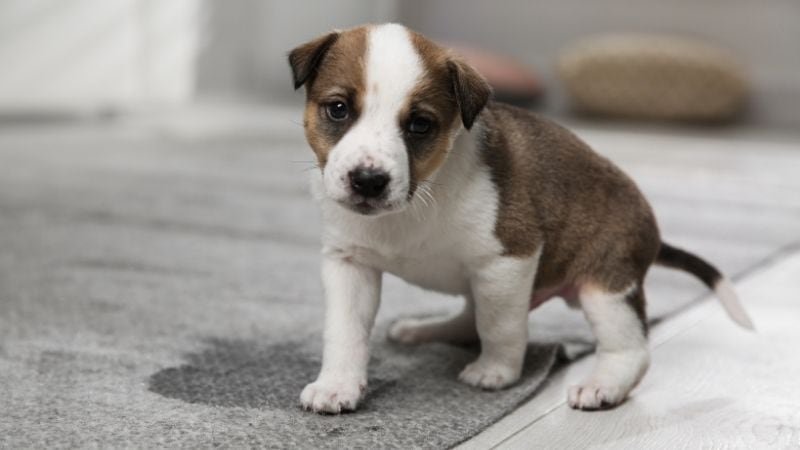
Reasons Dogs Pee On Furniture
Dogs urinating on outdoor furniture can be frustrating. Understanding why they do this helps stop the behavior. Several reasons explain why dogs pee on furniture outside.
Marking Territory
Dogs use urine to mark their space. It is a natural way to tell other animals this area belongs to them. Outdoor furniture often smells like their humans. This makes dogs mark it to feel safe and claim it.
Anxiety And Stress
Stress can cause dogs to pee on furniture. Changes in their environment or loud noises increase anxiety. Urinating on furniture gives them comfort and relief from tension. It is a sign they feel insecure or scared.
Lack Of Training
Some dogs have not learned where to pee properly. Without clear rules, they may choose furniture as a bathroom spot. Puppies and new dogs need training to know outdoor furniture is off-limits.
Health Issues
Urinary infections or bladder problems can cause accidents. Dogs with health issues may not control their urine well. If a dog pees on furniture often, a vet visit is important. Treating health problems can stop this behavior.

Credit: www.amazon.ca
Choosing The Right Outdoor Furniture
Choosing the right outdoor furniture helps reduce the chance of dogs peeing on it. Durable and easy-to-maintain materials stand up better to accidents. This choice keeps your furniture looking good longer and avoids bad smells.
Materials Resistant To Stains
Some materials resist stains better than others. Look for furniture made with:
- Metal frames, like aluminum or stainless steel
- Plastic or resin wicker
- Teak or other hardwoods treated for outdoor use
- Polypropylene fabric for cushions
These materials do not absorb liquids quickly. They prevent urine from soaking in and causing damage.
Easy To Clean Surfaces
Choose furniture with smooth surfaces for quick cleaning. Flat, non-porous materials work best. Avoid rough fabrics or textured wood that trap dirt and moisture.
- Plastic or metal tables and chairs
- Vinyl or waterproof cushions
- Glass tabletops
Cleaning becomes simple. Wiping away accidents takes little time and effort.
Training Techniques To Prevent Peeing
Training your dog to stop peeing on outdoor furniture requires patience and clear communication. The right techniques can change your dog’s behavior without stress for either of you. Let’s look at effective ways to guide your dog toward better habits.
Positive Reinforcement
Reward your dog immediately when they pee in the right spot. Use treats, praise, or a favorite toy to show them what you want. This helps your dog connect good behavior with positive outcomes.
Ignore accidents calmly without punishment. Dogs learn faster when they understand what pleases you, not what scares them. Have you noticed how your dog responds better to praise than scolding?
Consistent Commands
Pick simple words like “go potty” and use them every time your dog pees outside. Consistency helps your dog associate the command with the action. Avoid switching commands, or your dog might get confused.
Practice the command during walks or bathroom breaks. Patience here pays off because your dog learns what you expect in different outdoor settings. How clear are your commands right now?
Designated Potty Areas
Create a specific spot outdoors for your dog to pee. Take them there regularly, especially after eating or waking up. This routine makes it easier for your dog to understand where it’s okay to go.
Make the area inviting by keeping it clean and accessible. You can even add some grass or dirt to match natural spots your dog prefers. Have you tried setting a clear boundary around your furniture to discourage peeing nearby?
Using Deterrents Effectively
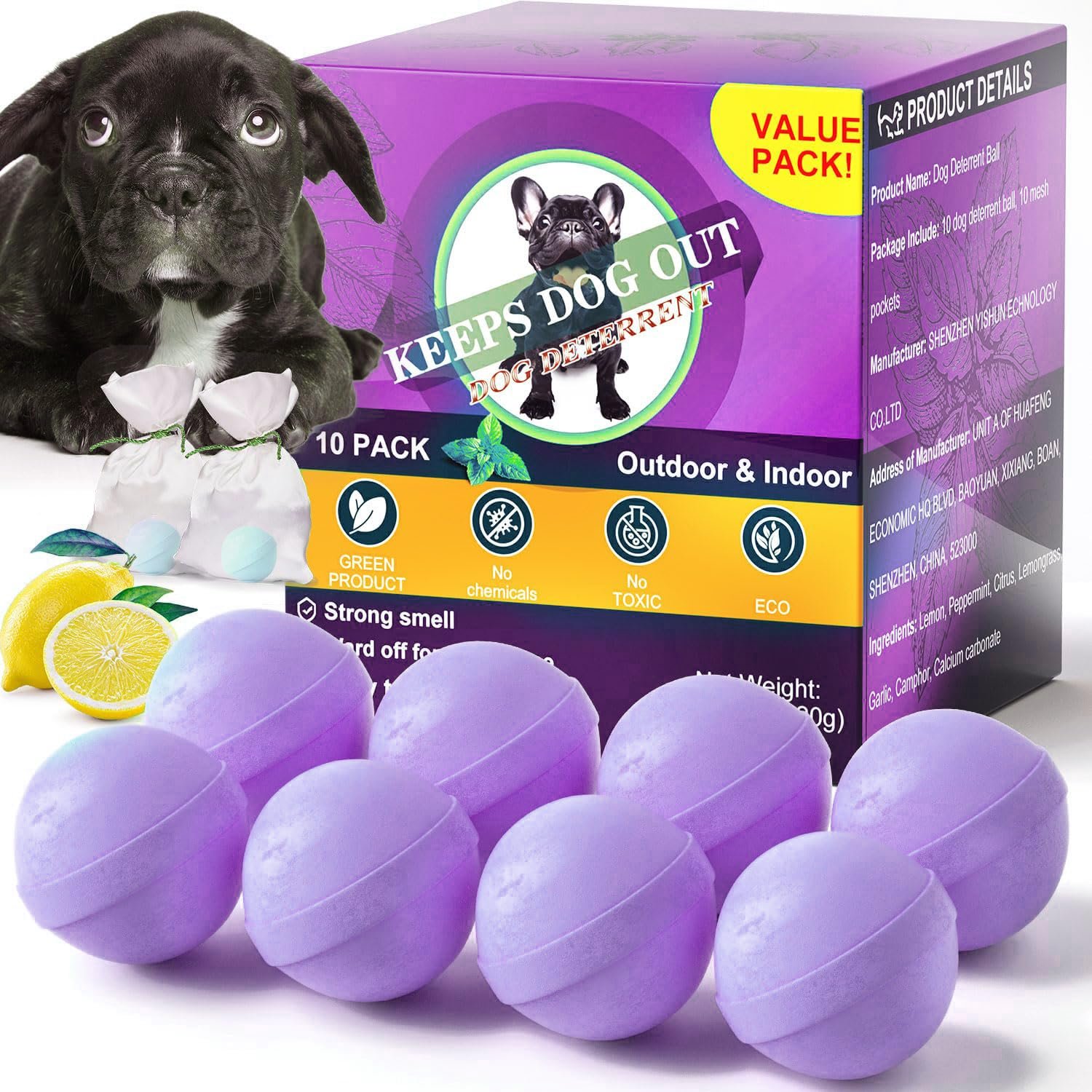
Using deterrents effectively helps protect outdoor furniture from dog urine. Deterrents discourage dogs from marking or peeing on your furniture. Choose options that suit your space and dog's behavior. Combine different deterrents for better results. Consistent use keeps dogs away and maintains clean outdoor areas.
Natural Repellents
Natural repellents use scents dogs dislike. Citrus peels, vinegar, and essential oils work well. Spray diluted vinegar around furniture legs. Scatter orange or lemon peels near seating areas. Avoid strong oils that may harm pets. These options are safe and eco-friendly. Reapply often, especially after rain or watering.
Commercial Sprays
Commercial sprays contain ingredients that repel dogs. Find sprays labeled safe for pets and plants. Spray furniture and nearby ground evenly. Follow product instructions for best use. Some sprays also mask odors that attract dogs. Test spray on a small area first. Reapply regularly to keep scent fresh and effective.
Physical Barriers
Physical barriers block dogs from reaching furniture. Use fencing, netting, or garden edging around seating. Place furniture on raised platforms or tables. Cover cushions with plastic or waterproof covers. Barriers create a clear boundary dogs avoid. Combine barriers with repellents for stronger protection. Inspect barriers often for wear or gaps.
Maintaining Cleanliness And Hygiene
Keeping your outdoor furniture clean and hygienic is key to preventing your dog from peeing on it again. Dogs tend to return to spots where their scent lingers, so maintaining cleanliness not only protects your furniture but also discourages repeat marking. Let’s look at how regular cleaning and odor removal can make a big difference.
Regular Cleaning Routines
Set a consistent schedule to clean your outdoor furniture. Wipe down surfaces with mild soap and water at least once a week, especially if your dog spends a lot of time outside. This routine removes dirt and any faint traces of urine that might attract your pet back.
Don’t forget to clean under cushions and in crevices where urine can soak in unnoticed. Using a handheld vacuum or a brush can help get these hard-to-reach spots. Have you noticed how much easier it is to keep your patio fresh when you clean little and often?
Removing Odors Completely
Urine odors are powerful signals for dogs. To stop your dog from peeing on furniture, you need to eliminate these smells completely. Use enzyme-based cleaners designed specifically for pet urine; they break down odor-causing molecules instead of just masking them.
Avoid ammonia-based cleaners, as their smell can confuse your dog and sometimes encourage more marking. After cleaning, let your furniture dry fully in the sun if possible—UV rays help neutralize bacteria and odors naturally. Have you tried this simple trick to keep your space smelling fresh?
Addressing Behavioral And Health Concerns
Dogs sometimes pee on outdoor furniture due to health or behavior problems. These issues need careful attention to stop this habit. Understanding the root cause helps protect your furniture and keeps your dog healthy and happy.
Consulting A Veterinarian
Health problems often cause sudden changes in urination habits. A vet can check for urinary tract infections or bladder issues. These conditions make dogs urinate more and sometimes in unusual places.
Regular vet visits help catch health issues early. The vet may suggest tests or treatments to fix the problem. This step is important before trying other behavior solutions.
Managing Stress And Anxiety
Stress can trigger unwanted urination on outdoor furniture. Dogs feel anxious due to loud noises, new environments, or separation from owners.
Reducing stress improves behavior. Provide a calm space and routine for your dog. Use calming aids like sprays or toys to ease anxiety. Training and positive reinforcement also build confidence and reduce stress.
Creating A Dog-friendly Outdoor Space
Creating a dog-friendly outdoor space helps protect your furniture and keeps your pet happy. Designing this area encourages good habits and reduces unwanted behavior. A well-planned space gives your dog clear places to go and play.
Providing Alternatives For Relief
Offer your dog specific spots to pee outside. Use gravel, mulch, or grass patches as designated areas. These spots should be easy to reach and away from furniture.
- Place a small patch of grass or artificial turf in a corner.
- Use scents like commercial dog attractants to guide your pet.
- Clean these areas regularly to keep them inviting.
Engaging Outdoor Activities
Keep your dog busy with fun activities outside. Exercise helps reduce anxiety and the urge to mark furniture. Play fetch, set up obstacle courses, or use toys to attract attention.
- Daily walks stimulate your dog's mind and body.
- Interactive toys keep your dog focused outdoors.
- Training sessions reinforce good behavior outside.

Credit: www.amazon.ca
Frequently Asked Questions
How Can I Stop My Dog From Peeing On Outdoor Furniture?
Use deterrents like citrus sprays or vinegar to discourage peeing. Train your dog to use specific bathroom spots and reward good behavior consistently. Regular cleaning removes scent markers that attract repeated peeing on furniture.
What Natural Repellents Keep Dogs Off Outdoor Furniture?
Citrus peels, vinegar, and commercial pet-safe sprays work well as natural repellents. These scents are unpleasant to dogs and discourage them from approaching or marking furniture areas.
Why Does My Dog Pee On Outdoor Furniture?
Dogs often pee on furniture to mark territory or due to anxiety. Incomplete house training or lack of designated potty areas outdoors can also cause this behavior.
How Do I Clean Outdoor Furniture After Dog Urine?
Use an enzymatic cleaner designed for pet stains to remove odors. Avoid ammonia-based cleaners as they may attract dogs to pee again on the same spot.
Conclusion
Keeping your outdoor furniture pee-free requires consistency. Train your dog with patience. Use deterrents like sprays or barriers. Reward good behavior with treats. Make sure your dog gets enough exercise. A tired dog is less likely to misbehave. Regular walks and playtime help.
Clean any messes immediately to remove smells. This prevents repeat offenses. Remember, dogs learn best through positive reinforcement. Stay calm and consistent. Over time, your efforts will pay off. Enjoy your clean outdoor space. Your furniture and your dog will thank you.
Happy training!