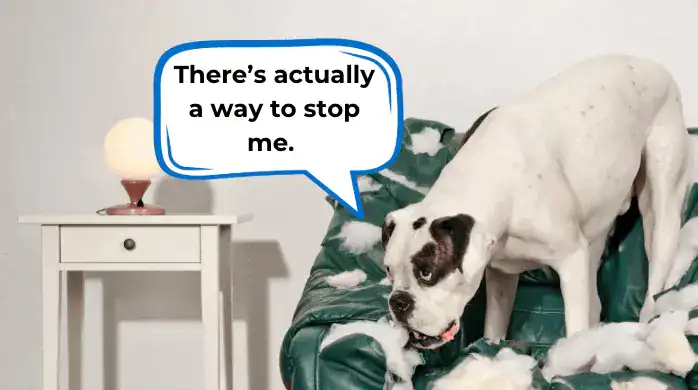
Does your furry friend have a habit of turning your shoes, furniture, and anything else within reach into their personal chew toys? You're not alone.
The struggle of keeping your dog from chewing everything in sight is a common challenge for many pet owners. But don't worry—there's hope! By understanding why your dog behaves this way and learning effective strategies to redirect their chewing habits, you can protect your belongings and maintain a happy, healthy home.
In this guide, we’ll dive into the reasons behind your dog's chewing and share practical tips to curb this behavior. Stick around to discover how you can transform your home from a chew-fest into a peaceful haven for both you and your beloved pup.
Credit: theonlinedogtrainer.com
Why Dogs Chew Everything
Dogs chew on things for several natural reasons. Understanding why they chew helps stop this behavior.
Chewing is not just bad behavior. It is part of their nature and needs.
Natural Instincts
Chewing comes from a dog's wild ancestors. They used chewing to explore their world.
It helps keep their teeth clean and jaws strong. Dogs use chewing to relieve stress and stay busy.
Teething Phase
Puppies chew a lot when they are teething. Their gums hurt, and chewing soothes the pain.
They need safe toys to chew during this phase. It stops them from destroying furniture and shoes.
Boredom And Anxiety
Dogs chew when they feel bored or anxious. Chewing calms them down and passes time.
Lonely dogs or those left alone too long chew more. Giving them attention and toys reduces this problem.
Safe Alternatives To Chewing
Providing your dog with safe alternatives to chew on is key to protecting your belongings and keeping your pet happy. Chewing is a natural behavior, so instead of trying to stop it completely, redirect that urge toward appropriate items. Offering the right options helps your dog satisfy their need to chew while ensuring their safety.
Choosing The Right Chew Toys
Pick chew toys made from durable, non-toxic materials like rubber or nylon. Avoid toys that can splinter or break into small pieces, which could harm your dog. Look for options designed specifically for your dog’s size and chewing strength to prevent choking hazards.
Have you noticed your dog prefers certain textures or flavors? Some dogs enjoy softer toys, while others need something tougher. Pay attention to what your dog likes and replace worn-out toys regularly to keep them interested.
Rotating Toys For Interest
Dogs get bored easily with the same toys. Try rotating their chew toys every few days to keep things fresh and exciting. This simple trick can make a huge difference in preventing destructive chewing.
Store some toys out of sight and swap them in periodically. Your dog will be curious and eager to explore “new” toys, which can reduce their urge to chew on furniture or shoes. Have you tried this with your dog yet?
Diy Chew Options
You can make safe chew items at home using everyday materials. For example, frozen carrot sticks or apple slices can be tasty and healthy alternatives. Just make sure the treats are the right size to avoid choking.
Another option is braiding strips of old cotton T-shirts into ropes. These homemade toys are gentle on teeth and can satisfy the chewing urge. Have you ever crafted a toy for your dog? It’s a fun way to engage with your pet and save money.
Training Techniques To Prevent Chewing
Training your dog to stop chewing everything in sight takes patience and the right techniques. Chewing is natural for dogs, but you can guide this behavior to protect your belongings and keep your dog safe. The key is to teach your dog what’s okay to chew and what’s off-limits.
Positive Reinforcement
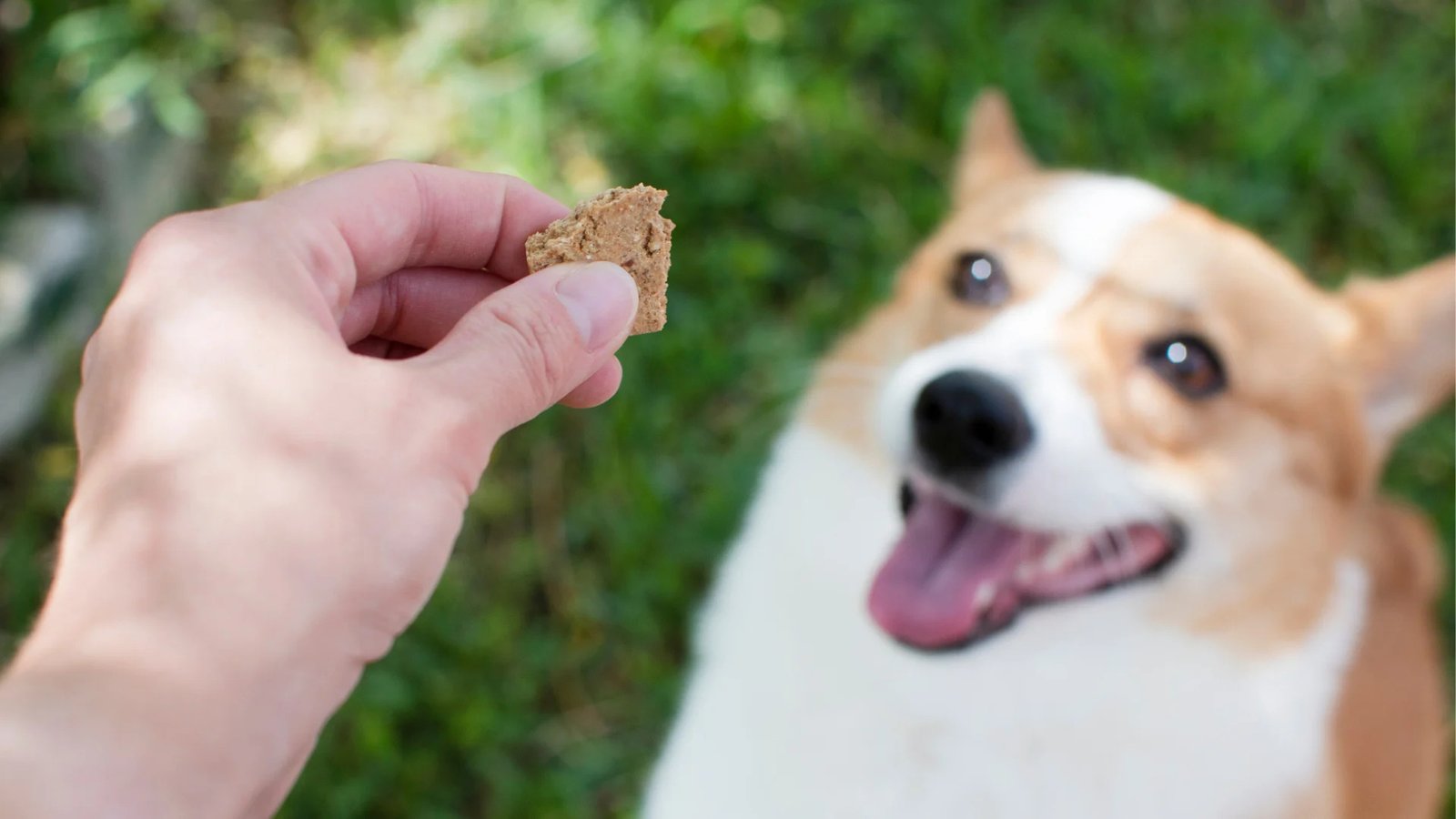
Reward your dog immediately when they chew on their toys instead of furniture or shoes. Use treats, praise, or a favorite game to show them that chewing the right items gets positive attention.
Try carrying treats during walks or playtime so you can praise your dog on the spot. This helps your dog connect good behavior with rewards faster.
Redirecting Behavior
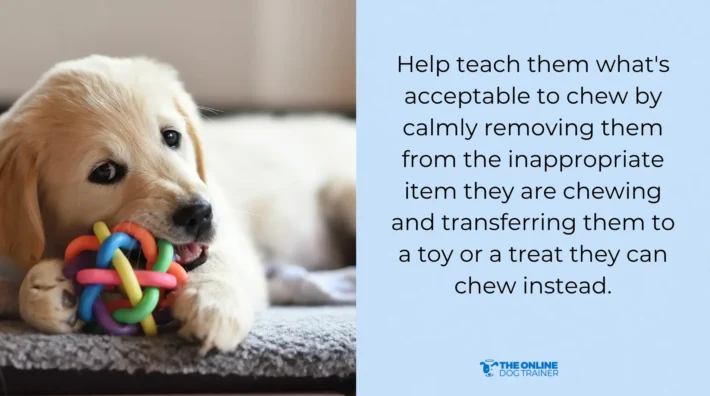
If you catch your dog chewing something they shouldn’t, calmly take the item away and offer a chew toy instead. This shows your dog what they can chew without punishment.
Keep a variety of chew toys around and switch them up to hold your dog’s interest. Sometimes, dogs chew out of boredom—giving them a fun alternative can reduce unwanted chewing.
Consistent Commands
Use clear, consistent commands like “Leave it” or “No” every time your dog starts chewing on something inappropriate. Consistency helps your dog understand what behavior you expect.
Make sure everyone in the household uses the same commands and enforces the rules. Mixed messages confuse dogs and slow down training progress.
Environmental Adjustments
Adjusting your dog’s environment helps reduce unwanted chewing. It shapes habits by making certain items unavailable or less tempting. This change supports training efforts and protects your belongings.
Small changes around the home create a safer, more comfortable space for your dog. You control what your dog can reach and chew on. This limits damage and keeps your dog happy.
Dog-proofing Your Home
Start by removing items that invite chewing. Store shoes, toys, and cords out of reach. Use covers or barriers on furniture legs and wires.
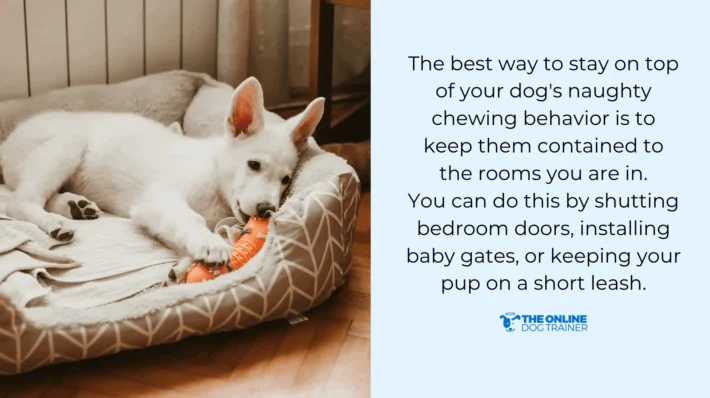
Use baby gates to block off rooms with many tempting objects. Keep trash cans secured to avoid spills and chewing hazards. Check the floor often for small items your dog might grab.
Limiting Access To Temptations
Create zones where your dog can roam freely without risk. Close doors to rooms with many chewable items. Use crates or playpens during unsupervised times.
Offer plenty of safe chew toys to distract from household items. Rotate toys regularly to keep your dog interested. Replace worn or broken toys promptly to avoid chewing on other things.
Creating A Comfortable Space
Provide a cozy area with a soft bed and familiar blankets. Add calming scents or sounds to reduce anxiety that causes chewing. Keep water and toys nearby to meet your dog’s needs.
A well-designed space helps your dog feel secure and relaxed. This lowers stress-related chewing and encourages good behavior. Regularly refresh the space to maintain comfort and interest.
Exercise And Mental Stimulation
Exercise and mental stimulation are key to stopping dogs from chewing everything. Dogs need to burn energy and keep their minds busy. Without enough activity, they get bored and chew out of frustration. Regular play and challenges help reduce unwanted chewing.
Daily Physical Activities
Daily exercise helps dogs release energy and stay calm. Walks, runs, or playtime in the yard work well. Aim for at least 30 minutes of activity each day. This helps your dog feel tired and less likely to chew things.
Interactive Games
Interactive games keep dogs engaged and happy. Try fetch, tug-of-war, or hide-and-seek with toys. These games stimulate your dog’s mind and body. They also build a stronger bond between you and your pet.
Puzzle Feeders
Puzzle feeders challenge your dog’s brain while feeding. They make mealtime fun and slow down eating. This mental work helps reduce boredom and chewing habits. Choose feeders that match your dog’s skill level for best results.

Credit: theonlinedogtrainer.com
When To Seek Professional Help
Knowing when to seek professional help is essential if your dog’s chewing habits are out of control. Sometimes, the issue goes beyond simple boredom or teething and can signal deeper problems that require expert attention. Recognizing the signs and acting promptly can save your home—and your dog’s well-being.
Signs Of Severe Anxiety
Watch closely for behaviors like constant pacing, excessive barking, or destructive chewing that happens even when your dog gets enough exercise and attention. These can be signs of severe anxiety rather than just mischief. If your dog seems restless, drools excessively, or destroys items only when left alone, anxiety might be the root cause.
I once had a friend whose dog chewed through doors and furniture whenever left alone. It turned out to be separation anxiety, and professional intervention made a huge difference. Could your dog’s chewing be a cry for help?
Consulting A Trainer
Professional trainers can offer targeted strategies to redirect your dog’s chewing into acceptable behaviors. Trainers use positive reinforcement techniques that work better than punishment. They also assess your dog’s environment to identify triggers you might have missed.
Don’t hesitate to ask a trainer for a personalized plan if you’ve tried everything and nothing sticks. Sometimes, just a few sessions can transform your dog’s habits and your peace of mind. Imagine having a clear roadmap tailored to your dog’s unique needs.
Veterinary Advice
Some chewing problems stem from medical issues like dental pain or nutritional deficiencies. A vet can rule out physical causes and suggest treatments if needed. They can also prescribe medications or recommend calming supplements for anxiety-related chewing.
If your dog’s chewing is sudden or accompanied by other symptoms like lethargy or loss of appetite, see a vet immediately. Your dog’s health could be at stake, and early intervention is crucial. Are you ready to give your dog the medical attention it might need?
Credit: theonlinedogtrainer.com
Frequently Asked Questions
Why Does My Dog Chew Everything In Sight?
Dogs chew to explore, relieve boredom, and soothe teething pain. Lack of exercise or mental stimulation often leads to destructive chewing. Identifying the cause helps address the behavior effectively and keeps your belongings safe.
How Can I Stop My Dog From Chewing Furniture?
Provide chew toys and redirect your dog’s chewing to them. Use deterrent sprays on furniture and reward good behavior consistently. Regular exercise and mental activities reduce destructive chewing by keeping your dog engaged and satisfied.
What Are The Best Chew Toys For Aggressive Chewers?
Durable rubber or nylon toys, like KONG or Nylabone, withstand strong chewing. Avoid soft toys that can be destroyed easily. Choosing the right toy helps protect your belongings and satisfies your dog’s chewing needs.
When Should I Be Concerned About My Dog's Chewing?
Excessive chewing causing injury or destruction signals anxiety or health issues. Consult a veterinarian or trainer if chewing worsens despite interventions. Early attention prevents behavioral problems and ensures your dog’s well-being.
Conclusion
Stopping your dog from chewing everything takes time and patience. Provide plenty of toys to keep them busy. Give them regular exercise to burn off energy. Watch and redirect chewing to safe items. Praise good behavior often. Remember, dogs chew to explore and relieve stress.
Consistent training helps your dog learn what’s okay. You can enjoy a happier home with less damage. Keep trying, and your dog will improve. Small steps lead to big changes. Stay calm and enjoy your dog’s company more.