Have you ever opened a can of wet dog food and wondered what to do next? Should you store it in the fridge, or is it okay to leave it out?
This common question might seem trivial, but it plays a crucial role in keeping your furry friend healthy and happy. You want the best for your pet, and ensuring their food is fresh is a big part of that. By understanding the simple steps of storing wet dog food correctly, you can prevent spoilage, maintain its nutritional value, and avoid any tummy troubles for your dog.
Keep reading to discover the surprising facts about wet dog food storage that might change how you manage mealtime for your canine companion.
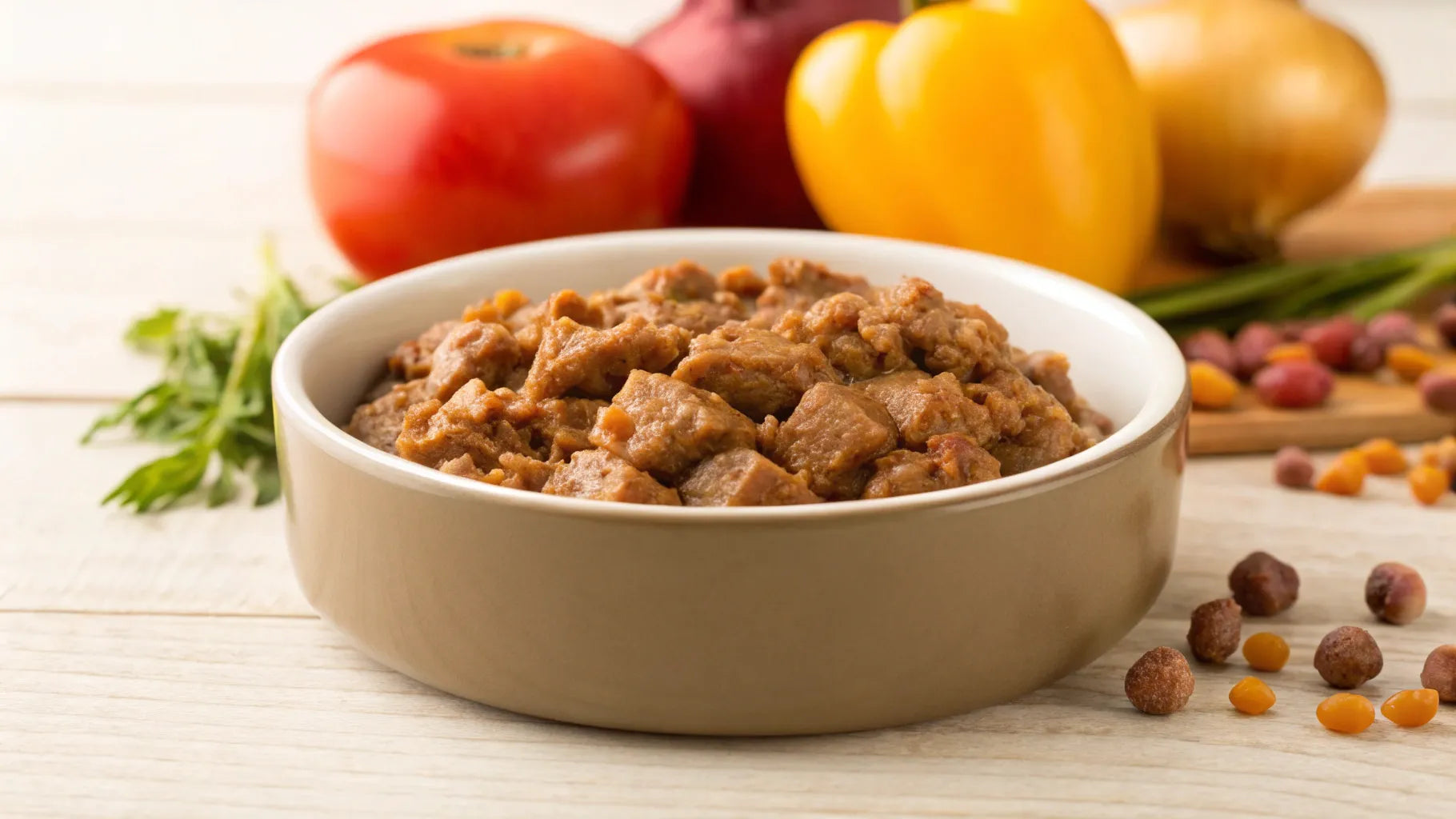
Credit: www.houndsy.com
Why Refrigeration Matters
Understanding why refrigeration matters for wet dog food after opening is crucial to keeping your pet healthy and happy. Once opened, wet dog food is exposed to air, moisture, and bacteria, which can quickly affect its safety and quality. Ignoring proper storage can lead to serious health issues for your furry friend.
Bacteria Growth Risks
Wet dog food provides a moist environment that is perfect for bacteria to multiply rapidly. Without refrigeration, harmful bacteria like Salmonella and E. coli can develop within hours. These bacteria can cause digestive upset or more severe infections in your dog.
Have you ever noticed a sour smell or slimy texture in leftover dog food? That’s a clear sign bacteria are growing. Refrigeration slows down this process, giving you extra time to safely feed your pet.
Impact On Food Quality
Beyond safety, refrigeration helps maintain the food’s taste and nutritional value. Exposure to heat and air can cause fats in the food to spoil and essential nutrients to break down. This means your dog might not get the full benefits of their meal if the food isn’t stored properly.
Think about how fresh food tastes better to you—your pet feels the same way. Keeping wet dog food cold preserves its texture and aroma, making mealtime more enjoyable for your dog.
Safety For Pets
Your dog’s health depends on the quality of the food they consume. Feeding spoiled or bacteria-laden food can lead to vomiting, diarrhea, or even more serious health problems. Storing wet dog food in the refrigerator minimizes these risks and supports your pet’s well-being.
Consider the peace of mind you get from knowing the food you offer is safe and fresh. Isn’t that worth the few extra minutes it takes to refrigerate the leftovers?
Storage Guidelines For Wet Dog Food
Storing wet dog food correctly after opening is crucial to keep it fresh and safe for your pet. The right storage approach can prevent spoilage and maintain the food’s nutritional value. Let’s dive into key tips that ensure your dog’s meal stays as tasty and healthy as when you first opened it.
Ideal Temperature Range
Wet dog food should be stored in the refrigerator at a temperature between 34°F and 40°F (1°C to 4°C). Temperatures above this range can cause the food to spoil quickly, while colder temperatures may affect its texture. Do you check your fridge’s temperature regularly? A simple fridge thermometer can help you keep things just right.
Proper Container Use
After opening, transfer the wet dog food into an airtight container rather than leaving it in the original can. This limits exposure to air, which speeds up spoilage. Containers made of glass or BPA-free plastic work best because they don’t absorb odors or flavors, which can confuse your dog’s appetite.
Sealing Techniques
Sealing wet dog food properly is more than just closing the lid. Use cling wrap or reusable silicone lids over the container for an extra layer of protection. If you still use the original can, consider a specialized can lid designed to snap securely in place. Have you noticed how these small steps can extend your dog’s food freshness by days?
Signs Of Spoiled Wet Dog Food
Knowing the signs of spoiled wet dog food is crucial to keep your furry friend safe and healthy. Spoiled food can cause stomach upset or worse, so always check before serving. Here are some clear indicators you should watch for.
Unusual Odor
If the wet dog food smells sour, rancid, or simply "off," it’s a strong sign it has gone bad. Fresh wet food usually has a mild, meaty scent that your dog recognizes and enjoys. Trust your nose—if it smells unpleasant to you, it’s likely unsafe for your pet as well.
Texture Changes
Pay attention to the texture of the wet food. Spoiled food often becomes slimy or excessively mushy compared to its original consistency. If the food feels sticky or has a strange film on it, don’t risk giving it to your dog.
Color Alterations
Look closely at the color of the food. Any darkening, fading, or unusual spots like mold indicate spoilage. Even slight changes can mean harmful bacteria have started to grow, so it’s best to discard the food immediately.
How Long Can Wet Food Last Opened
Knowing how long wet dog food can last after opening is crucial for your pet's health and your convenience. Leaving it out too long can lead to spoilage, while storing it properly keeps your furry friend safe and happy. Let’s look at how long you can keep wet food once opened and what affects its shelf life.
Typical Refrigeration Duration
Most wet dog food lasts about 3 to 5 days in the refrigerator after opening. This timeframe keeps the food fresh and prevents harmful bacteria from growing. Always store the food in an airtight container or tightly sealed can to maintain its quality.
Factors Affecting Shelf Life
- Storage temperature:Cooler fridges (around 4°C or 39°F) help the food stay fresh longer.
- Packaging:Original cans or pouches resealed properly last better than food left uncovered.
- Food type:Some wet foods with preservatives may last a bit longer, while natural or grain-free options spoil faster.
- Humidity:Excess moisture in the fridge can speed up spoilage, so keep the food dry.
When To Discard
Check the food every time before feeding your dog. If it smells sour, looks slimy, or changes color, it’s time to toss it out. Never feed your dog moldy or spoiled food—even if it’s within the usual timeframe.
Have you ever noticed your dog turning their nose up at wet food? It might be old or stale. Keeping an eye on these signs helps you avoid wasting food and protects your pet from stomach issues. How do you store your dog’s wet food at home?
Alternatives To Refrigeration
If you find yourself without immediate access to a refrigerator, there are smart ways to keep your wet dog food fresh for a while. Alternatives to refrigeration can be surprisingly simple and effective, especially if you’re on the go or dealing with limited kitchen space. Let’s look at some practical options that help maintain the quality of wet dog food after opening.
Using Ice Packs
Ice packs are a handy solution to keep wet dog food cool without a fridge. Place the opened container in a sealed bag and set it on top of or beside an ice pack inside a cooler or insulated bag. This method slows down spoilage and keeps the food safe for several hours.
I once took my dog on a weekend camping trip without a fridge. Using ice packs in a small cooler, I managed to keep his wet food fresh and appetizing throughout the trip. Have you tried this during your travels?
Short-term Storage Tips
If refrigeration isn’t an option, consider these short-term storage tips to minimize spoilage:
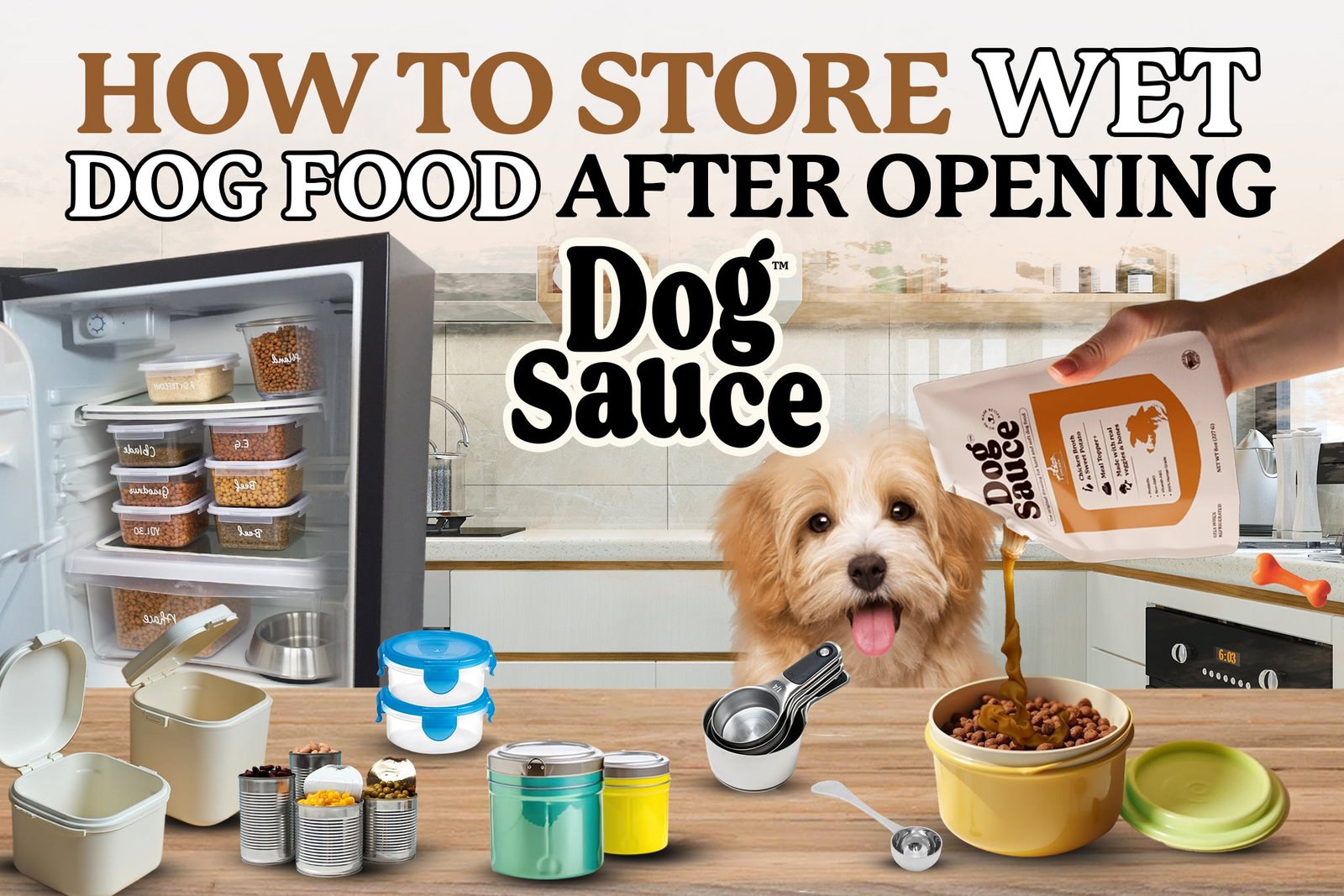
- Transfer wet food to an airtight container to limit air exposure.
- Store the container in the coolest part of your home, away from sunlight and heat sources.
- Use smaller portions to avoid leaving large amounts of food open for long periods.
These simple steps can extend the freshness for a few hours, making it easier to feed your dog without rushing.
Travel-friendly Options
Traveling with pets doesn’t have to mean sacrificing the quality of their meals. You can find single-serving wet dog food packets designed for travel, which don’t require refrigeration once opened if consumed quickly. Another option is to carry dry food mixed with a bit of water to create a soft, palatable meal without worrying about spoilage.
Have you noticed how some brands offer resealable pouches? They’re perfect for keeping wet dog food fresh during road trips or visits to friends. What’s your go-to travel feeding hack for your dog?

Credit: www.purina.com
Common Mistakes To Avoid
Storing wet dog food properly after opening is key to keeping your furry friend healthy and happy. Many pet owners make simple mistakes that can spoil the food or even cause health issues for their dogs. Recognizing these common errors can save you money and prevent unnecessary vet visits.
Leaving Food Out Too Long
Wet dog food left out at room temperature for more than two hours can quickly develop harmful bacteria. If you’ve ever forgotten to refrigerate your dog's food after a busy day, you know it doesn’t take long for it to smell off. Always put the leftover food back in the fridge promptly to keep it fresh and safe.
Improper Sealing
Not sealing the food container tightly is a frequent mistake. Air exposure dries out the food and encourages bacterial growth. Using airtight containers or resealing the can with a proper lid prevents spoilage and keeps the food tasty for your pet.
Mixing Old And New Food
Combining fresh wet food with leftover portions from previous meals can cause the entire batch to spoil faster. You might think it saves food, but mixing old and new encourages bacteria to spread. Always serve your dog from a clean portion and store leftovers separately.
Tips For Feeding Wet Dog Food Safely
Feeding wet dog food safely helps keep your pet healthy and happy. Proper care prevents spoilage and bacterial growth. Understanding how to handle and serve wet food is key for your dog’s well-being. Follow simple tips to ensure each meal is fresh and safe.
Portion Control
Serve only the amount your dog can finish in one meal. Avoid leaving large amounts of wet food out. Extra food can spoil quickly and attract bacteria. Use a measuring cup to provide the right portion size. This helps prevent waste and keeps meals fresh.
Feeding Schedule
Feed your dog at regular times every day. Consistent feeding times support digestion and routine. Remove any uneaten food after 20-30 minutes. This reduces the risk of contamination. Store leftover wet food properly to maintain freshness until the next feeding.
Hygiene Practices
- Wash your hands before and after handling wet dog food.
- Clean your dog’s food bowl after each meal with warm, soapy water.
- Store opened cans in the refrigerator using a sealed container or lid.
- Keep the fridge temperature below 40°F (4°C) to slow bacterial growth.
- Discard any wet food left out for more than two hours.
Credit: dogsauce.co
Frequently Asked Questions
Does Wet Dog Food Spoil If Not Refrigerated?
Yes, wet dog food spoils quickly if left unrefrigerated. Bacteria grow fast in moist environments. Refrigeration slows spoilage and keeps food safe.
How Long Can Opened Wet Dog Food Last?
Opened wet dog food lasts about 5-7 days in the fridge. Store it in an airtight container to maintain freshness and prevent odor absorption.
Can I Leave Wet Dog Food Out Overnight?
No, leaving wet dog food out overnight risks bacterial growth. It can cause stomach upset or illness in dogs. Always refrigerate after feeding.
Is Refrigeration Necessary For All Wet Dog Food Types?
Most canned and pouches of wet dog food require refrigeration after opening. Some specially packaged foods may differ, so always check manufacturer guidelines.
Conclusion
Wet dog food should always be kept in the fridge after opening. This helps keep it fresh and safe for your pet. Leaving it out can cause bacteria to grow quickly. Always seal the container tightly before storing. Use the food within a few days for best quality.
Keeping your dog's food fresh means a healthier and happier pet. Simple steps make a big difference in pet care. Remember, cold storage protects the food and your dog's health. Easy to do and worth it!