Do you find it hard to get your dog interested in toys? You’re not alone.
Many dog owners struggle to make playtime fun and engaging. But imagine your furry friend happily chasing, chewing, and fetching toys every day. Not only will it keep your dog active and healthy, but it will also strengthen the bond between you two.
You’ll discover simple and effective ways to encourage your dog to play with toys—turning playtime into a joyful routine both of you look forward to. Keep reading, and soon your dog will be excited to grab their favorite toy and invite you to play!

Credit: www.aol.com
Choosing The Right Toys
Choosing the right toys for your dog is key to sparking their interest and keeping playtime fun. Every dog has unique preferences, so understanding what excites your furry friend can make a big difference. The right toy not only entertains but also supports your dog’s health and well-being.
Types Of Toys Dogs Love
Dogs enjoy different kinds of toys based on their personality and energy level. Some love chew toys that help clean their teeth, while others prefer fetch toys that let them run and jump. Puzzle toys challenge their minds and prevent boredom, which can reduce destructive behavior.
- Chew Toys:Great for teething puppies and dogs who like to gnaw.
- Fetch Toys:Balls and frisbees encourage active play and exercise.
- Puzzle Toys:Stimulate your dog’s brain and reward them with treats.
Considering Your Dog’s Size And Breed
Your dog’s size impacts what toys are safe and enjoyable. A tiny Chihuahua needs smaller, lightweight toys, while a large breed like a Labrador requires sturdy, durable ones. Breed tendencies also matter—herding dogs might prefer toys that mimic chasing, while retrievers often enjoy carrying toys in their mouth.
Have you noticed how your dog interacts with different objects? Watch their play style to pick toys that fit their natural instincts.
Safe Materials For Dog Toys
Safety should be your top priority when selecting toys. Avoid toys made with toxic chemicals or parts that can break off and cause choking. Materials like natural rubber, hard nylon, and tightly woven fabric tend to be both safe and durable.
Inspect toys regularly for wear and tear. If a toy starts to break apart, replace it immediately to keep your dog safe.

Credit: rockykanaka.com
Introducing Toys To Your Dog
Introducing toys to your dog can open a new world of fun and activity. Some dogs need time to warm up to toys. Patience and the right approach help your dog enjoy playtime more. Start slow and watch your dog’s reactions closely. This helps you find the best way to introduce toys.
Creating A Positive Environment
Choose a quiet, calm space for the first play session. Remove distractions to help your dog focus on the toy. Use soft, encouraging tones to keep your dog relaxed. Let your dog explore the toy at their own pace. Praise your dog gently when they show interest in the toy. Keep sessions short to avoid overwhelming your dog.
Using Treats To Encourage Play
Pair toys with tasty treats to build positive feelings. Show the toy and then offer a treat when your dog sniffs or touches it. Hide treats inside toys if possible to spark curiosity. Give treats right away to make the connection clear. Gradually reduce treats as your dog starts playing more. Treats make toys more exciting and rewarding.
Demonstrating How To Play
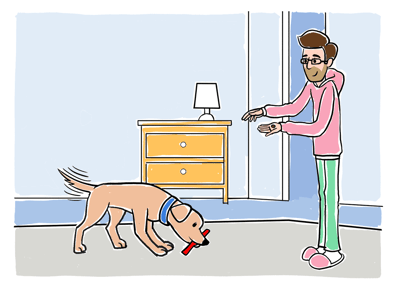
Use your own hands to show how to interact with the toy. Shake a toy to make it move and catch your dog’s eye. Toss a ball a short distance to invite chasing. Use playful sounds to grab attention and keep interest. Encourage your dog to join by gently guiding their nose or paws to the toy. Make playtime lively but gentle to keep your dog engaged.
Making Playtime Fun
Making playtime fun is the key to encouraging your dog to enjoy toys. Dogs love excitement and new experiences. Mixing up play activities keeps their interest high. It also helps them stay active and happy.
Creating a joyful environment makes your dog eager to join in. Use toys that move or make noise. Play in different places to keep things fresh. Your dog will look forward to playtime as a special moment.
Interactive Games To Try
Interactive games turn toy time into a fun challenge. Hide treats inside puzzle toys to spark curiosity. Tug-of-war with a rope toy builds excitement and energy. Fetch is a classic, but add twists like rolling the ball in different directions. These games keep your dog’s mind sharp and body active.
Incorporating Toys Into Daily Walks
Bring toys on your daily walks to add fun breaks. Toss a ball or frisbee in a safe area for quick fetch sessions. Use a favorite chew toy during rest stops to keep your dog engaged. Walks become more than exercise—they turn into mini playdates full of joy.
Playing Together For Bonding
Playtime strengthens your bond with your dog. Sit close and show excitement when your dog plays. Praise and gentle petting during play help build trust. Sharing play moments creates happy memories. Your dog learns that toys bring fun and love from you.
Overcoming Common Challenges
Getting your dog to play with toys can sometimes feel like an uphill battle. Challenges like disinterest, aggression, and boredom can discourage both you and your furry friend. Understanding these common issues helps you find the right approach to keep playtime fun and stress-free.
Dealing With Toy Disinterest
If your dog ignores toys, try changing the type or texture. Some dogs prefer soft plush toys, while others like rubber or squeaky ones. Watch your dog’s natural preferences during walks or play; this can give clues about what might catch their attention.
Try introducing toys during high-energy moments, like right after a walk or before feeding time. Use excitement in your voice and show how fun the toy can be by playing with it yourself. Sometimes, your enthusiasm makes all the difference.
Managing Aggression Around Toys
Some dogs can become possessive or aggressive with toys. If this happens, avoid forcing your dog to share or take toys away suddenly. Instead, teach commands like “drop it” or “leave it” using treats and positive reinforcement.
Set up structured play sessions where you control the toys and reward good behavior. If aggression persists, consider consulting a professional trainer to ensure safety for you and your dog.
Keeping Toys Fresh And Exciting
Dogs can get bored with the same toys over time. Rotate toys regularly, keeping some hidden and swapping them out every few days. This keeps your dog curious and eager to explore what’s new.
Adding new scents or treats inside toys can also spark interest. You might hide a bit of peanut butter or a favorite treat to encourage your dog to interact with the toy more.
Maintaining Toy Hygiene
Keeping your dog's toys clean and safe is key to their health and happiness. Dirty toys can carry germs and cause infections. Regular care helps your dog enjoy playtime without risks. It also keeps toys in good shape for longer use.
Cleaning And Inspecting Toys
Wash toys often using warm water and mild soap. Rinse well to remove soap residue. Check toys for cracks, loose parts, or sharp edges. Remove damaged toys immediately to prevent choking or injury. Clean soft toys in the washing machine if the label allows.
Replacing Worn-out Toys
Throw away toys that are torn or heavily worn. Broken toys can harm your dog’s teeth or mouth. Replace toys regularly to keep playtime exciting. New toys can renew your dog’s interest and energy.
Storage Tips To Preserve Toys
- Store toys in a dry, clean place to avoid mold.
- Use a dedicated bin or box for all toys.
- Keep toys away from dirt and pet hair.
- Separate clean toys from dirty ones to prevent contamination.

Credit: www.ellevetsciences.com
Frequently Asked Questions
How Can I Encourage My Dog To Play With Toys?
Start by choosing toys that match your dog's size and play style. Use positive reinforcement and play together. Introduce new toys gradually to keep your dog interested and engaged.
What Types Of Toys Do Dogs Prefer Most?
Dogs often prefer chew toys, squeaky toys, and interactive puzzles. Choose toys made from safe, durable materials. Observe your dog's reaction to find their favorite type.
How Often Should I Rotate My Dog’s Toys?
Rotate toys every few days to maintain your dog's interest. This prevents boredom and keeps playtime exciting. Store unused toys out of sight during rotation.
Can Playtime With Toys Improve My Dog's Behavior?
Yes, regular playtime helps reduce anxiety and destructive behavior. It also provides mental stimulation and physical exercise. Engaged dogs tend to be happier and healthier.
Conclusion
Getting your dog to play with toys takes patience and understanding. Encourage them with gentle persistence and positive reinforcement. Start with toys they show interest in. Rotate toys to keep things exciting and fresh. Play together to strengthen your bond and create joyful moments.
Be patient and let your dog explore at their own pace. Celebrate small successes and keep the experience fun. Soon, your dog will enjoy playtime and look forward to it. Enjoy the journey of play and connection with your furry friend.
Happy playing!