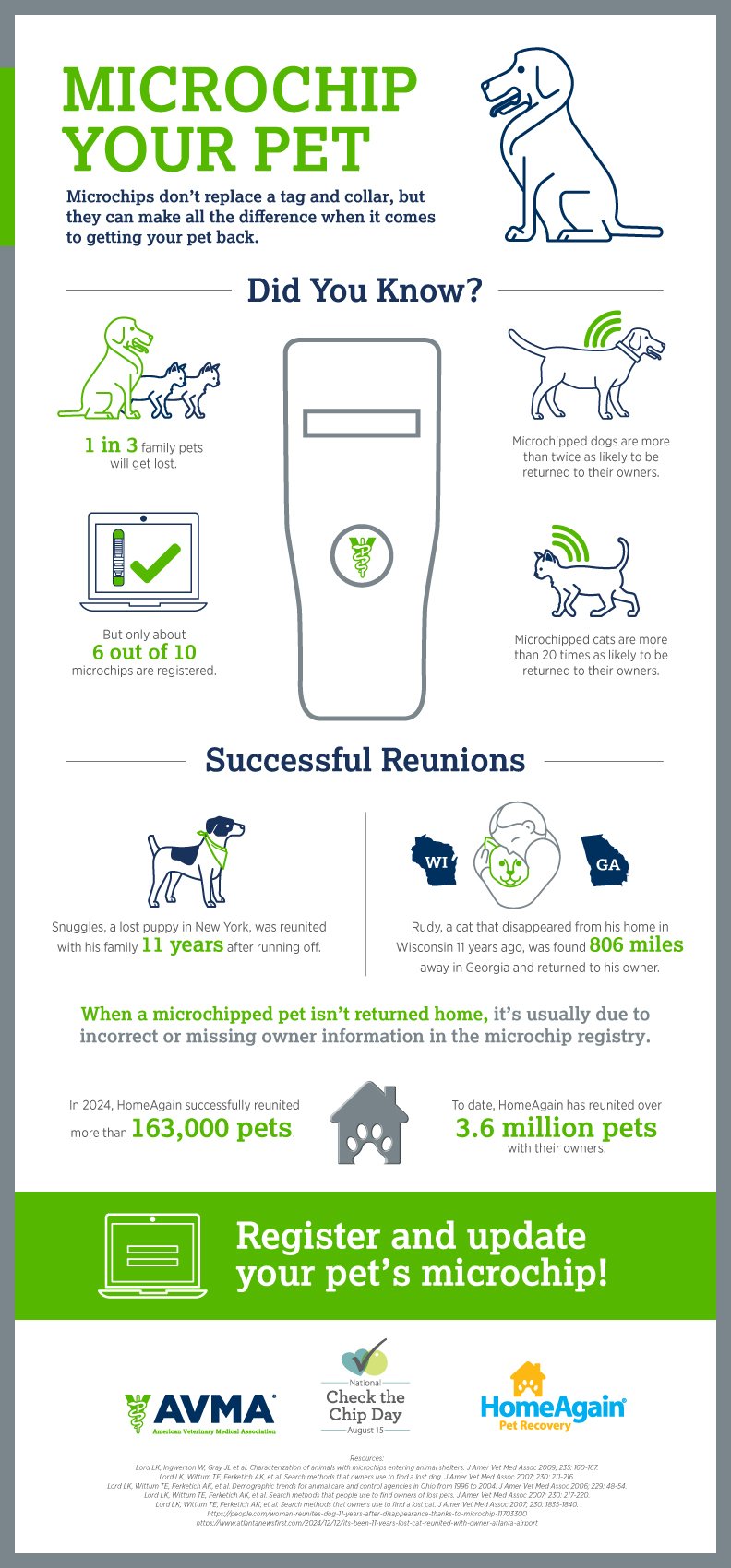
Have you ever wondered if your dog has a microchip? It’s a simple step that can make a huge difference in keeping your furry friend safe.
Knowing how to check if your dog has a chip can save you time, worry, and even heartache if they ever get lost. You’ll learn exactly what to do, why it matters, and how this tiny device can be a lifesaver for your pet.
Keep reading—your dog’s safety depends on it.
Credit: pethelpful.com
What Is A Dog Microchip
A dog microchip is a tiny device about the size of a grain of rice that is implanted under your dog’s skin. It carries a unique identification number that helps reunite lost pets with their owners. This simple technology can save your dog’s life by providing a permanent form of ID that can’t be lost or removed like a collar or tag.
Many people think microchips track a dog’s location like a GPS, but that’s not true. The chip doesn’t send out a signal on its own. Instead, it must be scanned by a special reader at shelters, vet clinics, or animal control facilities to reveal the ID number.
How Does A Dog Microchip Work?
The microchip contains a tiny radio frequency identification (RFID) chip. When a scanner passes over the chip, it powers the chip briefly and reads the unique ID number stored inside.
This ID number is linked to your contact details in a secure database. When your dog is found, the scanner reveals the ID, and the shelter or vet can contact you quickly.
Where Is The Microchip Placed?
The chip is usually implanted under the skin between the dog’s shoulder blades. The procedure is quick, similar to a vaccination, and doesn’t require anesthesia.
If you’ve ever seen a vet give a shot, you know it only takes seconds. The microchip stays inside your dog for life without causing discomfort.
Why Is Microchipping Important?
- It provides permanent identification that can’t fall off or be removed.
- Increases the chances your lost dog will be returned to you.
- Is often required by law or local regulations.
- Gives peace of mind knowing your dog has a safety net if they ever get lost.
Have you ever thought about how many lost dogs never make it home because they don’t have permanent ID? Microchipping is a simple step you can take today to protect your furry friend tomorrow.
Credit: www.animal-medical-clinic.com
Why Microchips Matter
Microchips are small but powerful tools that can make a huge difference in your dog's safety. They serve as a permanent ID that stays with your pet no matter what happens. This simple implant can be the key to reuniting you with your lost dog, saving you from heartache and stress.
How Microchips Help Identify Your Dog
Microchips contain a unique number linked to your contact information in a national database. When a shelter or vet scans your dog, they can quickly access your details. This instant identification beats relying on collars or tags, which can fall off or be removed.
Why Microchips Are More Reliable Than Collars
- Collars can break or slip off during play or escape.
- Tags can fade, get scratched, or be lost over time.
- Microchips are implanted under the skin, making them permanent.
You might think your dog’s collar is enough, but imagine if it came off in a park. Without a microchip, finding your dog becomes much harder.
The Role Of Microchips In Emergency Situations
In accidents or natural disasters, pets can get separated from their families. A microchip ensures that shelters and rescuers can quickly identify your dog. It’s a small step you can take to prepare for the unexpected.
Common Misconceptions About Microchips
Some believe microchips track your dog's location like GPS. They don’t. Microchips only provide ID information when scanned. Don’t skip microchipping because of this myth; its main job is to link your dog to you.
Signs Your Dog Might Have A Chip
Wondering if your dog has a microchip but unsure what signs to look for? While microchips are tiny and implanted under the skin, certain clues can hint at their presence. Paying attention to these signs can save you a trip to the vet or shelter and help keep your furry friend safe.
Visible Scars Or Small Bumps
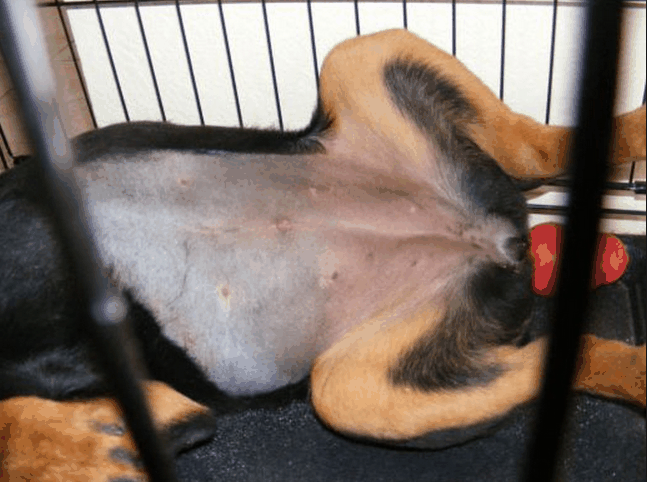
Check the area between your dog’s shoulder blades. A small scar or bump there could indicate where a microchip was inserted. This spot is a common site for implantation, so any unusual marks might be worth noting.
Your Dog’s History Or Adoption Papers
Review any documents you received when adopting or buying your dog. Shelters and breeders often record microchip information. If you find a chip number or mention of microchipping, you have a solid lead.
Vet Records And Routine Checkups
Ask your vet if they have scanned your dog for a microchip during previous visits. Many vets routinely check for chips during health exams. This information can confirm whether your dog is chipped without additional hassle.
Behavioral Clues During Lost Pet Searches
Have you ever found your dog wandering or lost and someone scanned them? If so, chances are a chip was discovered. Such experiences are a practical sign that a chip exists, even if you didn’t notice it before.
Using A Microchip Scanner At Home Or Shelter
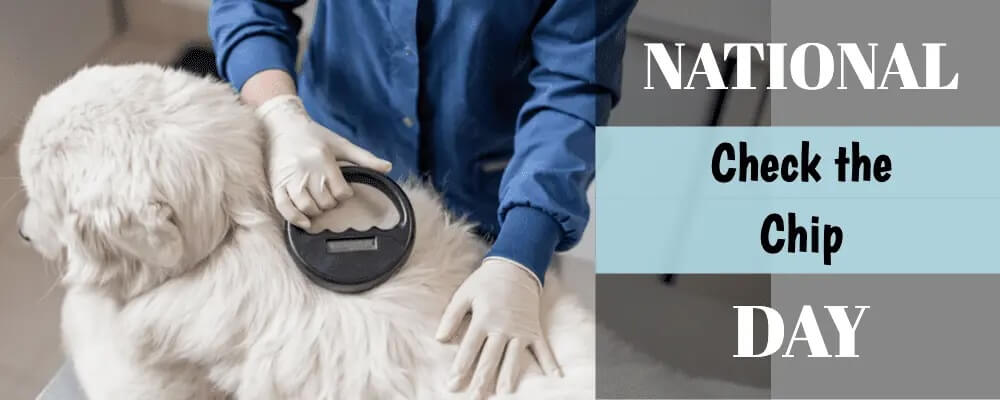
Some animal shelters and pet stores offer free chip scanning services. You can also buy a handheld scanner online. Taking a moment to scan your dog yourself can quickly reveal if a chip is present.
How To Scan For A Microchip
Knowing how to scan for a microchip can quickly reunite a lost dog with its owner. The process is straightforward but requires the right tools and a bit of know-how. Whether you have access to professional equipment or want to try scanning at home, understanding your options is key.
Using A Vet’s Microchip Scanner
Your veterinarian’s office is often the best place to start. Vets have professional scanners designed to read all common microchip types.
They can quickly scan your dog and access the microchip number. This number can then be checked in national or local databases to identify the owner.
Visiting a vet is especially helpful if you’re unsure whether your dog has a chip or if the chip is working properly.
Visiting Animal Shelters
Animal shelters also have microchip scanners and are experienced in handling lost pets. If you find a stray dog, shelters can scan the chip for you free of charge in most cases.
They often maintain access to multiple databases, increasing the chances of finding the owner’s contact information quickly.
Stopping by a shelter not only helps scan the chip but also ensures the dog is safe and cared for if you can’t keep it temporarily.
Portable Scanners For Owners
If you want to scan your dog at home or on the go, portable microchip scanners are available for purchase. These devices are lightweight, user-friendly, and work on various chip frequencies.
Having a scanner on hand can save time and stress if your dog ever goes missing or if you adopt a new pet and want to verify a chip.
Before buying, check reviews and confirm the scanner’s compatibility with your region’s common microchip standards to avoid surprises.
What To Do If A Chip Is Found
Finding a microchip in a dog is a hopeful sign. It means the dog likely has an owner who cares. The next steps are important to reunite the dog with its family quickly and safely. Act carefully and follow the proper actions.
Contacting The Microchip Registry
Use the chip number to contact the microchip registry. Each chip has a unique ID linked to a database. Call or visit the registry’s website to search for the owner’s information. Provide the chip number and details about the dog’s location. The registry will share the owner’s contact if the information is current.
Sometimes, the registry may ask for proof that you found the dog. Keep the dog safe and comfortable while waiting for instructions. The registry can guide you on the best next steps.
Updating Owner Information
Owner details in the registry may be outdated or wrong. Encourage the owner to update their contact information regularly. This helps avoid delays if the dog gets lost again. Updating is simple and often done online or by phone.
If you are the owner, check your information now. Confirm your phone number, address, and email are correct. Keeping records current makes it easier to find your pet fast.
If No Chip Is Detected
Finding no chip in your dog can feel confusing. It means the dog might not have a microchip or the scanner did not detect it. This situation calls for other ways to identify your dog. Understanding these options helps keep your pet safe and easy to return if lost.
Other Identification Methods
Collars with ID tags remain a simple and common way to identify dogs. Tags usually show the owner's phone number and address. Tattoos can also serve as permanent ID, often placed inside the ear or on the belly. Some pet owners use GPS trackers attached to collars to monitor location. These options provide visible or tech-based ways to find a lost pet.
- Check for a collar and ID tags on your dog.
- Look closely for a tattoo, especially in the ear or belly area.
- Consider using a GPS tracker for added security.
Getting Your Dog Microchipped
Microchipping is a safe and simple process. A small chip is placed under the dog’s skin, usually between the shoulder blades. It contains a unique ID number linked to the owner’s contact details. Vets and shelters use scanners to read this number, helping reunite lost dogs with their families.
Microchips last a lifetime and do not cause harm. Registration with a national database is important. Update contact information if you move or change phones. This step greatly increases the chances of a safe return if your dog ever goes missing.

Credit: www.yahoo.com
Frequently Asked Questions
How Can I Tell If My Dog Has A Microchip?
You can check for a microchip by scanning your dog with a microchip reader. Vets and shelters usually have scanners for this purpose. If your dog has a chip, the scanner will display a unique ID number linked to the owner’s information.
Where Is The Microchip Implanted In A Dog?
A microchip is typically implanted under the skin between the dog’s shoulder blades. The procedure is quick and minimally painful. It is done by a veterinarian using a sterile syringe, and the chip remains in place for the dog’s lifetime.
Can I Scan My Dog’s Microchip At Home?
Home microchip scanners are available but not very common. Most people rely on vets or shelters to scan the dog. Using a professional scanner ensures accurate reading and helps retrieve the owner’s contact information efficiently.
What Information Does A Dog’s Microchip Contain?
A dog’s microchip contains a unique identification number only. It does not store personal data like name or address. Owner details are kept in a secure database linked to this ID number and can be accessed by authorized personnel.
Conclusion
Finding a chip in your dog is simple and crucial. Visit a vet or animal shelter. They have the right scanners. Chips help reunite lost pets with their owners. Always keep your contact details updated. This ensures quick identification. Remember, a small step can make a big difference.
Your dog's safety matters. With a chip, you can have peace of mind. Stay informed and protect your furry friend. It's easy and worthwhile.