Are you wondering how often you should brush your dog's teeth? You're not alone.
Many pet owners struggle to find the right balance for maintaining their furry friend's oral health. Brushing your dog's teeth might seem like a daunting task, but it’s essential for their overall well-being. Picture this: a happy, healthy dog with a bright smile and fresh breath, free from dental problems.
Sounds ideal, right? You'll discover simple, effective tips to keep your dog's teeth in top shape. Keep reading to learn how a few minutes of care can add years to your pet's life.
Importance Of Dog Dental Care
Taking care of your dog's teeth is more than just a cosmetic task. Healthy teeth and gums play a crucial role in your pet’s overall well-being. Ignoring dental care can lead to discomfort, pain, and serious health issues that affect more than just the mouth.
Health Risks Of Poor Oral Hygiene
Poor oral hygiene in dogs can cause more than bad breath. Bacteria from plaque build-up can enter the bloodstream, potentially affecting the heart, liver, and kidneys.
Dental diseases like gingivitis and periodontitis are common when teeth aren’t brushed regularly. These conditions cause pain, tooth loss, and difficulty eating, which can impact your dog's quality of life.
Have you noticed your dog avoiding their favorite treats or pawing at their mouth? These could be signs of dental pain that need immediate attention.
Benefits Of Regular Brushing
Brushing your dog's teeth regularly helps remove plaque before it hardens into tartar. This simple habit reduces the risk of gum disease and tooth decay significantly.
Regular brushing also keeps your dog’s breath fresher, making cuddle time more pleasant for both of you. It’s a quick way to check for unusual lumps, broken teeth, or other oral issues early on.
Think about how much time you spend caring for your dog’s coat or diet—adding a few minutes for dental care can prevent costly vet visits later. Have you tried brushing your dog’s teeth yet? It might become a favorite bonding moment you both look forward to.
Credit: www.green-petfood.com
Recommended Brushing Frequency
Keeping your dog's teeth clean is essential for their overall health, but how often should you brush them? The answer depends on several factors, including your dog's breed, age, and dental health. Knowing the recommended brushing frequency helps you maintain your pet’s smile and avoid costly vet visits.
Daily Brushing Advantages
Brushing your dog’s teeth every day is the gold standard. It prevents plaque buildup before it hardens into tartar, which can cause gum disease and tooth loss.
Daily brushing also keeps your dog’s breath fresh and reduces the risk of infections that could affect other organs. Imagine catching dental issues early just by spending a few minutes each day with a toothbrush—how much easier would your pet’s care be?
Plus, daily brushing builds a routine your dog gets used to, making the process smoother over time. Many dog owners find their pets actually enjoy the attention and bonding during brushing.
Minimum Effective Brushing Schedule
If daily brushing feels overwhelming, aim for at least three times a week. This frequency still offers significant protection against plaque and tartar buildup.
Brushing less than twice a week allows plaque to harden, making it harder to remove and increasing the risk of dental problems. You can think of it as a minimum maintenance plan that keeps your dog’s teeth in decent shape.
Try setting reminders or linking brushing to regular activities like after meals or before bedtime to help you stick to this schedule. What small change could you make today to improve your dog’s dental health?
Choosing The Right Tools
Choosing the right tools for brushing your dog's teeth makes all the difference. The right toothbrush and toothpaste not only protect your pet’s dental health but also make the process smoother and more enjoyable for both of you. If you’ve ever struggled to brush your dog’s teeth, you know how important the right tools can be.
Best Toothbrush Types For Dogs
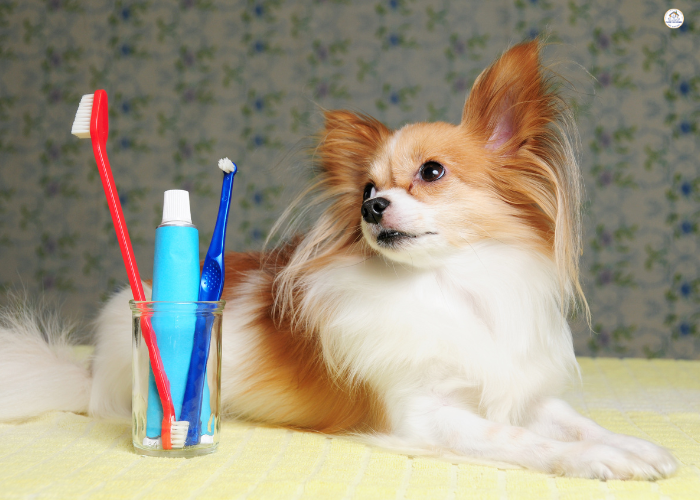
Dogs have different mouth shapes and sizes, so picking the right toothbrush is key. A small-headed toothbrush designed specifically for dogs helps you reach every nook and cranny.
- Finger brushes:These fit over your finger, giving you better control and gentler brushing, especially for shy or anxious dogs.
- Standard dog toothbrushes:They usually have angled heads to reach back teeth easily.
- Electric toothbrushes:Some dogs tolerate these well, and they provide thorough cleaning with less effort from you.
Think about your dog’s comfort and your ease of use. Have you tried a finger brush yet? It can completely change how your dog reacts.
Safe Toothpaste Options
Never use human toothpaste on your dog—it contains ingredients that can upset their stomach. Instead, pick toothpaste formulated specifically for dogs.
- Flavored dog toothpaste:Poultry, peanut butter, or mint flavors make brushing more appealing to your dog.
- Enzymatic toothpaste:These contain enzymes that help break down plaque and are gentle on your dog’s mouth.
- Natural toothpaste:For dogs with sensitive stomachs, toothpaste with natural ingredients and no artificial additives works best.
Choosing the right toothpaste can turn brushing into a treat rather than a chore. What flavor would your dog enjoy the most?
Brushing Techniques For Dogs
Brushing your dog's teeth is key to keeping their mouth healthy. Good brushing techniques make the process easier and more effective. Your dog will feel more comfortable and less stressed. This helps prevent dental problems like plaque and bad breath. Understanding the right way to brush helps you care for your dog’s teeth well.
Preparing Your Dog For Brushing
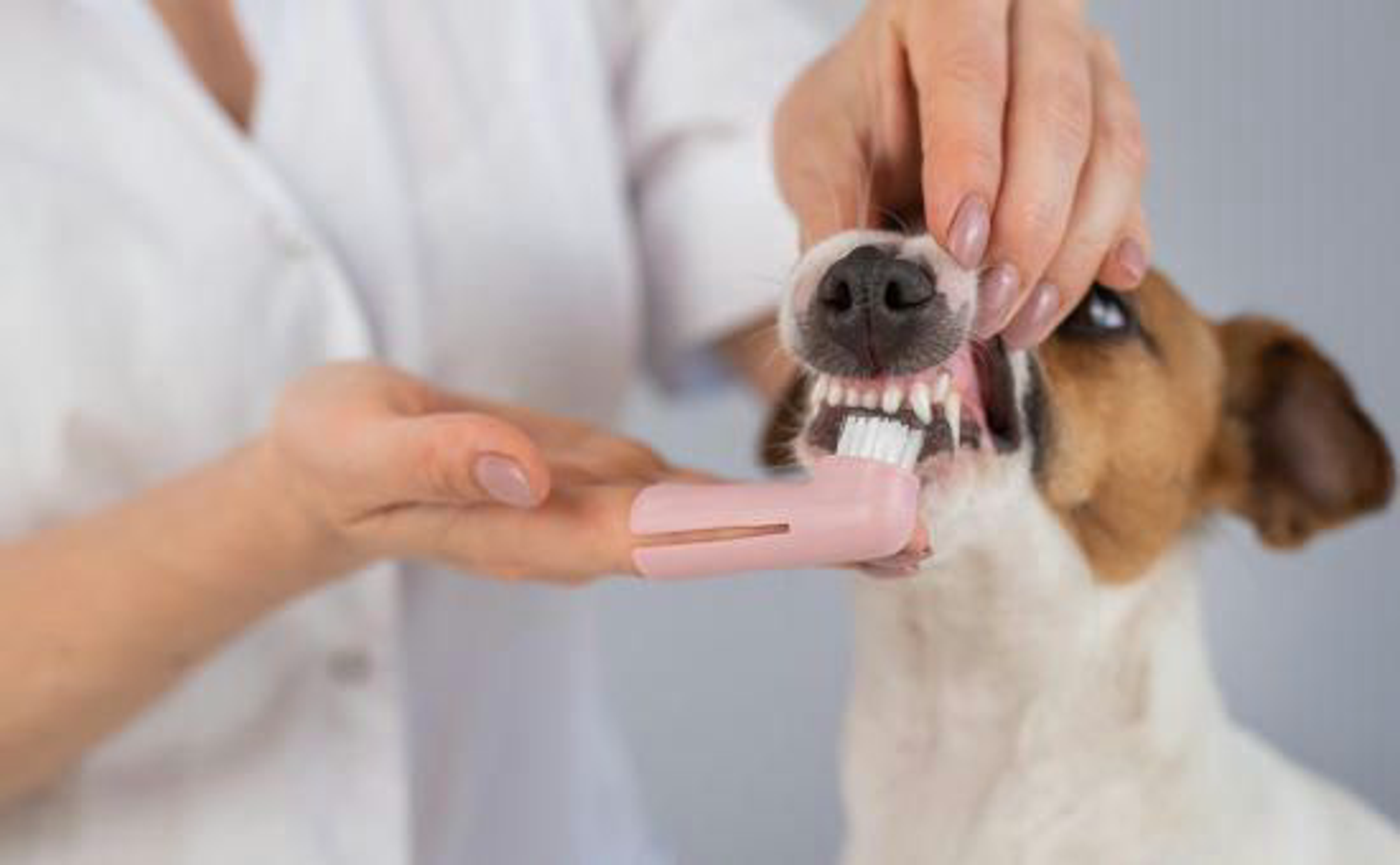
Start by choosing a quiet, calm spot for brushing. Let your dog sniff the toothbrush and toothpaste first. Use toothpaste made for dogs only. Gently touch your dog’s mouth and teeth with your fingers. Praise and reward your dog to build trust. Practice this daily before actual brushing. This makes your dog ready and relaxed.
Step-by-step Brushing Guide
- Hold the brush at a 45-degree angle to the teeth.
- Brush small circles on the outside surfaces of the teeth.
- Focus on the gum line where plaque builds up most.
- Brush the front, back, and chewing surfaces of teeth.
- Keep sessions short at first, about 30 seconds to 1 minute.
- Gradually increase brushing time as your dog gets used to it.
- Use gentle, slow strokes to avoid hurting your dog’s gums.
- Always praise and reward your dog after brushing.
Alternatives To Tooth Brushing
Brushing your dog's teeth daily is ideal for dental health. Still, some dogs resist brushing or need extra help. Alternatives to brushing can support oral hygiene. These methods reduce plaque and keep teeth cleaner between brushings.
Using alternatives does not replace brushing completely. They work best as part of a full dental care routine. Explore options that are easy to use and safe for your dog.
Dental Chews And Toys
Dental chews help clean teeth naturally while your dog chews. They scrape off plaque and massage gums. Choose chews designed for dental health with safe ingredients.
Toys with ridges and textures also promote chewing action. This helps reduce tartar buildup. Supervise your dog to prevent swallowing large pieces.
- Choose chews approved by veterinarians.
- Offer chews appropriate for your dog's size and age.
- Check for any allergies or sensitivities.
Professional Cleanings
Veterinary dental cleanings remove plaque and tartar thoroughly. They clean areas hard to reach with home care. Regular cleanings prevent serious dental problems and pain.
Most dogs need professional cleanings once a year or as advised. Your vet will examine your dog's teeth and gums. Follow their recommendations for the best care.
- Schedule cleanings based on your dog's needs.
- Discuss anesthesia options and safety with your vet.
- Maintain home dental care between visits.

Credit: www.pureinhomepetsitting.com
Signs Of Dental Problems
Recognizing the signs of dental problems in your dog is crucial for maintaining their overall health. Dental issues can cause pain, affect eating habits, and even lead to serious infections. Being alert to early symptoms helps you act quickly and keep your dog's smile healthy.
Common Symptoms To Watch For
- Bad breath:A persistent foul odor from your dog's mouth can signal bacterial buildup or gum disease.
- Red or swollen gums:Healthy gums should be pink. If they look inflamed or bleed easily, it’s a warning sign.
- Difficulty eating or chewing:If your dog suddenly avoids hard treats or seems to chew on one side, dental pain might be the cause.
- Excessive drooling:While some drooling is normal, a sudden increase can indicate discomfort or oral issues.
- Loose or missing teeth:Teeth that wobble or have fallen out require immediate attention.
- Pawing at the mouth:Your dog might paw or rub its face if experiencing oral pain.
Have you noticed any of these signs during your daily routine with your dog? Early detection makes treatment easier and less stressful for your pet.
When To Visit The Vet
If you spot any symptoms from the list above, don’t wait to schedule a vet appointment. Dental problems can worsen quickly and affect your dog’s quality of life.
Regular check-ups are essential, but urgent visits are needed when your dog:
- Shows signs of severe pain, like whimpering or refusal to eat.
- Has visible pus or swelling around the teeth or gums.
- Experiences sudden weight loss linked to eating difficulties.
- Displays behavioral changes such as irritability or withdrawal.
Your vet can perform a thorough dental exam and recommend treatments like cleaning, extractions, or medication. Have you scheduled your dog’s dental check-up lately? Prevention and prompt care can save your dog from pain and costly procedures.
Maintaining Long-term Dental Health
Maintaining long-term dental health is essential for your dog's overall well-being. Healthy teeth help prevent pain, infections, and even heart problems. Regular care supports strong gums and fresh breath. It also helps your dog enjoy food and play without discomfort.
Diet And Oral Health
Your dog's diet plays a big role in dental health. Dry kibble can help reduce plaque buildup. Some special dental diets are designed to clean teeth. Avoid sugary treats and sticky foods that cause decay. Fresh water is important to wash away food particles.
Routine Dental Checkups
Vet visits for dental checkups catch problems early. Professionals can remove tartar and check for gum disease. Your vet may recommend cleanings under anesthesia. Schedule checkups at least once a year. Early care prevents costly and painful treatments later.
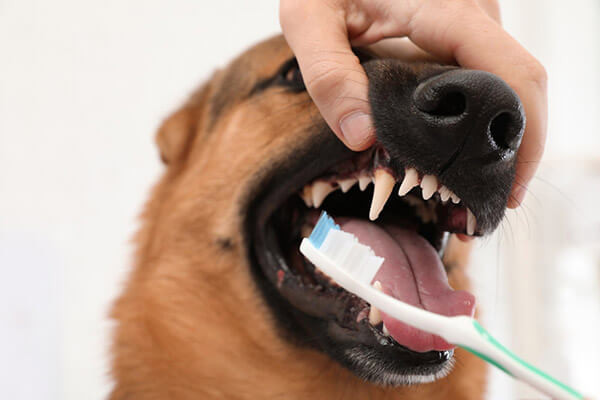
Credit: www.scottsdaleveterinaryclinic.com
Frequently Asked Questions
How Often Should I Brush My Dog's Teeth?
Brush your dog's teeth at least 2-3 times per week. Daily brushing is ideal to prevent plaque buildup and dental issues. Consistency helps maintain your dog's oral health and fresh breath.
What Happens If I Don't Brush My Dog's Teeth?
Without brushing, plaque and tartar build up, causing bad breath, gum disease, and tooth loss. Poor dental care can lead to infections affecting your dog's overall health.
Can I Use Human Toothpaste For Dogs?
No, human toothpaste contains ingredients harmful to dogs. Always use toothpaste specially formulated for dogs. Dog toothpaste is safe to swallow and designed to clean effectively.
When Should I Start Brushing My Puppy's Teeth?
Start brushing your puppy’s teeth as early as 8 weeks old. Early brushing helps them get used to the routine and promotes lifelong dental health.
Conclusion
Brushing your dog’s teeth often keeps their mouth healthy. Aim to brush at least two to three times each week. Regular brushing helps prevent bad breath and tooth problems. Dogs enjoy fresh breath, just like people do. Start slow and be gentle to make brushing easy.
Consistency is key to good dental care. Healthy teeth mean a happier, healthier dog. Keep brushing and watch your dog’s smile shine bright. Simple steps make a big difference in your dog’s health.