Are you wondering how often your furry friend needs the kennel cough vaccine? You're not alone.
As a responsible pet parent, you want to ensure your dog stays healthy and happy. But with so many vaccines and schedules, it’s easy to feel overwhelmed. Understanding the right frequency for the kennel cough vaccine can help you make informed decisions about your dog's health.
You'll discover essential information that will not only ease your worries but also empower you with the knowledge to keep your dog safe from this common illness. Stay with us to unravel the mystery behind the kennel cough vaccine and learn how to protect your beloved pet.

Credit: ccdogdaycare.com
What Is Kennel Cough
Kennel cough is a common respiratory infection in dogs. It causes a harsh, dry cough that sounds like a honking noise. This infection affects the throat and windpipe. Most dogs recover quickly, but it can be serious for puppies and older dogs. Understanding kennel cough helps protect your pet's health.
Causes And Symptoms
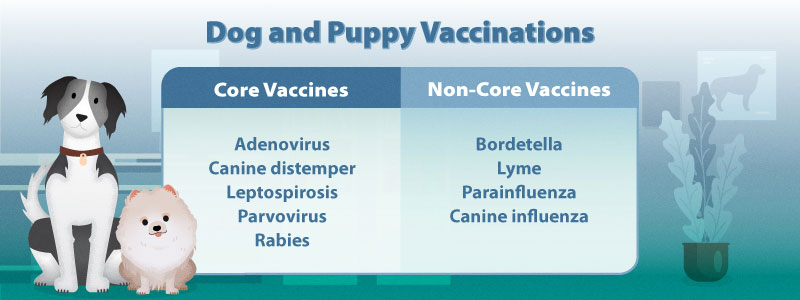
Kennel cough happens due to bacteria and viruses. The main bacteria involved is Bordetella bronchiseptica. Viruses like parainfluenza and adenovirus also cause it. These germs irritate the dog's airway, causing inflammation.
Common symptoms include:
- A strong, dry cough
- Gagging or retching
- Runny nose
- Sneezing
- Lethargy
- Loss of appetite
Most dogs stay active but may cough more after exercise or excitement.
Transmission Methods
Kennel cough spreads easily among dogs. It passes through airborne droplets when dogs cough or sneeze. Close contact in places like kennels, dog parks, and grooming salons increases risk.
Shared water bowls and toys can also spread germs. Dogs with weak immune systems catch it faster. Quarantine and good hygiene help prevent outbreaks.
Credit: www.carecredit.com
Types Of Kennel Cough Vaccines
Understanding the types of kennel cough vaccines helps keep dogs safe and healthy. These vaccines protect dogs from the bacteria and viruses that cause kennel cough. Different vaccines work in various ways and have unique benefits. Choosing the right type depends on the dog's lifestyle and health needs.
Intranasal Vaccines
Intranasal vaccines are given as a mist sprayed into the dog's nose. This method targets the respiratory system directly. It helps the dog's immune system react quickly where the infection starts. The vaccine acts fast and often protects within a few days. It may cause mild sneezing or discharge but usually no serious side effects.
Injectable Vaccines
Injectable vaccines are given as a shot under the skin or into the muscle. This type builds strong immunity over a few weeks. It is easy to give and lasts longer than some other vaccines. Injectable vaccines work well for dogs that cannot handle nasal sprays. Some dogs may feel sore where the shot was given.
Oral Vaccines
Oral vaccines come as a liquid or tablet that the dog swallows. This type is less common but still effective. It stimulates immunity in the throat and lungs. Oral vaccines are simple to give and cause little stress. They are a good choice for dogs afraid of needles or nasal sprays.
Vaccination Schedule For Dogs
Keeping your dog safe from kennel cough requires following a proper vaccination schedule. Vaccines help build immunity and reduce the risk of infection. Timing is important to ensure your dog stays protected throughout life. The schedule varies for puppies and adult dogs.
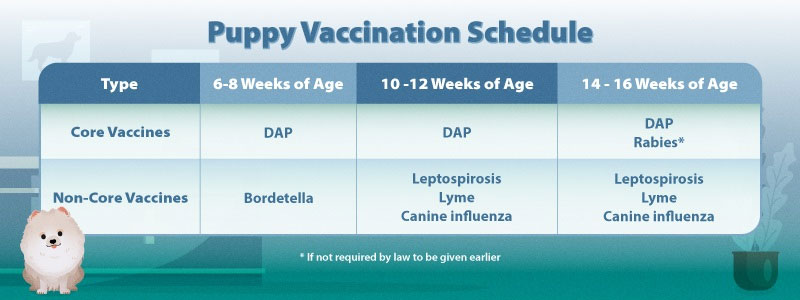
Puppy Vaccination Timeline
Puppies need a series of vaccines to build strong protection. The first dose usually happens at 6 to 8 weeks old. Then, boosters follow every 3 to 4 weeks until the puppy is 16 weeks old. This schedule helps create lasting immunity as the puppy grows.
- 6-8 weeks: First kennel cough vaccine dose
- 10-12 weeks: Second dose booster
- 14-16 weeks: Final puppy booster
After the last dose, puppies should avoid places with many dogs for a few weeks. This helps ensure vaccines work properly and the puppy stays healthy.
Adult Dog Booster Frequency
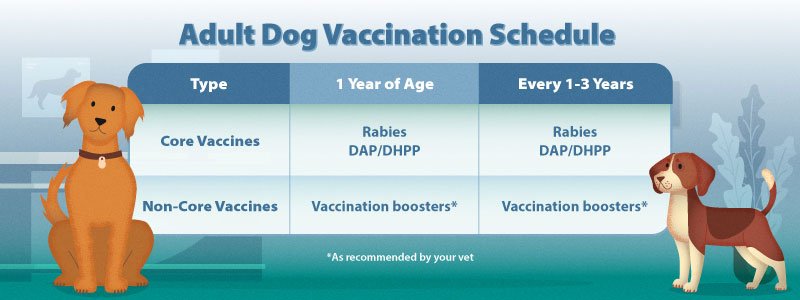
Adult dogs need booster shots to maintain immunity. Most vets recommend a kennel cough booster once every year. Some dogs at high risk may need boosters every 6 months. These include dogs that visit kennels or dog parks often.
- Annual booster for most adult dogs
- Six-month boosters for high-risk dogs
Regular boosters keep your dog protected from new strains of kennel cough. Always check with your vet about the best schedule for your pet.
Credit: www.carecredit.com
Factors Affecting Vaccine Frequency
Several factors influence how often dogs need the kennel cough vaccine. Understanding these can help pet owners keep their dogs safe without unnecessary shots. The vaccine frequency depends on the dog's daily life and advice from professionals. These elements ensure the dog receives proper protection against kennel cough.
Lifestyle And Exposure Risk
Dogs that spend a lot of time with other dogs face higher risks of catching kennel cough. Places like dog parks, boarding kennels, and grooming salons increase exposure. Dogs living mostly at home with little contact have lower risk. Active dogs involved in training classes or shows may need vaccines more often. The environment and activities shape how often the vaccine is necessary.
Veterinarian Recommendations
Veterinarians tailor vaccine schedules based on each dog's health and risk level. They consider factors like age, breed, and medical history. Some dogs might need boosters every year, while others can wait longer. Regular vet check-ups help adjust the vaccine plan as needed. Trusting a vet’s advice ensures the dog stays healthy and protected.
Signs Your Dog May Need A Booster
Recognizing when your dog needs a kennel cough vaccine booster is key to keeping them healthy and comfortable. The signs might not always be obvious, but paying close attention can help you act before things get worse.
Persistent Coughing Or Gagging
If your dog starts coughing frequently, especially a dry, honking cough, it could signal the need for a booster. This symptom often appears before other signs and may worsen after exercise or excitement.
Changes In Energy Levels
Notice if your dog seems unusually tired or less playful than usual. A sudden drop in energy can indicate their immune system is struggling to fight off kennel cough.
Increased Sneezing Or Nasal Discharge
Sneezing more than usual or having a runny nose might not just be allergies. These could be early signs that your dog’s protection from the vaccine is wearing off.
Loss Of Appetite Or Difficulty Eating
When your dog loses interest in food or struggles to eat, it may be because their throat is sore from kennel cough. This is a clear cue to check their vaccination status and consider a booster.
Recent Exposure To Other Dogs
If your dog has been around many other dogs, especially in places like kennels, dog parks, or grooming salons, the risk of kennel cough increases. Even if they seem fine now, a booster might be necessary to prevent illness.
Have you noticed any of these signs in your dog lately? Taking timely action with a booster can save your pet from discomfort and keep their tail wagging strong.
Side Effects And Precautions
Understanding the side effects and precautions of the kennel cough vaccine helps you care better for your dog. Knowing what to expect after vaccination can ease your worries and ensure your pet stays healthy. Being aware of signs that need medical attention keeps your dog safe.
Common Reactions
Most dogs experience only mild reactions after the kennel cough vaccine. These can include a slight cough, sneezing, or a mild fever lasting one to two days.
Some dogs might have tenderness or swelling where the shot was given. This usually goes away quickly without treatment.
Occasionally, your dog may seem a bit tired or less hungry after the vaccine. This is normal and should pass within 24 to 48 hours.
When To Contact A Vet
Keep an eye out for severe symptoms like difficulty breathing, persistent coughing, or swelling around the face or neck. These signs could mean an allergic reaction and require immediate vet attention.
If your dog develops vomiting, diarrhea, or extreme lethargy after vaccination, don't wait to get professional advice. These reactions are less common but important to address promptly.
Have you noticed unusual behavior in your dog after a vaccine before? Trust your instincts and call your vet if anything feels off. Quick action can prevent complications and keep your furry friend safe.
Tips For Keeping Your Dog Healthy
Keeping your dog healthy goes beyond just vaccinations. It involves daily attention to their environment and habits. You hold the key to preventing many illnesses, including kennel cough, by adopting smart and simple practices.
Preventative Measures
Vaccination is crucial, but it’s not the only step. Ensure your dog has a balanced diet rich in nutrients to support a strong immune system. Regular exercise also keeps their lungs and heart in good shape, which helps fend off respiratory infections.
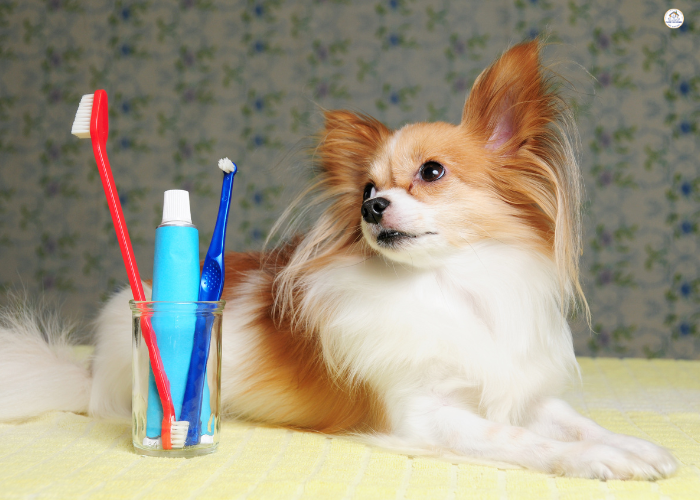
Have you noticed how dogs with clean teeth and gums tend to get sick less often? Oral health affects overall well-being, so brushing your dog’s teeth regularly can make a real difference.
- Keep up with scheduled vaccinations and booster shots.
- Watch for early signs of cough or nasal discharge and consult your vet promptly.
- Limit your dog’s exposure to unknown dogs or crowded places during outbreaks.
Environment Management
Your dog’s surroundings can either protect or expose them to kennel cough. Clean their bedding and toys often to remove germs that might linger. Good ventilation in your home reduces the risk of airborne infections.
Think about your dog’s daily routes and play areas. Are they places where many dogs gather? If so, try to visit during less busy times. This simple change can lower the chance of your dog catching something contagious.
- Disinfect common areas where your dog spends time.
- Avoid overcrowded dog parks during peak hours.
- Provide fresh water and avoid sharing bowls with other dogs.
Frequently Asked Questions
How Often Should Dogs Get The Kennel Cough Vaccine?
Dogs typically need the kennel cough vaccine annually. Some high-risk dogs may require it every six months. Consult your vet for the best schedule based on your dog's lifestyle and environment.
Can Puppies Receive The Kennel Cough Vaccine?
Yes, puppies can get the kennel cough vaccine. They usually receive it at 6-8 weeks old, with a booster after 2-4 weeks. Early vaccination helps protect them in social or boarding situations.
Is The Kennel Cough Vaccine Safe For Dogs?
The kennel cough vaccine is generally safe. Mild side effects like coughing or sneezing may occur briefly. Serious reactions are rare. Always discuss any concerns with your veterinarian before vaccination.
Does The Kennel Cough Vaccine Prevent All Infections?
The vaccine reduces the risk but doesn’t guarantee full prevention. It targets common bacteria and viruses causing kennel cough. Good hygiene and avoiding contact with sick dogs also help protect your pet.
Conclusion
Dogs need the kennel cough vaccine regularly to stay healthy. Most vets suggest a yearly booster shot. Puppies may need extra doses at first. Vaccines help protect your dog from tough cough infections. Keep a close eye on your pet’s health.
Talk to your vet about the best schedule. Staying up-to-date with vaccines means fewer vet visits later. A healthy dog is a happy dog. Don’t skip these important shots. Your dog will thank you with lots of tail wags.