Are you puzzled about how much food your German Shepherd needs to stay healthy and full of energy? You're not alone.
Many dog owners often wonder if they are feeding their furry friends the right amount. Feeding your German Shepherd the right portion is crucial for their well-being and can prevent a host of health issues. Are you ready to discover the secrets to perfect portion sizes that can keep your pet happy and thriving?
Keep reading to uncover valuable insights that can transform your feeding routine and ensure your beloved companion is living their best life.

Credit: gsdcolony.com
Daily Calorie Needs
Understanding your German Shepherd’s daily calorie needs is key to keeping them healthy. Calories fuel their energy, growth, and daily activities. Feeding the right amount avoids weight problems and supports their overall well-being.
Factors Affecting Calorie Requirements
Several things change how many calories your dog needs each day. Breed size, metabolism, and health all play roles. Even the weather can affect energy use. Watch your dog’s body condition to adjust food amounts.
Activity Level Impact
Active German Shepherds burn more calories. Dogs that run, train, or play often need extra food. Less active dogs require fewer calories to avoid gaining weight. Adjust meals based on exercise intensity and duration.
Age And Size Considerations
Puppies need more calories for growth. Older dogs usually require fewer calories due to slower metabolism. Larger dogs burn more energy even at rest. Tailoring calorie intake by age and size helps maintain ideal weight and health.
Recommended Portion Sizes
Feeding your German Shepherd the right amount is key to their health. Portion sizes depend on age, activity, and weight. Proper portions help maintain energy and avoid obesity. Below are general guidelines for different life stages.
Puppy Feeding Guidelines
Puppies need more frequent meals. Their growing bodies require extra nutrients and calories. Feed 3 to 4 times daily.
- 2 to 3 months: 1 to 2 cups per day, split into 4 meals
- 3 to 6 months: 2 to 3 cups per day, split into 3 meals
- 6 to 12 months: 3 to 4 cups per day, split into 2 meals
Choose high-quality puppy food with balanced nutrition.
Adult Dog Portions
Adult German Shepherds need balanced portions. Feed them twice a day. Amount depends on weight and activity.
| Weight (lbs) | Daily Food Amount (cups) |
|---|---|
| 50 - 70 | 3 to 4 |
| 70 - 90 | 4 to 5 |
| 90+ | 5 to 6 |
Adjust portions based on exercise levels and metabolism.
Senior Dog Adjustments
Senior German Shepherds need fewer calories. Their metabolism slows down. Feed smaller portions to prevent weight gain.
- Reduce food by 20-30% compared to adult portions
- Use senior dog food with lower fat and calories
- Maintain two meals per day for stability
Monitor weight and adjust portions as needed.
Choosing The Right Food
Choosing the right food for your German Shepherd is key to their health and happiness. This breed needs a balanced diet that supports their energy and muscle needs. Quality food helps maintain a shiny coat, strong bones, and good digestion. Understanding food types and nutrition makes feeding easier and more effective.
Dry Vs Wet Food
Dry food is convenient and helps keep teeth clean. It lasts longer and is usually cheaper. Wet food has more moisture, which helps with hydration. It is softer and often more flavorful. Many owners use a mix of both for variety and balance.
Nutritional Content To Look For
- High protein levels for muscle strength
- Healthy fats for energy and coat shine
- Fiber for good digestion
- Essential vitamins and minerals
Choose foods with real meat listed first. Avoid fillers like corn or soy. Check labels for balanced nutrition suited to active dogs.
Special Dietary Needs
German Shepherds may need special diets due to allergies or health issues. Some dogs require grain-free or hypoallergenic food. Puppies need food rich in calcium for growth. Older dogs benefit from joint-supporting nutrients. Always tailor food to your dog’s life stage and health.
Feeding Schedule Tips
Setting the right feeding schedule helps your German Shepherd stay healthy and energetic. Consistency in meal times supports digestion and behavior. Feeding your dog at regular intervals creates a sense of routine and security.
Adjusting the feeding schedule to your dog’s age and activity level is important. Puppies need more frequent meals, while adults do well with fewer servings. Monitor your dog’s hunger and weight to make small changes if needed.
Number Of Meals Per Day
Feed adult German Shepherds two meals daily. This avoids hunger and controls portion size. Puppies require three to four meals a day for steady growth. Split their total daily food into equal portions for each meal.
Smaller, frequent meals prevent overeating and improve digestion. Do not leave food out all day to avoid overeating. Stick to scheduled meals to keep your dog’s appetite balanced.
Best Feeding Times
Feed your German Shepherd morning and evening for best results. Consistent feeding times help regulate metabolism. Try to feed your dog at the same time every day.
Avoid feeding right before or after exercise. Wait at least one hour after play or walk before mealtime. This prevents stomach issues and keeps your dog comfortable.
Avoiding Overfeeding
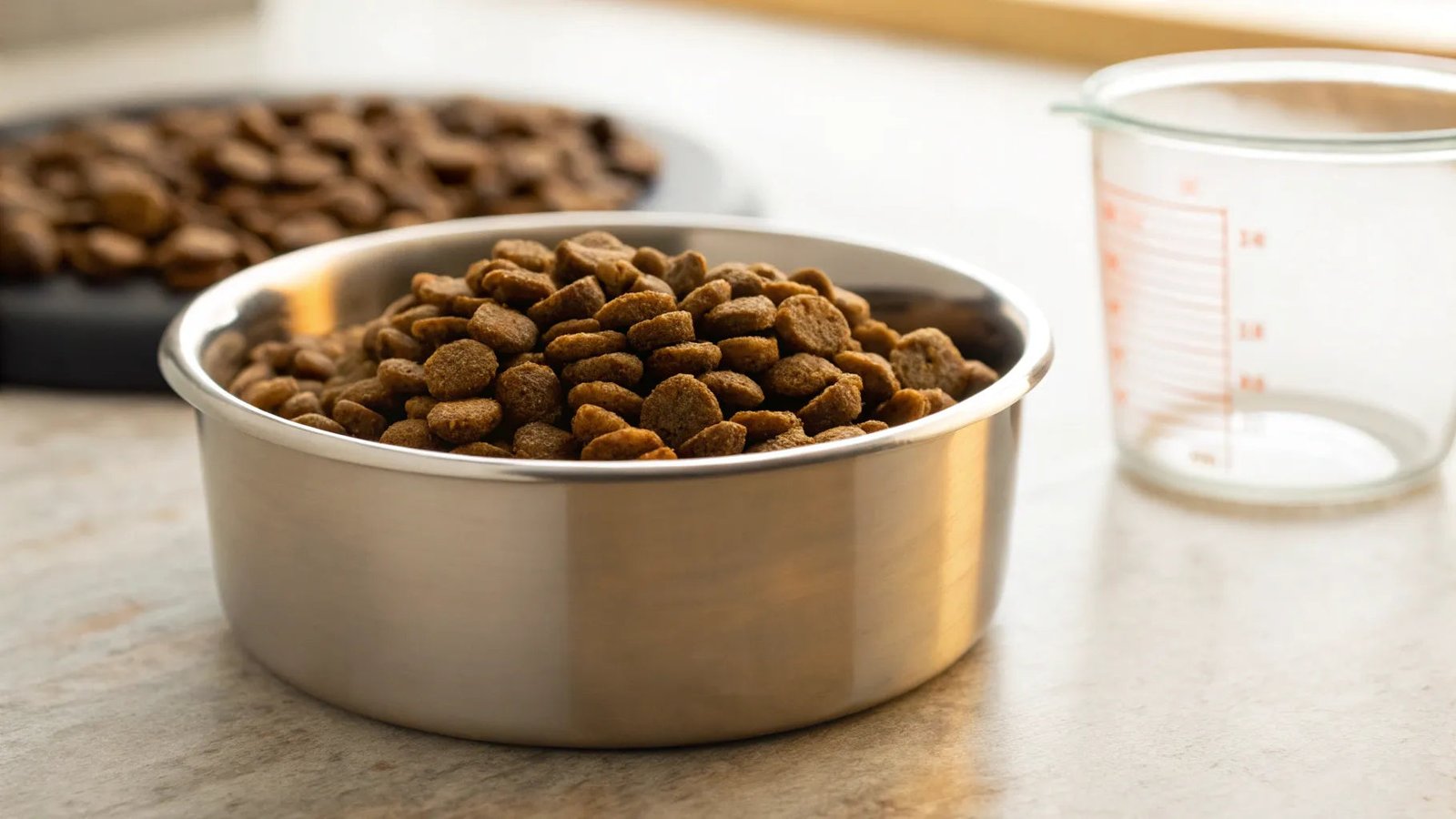
Measure food portions carefully to avoid extra calories. Use a standard measuring cup or a kitchen scale for accuracy. Resist giving too many treats or table scraps.
Watch your dog’s weight and body condition regularly. Adjust meal portions if your dog gains or loses weight. Overfeeding can lead to obesity and health problems.
Signs Of Overfeeding And Underfeeding
Knowing the signs of overfeeding and underfeeding helps keep your German Shepherd healthy. It prevents problems that arise from improper feeding. Watch your dog closely for these clear signals. They tell you if you need to adjust the food amount.
Weight Gain And Obesity Risks
Too much food causes weight gain fast. Your German Shepherd may look chubby or round. Obesity brings health issues like joint pain and heart stress. It lowers your dog's energy and shortens lifespan. Monitor weight often to spot changes early.
Nutritional Deficiencies
Feeding too little food leads to missing nutrients. Your dog may have dull fur or weak muscles. Low energy and slow healing also show lack of nutrition. Nutritional gaps affect growth and immune strength. Balanced food portions keep your dog strong and healthy.
Behavioral Changes
Overfed dogs can become lazy and less playful. Underfed dogs show restlessness or constant hunger signs. Both conditions may cause irritability or anxiety. Your dog's mood often reflects its diet quality. Pay attention to changes in behavior closely.

Credit: www.reddit.com
Adjusting Food Amounts Over Time
Adjusting the amount of food you give your German Shepherd over time is essential to keep them healthy and happy. Their needs change as they grow, become more or less active, and go through different life stages. Paying close attention to these changes helps you avoid overfeeding or underfeeding, which can lead to health problems.
Monitoring Weight And Health
Keep an eye on your dog’s weight regularly. A healthy German Shepherd should have a visible waist and you should be able to feel their ribs without pressing hard. If you notice your dog gaining too much weight or losing it unexpectedly, it’s time to adjust their food portions.
Regular vet check-ups can also guide you in tweaking food amounts. Sometimes health issues can affect appetite and weight, so consulting a professional ensures you’re feeding the right amount. Have you checked your dog’s weight this week?
Seasonal Activity Changes
Your German Shepherd’s energy needs shift with the seasons. In colder months, they might be less active and require fewer calories. Conversely, summer often brings more outdoor play, increasing their calorie burn.
Adjust their food by small amounts to match their activity. If your dog is running and playing more, adding a bit of extra food or treats can keep their energy up. Watch how your dog behaves — are they finishing their meals or leaving food behind?
Growth And Development Phases
Puppies need more food relative to their size as they grow quickly. Their diet should support strong bones and muscles. As your German Shepherd matures, their growth rate slows, and so should their food intake.
Adult dogs require maintenance calories, while seniors might need fewer calories to prevent weight gain. Adjust feeding amounts gradually during each phase. Have you noticed how much your dog’s appetite changes from puppyhood to adulthood?
Consulting A Veterinarian
Feeding your German Shepherd the right amount of food is crucial for their health and happiness. While general guidelines can help, consulting a veterinarian ensures your dog’s diet fits their unique needs. A vet’s advice can prevent issues like obesity or nutrient deficiencies before they start.
When To Seek Professional Advice
Not sure how much to feed your German Shepherd? It’s time to talk to a vet if your dog shows sudden weight changes, low energy, or digestive problems.
Also, reach out if you’re considering switching foods or adding supplements. Early professional guidance saves you from costly health problems later.
Customizing Diet Plans
Every German Shepherd is different—age, activity level, and health conditions all matter. A vet can tailor a feeding plan that matches your dog’s lifestyle perfectly.
They might suggest specific portions, feeding times, or types of food to boost your dog’s well-being. Have you noticed your dog’s eating habits changing? Your vet can help adjust their diet accordingly.
Regular Health Checkups
Regular vet visits help track your German Shepherd’s weight and overall health over time. These checkups let you catch any nutrition-related problems early.
During these visits, vets can update feeding recommendations based on growth, activity, or medical issues. How often are you checking in with your vet to keep your dog’s diet on track?

Credit: pet-supermarket.co.uk
Frequently Asked Questions
How Much Food Does A German Shepherd Need Daily?
An adult German Shepherd typically needs 3 to 4 cups of high-quality dry food daily. This amount varies with age, weight, and activity level. Puppies and active dogs may need more frequent feeding and larger portions.
When Should I Adjust My German Shepherd’s Food Amount?
Adjust food portions if your dog gains or loses weight unexpectedly. Also, increase food during growth, pregnancy, or high activity periods. Monitor their body condition regularly to ensure proper nutrition.
What Type Of Food Is Best For German Shepherds?
High-protein, balanced dog food with quality ingredients supports their muscle and energy needs. Look for food rich in meat, vitamins, and minerals. Avoid fillers and artificial additives for optimal health.
How Many Meals Should I Feed My German Shepherd Daily?
Feed adult German Shepherds twice daily to maintain energy and digestion. Puppies require 3 to 4 smaller meals per day for steady growth and nutrient absorption.
Conclusion
Feeding your German Shepherd the right amount is key to their health. Watch their weight and energy to adjust portions. Puppies need more food than adults. Active dogs burn more calories and need extra meals. Always choose good quality food for better nutrition.
Avoid overfeeding to prevent obesity and health issues. Regular vet visits help track your dog's growth and diet. Feeding well supports a happy, strong, and long life for your dog. Keep learning and caring—it makes all the difference.