Are you finding it tricky to figure out how many grams of dog food are in a cup? You're not alone.
Many dog owners face this common challenge. Measuring your dog's food correctly is crucial for maintaining their health and well-being. Too much food can lead to weight gain, while too little may leave them undernourished. By understanding the right measurements, you can ensure your furry friend gets just what they need.
This guide will simplify the process, making it easier for you to provide the perfect portion every time. Stick around to discover the simple steps that will help you master your dog's meal planning effortlessly.
Measuring Dog Food By Volume
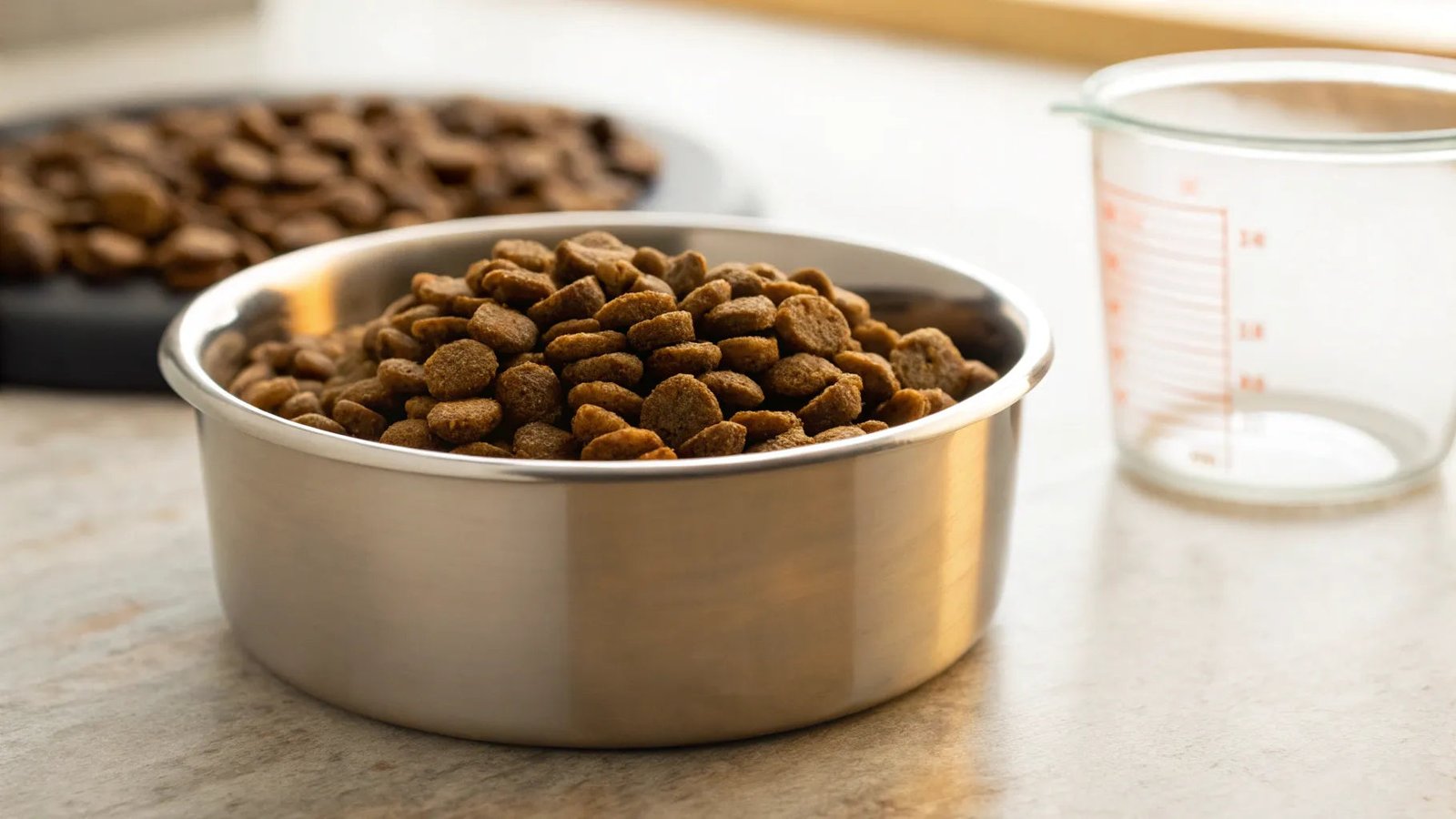
Measuring dog food by volume is a common practice among pet owners, but it’s not always as straightforward as it seems. Using a standard cup to feed your dog can lead to underfeeding or overfeeding if you don’t account for variables like kibble size and cup type. Understanding these factors helps you provide the right amount of food for your furry friend’s health and happiness.
Why Volume Measurements Vary
Volume measurements can be tricky because a “cup” doesn’t always mean the same thing. Different measuring cups hold slightly different amounts of food depending on their design and markings. Even the way you scoop the food—whether you level it off or let it mound—affects the amount your dog actually gets.
Have you noticed how a cup of one brand’s kibble looks different from another’s? This variation makes relying solely on volume measurements less accurate. It’s a good practice to weigh the food occasionally to ensure consistency.
Common Cup Sizes For Dog Food
The most common measuring cup size used for dog food is 240 milliliters or about 8 fluid ounces. However, some pet owners use smaller or larger cups depending on their feeding routine or packaging instructions. Knowing the exact volume your cup holds can prevent guesswork.
| Cup Size | Approximate Volume (ml) | Common Use |
|---|---|---|
| Standard Measuring Cup | 240 ml | Most recipes and feeding guidelines |
| Half Cup | 120 ml | Smaller portions or supplements |
| Dry Food Scoop | Varies (150-200 ml) | Often included in dog food bags |
Impact Of Kibble Shape And Size
Not all kibble is created equal. The shape and size can change how much fits into a cup. For instance, round or irregularly shaped kibble may leave more air gaps, reducing the actual weight compared to denser, uniformly shaped pieces.
If you switch dog food brands often, have you noticed your dog seems hungrier or less full even with the same “cup” of food? This is often due to differences in kibble density. Measuring by weight rather than volume can give you better control over your dog’s diet.
Converting Cups To Grams
Converting cups to grams is essential when measuring dog food, especially if you want to provide the right portion for your furry friend. Cups measure volume, but grams measure weight, so the two are not directly interchangeable. Understanding how to convert between these units helps you avoid overfeeding or underfeeding your dog.
Average Weight Of Dry Dog Food Per Cup
On average, one cup of dry dog food weighs about 90 to 100 grams. This range varies depending on the kibble size and density. Knowing this average helps you estimate portions when you don’t have a scale handy.
Think about the last time you poured dog food into a cup—it probably looked like a full cup, but the actual weight might have been lighter or heavier than you expected. This difference can impact your dog’s diet if you rely only on volume measurements.
Using A Kitchen Scale For Accuracy
A kitchen scale is the best tool to measure your dog’s food accurately. Weighing the food in grams ensures you’re feeding the precise amount recommended by your vet or the dog food package. This avoids guesswork and helps maintain your dog’s health.
Try measuring your dog’s food with a scale next time. You might be surprised how much variation there is compared to measuring with cups. It’s a simple step that can make a big difference.
Variations Across Different Brands
Not all dog food brands have the same weight per cup. Some kibbles are denser, while others are lighter due to ingredients and manufacturing methods. This means one cup of Brand A could weigh 95 grams, while Brand B’s cup might be 85 grams.
Always check the packaging or contact the manufacturer if you want exact grams per cup for your dog food. Are you sure your current measurement method matches the food you’re using?
Factors Affecting Feeding Amounts
Determining the right amount of dog food in grams per cup is not simple. Several factors influence how much your dog needs. Understanding these factors helps avoid overfeeding or underfeeding. Proper feeding supports your dog’s health and energy.
Dog’s Age And Weight
Young puppies need more calories for growth. Adult dogs require balanced meals to maintain weight. Senior dogs often need fewer calories due to less activity. Weight affects food quantity. Heavier dogs need more food than smaller ones.
Activity Level And Metabolism
Active dogs burn more calories daily. Working or playing dogs need larger portions. Sedentary dogs need less food to prevent weight gain. Metabolism varies by breed and individual. Faster metabolism means higher food needs.
Health Conditions And Dietary Needs
Certain health issues change food requirements. Dogs with allergies need special diets. Overweight dogs require calorie control to lose weight. Dogs with medical problems may need vet-approved food. Always consider your dog’s unique health needs.
Credit: www.petindiaonline.com
Tips For Perfect Dog Feeding
Feeding your dog the right amount of food keeps them healthy and happy. Precise feeding helps avoid weight problems and ensures good nutrition. Follow these tips for perfect dog feeding to maintain balance and consistency.
Measuring Techniques For Consistency
Use a standard measuring cup for accuracy. Avoid guessing or using different cups. Level off the food with a flat edge for a precise amount. Weigh the food with a kitchen scale to check the cup's weight. This helps keep feeding consistent every day.
Adjusting Portions Over Time
Dogs' needs change with age, activity, and health. Observe your dog's weight and energy regularly. Increase or decrease food based on these factors. Consult your vet for advice on portion changes. Small adjustments over time keep your dog fit.
Avoiding Overfeeding And Underfeeding
Too much food leads to obesity and health issues. Too little causes weakness and poor growth. Follow recommended feeding guidelines on the dog food package. Watch for signs like weight gain or loss. Stick to scheduled feeding times to control portions.
Tools To Simplify Dog Food Measurement
Measuring the right amount of dog food is easier with the right tools. These tools help you feed your dog the perfect portion every time. Accurate measurement supports your dog’s health and prevents overfeeding. Here are some helpful tools to simplify dog food measurement.
Digital Scales
Digital scales provide precise measurements in grams. They are easy to use and very accurate. Place the empty bowl on the scale and zero it out. Then add dog food until you reach the correct weight. Digital scales work well for all types of dry dog food.
Measuring Cups Designed For Pet Food
Measuring cups made for pet food show volume in cups and grams. These cups match the density of dog food to give better results. They are portable and easy to clean. Using these cups helps keep feeding consistent and simple.
Apps And Feeding Calculators
Apps and online calculators help convert cups to grams for different dog foods. Enter your dog’s weight, age, and activity level. The app suggests the right portion size in grams or cups. These tools help you adjust portions as your dog’s needs change.

Credit: www.amazon.co.uk

Credit: www.amazon.com
Frequently Asked Questions
How Many Grams Are In One Cup Of Dog Food?
One cup of dry dog food typically weighs between 80 to 100 grams. The exact weight depends on the brand and kibble size. Always check the packaging for precise measurements to ensure accurate feeding.
Does Dog Food Weight Vary By Brand?
Yes, dog food weight varies by brand due to different kibble sizes and ingredients. This affects how many grams fit in one cup. Always measure by weight for precise feeding, not just volume.
Why Measure Dog Food In Grams, Not Cups?
Measuring dog food in grams ensures accuracy and consistency. Cups can vary in size and kibble density differs by brand. Using grams helps maintain proper portion control and supports your dog’s health.
How To Convert Cups To Grams For Dog Food?
To convert cups to grams, check the dog food package for specific weight per cup. If unavailable, use an average of 90 grams per cup for dry kibble. A kitchen scale can provide the most accurate measurement.
Conclusion
Knowing how many grams of dog food fit in a cup helps feed your pet right. Different brands and types have different weights. Always check the packaging for accurate info. Use a kitchen scale for the best measure. Feeding the correct amount keeps your dog healthy and happy.
Small changes in food quantity can affect your dog's weight. Keep an eye on your pet’s body condition and adjust food as needed. Simple steps lead to better care and a stronger bond with your dog.