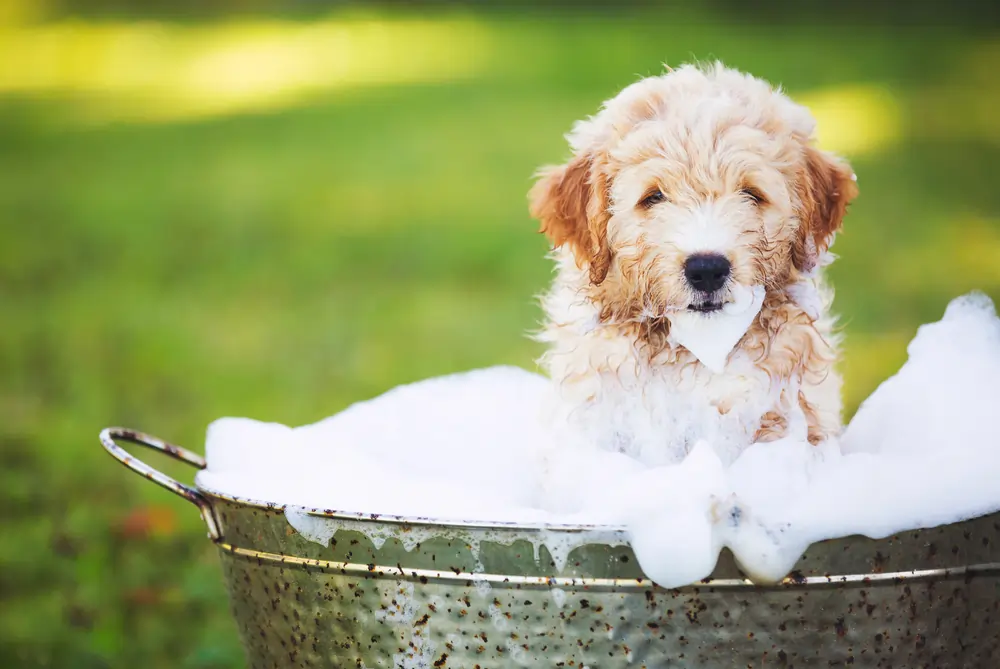
How often should you give your dog a bath? It’s a question many pet owners ask but don’t always find a clear answer to.
Too many baths can dry out your dog’s skin, while too few might leave them smelly and uncomfortable. Finding the right balance is key to keeping your furry friend happy and healthy. You’ll discover exactly how often your dog needs a bath based on their breed, lifestyle, and health.
Keep reading to learn simple tips that will make bath time easier for both you and your dog.
Bathing Frequency Basics
Understanding how often your dog needs a bath can save you time and keep your furry friend comfortable. Bathing frequency isn't a one-size-fits-all answer. It depends on several important factors that influence your dog's skin and coat health.
Factors Influencing Bathing Needs
Think about your dog’s daily activities. Does your dog love outdoor adventures, rolling in dirt, or swimming in lakes? These habits often mean more frequent baths are necessary to keep them clean and odor-free.
On the other hand, dogs that mostly stay indoors and don’t get very dirty might only need a bath once every few weeks. Overbathing can strip natural oils from their skin, leading to dryness and irritation.
Ask yourself: How often does your dog actually need a bath to stay fresh without causing skin problems? Your answer will guide your bathing routine.
Breed And Coat Type Considerations
Coat type plays a huge role in how often your dog should be bathed. Dogs with oily coats, like Basset Hounds, may need baths more often—sometimes every week or two.
Dogs with thick or double coats, such as Siberian Huskies, may require less frequent bathing because their fur naturally repels dirt. However, they do benefit from regular brushing to remove loose hair and dirt.
Short-haired breeds usually dry faster and can be bathed more easily, but it doesn’t always mean they need it more often. Pay attention to how your dog’s coat feels and smells to decide.
Age And Health Impact
Puppies typically don’t need frequent baths unless they get into something messy. Their skin is more sensitive, so gentle cleaning is best to avoid irritation.
Senior dogs or those with skin conditions may require special bathing routines with medicated shampoos. Always check with your vet before changing your dog’s bathing schedule based on health needs.
Have you noticed changes in your dog’s skin or coat as they age? Adjusting bath frequency can help manage these changes and keep your dog comfortable.

Credit: perfectpetinsurance.co.uk
Signs Your Dog Needs A Bath
Knowing when your dog needs a bath is key to keeping them healthy and happy. Dogs cannot tell us when they feel dirty or uncomfortable. Observing signs helps decide the right time for a bath.
Odor And Dirt Accumulation
A strong smell from your dog often means it is time for a bath. Dirt and grime build up on their coat after playing outside or rolling on the ground. Visible dirt, mud, or debris stuck in fur also signals a bath is needed.
Skin Irritations And Allergies
Redness, itching, or flaky skin shows your dog might need a bath. Allergens and pollutants can irritate the skin if not washed off regularly. Bathing with gentle dog shampoo soothes discomfort and removes irritants.
Behavioral Clues
Changes in behavior can hint at bath time. Dogs may scratch more or lick their fur excessively when dirty or itchy. Restlessness or rubbing against furniture also suggests your dog feels uncomfortable and needs cleaning.
Bathing Tips For Different Dogs
Bathing your dog isn’t a one-size-fits-all routine. Different breeds and skin types need specific care to keep them clean and comfortable. Understanding these differences helps you avoid skin issues and keeps your dog happy after every bath.
Short-haired Breeds
Short-haired dogs usually don’t need frequent baths. Their coat repels dirt better and dries quickly, so bathing every 6 to 8 weeks is often enough.
Use a mild shampoo to avoid drying out their skin. Quick rinsing and thorough drying prevent irritation. Have you noticed how your short-haired dog’s natural oils protect their coat?
Long-haired Breeds
Long-haired dogs require more attention to avoid mats and tangles. Bathing every 4 to 6 weeks helps keep their coat clean and manageable.
- Brush thoroughly before the bath to remove loose hair and debris.
- Use a conditioner to keep the fur soft and reduce tangling.
- Dry their coat carefully to prevent dampness, which can cause skin problems.
Have you ever struggled with knots after a bath? Regular grooming between baths makes a big difference.
Sensitive Skin Dogs
Dogs with sensitive skin need extra care during baths. Frequent washing can strip their natural oils, causing dryness and irritation.
- Choose hypoallergenic, fragrance-free shampoos designed for sensitive skin.
- Limit baths to once every 6 to 8 weeks unless your vet advises otherwise.
- Rinse thoroughly to remove all shampoo residue, which can irritate skin.
Pay attention to your dog's reaction after a bath. If you see redness or itching, it might be time to adjust your bathing routine.
Choosing The Right Shampoo
Choosing the right shampoo for your dog is important for their skin and coat health. The wrong shampoo can cause dryness, irritation, or allergies. A good shampoo cleans without stripping natural oils. It keeps the coat shiny and the skin comfortable. Picking the right product depends on your dog’s skin type and needs.
Ingredients To Look For
- Aloe vera soothes and moisturizes the skin.
- Oatmeal helps calm itchy or sensitive skin.
- Coconut oil nourishes the coat and adds shine.
- Chamomile reduces redness and irritation.
- Vitamin E supports skin healing and health.
Avoiding Harmful Chemicals
- Stay away from shampoos with parabens and sulfates.
- Avoid artificial fragrances that can cause allergies.
- Steer clear of harsh detergents that dry out skin.
- Check for dyes that might irritate sensitive skin.
Specialized Shampoos
- Hypoallergenic shampoos suit dogs with sensitive skin.
- Medicated shampoos treat specific skin conditions.
- Flea and tick shampoos help control pests.
- Whitening shampoos brighten light-colored coats.
- Deodorizing shampoos reduce strong odors effectively.
Bathing Frequency Mistakes To Avoid
Knowing how often to bathe your dog is more than just a schedule—it's about avoiding common mistakes that can affect your dog's health and happiness. Bathing too often or too rarely can both cause problems. Understanding these mistakes helps you keep your dog's coat shiny and skin healthy without unnecessary stress.
Over-bathing Risks
Bathing your dog too frequently can strip away natural oils that protect their skin and fur. This often leads to dryness, irritation, and even increased shedding.
I've seen dogs develop itchy, flaky skin simply because their owners gave baths every week. Instead, aiming for a bath every 4 to 6 weeks usually keeps the coat clean without harming the skin's natural barrier.
Over-bathing can also wash away beneficial bacteria that keep harmful germs in check. This may leave your dog more vulnerable to infections or allergic reactions.
Under-bathing Consequences
On the other hand, not bathing your dog enough can cause dirt, oils, and allergens to build up. This can lead to unpleasant odors and skin problems, such as infections or matting of the fur.
If your dog spends a lot of time outdoors or has a naturally oily coat, skipping baths for too long can cause discomfort. You might notice your dog scratching more or developing hot spots.
Finding a balance is key: you want to clean your dog enough to keep them healthy and comfortable, but not so often that you damage their skin. How does your dog’s coat look and feel between baths? That’s a good place to start adjusting your routine.

Credit: lakecityanimalhospital.com
Alternative Grooming Practices
Bathing your dog isn’t the only way to keep them clean and healthy. There are several alternative grooming practices that can help maintain your dog's coat and skin without the stress of frequent baths. These methods can save you time, protect your dog's natural oils, and still keep them looking and feeling great.
Dry Shampoo Options
Dry shampoos for dogs are a quick and easy way to freshen up your pet between baths. They come in sprays, powders, or foams that absorb oils and dirt without water. Using a dry shampoo can be especially helpful after outdoor play or on days when a full bath isn’t practical.
Look for products made with natural ingredients to avoid irritation. Have you tried a dry shampoo on your dog yet? It might surprise you how effective and convenient it is.
Regular Brushing Benefits
Brushing your dog regularly does more than just remove loose fur. It distributes natural oils throughout their coat, promoting a shiny and healthy appearance. It also helps prevent matting and reduces shedding around your home.
Brushing can become a bonding time, making your dog feel cared for and relaxed. How often do you brush your dog? Even a few minutes daily can make a big difference.
Professional Grooming Services
Sometimes, professional help is the best choice for your dog's grooming needs. Groomers have the tools and expertise to handle everything from nail trims to specialized coat care. They can also spot skin issues early and advise you on the best care routine.
Scheduling regular appointments can reduce the need for frequent baths at home. Have you considered a professional groomer as part of your dog’s wellness routine?

Credit: www.primpedpooches.com
Frequently Asked Questions
How Often Should I Bathe My Dog?
Most dogs need a bath every 4 to 6 weeks. Bathing too often can dry their skin. Some breeds with oily coats may need more frequent baths. Always consider your dog's lifestyle and skin condition before deciding bath frequency.
Can Over-bathing Harm My Dog’s Skin?
Yes, frequent baths can strip natural oils from your dog's skin. This causes dryness, irritation, and itching. Use gentle, dog-specific shampoos and avoid bathing more than once a month unless recommended by a vet.
What Factors Affect How Often Dogs Need Baths?
Factors include breed, coat type, activity level, and skin health. Dogs with oily or dirty coats need more baths. Active dogs that play outside often require more frequent cleaning. Always adjust bath frequency based on individual needs.
Is It Okay To Bathe My Dog Weekly?
Weekly baths are generally unnecessary and may harm your dog's skin. Only bathe weekly if your dog has a medical condition or gets very dirty. Consult your vet for personalized advice on bath frequency.
Conclusion
Bathing your dog depends on several factors. Dog breed, lifestyle, and coat type matter. Most dogs need baths every one to three months. Too many baths can dry their skin. Use dog-friendly shampoo for best results. Regular grooming is crucial too.
It keeps your dog fresh and clean. Always consider your vet's advice. They know your dog's needs well. Your furry friend deserves the best care. A clean dog is a happy dog. Maintain a bath schedule. Your dog will thank you with wagging tail and joyful barks.
Keep your pet healthy and happy.