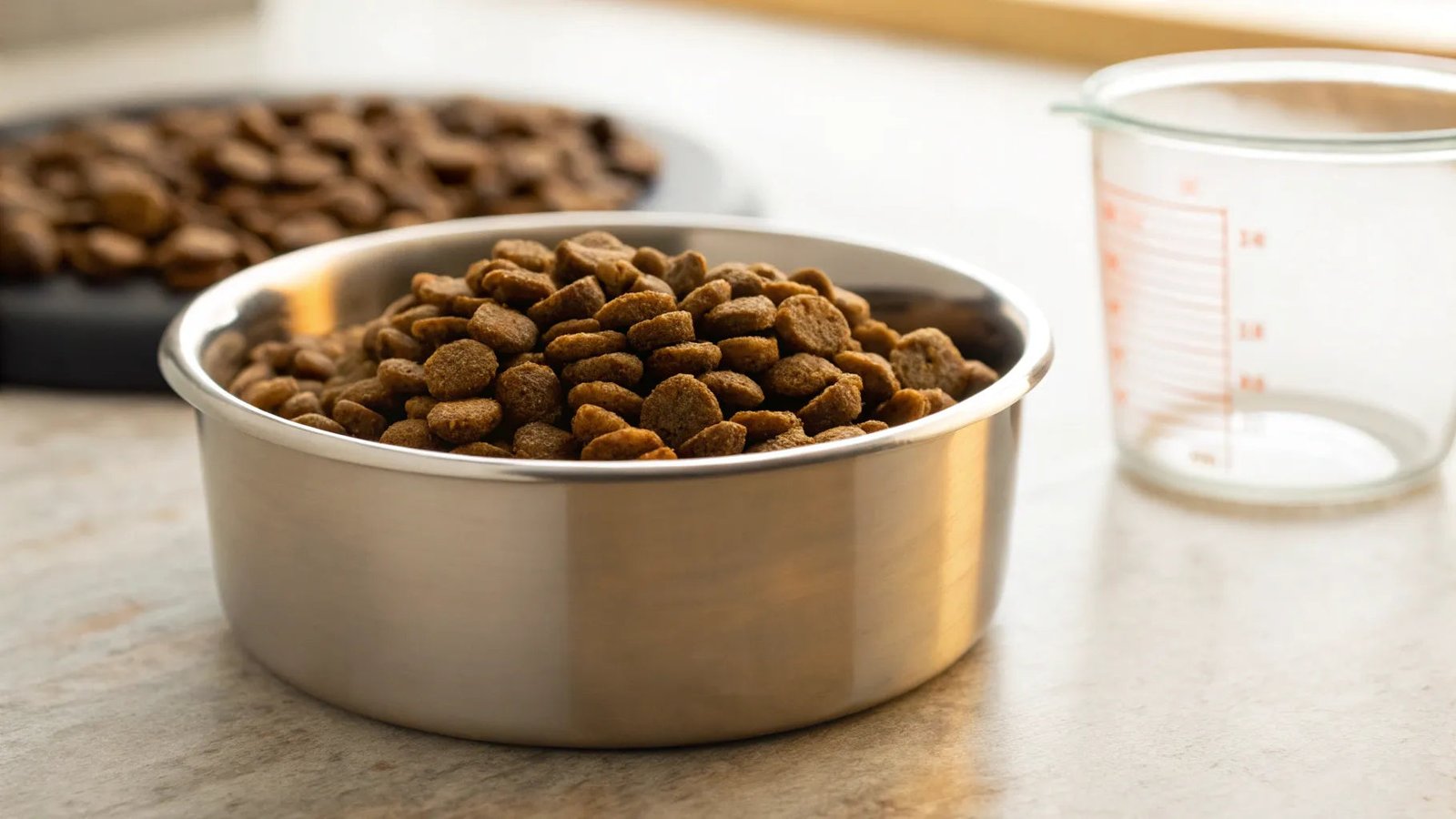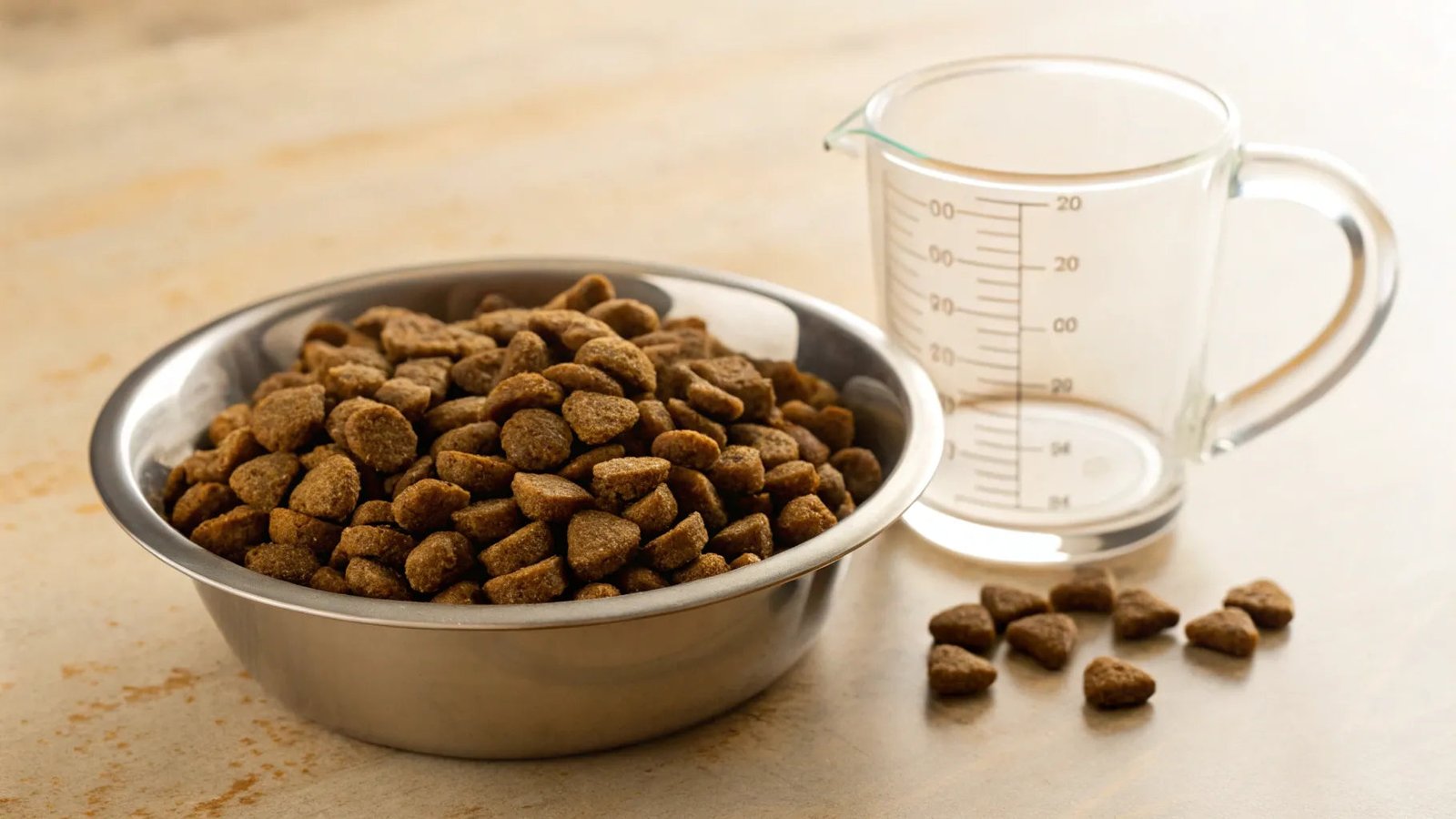
Feeding your dog the right amount of food is crucial for their health and happiness. You might often wonder, "How many cups of food should I feed my dog?"
It's a question every dog owner faces, and getting it right can sometimes feel like a puzzle. You want your furry friend to be active, healthy, and full of energy, but overfeeding or underfeeding can lead to unwanted problems. You'll discover the simple steps to determine the perfect portion size for your dog.
We'll walk you through the factors that affect how much food your dog needs, so you can make informed choices that benefit your pet. By the end of this read, you'll have the knowledge to keep your dog thriving. Don't leave your dog's health to guesswork—read on to find out how to give them the best nutrition possible.

Credit: zignature.com
Factors Affecting Dog Food Amount
Determining the right amount of food for a dog depends on several important factors. Each dog has unique needs that influence how much they should eat daily. These needs vary by size, age, activity, and health. Understanding these factors helps provide balanced nutrition and maintain a healthy weight.
Breed Size And Weight
Large dogs need more food than small breeds. Their energy needs increase with body size and weight. Small breeds may require fewer calories but more frequent meals. Medium-sized dogs fall between these two extremes. Feeding amounts should match their specific breed size and weight to avoid overfeeding or underfeeding.
Age And Life Stage
Puppies need more calories for growth and development. Adult dogs require balanced meals to maintain their weight. Senior dogs usually need fewer calories because of lower activity. Each life stage demands different nutrients and portion sizes. Adjusting food amounts supports healthy growth and aging.
Activity Level
Active dogs burn more calories and need larger food portions. Dogs that exercise daily or work require extra energy. Less active or indoor dogs need fewer calories to prevent weight gain. Monitoring activity helps tailor feeding amounts to match energy output.
Health Conditions
Some dogs have health issues that affect appetite and metabolism. Conditions like diabetes, kidney disease, or allergies require special diets. Overweight dogs may need calorie control to lose weight safely. Consult a vet to adjust food amounts based on health needs.
Types Of Dog Food
Dogs need different types of food for proper health. Choosing the right kind of food affects how much to feed. Each type offers unique benefits and challenges. Understanding these helps pick the best food for your dog’s needs.
Dry Kibble
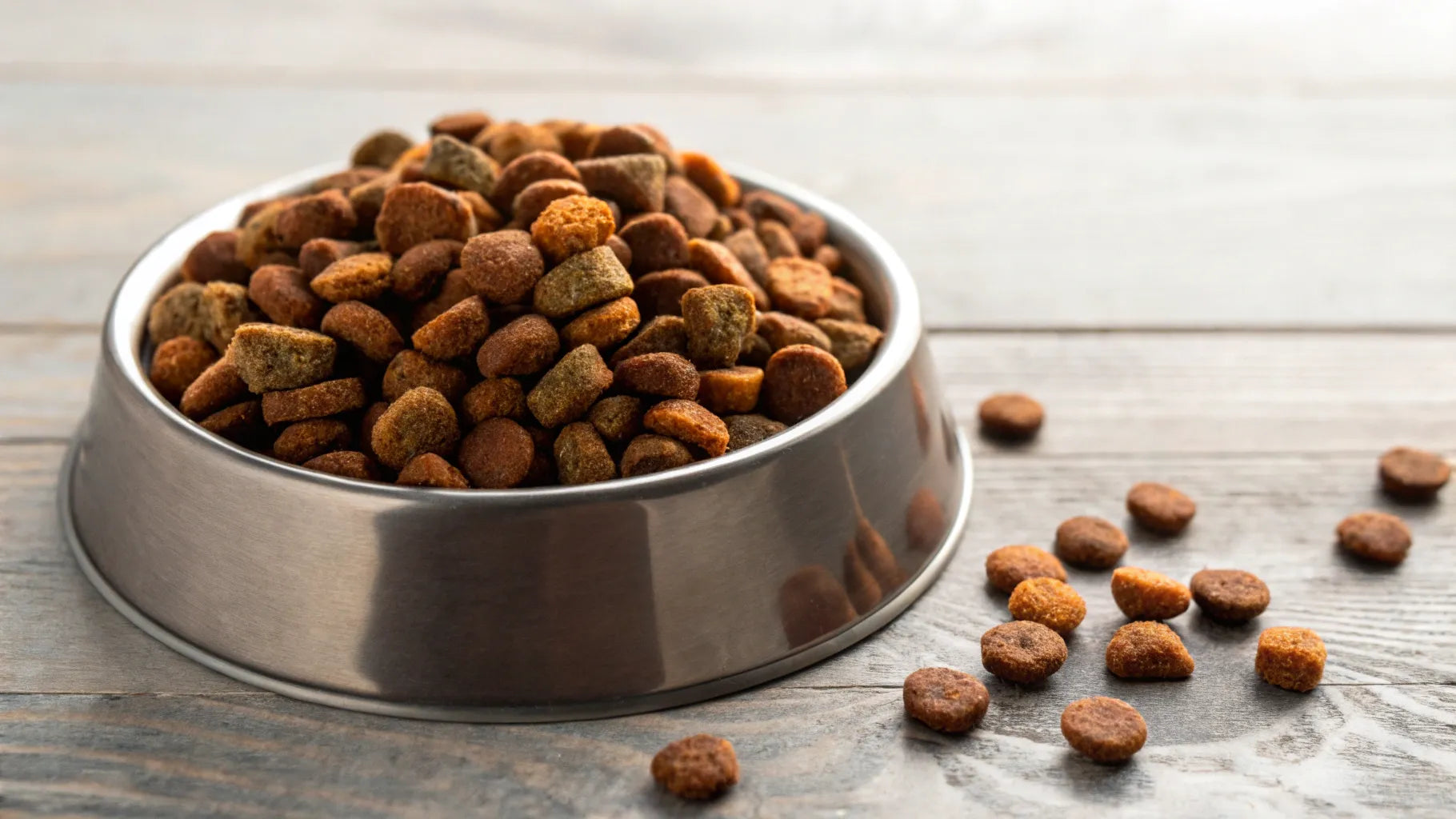
Dry kibble is the most common dog food type. It is easy to store and serve. Kibble helps keep teeth clean by reducing plaque. It usually contains balanced nutrients for daily needs. Many brands offer formulas for puppies, adults, and seniors.
Wet Food
Wet food has high moisture content, which helps with hydration. It is soft and easy to chew for older dogs. Wet food often smells stronger, which some dogs prefer. It can be mixed with dry kibble to add flavor. Packaging usually comes in cans or pouches.
Raw Diet
Raw diet includes uncooked meat, bones, and organs. Supporters say it mimics a dog’s natural diet. It requires careful handling to avoid bacteria. Raw food can improve coat shine and energy levels. Consultation with a vet is important before starting this diet.
Homemade Meals
Homemade meals let owners control ingredients and quality. Recipes often include meat, vegetables, and grains. Cooking can remove harmful bacteria from meat. Homemade food needs proper balance to meet nutrition needs. A vet or pet nutritionist can help create safe recipes.
Calculating Daily Food Portions
Calculating the right amount of food for your dog is key to keeping them healthy. Each dog needs a specific portion based on size, age, and activity level. Too much food can cause weight gain. Too little can lead to poor health. Understanding how to measure daily portions helps maintain your dog's energy and well-being.
Reading Dog Food Labels
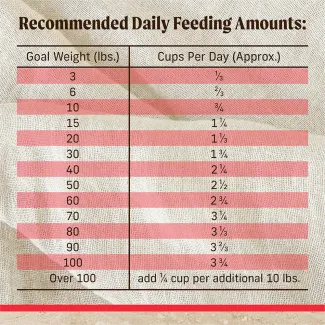
Dog food labels show important feeding guidelines. They list daily portions based on your dog's weight. Use these as a starting point. Find the recommended cups per day for your dog's size. Check the label for calorie content and ingredients. This information helps you choose the right amount of food.
Using Calorie Requirements
Every dog needs a specific number of calories daily. Active dogs burn more calories. Less active dogs need fewer calories. Calculate your dog's calorie needs based on weight and activity. Use this formula:
- Resting Energy Requirement (RER) = 70 × (weight in kg)0.75
- Daily calories = RER × activity factor (1.2 to 2.0)
Compare the daily calories to the food's calorie content. This helps you find how many cups to feed each day.
Adjusting For Treats And Snacks
Treats add extra calories. Too many treats can cause weight gain. Count treats as part of daily calorie intake. Reduce main meal portions if giving many snacks. Choose healthy, low-calorie treats. Keep treats under 10% of total daily calories.
Credit: www.merrickpetcare.com
Feeding Frequency And Schedule
Setting the right feeding frequency and schedule is key to your dog’s health and happiness. How often you feed your dog affects digestion, energy levels, and even behavior. Let’s look at how feeding differs depending on your dog’s age and lifestyle, and some tips to keep mealtime smooth and stress-free.
Puppies Vs Adult Dogs
Puppies need more frequent meals because they burn energy fast and have smaller stomachs. Typically, feeding them 3 to 4 times a day helps keep their blood sugar stable and supports steady growth.
Adult dogs, on the other hand, usually do well with 2 meals per day. This schedule helps regulate their metabolism and prevents overeating. Have you noticed how your adult dog behaves better when meals are consistent? That’s the power of routine.
Single Vs Multiple Meals
Some dog owners wonder if feeding once a day is enough. While some dogs manage fine on a single meal, most benefit from splitting their daily food into two or more portions.
Multiple meals reduce hunger-driven behaviors like begging or scavenging. It also eases digestion and can prevent issues like bloat in large breeds. Watch your dog’s energy and bathroom habits to decide what frequency fits them best.
Nighttime Feeding Tips
Feeding your dog right before bedtime can impact their sleep and bathroom needs. Aim to feed at least 2-3 hours before you go to bed to give them time to digest and eliminate.
If your dog wakes you up at night needing to go out, consider adjusting their last meal or water intake. A consistent nighttime routine helps both of you get better rest. Have you tried shifting your dog’s dinner earlier? The difference can be surprising.
Signs Of Proper Feeding
Proper feeding plays a crucial role in a dog's overall health and happiness. Knowing the signs of correct feeding helps ensure your dog gets the right amount of food. These signs show that your dog’s diet matches its needs and supports well-being.
Healthy Weight Maintenance
A dog at a healthy weight shows proper feeding. You can feel its ribs without pressing hard. The waist should be visible from above. Neither too thin nor overweight means the food amount is just right.
Energy Levels
A well-fed dog has steady energy throughout the day. It stays active and playful without signs of tiredness. Low energy or hyperactivity can signal too little or too much food.
Coat And Skin Condition
The coat looks shiny and smooth with proper nutrition. Healthy skin is free from dryness or redness. Dull fur or flaky skin may indicate feeding problems or nutrient gaps.
Common Feeding Mistakes
Feeding your dog might seem straightforward, but many pet owners make common mistakes that affect their dog's health. Understanding these errors can help you avoid problems and ensure your dog thrives. Are you certain you're feeding your dog the right amount and type of food?
Overfeeding Risks
Giving your dog too much food can lead to rapid weight gain and obesity. This increases the risk of diabetes, joint problems, and a shorter lifespan. Even if your dog looks happy begging for more, extra treats or large portions can harm their health.
Think about how often you’ve added a bit more food “just this once.” Those extra calories add up quickly. Instead, measure your dog's food carefully and stick to recommended portions.
Underfeeding Consequences
On the flip side, feeding too little can cause malnutrition and low energy levels. Dogs need enough calories to support their daily activities and maintain a healthy weight. If your dog seems lethargic or is losing weight, it might be time to reevaluate their diet.
Many owners unintentionally underfeed because they worry about overfeeding or misread feeding guidelines. Have you noticed your dog begging more or acting unusually tired? These might be signs they need more food.
Ignoring Individual Needs
Every dog is unique. Factors like age, breed, activity level, and health conditions affect how much and what type of food they need. Feeding a large, active breed the same amount as a small, sedentary dog can cause problems.
Consider your dog's lifestyle and health when deciding portions. Consulting with your vet can give you a clear feeding plan tailored to your dog's needs. Are you adjusting portions as your dog grows or their activity changes?
Adjusting Portions Over Time
Adjusting your dog's food portions is important as their needs change over time. Dogs do not require the same amount of food throughout their lives. Changes in age, activity, and health affect how much they should eat. Paying attention to these factors helps maintain your dog's health and energy.
Growth Stages
Puppies need more calories than adult dogs. Their bodies grow fast and require extra nutrients. Feeding too little can slow growth, while too much can cause obesity. Adjust portions gradually as your dog moves from puppy to adult and then to senior. Each stage has different energy needs.
Seasonal Changes
Dogs often eat more in cold weather to stay warm. In hot months, they may need less food since they burn fewer calories. Watch your dog’s appetite and energy levels during different seasons. Adjust the portion size to match their current activity and temperature.
Health Monitoring
Regularly check your dog’s weight and body condition. Sudden weight gain or loss signals a need to adjust food portions. Dogs with health issues may need special diets or portion control. Consult your vet to tailor feeding amounts for your dog's health status.
Credit: www.houndsy.com
Frequently Asked Questions
How Many Cups Of Food Should I Feed My Dog Daily?
The amount depends on your dog’s weight, age, and activity level. Usually, dogs need 2 to 3 cups daily, split into two meals. Always check your dog food packaging for specific feeding guidelines.
Does Dog Size Affect Daily Food Quantity?
Yes, larger dogs require more food than smaller breeds. Small dogs may need half a cup per meal, while large dogs might need several cups. Adjust based on your dog’s metabolism and health condition.
How Often Should I Feed My Dog Each Day?
Most adult dogs do well with two meals daily, morning and evening. Puppies often need three to four smaller meals. Consistent feeding times help regulate digestion and energy levels.
Can Feeding Too Much Harm My Dog?
Yes, overfeeding causes obesity, joint issues, and other health problems. Stick to recommended portions and monitor your dog’s weight regularly. Consult your vet if you notice weight changes.
Conclusion
Feeding your dog the right amount of food keeps them healthy and happy. Watch their weight and energy to adjust portions as needed. Each dog is different, so use cups as a starting point, not a rule. Consult your vet for advice tailored to your dog’s age and size.
Balanced meals and proper portions help your dog live a long, active life. Simple steps make a big difference in your pet’s well-being.