
Your dog just threw up, and you're probably worried and wondering what to do next. It's natural to feel concerned when your furry friend isn’t feeling well.
You might be asking yourself, "How long should I withhold food after my dog vomits? " Knowing the right steps can make all the difference in helping your dog recover quickly and comfortably. We'll guide you through the process so you can confidently care for your pet.
With the right information at your fingertips, you can ensure your dog gets back to their happy, healthy self in no time. Stick around to learn the best practices for handling this common issue and bring peace of mind to your pet care routine.

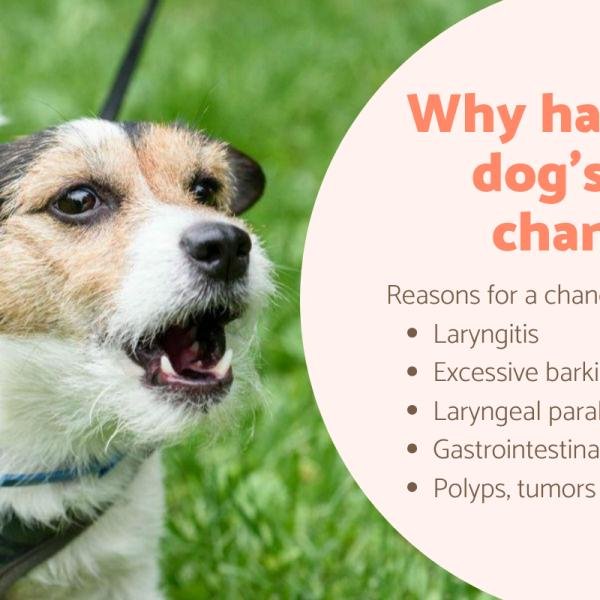
Credit: www.petmd.com
Reasons For Dog Vomiting
Vomiting in dogs can be alarming for any pet owner. Understanding the reasons behind vomiting helps in managing the situation better. Vomiting occurs when the stomach pushes its contents out forcefully. This can happen due to many causes, some mild and some serious. Knowing why your dog vomits guides you on how long to withhold food safely.
Common Causes
- Eating something spoiled or toxic
- Swallowing foreign objects
- Sudden diet changes
- Motion sickness during travel
- Infections or parasites
- Food allergies or intolerances
- Gastrointestinal diseases
- Stress or anxiety
- Overeating or eating too fast
When To Seek Vet Help
Contact a vet if vomiting happens more than twice in 24 hours. Watch for signs like lethargy, diarrhea, or blood in vomit. If your dog shows difficulty breathing or severe pain, seek immediate care. Puppies, elderly, or sick dogs need prompt attention. Prolonged vomiting can lead to dehydration and other risks. A vet can diagnose the cause and recommend treatment.
Initial Steps After Vomiting
Knowing what to do after your dog vomits can help them recover quickly. Acting fast and carefully is important. The first actions you take can prevent further illness and keep your dog comfortable.
Assessing Your Dog’s Condition
Watch your dog closely after vomiting. Check if they seem weak or tired. Look for signs like repeated vomiting, diarrhea, or unusual behavior. Notice if your dog drinks water or seems thirsty. If your dog vomited once and looks fine, it may not be serious. But if vomiting continues, seek veterinary help.
Immediate Care Tips
Remove your dog's food for a short time. This helps their stomach rest and heal. Offer small amounts of water to keep them hydrated. Avoid giving any treats or table scraps. Keep your dog calm and quiet. Provide a clean, comfortable place for them to rest. Observe them for any changes in condition. Gradually reintroduce food once vomiting stops.
Recommended Fasting Duration
Knowing how long to withhold food after your dog vomits is crucial for their recovery. The right fasting duration helps settle their stomach and prevents further irritation. But this time isn't the same for every dog—understanding the recommended fasting duration can guide you to make the best decision for your furry friend.
Typical Withholding Period
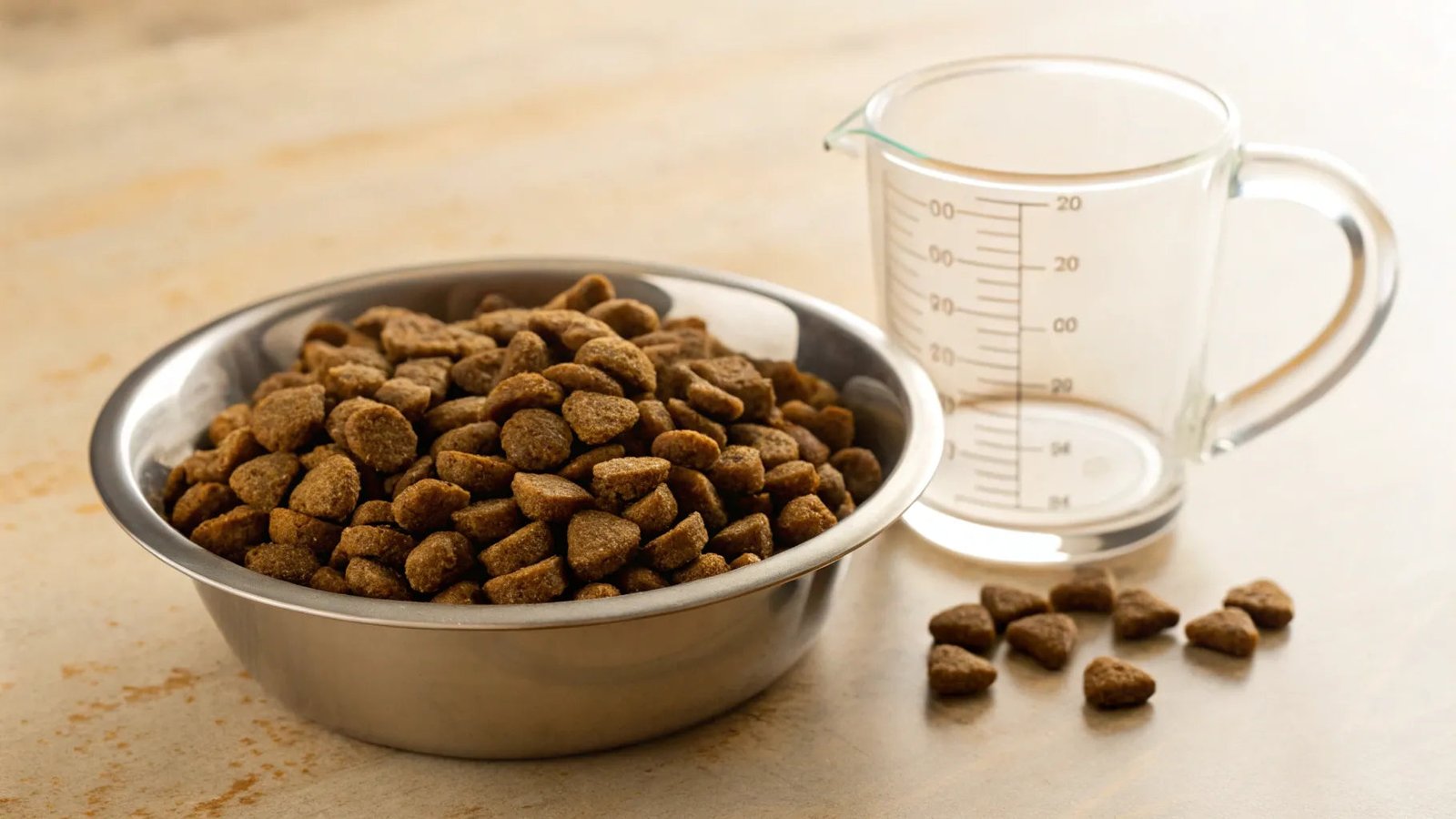
Most veterinarians suggest withholding food for about 12 hours after a dog vomits. This gives the stomach enough time to rest and heal. Water should still be available to keep your dog hydrated during this period.
After the fasting window, you can reintroduce food slowly with small, bland meals. Think boiled chicken and rice, served in small amounts every few hours. This approach helps avoid overwhelming the stomach and reduces the chance of vomiting again.
Factors Affecting Fasting Time
Not every dog reacts the same way after vomiting, so fasting duration may need adjustment. Age, size, and overall health play a significant role in how long you should withhold food.
- Age:Puppies and senior dogs often need shorter fasting times due to their sensitive systems.
- Underlying health issues:Dogs with chronic illnesses might require longer fasting or a different approach.
- Frequency of vomiting:If your dog vomits repeatedly, withholding food longer and consulting a vet is safer.
Have you noticed your dog’s behavior after vomiting? Their energy level and willingness to eat again can hint at how long you should continue fasting. Listening to these signs can be as important as following general guidelines.
Reintroducing Food Safely
Reintroducing food after your dog vomits requires care and patience. The stomach needs time to heal. Feeding too soon or too much can cause more vomiting. Feeding the right food in small amounts helps your dog recover faster. This section guides you on how to bring food back safely.
Choosing The Right Food
Pick bland foods that are easy to digest. Plain boiled chicken and white rice work well. Avoid fatty, spicy, or rich foods. These can upset your dog’s stomach again. Commercial diets made for sensitive stomachs are also good choices. Always serve food at room temperature to prevent irritation.
Gradual Feeding Schedule
Start with small portions. Offer a few tablespoons every few hours. Watch your dog’s reaction carefully. If no vomiting occurs, increase the amount slowly. Feed three to four small meals a day instead of one big meal. After 24 to 48 hours, gradually return to the regular diet. This slow change helps the stomach adjust without stress.
Hydration After Vomiting
After a dog vomits, keeping them hydrated is crucial for recovery. Vomiting can cause fluid loss, which leads to dehydration. Hydration helps restore balance and supports the healing process. Water intake must be managed carefully to avoid further upset.
Importance Of Water Intake
Water keeps your dog's body working well. It helps flush out toxins and supports digestion. Dehydration can cause weakness, dry gums, and lethargy. Dogs that vomit need water to replace lost fluids. Even small sips can make a big difference.
Without enough water, your dog risks serious health problems. Always watch for signs of dehydration after vomiting. Quick action with fluids can prevent complications and speed recovery.
Safe Ways To Hydrate
Offer water in small, frequent amounts. Large gulps might cause more vomiting. Use a clean bowl and fresh water each time. You can also try ice cubes or diluted broth for flavor.
- Give a teaspoon of water every 10-15 minutes.
- Use a syringe or dropper if your dog refuses to drink.
- Avoid sugary or dairy drinks, which can upset the stomach.
Observe your dog closely during hydration. Stop if vomiting returns and wait before trying again. Patience helps your dog recover without stress.
When Vomiting Persists
When your dog keeps vomiting despite withholding food, it’s a sign you need to pay close attention. Persistent vomiting can quickly lead to dehydration and other complications. Knowing when to act can make a real difference in your pet’s health and comfort.
Signs Of Serious Issues
Watch for these red flags that suggest something more severe is going on:
- Continuous vomiting:If your dog vomits multiple times within a few hours.
- Blood or unusual color:Vomit that contains blood, bile, or looks dark and tarry.
- Lethargy:Your dog seems unusually tired or weak.
- Abdominal pain:Signs like whining, restlessness, or a swollen belly.
- Refusal to drink water:This can worsen dehydration quickly.
Have you noticed any of these in your dog? Ignoring them can lead to dangerous outcomes.
Veterinary Interventions
If vomiting persists, your vet can perform tests to find the cause. They might check for infections, blockages, or organ problems.
Treatment could include:
- IV fluids to prevent dehydration
- Medications to control nausea and vomiting
- Special diets or feeding tubes in severe cases
- Possible surgery if there is a blockage or injury
Remember, timely veterinary care can save your dog’s life. Don’t wait if symptoms worsen or don’t improve within 24 hours.
Preventing Future Vomiting
Preventing future vomiting in your dog starts with understanding what triggers it and making thoughtful changes. Vomiting can be a sign of many issues, but often, small adjustments in diet and daily habits make a big difference. You want to create a routine that supports your dog’s digestion and overall health to reduce those stressful episodes.
Dietary Adjustments
One key step is adjusting your dog’s diet to be gentle on their stomach. Try feeding smaller meals more frequently instead of one or two large ones. This can help prevent overeating and reduce acid buildup.
Also, consider the type of food you offer. Some dogs react poorly to rich or fatty foods, so switching to a bland diet like boiled chicken and rice for a few days might help. Have you noticed if certain treats or table scraps cause your dog to vomit?
Adding probiotics can improve gut health and digestion. These supplements help balance good bacteria and may reduce nausea. Always introduce new foods gradually to avoid upsetting your dog’s stomach further.
Lifestyle Tips
How your dog eats and moves after meals can influence vomiting episodes. Avoid letting your dog exercise vigorously right after eating. Instead, encourage calm behavior for at least 30 minutes post-meal.
Stress and anxiety can also trigger vomiting. Create a quiet, comfortable feeding area away from loud noises or other pets. You might find that consistent mealtimes and a relaxed environment reduce your dog’s discomfort.
Lastly, watch your dog’s water intake. Drinking too much water too quickly can cause vomiting. Try offering smaller amounts more frequently to keep them hydrated without upsetting their stomach.

Credit: www.lilyskitchen.co.uk
Credit: zigly.com
Frequently Asked Questions
How Long Should I Withhold Food After My Dog Vomits?
Withhold food for 12 to 24 hours after vomiting to allow the stomach to settle. Offer small amounts of water during this period to prevent dehydration.
When Can I Reintroduce Food After My Dog Vomits?
Start with bland, easy-to-digest food after 12-24 hours if vomiting stops. Feed small portions gradually and monitor your dog's response.
Why Is Food Withholding Important After Dog Vomiting?
Food withholding prevents further stomach irritation and gives the digestive system time to heal. It reduces the risk of repeated vomiting and complications.
Can I Give Water While Withholding Food After Vomiting?
Yes, offer small amounts of water frequently to keep your dog hydrated. Avoid giving large volumes at once to prevent further vomiting.
Conclusion
Withholding food after your dog vomits helps their stomach rest. Usually, wait about 6 to 12 hours before feeding again. Start with small, bland meals to avoid upset. Watch your dog closely for signs of illness. If vomiting continues, contact your vet quickly.
Careful feeding supports faster recovery and comfort. Remember, each dog is different; adjust as needed. Simple steps make a big difference in your dog’s health.