If you have a cat, you know how tricky it can be to keep your home smelling fresh. That strong, unpleasant odor from the litter box can quickly take over your space.
You might be wondering: will an air purifier actually help with cat litter smell? The answer isn’t always simple, but understanding how air purifiers work and what they can do for your home is key. Keep reading to discover whether an air purifier could be the solution you’ve been searching for—and how to make your living space smell clean and inviting again.

Credit: purrifiedair.com
Cat Litter Odor Causes
Cat litter odor causes can be tricky to handle. The smell often comes from several sources inside the litter box area. Knowing what creates the odor helps in finding the right solution. It also explains why the smell sticks around in your home for a long time.
Sources Of Smell In Cat Litter
- Cat urine contains strong ammonia-like compounds.
- Feces release sulfur-based gases that smell bad.
- Moisture in the litter makes odors worse.
- Old or poorly maintained litter traps smell inside.
- Clumping litter may not always fully block odors.
- Multiple cats increase the amount of smell.
Why Odor Lingers Indoors
Indoor air often lacks fresh ventilation. This causes odors to stay longer in rooms.
Porous materials like carpets and furniture absorb the smell. They release it slowly over time.
Small spaces or closed rooms trap the odor. It becomes more noticeable in these areas.
Cleaning alone may not remove all smell particles. Some odors hide deep inside litter or surfaces.
Air Purifiers And Odor Control
Air purifiers play a key role in managing odors in indoor spaces. They clean the air by removing particles and gases. This can help reduce the smell of cat litter. Understanding how these devices work can clarify their role in odor control.
How Air Purifiers Work
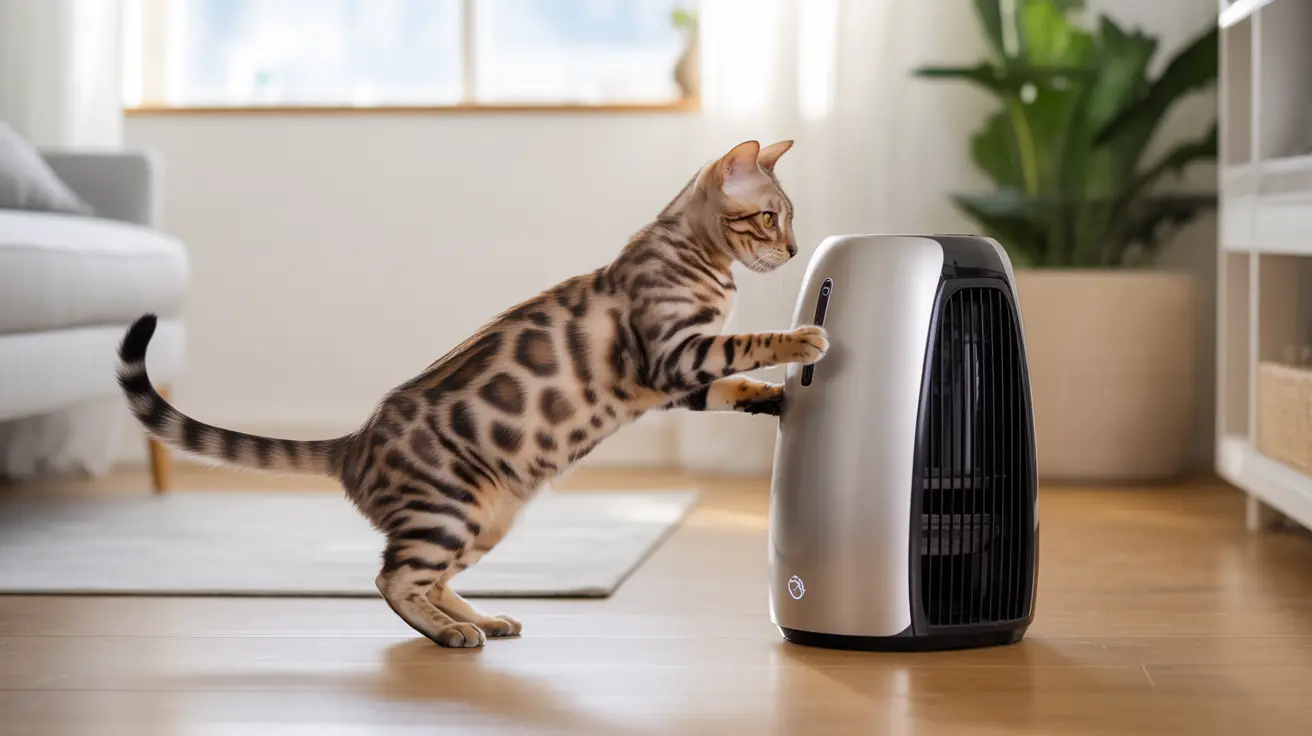
Air purifiers pull air through filters that trap dirt, dust, and odors. Some use fans to move air faster through the system. Others add extra technology to break down smells at a molecular level. The goal is to make the air cleaner and fresher.
Particles like dust and dander are caught by physical filters. Gases and odors need special filters to be removed effectively. Air purifiers do not mask smells; they reduce or eliminate them.
Types Of Filters For Odor Removal
- Activated Carbon Filters:These traps gases and odors from the air. They are very effective against cat litter smells.
- HEPA Filters:Mainly capture tiny particles like dust and pet dander. They help but do not remove odors well.
- Photocatalytic Filters:Use light to break down odors and harmful chemicals.
- Ozone Generators:Sometimes used but can be harmful to health. Not recommended for homes with pets.
Choosing the right filter type matters for controlling cat litter smell. Activated carbon filters are best suited for this task. Combining filters can improve air quality and odor control.
Effectiveness Of Air Purifiers On Cat Litter Smell
Air purifiers can play a role in reducing the smell from cat litter, but their effectiveness varies. The odor from cat litter mainly comes from ammonia and other organic compounds released by urine and feces. While air purifiers can help by filtering airborne particles and some gases, they may not completely eliminate the smell on their own.
Have you noticed how some air purifiers make your room feel fresher, yet the litter box odor lingers? This happens because not all air purifiers are designed to target the specific chemicals responsible for litter smell. Understanding these nuances can help you choose the right purifier and manage odors more effectively.
Limitations Of Air Purifiers
Air purifiers mostly capture dust, dander, and airborne particles using HEPA filters. However, cat litter odor is caused by gases like ammonia, which HEPA filters cannot trap. This means a purifier with only a HEPA filter won’t fully solve the smell problem.
Also, the size of the room and the purifier’s capacity impact its effectiveness. If the purifier is too small for the space, odors will persist. Plus, purifiers work better for airborne odors rather than those coming from the litter box surface itself.
Regular cleaning of the litter box is still essential. Even the best purifier can’t replace good hygiene. So, consider air purifiers as part of a multi-step approach, not a standalone fix.
Best Air Purifier Features For Litter Odor
- Activated Carbon Filters:These are crucial because they absorb gases and odors like ammonia.
- High CADR (Clean Air Delivery Rate):A higher CADR ensures the purifier can handle the size of your room effectively.
- Pre-filters:These capture larger particles, extending the life of carbon and HEPA filters.
- UV-C Light or Ionizers:Some purifiers include these to break down odor-causing molecules, but their effectiveness varies.
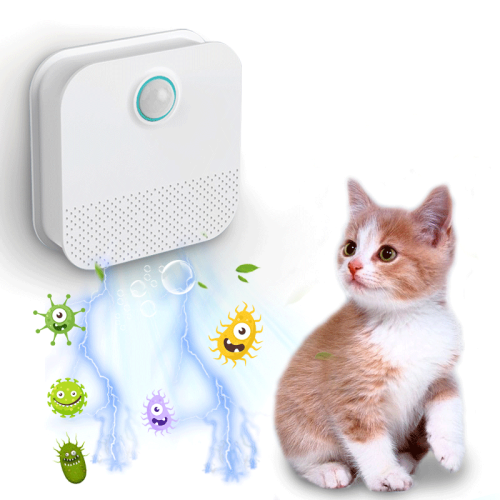
Choosing an air purifier with activated carbon filters has made a noticeable difference in my home. The litter box area smells less intense, especially when combined with frequent litter changes. Have you tried combining your purifier with other odor control methods to see what works best?
Credit: www.bestbuy.ca
Additional Ways To Reduce Litter Box Odor
Reducing litter box odor goes beyond just using an air purifier. There are practical steps you can take that make a noticeable difference in keeping your home smelling fresh. These additional methods work well alongside an air purifier to tackle odors at the source.
Choosing The Right Cat Litter
Not all cat litters are created equal when it comes to odor control. Look for litters that specifically advertise odor neutralizing properties or contain activated charcoal or baking soda. Clumping litters also make it easier to remove waste quickly, which helps prevent smells from building up.
Some litters are made from natural materials like corn or walnut shells, which can be gentler on your cat and offer better odor absorption. Have you tried switching your cat’s litter before? You might find a brand that works better for both you and your furry friend.
Regular Cleaning Tips
Cleaning frequency directly affects how strong litter odors become. Scoop the box at least once a day to remove clumps and waste promptly. This simple habit cuts down on ammonia buildup and keeps smells manageable.
Don't forget to wash the litter box with mild soap and water weekly. Avoid harsh chemicals that could irritate your cat’s paws or respiratory system. Using a dedicated scoop and changing litter fully every couple of weeks also helps maintain freshness.
Ventilation And Placement
Where you place the litter box can influence how odors spread in your home. Position the box in a well-ventilated area, like near a window or a room with good airflow. This helps odors dissipate faster and reduces the chance of them lingering indoors.
Avoid cramped or carpeted spaces that trap smells. If your home feels stuffy, adding a small fan nearby can help circulate air around the litter box. Have you noticed any difference by simply moving the box? Sometimes a small change in location makes a big impact.
Combining Air Purifiers With Other Methods
Dealing with cat litter smell can be tricky, but relying on just one solution rarely clears the air completely. Combining an air purifier with other odor control methods can enhance freshness in your home. This approach helps tackle odors from different angles, making your space more comfortable and inviting.
Using Air Purifiers Alongside Odor Absorbers
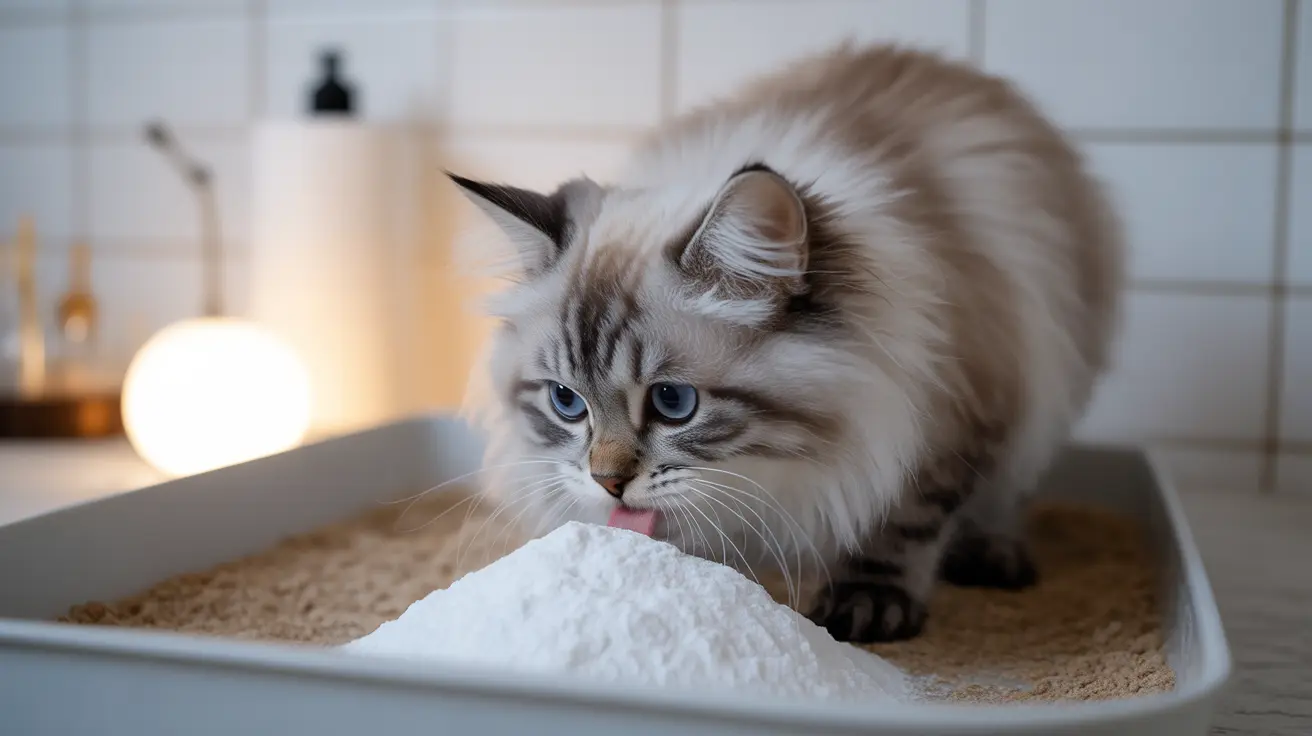
Air purifiers trap airborne particles and some odors, but they don’t always neutralize the source of the smell. Adding odor absorbers like activated charcoal, baking soda, or specialized litter deodorizers can capture and eliminate odors at their source. You might place a small container of baking soda near the litter box or use litter with built-in odor control for extra protection.
Have you tried placing a bowl of activated charcoal close to the litter area? It quietly pulls odors out of the air without any noise or maintenance. Together with your air purifier, this combo can significantly reduce persistent smells.
Maintenance For Maximum Effectiveness
Even the best air purifier won’t work well if it’s not maintained properly. Regularly changing or cleaning filters ensures it captures dust, dander, and odors efficiently. Remember to clean the litter box daily and replace litter frequently to minimize odor buildup before the purifier even starts working.
Think about your last experience with a clogged air purifier filter—did you notice less fresh air? That’s a sign to check your device. Keeping both your purifier and litter box clean supports a healthier environment for you and your cat.

Credit: purrfectinsights.com
Frequently Asked Questions
Can An Air Purifier Eliminate Cat Litter Odor Completely?
An air purifier helps reduce cat litter smell but may not eliminate it fully. It traps airborne particles and odors, improving air quality. Regular litter cleaning combined with an air purifier offers the best odor control.
What Type Of Air Purifier Is Best For Cat Odors?
Air purifiers with activated carbon filters are most effective for cat odors. They absorb and neutralize ammonia and other smells from litter boxes. HEPA filters also help by trapping dust and allergens.
How Often Should I Run An Air Purifier For Litter Smell?
For best results, run the air purifier continuously near the litter box. This ensures constant odor removal and cleaner air. Turn it off only when the area is unoccupied for long periods.
Does An Air Purifier Remove Allergens From Cat Litter?
Yes, air purifiers with HEPA filters capture allergens like dust and dander from cat litter. This reduces respiratory irritants and improves indoor air quality for sensitive individuals.
Conclusion
Choosing an air purifier can help reduce cat litter smell. It filters the air, capturing odors and pollutants. Your home can feel fresher and more comfortable. Always select a purifier that suits your room size. Check for features like activated carbon filters.
Regular maintenance is key for best results. Replace filters as needed and follow manufacturer instructions. This ensures the purifier works effectively. Breathing clean air benefits both you and your feline friend. Enjoy a more pleasant home environment with fewer odors.