Are you curious if self-cleaning litter boxes are truly safe for your cat? You want the best for your furry friend, but with so many gadgets on the market, it’s hard to know what’s right.
These automatic litter boxes promise convenience and less mess, but could they cause stress or harm to your pet? Keep reading to discover the real facts about self-cleaning litter boxes and how they might affect your cat’s health and happiness.
Your cat’s comfort and safety matter—and understanding these devices will help you make the best choice for your home.

Credit: www.amazon.ca
How Self Cleaning Litter Boxes Work
Understanding how self cleaning litter boxes work helps you decide if they fit your cat’s needs and your lifestyle. These devices automate the task of scooping waste, saving time and reducing odor. Let’s break down what happens inside these clever machines and the different designs you might find.
Mechanisms Behind Automation
Self cleaning litter boxes use sensors and motors to detect when your cat has used the box. After a set time, a rake or rotating mechanism activates to separate waste from clean litter. The waste is then deposited into a sealed compartment, keeping odors contained and the litter area fresh.
Some models use weight sensors to know when your cat enters or leaves, triggering the cleaning cycle only when the box is empty. Others rely on timers that start the cleaning process after a delay to ensure your pet isn’t disturbed. This automation reduces the need for daily scooping, which many cat owners find liberating.
Types Of Self Cleaning Systems
- Rake Systems:These have a rake that moves across the litter to scoop clumps into a waste drawer. They’re common and usually require clumping litter.
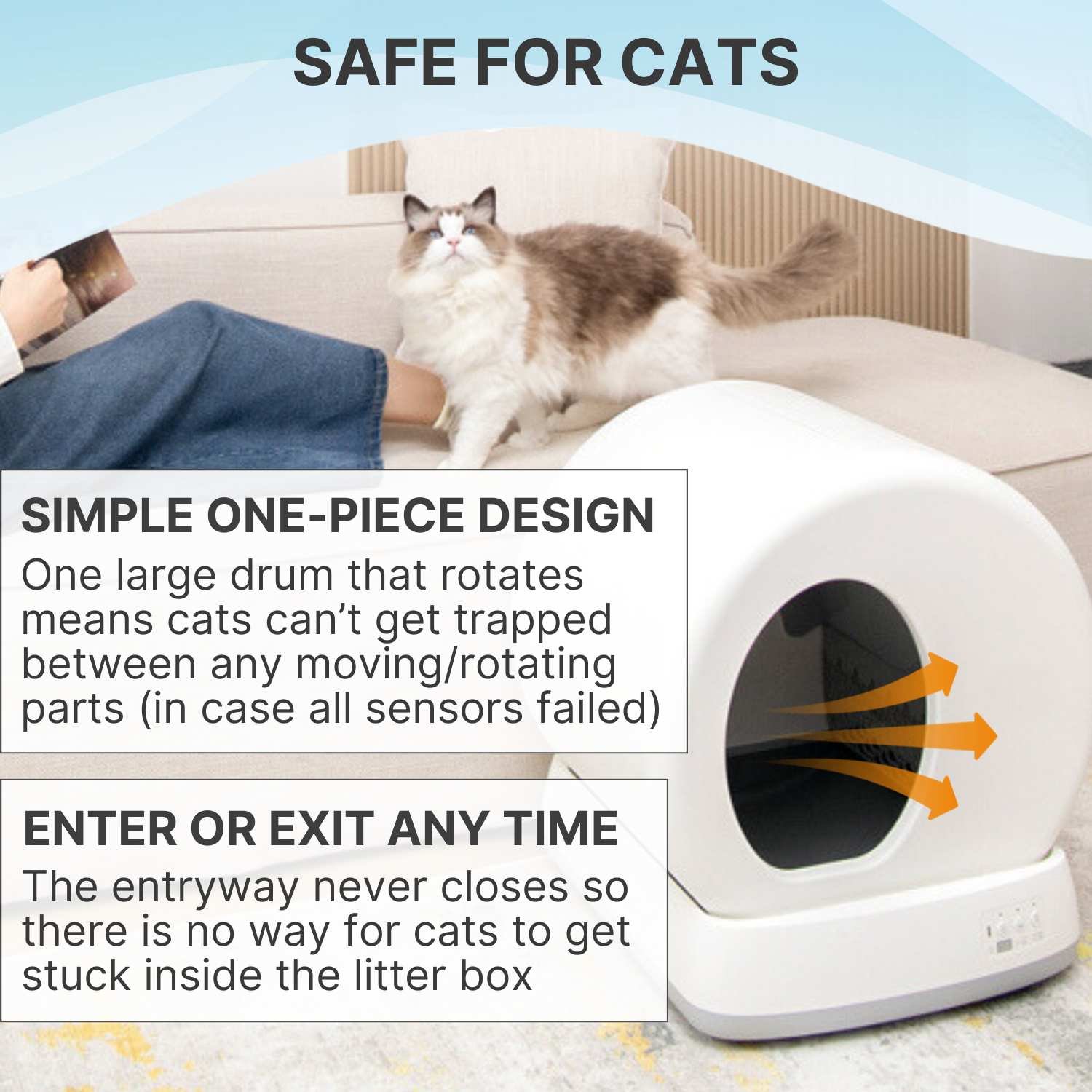
- Rotating or Tumbler Boxes:The entire litter chamber rotates, separating waste from clean litter and dropping it into a bin. This type often requires non-clumping litter.
- Sifting Systems:These use a sifting tray that lets clean litter fall through while capturing clumps. They are simple but effective for many cats.
- Disposable Liner Boxes:Some models use disposable liners that trap waste, which you can remove and replace easily.
Which system sounds like it would work best with your cat’s habits? Think about your cat’s litter preference and how much effort you want to save. Knowing these details helps you pick a system that keeps your cat comfortable and your home odor-free.
Safety Features For Cats
Self-cleaning litter boxes come with specific features to keep cats safe during use. These safety elements reduce risks and make the device more comfortable for pets. Understanding these features helps owners choose the best option for their cats.
Sensors And Timers
Most self-cleaning litter boxes include sensors to detect the cat's presence. These sensors stop the cleaning process if the cat is inside. Timers delay the cleaning cycle to allow the cat to leave safely. This prevents accidents or stress for the cat. The system starts cleaning only when it is safe to do so.
Materials And Build Quality
High-quality materials are key for safety and durability. Non-toxic plastics and smooth surfaces prevent harm to cats. The structure should be sturdy to avoid tipping or breaking. Rounded edges reduce the risk of cuts or injuries. Strong build quality ensures long-lasting and safe operation in the home environment.
Potential Risks For Cats
Self-cleaning litter boxes offer convenience but may pose risks to cats. Owners must understand these potential dangers. Safety should be a priority when choosing any litter box. Here are some risks that cats might face with automatic cleaning systems.
Mechanical Injuries
Self-cleaning litter boxes have moving parts that can cause harm. The rake or scoop may accidentally touch a cat’s paws or tail. Small or timid cats risk getting caught in the mechanism. Some models have sensors, but they are not always reliable. Injuries can range from minor scratches to more serious wounds.
Owners should watch their cats closely at first. Ensuring the box stops working when a cat is inside is essential. Regular inspection of the device helps prevent accidents. Choosing brands with strong safety features reduces injury risks.
Stress And Anxiety Factors
The noise and movement of self-cleaning litter boxes can scare cats. Some cats dislike sudden sounds or vibrations. This may cause stress and anxiety around the litter box. Cats may avoid the box or develop litter box aversion.
Stress can lead to health problems, such as urinary issues. Some cats may hide or show behavioral changes. Gradual introduction to the device helps cats adjust better. Providing a quiet, safe space for the box supports comfort.
Benefits Of Self Cleaning Litter Boxes
Self cleaning litter boxes offer several benefits that improve life for cats and their owners. These devices help keep the litter area clean and fresh. They also reduce the time spent on daily maintenance. Many cat owners find these boxes helpful for managing hygiene and odor in the home.
Hygiene And Odor Control
Self cleaning litter boxes remove waste quickly after use. This stops bacteria and smells from building up. Cats enjoy a cleaner space, which encourages regular use. The litter stays fresh longer, making the room smell better. This also lowers the risk of infections for cats.
Convenience For Owners
These litter boxes save owners time and effort. They reduce the need for daily scooping and cleaning. Owners can focus on other tasks or relax more. Some models even notify when the box needs attention. This convenience fits busy schedules and helps maintain a clean home easily.
Expert Recommendations
Experts emphasize that the safety of self-cleaning litter boxes depends heavily on your choices and how you use the device. These devices can be a blessing or a risk, depending on the model and your cat’s habits. Paying attention to expert recommendations will help you provide a safe and comfortable environment for your feline friend.
Choosing The Right Model
Not all self-cleaning litter boxes are created equal. Experts suggest looking for models with smooth, quiet mechanisms to avoid scaring your cat.
- Safety sensors:Make sure the box has sensors that prevent cleaning cycles when your cat is inside.
- Material quality:Durable, non-toxic materials reduce the risk of injury or allergic reactions.
- Size and design:Choose a box that fits your cat’s size and behavior patterns to encourage use.
Have you noticed your cat avoiding certain boxes? It might be due to size or noise, so don’t hesitate to try a different model.
Proper Usage Tips
Even the best model can pose risks if not used correctly. Experts recommend placing the litter box in a quiet, low-traffic area to make your cat feel secure.
- Regular maintenance:Clean the device’s components as directed to prevent buildup that can harm your cat.
- Monitor your cat:Watch how your cat interacts with the box, especially during the first few days.
- Introduce gradually:Allow your cat to get used to the new box slowly, combining it with their old box if needed.
Ask yourself, is your cat comfortable using the box daily? If not, adjustments are necessary to ensure safety and comfort.

Credit: www.amazon.ca
Alternatives To Self Cleaning Litter Boxes
Self-cleaning litter boxes offer convenience, but they aren't the only way to keep your cat’s litter area clean and safe. If you’re concerned about the mechanics or cost of automatic systems, there are other effective choices that can suit your lifestyle and your cat’s needs. These alternatives can give you control over cleanliness without relying solely on technology.
Manual Cleaning Options
Manual cleaning remains a reliable method to maintain a fresh litter box. Using a sturdy scoop and daily removal of waste helps prevent odors and keeps your cat comfortable. It might seem old-fashioned, but many cat owners find the hands-on approach builds a better understanding of their cat’s habits and health.
Consider using clumping litter, which makes scooping easier and less messy. You can also try liners or disposable trays to simplify the cleanup process. Have you noticed how your cat reacts differently when you clean their box personally? Sometimes, this simple interaction strengthens your bond and helps spot any unusual litter box behavior early.
Hybrid Solutions
If you want some automation but still prefer to stay involved, hybrid litter boxes might be the answer. These combine manual scooping with automated features such as timers or partial raking systems, reducing your workload without completely removing you from the process.
Some models include sensors that alert you when it’s time to scoop, helping you keep the box cleaner for longer. Others have self-raking mechanisms that you activate manually, giving you control over when the cleaning happens. Could this balance be the sweet spot between convenience and care that you and your cat need?

Credit: www.amazon.ca
Frequently Asked Questions
Are Self Cleaning Litter Boxes Harmful To Cats?
Self cleaning litter boxes are generally safe for cats when used correctly. They reduce odors and maintain cleanliness, benefiting your cat’s health. However, some cats may be startled by the noise or movement. Monitoring your cat’s reaction is important to ensure comfort and safety.
Can Self Cleaning Litter Boxes Cause Stress In Cats?
Some cats may feel anxious around self cleaning litter boxes due to noise or motion. Gradual introduction and positive reinforcement help ease stress. Most cats adapt well over time, enjoying a cleaner environment. Observing your cat’s behavior ensures they remain comfortable with the device.
How Do Self Cleaning Litter Boxes Maintain Hygiene?
Self cleaning litter boxes automatically scoop waste into a sealed compartment after use. This prevents odor build-up and reduces bacteria exposure. They use sensors to detect when the cat exits before cleaning. This automated process keeps the litter box fresh and hygienic consistently.
Are Self Cleaning Litter Boxes Suitable For All Cats?
Self cleaning litter boxes work well for most cats but may not suit very small kittens or elderly cats. Some cats with mobility issues might struggle with the device’s size or noise. Always consider your cat’s age, size, and temperament before choosing a self cleaning litter box.
Conclusion
Self-cleaning litter boxes can be safe for cats. They offer convenience and cleanliness. Some cats may need time to adjust. Always monitor your cat's reaction to the new box. Ensure the box suits your cat's size and habits. Proper maintenance keeps it safe and effective.
Regular checks prevent malfunctions. Consider your cat's comfort and safety first. Choose a reliable brand with good reviews. Consult your vet for any concerns. Your cat's health is the priority. A happy cat means a happy home.