Is your dog constantly chewing his paws until they look raw? It’s painful to watch and worrying to think about what might be causing this behavior.
You want to help your furry friend feel better, but you might not know where to start. Understanding why your dog is chewing his paws raw is the first step to finding the right solution. You’ll discover the common reasons behind this problem and learn what you can do to stop it before it gets worse.
Keep reading—your dog’s comfort and health depend on it.
Common Reasons For Paw Chewing
Understanding why your dog is chewing his paws raw is key to finding a solution. Dogs don’t usually chew their paws without a reason. It’s important to look at common causes before jumping to conclusions or treatments.
Allergies And Irritants
Allergies are one of the top reasons dogs chew their paws. Your dog might react to pollen, dust, certain foods, or even cleaning products. Imagine if you had itchy hands all day—wouldn't you try to soothe them? Dogs do the same by chewing their paws.
Sometimes the culprit is something simple like a new shampoo or lawn fertilizer. You can try to spot patterns—does the chewing get worse after walks or meals? Keeping a diary of your dog’s activities can help you identify the irritant.
Parasites And Infections
Parasites like fleas and ticks often cause intense itching, pushing dogs to chew their paws raw. Bacterial or fungal infections can also cause discomfort. If you notice swelling, redness, or an unusual smell, these might be signs of infection.
Regularly check your dog’s paws for tiny bugs or sores. Early treatment with vet-recommended meds can stop the problem before it worsens. Have you noticed your dog scratching more after playing outside?
Behavioral Causes
Sometimes paw chewing is a sign of stress or boredom. Dogs left alone for long periods may develop this habit to comfort themselves. It’s similar to nail-biting in people under stress.
Increasing playtime and mental stimulation can reduce this behavior. Try puzzle toys or daily walks to keep your dog’s mind busy. Could your dog be telling you he needs more attention?
Injury Or Pain
Injuries like cuts, thorn pricks, or even broken nails can make your dog chew at the paw to ease the pain. Arthritis or joint pain can also cause discomfort leading to paw chewing.
Carefully inspect each paw for wounds or swelling. If your dog flinches when you touch a paw, it might be hurting. A vet visit can provide relief and prevent the problem from getting worse.
Signs Your Dog’s Paws Are Raw
Recognizing the signs that your dog’s paws are raw helps catch problems early. Raw paws cause discomfort and can lead to infections. Spotting symptoms quickly ensures your dog gets relief fast. Watch for changes in how the paws look and how your dog behaves. These clues reveal the severity of the issue.
Visual Symptoms
- Redness and swelling around paw pads
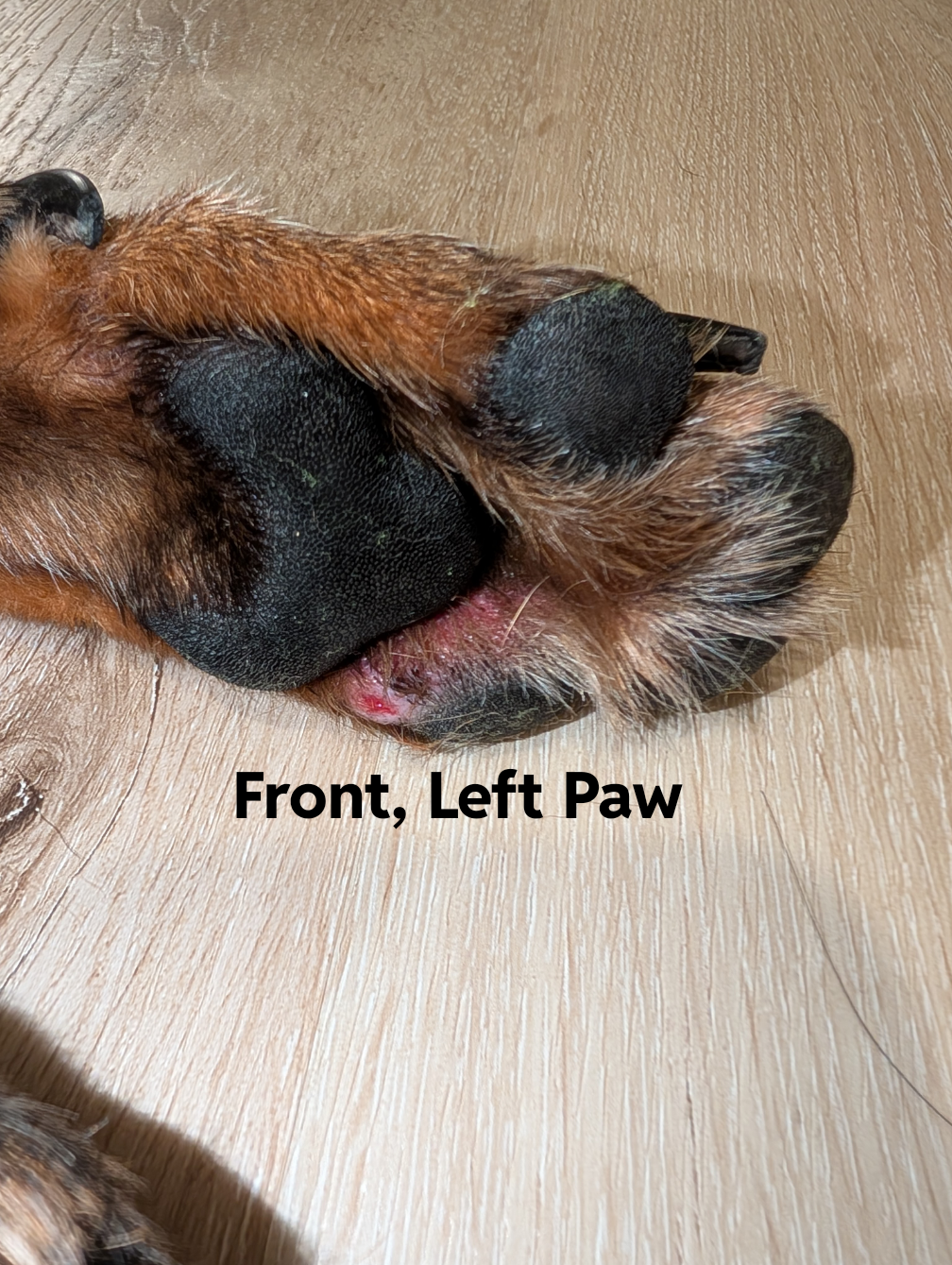
- Cracked or bleeding skin
- Hair loss near the paws
- Scabs or sores on paw surfaces
- Wet or shiny patches from licking
- Darkened or raw-looking skin
Behavioral Changes
- Excessive licking or chewing of paws
- Favoring one paw while walking
- Reluctance to walk or run
- Whining or showing discomfort when touching paws
- Restlessness or frequent paw shifting
- Sudden irritability or mood shifts
Home Remedies To Soothe Raw Paws
Raw paws can cause your dog pain and discomfort. Home remedies help calm irritation and support healing. Gentle care at home can reduce licking and chewing. These easy steps can soothe your dog's paws and prevent further damage.
Cleaning And Disinfection
Clean your dog's paws with lukewarm water to remove dirt. Use a mild, pet-safe soap to avoid irritation. Gently pat dry with a soft towel. Avoid harsh chemicals that can worsen raw skin.
Disinfect with diluted antiseptic solutions like chlorhexidine. This prevents infection and promotes healing. Apply carefully to avoid causing pain. Repeat cleaning twice daily for best results.
Soothing Treatments
Apply natural remedies like aloe vera gel to calm the skin. Coconut oil can moisturize and protect from dryness. Use a thin layer to avoid sticky messes.
Cool compresses help reduce swelling and itching. Place a clean cloth soaked in cold water on paws for a few minutes. This offers quick relief from discomfort.
Preventive Measures
- Trim your dog's nails to reduce scratching injuries.
- Keep paws dry after walks to prevent fungal growth.
- Use dog booties during harsh weather or rough terrain.
- Check paws regularly for cuts, thorns, or irritants.
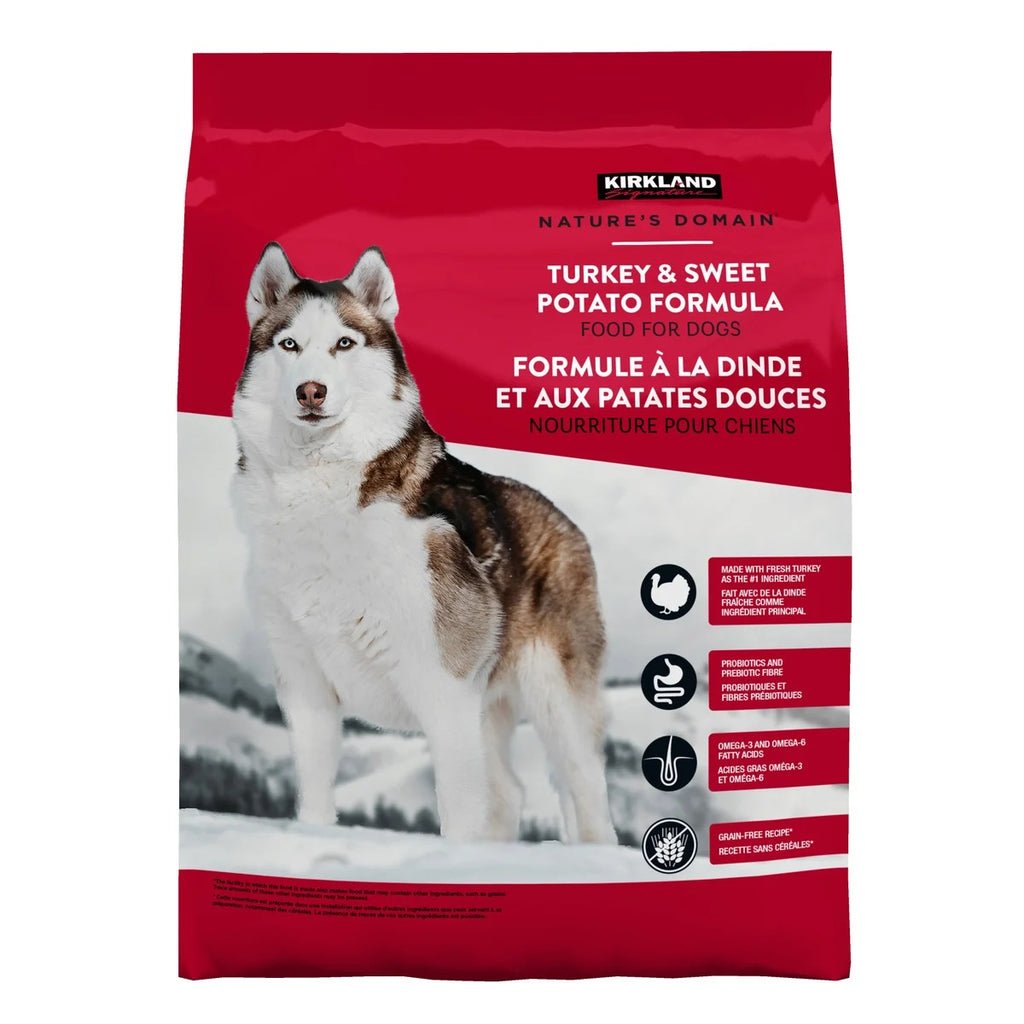
- Change your dog’s diet if allergies cause paw irritation.
These steps reduce the chance of raw paws returning. Consistent care keeps your dog comfortable and healthy.

Credit: www.thecaninedietitian.co.uk
When To See A Veterinarian
Knowing when to see a veterinarian is crucial if your dog is chewing his paws raw. While occasional licking or chewing might seem harmless, persistent or severe symptoms can indicate a serious problem. Paying attention to your dog's behavior and the condition of his paws will help you decide when professional help is needed.
Persistent Symptoms
If your dog continues to chew his paws for more than a few days, it’s time to consult a vet. Constant licking and chewing can worsen the skin and delay healing. Ignoring this behavior might lead to chronic irritation or even infections that are harder to treat.
Severe Inflammation Or Infection
Look for signs like redness, swelling, pus, or a foul smell around your dog’s paws. These symptoms often mean an infection has set in and needs immediate treatment. If your dog is limping or seems in pain, don’t wait to get professional advice.
Underlying Health Issues
Sometimes paw chewing is a symptom of bigger health problems such as allergies, parasites, or hormonal imbalances. If your dog’s paws look raw despite your care, or if other signs like hair loss or skin rashes appear, a vet can run tests to find the root cause. Early diagnosis helps your dog get the right treatment faster.
Long-term Care And Prevention
Long-term care is key to preventing your dog from chewing paws raw. It helps avoid pain and infections. Focus on habits that protect your dog's skin and comfort. Consistency in care creates lasting relief and health.
Diet And Nutrition
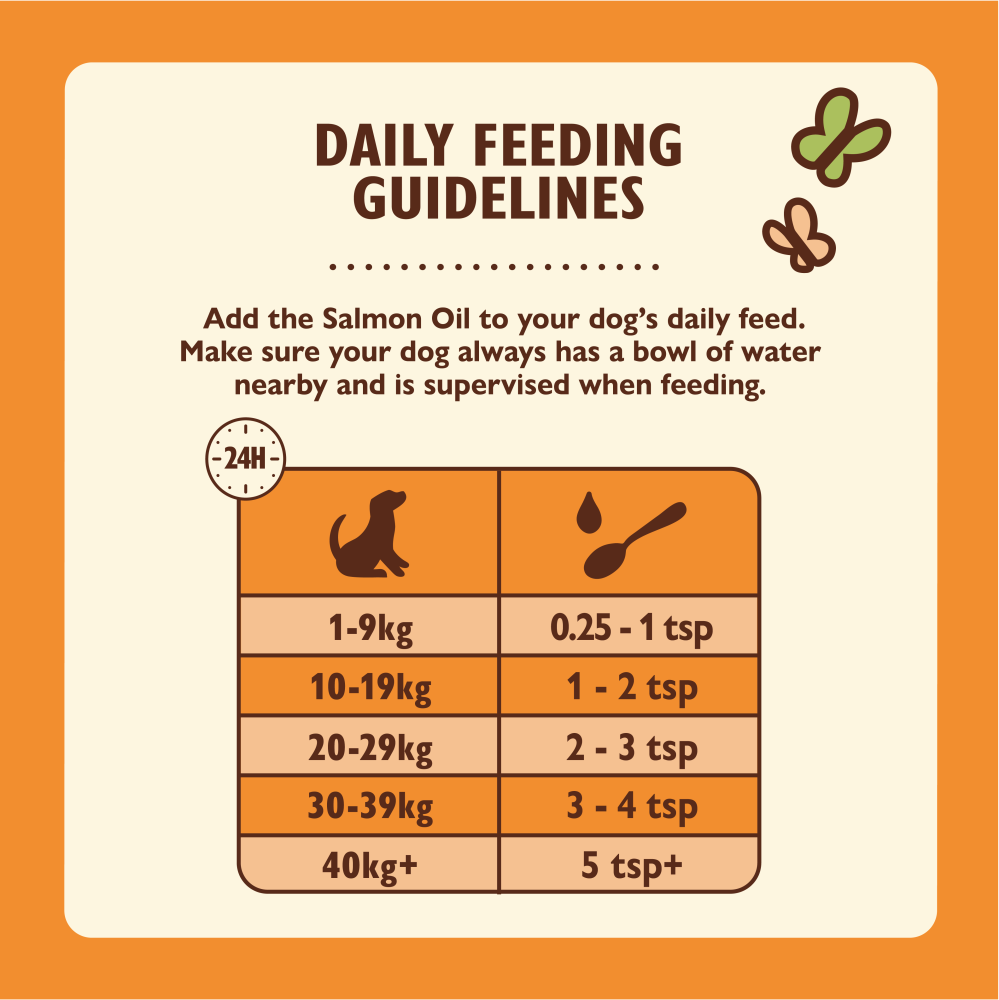
Your dog's diet affects skin health deeply. Provide foods rich in omega-3 and omega-6 fatty acids. These support a strong skin barrier and reduce itching. Choose high-quality proteins to boost the immune system. Avoid allergens like certain grains or fillers. Sometimes supplements like fish oil improve skin condition.
Environmental Control
Keep your dog's environment clean and safe. Remove irritants such as harsh chemicals or rough surfaces. Regularly wash bedding to reduce allergens and bacteria. Control humidity to prevent dry or cracked skin. Limit exposure to plants or pests that cause irritation. A calm space also lowers stress-related licking.
Regular Grooming
Grooming prevents buildup that can irritate paws. Trim nails to avoid injury or discomfort. Check paws for cuts, swelling, or foreign objects. Use gentle shampoos designed for sensitive skin. Brushing helps distribute natural oils and remove dirt. Schedule grooming sessions often to catch problems early.

Credit: www.reddit.com

Credit: www.reddit.com
Frequently Asked Questions
Why Is My Dog Chewing His Paws Raw?
Dogs chew paws raw due to allergies, infections, or anxiety. It causes irritation and discomfort. Identifying the cause helps treat the problem effectively.
How To Stop My Dog From Chewing Paws Excessively?
Prevent paw chewing by addressing allergies, infections, or stress. Use vet-recommended treatments, calming techniques, and protective booties to reduce chewing and promote healing.
Can Allergies Cause Dogs To Chew Their Paws?
Yes, allergies often cause itching and inflammation, leading dogs to chew paws. Common allergens include pollen, food, and chemicals. Treating allergies reduces paw chewing.
When Should I See A Vet For Paw Chewing?
See a vet if paw chewing is severe, persistent, or causes wounds. Professional diagnosis and treatment prevent infections and address underlying health issues quickly.
Conclusion
Dogs often chew their paws due to allergies or stress. It's essential to address this behavior promptly to prevent further harm. Consult a veterinarian if you're unsure about the cause. Regularly check your dog's paws for any signs of injury or irritation.
Try to keep their environment clean and free from allergens. Provide plenty of mental and physical stimulation to reduce stress. Understanding your dog's needs can help ensure their paws stay healthy. Always prioritize their comfort and well-being. Remember, a happy dog is a healthy dog.
Stay attentive to their behavior for a happier life together.