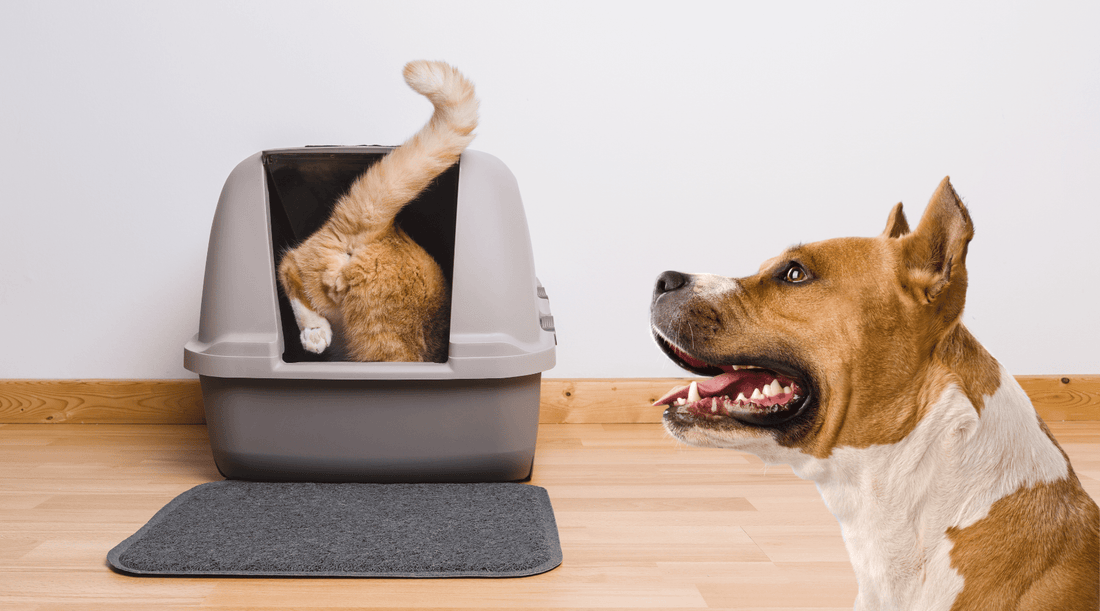
Have you ever caught your dog sneaking into the litter box and eating cat poop? It’s a strange and frustrating behavior that leaves many pet owners scratching their heads.
You might be wondering why your dog does this and if it’s harmful. Understanding the reasons behind this habit can help you stop it and keep your furry friend safe. Keep reading to discover the surprising causes and easy solutions for this common problem.
Credit: getodie.com
Reasons Behind The Behavior
Understanding why dogs eat cat poop from the litter box can help you address this odd and unpleasant behavior. There are several reasons behind it, ranging from health issues to natural instincts. Knowing these reasons can guide you in managing your dog’s habits effectively.
Nutritional Deficiencies
Sometimes, dogs eat cat poop because their diet lacks certain nutrients. Cat feces contain undigested proteins and fats that might attract dogs looking for extra nourishment. If your dog’s food doesn’t meet all their nutritional needs, they may turn to the litter box to fill the gap.
Have you checked if your dog’s diet is balanced? Consulting your vet about supplements or diet adjustments can help stop this behavior.
Curiosity And Exploration
Dogs explore the world with their mouths, and cat poop can be an intriguing new “taste.” Puppies and young dogs especially are curious about everything, including the litter box contents. This behavior might simply be a way for your dog to investigate their environment.
Try redirecting your dog’s curiosity with safe chew toys or interactive games to keep them engaged and away from the litter box.
Attention Seeking
Dogs quickly learn which actions get your attention. If eating cat poop leads to a big reaction from you, they may repeat it just to get noticed. Even negative attention can reinforce the behavior if your dog feels ignored otherwise.
Ask yourself: Are you giving enough positive attention to your dog throughout the day? Increasing quality time and rewards for good behavior can reduce their litter box interest.
Instinctual Tendencies
Eating feces, known as coprophagia, is a natural behavior in some dogs. In the wild, it helps keep their living area clean and may provide nutritional benefits. Domesticated dogs retain this instinct, especially if they sense the litter box is part of their territory.
Providing regular cleaning of the litter box and a designated eating area for your dog can reduce the instinct to scavenge there.
Health Risks For Dogs
Allowing your dog to eat cat poop from the litter box might seem harmless at first, but it can expose them to serious health risks. Understanding these dangers is crucial for keeping your furry friend safe. Let’s look at the main health problems your dog could face from this habit.
Parasites And Infections
Cat feces often carry parasites like roundworms and hookworms that can infect your dog. These parasites can cause symptoms ranging from mild stomach upset to severe illness.
Infections such as toxoplasmosis, which cats can transmit through their feces, pose another hidden threat. You might not realize it, but your dog could catch these infections just by sniffing or eating contaminated litter.
Toxins And Chemicals
Many cat litters contain chemicals designed to clump or control odor, which are toxic if ingested by dogs. Some litters even have additives like silica dust or fragrances that can irritate your dog’s digestive system.
Imagine your dog swallowing these harmful substances regularly—this can lead to poisoning or long-term damage to organs like the kidneys or liver. Are you checking the litter ingredients to protect your pet?
Digestive Issues
Eating cat feces can upset your dog’s stomach, causing vomiting or diarrhea. The sudden introduction of foreign bacteria and undigested food particles can disrupt their gut health.
Repeated exposure might lead to chronic digestive problems or nutrient absorption issues. Does your dog show signs of stomach discomfort after visiting the litter box?
Impact On Cats
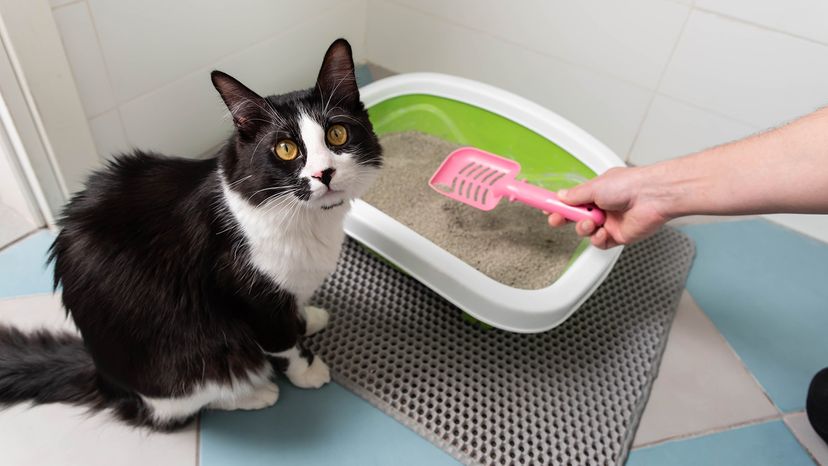
The presence of dogs eating cat poop can deeply affect cats. Cats rely on their litter box as a safe, clean spot. Any disturbance can change how they feel and behave around it. This behavior from dogs often leads to emotional and practical problems for cats.
Stress And Anxiety
Cats are sensitive to changes in their environment. When dogs eat their waste, cats may feel unsafe near the litter box. This can cause stress and anxiety. Signs include:
- Avoiding the litter box
- Hiding more than usual
- Showing signs of nervousness or aggression
Stress harms a cat’s health and can lower its immune system. This makes cats more vulnerable to illness.
Litter Box Aversion
Repeated interference by dogs can make cats avoid their litter box. They might choose other spots in the home to relieve themselves. This causes hygiene problems and frustration for cat owners. Litter box aversion happens because cats want to stay clean and safe. If they feel threatened, they look for alternatives.
Owners may notice:
- Urine or feces outside the litter box
- Unusual elimination habits
- Changes in bathroom routine
Addressing dog behavior quickly helps protect the cat’s comfort and cleanliness. It ensures a peaceful home for both pets.
Preventive Measures
Preventing your dog from eating cat poop involves a mix of smart management, diet tweaks, and training. You can create an environment that discourages this habit while ensuring your dog stays healthy and happy. Let’s look at some effective ways to keep your dog away from the litter box.
Litter Box Management
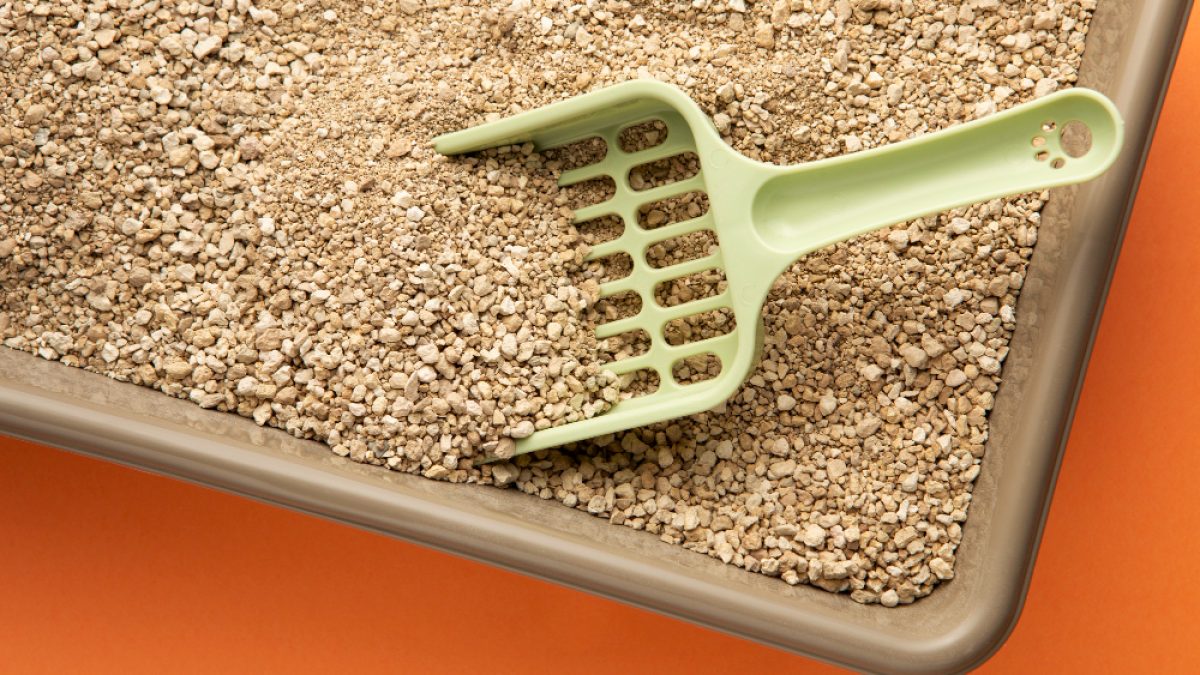
Keeping the litter box clean is the first step. Scoop it multiple times a day to reduce the temptation for your dog.
Consider placing the litter box in a room that your dog can’t access. Baby gates or doors with cat-only entrances work well.
Try covered litter boxes or ones with top access so your dog can’t reach inside easily. Have you noticed your dog’s favorite spots? Adjusting the box location might make a big difference.
Diet And Nutrition Adjustments
Sometimes dogs eat cat poop because they’re missing nutrients. Check if your dog’s diet is balanced and meets all nutritional needs.
Add high-quality protein and fiber to your dog’s meals to keep them full and satisfied. A hungry dog is more likely to seek out unusual snacks.
Talk to your vet about supplements or diet changes if your dog’s behavior persists. Could your dog be trying to fill a nutritional gap?
Behavioral Training
Training your dog to avoid the litter box is crucial. Use commands like “leave it” or “no” consistently when you catch them approaching the box.
Reward your dog immediately when they listen and walk away. Positive reinforcement can be very effective in changing habits.
Make sure your dog has enough exercise and mental stimulation to reduce boredom, which often leads to unwanted behaviors. Are you providing enough outlets for your dog’s energy?
Using Deterrents
Deterrents can help make the litter box less attractive to your dog. You can try placing aluminum foil or double-sided tape around the box area.
Commercial pet-safe sprays that have unpleasant smells for dogs but are harmless can also be applied near the litter box.
Experiment with different deterrents to find what works best for your dog’s personality. How does your dog react to new textures or smells?
When To Consult A Veterinarian
Dogs eating cat poop from the litter box can be normal at times. But sometimes, it signals a health issue. Knowing when to consult a veterinarian is important. Early advice can prevent bigger problems and keep your dog healthy.
Persistent Behavior
If your dog keeps eating cat poop every day, it needs attention. Persistent behavior may show an underlying problem. A vet can check for reasons beyond simple curiosity or boredom. Long-term habits can harm your dog's health.
Signs Of Illness
Watch for symptoms like vomiting, diarrhea, or weight loss. These signs may mean your dog is sick. Eating unusual things can be linked to health issues. A vet can diagnose infections or digestive problems quickly.
Nutritional Evaluation
Sometimes dogs eat cat poop due to poor nutrition. Vets can review your dog’s diet and suggest changes. Balanced food helps reduce strange eating habits. Proper nutrition supports your dog’s overall well-being and energy.
Credit: animals.howstuffworks.com
Credit: animals.howstuffworks.com
Frequently Asked Questions
Why Do Dogs Eat Cat Poop From Litter Boxes?
Dogs may eat cat poop due to curiosity, nutritional deficiencies, or instinct. The smell and taste attract them, and they might seek undigested nutrients or simply explore.
Is Eating Cat Poop Harmful To Dogs?
Yes, eating cat poop can harm dogs. It may contain parasites, bacteria, or toxins that cause illness or digestive upset. Always monitor and discourage this behavior.
How Can I Stop My Dog From Eating Cat Poop?
Keep litter boxes in dog-inaccessible areas, clean them frequently, and provide proper nutrition. Training your dog with commands and distractions also helps prevent this habit.
Does Eating Cat Poop Indicate A Health Issue In Dogs?
Sometimes, yes. It may signal nutritional deficiencies, digestive problems, or behavioral issues. Consult a vet if the behavior persists or your dog shows signs of illness.
Conclusion
Dogs eating cat poop may seem strange, yet it’s common behavior. Dogs explore with their mouths, leading them to odd snacks. Keeping litter boxes clean helps. It reduces the temptation for dogs. Training your dog can also help. Teach them to leave the litter box alone.
Provide engaging toys for your dog. This can distract them from cat poop. Understanding why dogs do this is key. It aids in prevention. Always consult your vet if concerned. They can offer advice tailored to your dog's needs. Remember, a curious dog is a happy dog!