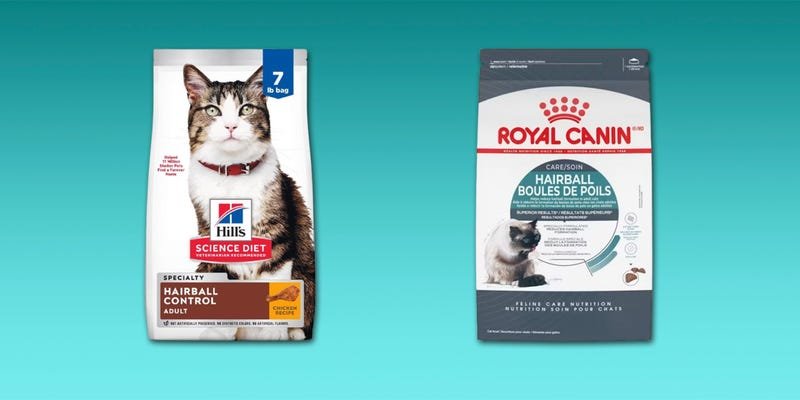
Choosing the right food for your cat can feel overwhelming. You want the best for your furry friend, but with so many options, how do you decide?
Hills and Royal Canin are two top brands that often come up. Which one truly meets your cat’s needs? You’ll discover key differences, benefits, and what might work best for your cat’s health and happiness. Keep reading to make an informed choice that your cat will thank you for.
Credit: www.businessinsider.com
Brand Histories
Understanding the histories of Hills and Royal Canin can help you see why these brands have earned trust among pet owners. Their backgrounds reveal their commitment to pet health and the science behind their cat food formulas. Let’s look closer at what shaped these brands into leaders in pet nutrition.
Hills Background
Hills was founded in 1948 by a veterinarian who wanted better nutrition for pets recovering from illness. This focus on therapeutic diets quickly expanded into a broader range of science-based pet foods. They are well known for their Prescription Diet and Science Diet lines, which target specific health needs.
What makes Hills stand out is their close collaboration with vets and pet nutritionists. This helps ensure their products are not only tasty but also support cats’ overall health. If you’ve ever talked to a vet, chances are they’ve recommended Hills for managing health issues like kidney problems or weight control.
Royal Canin Background
Royal Canin began in 1968 with a strong focus on breed-specific and condition-specific nutrition. The founder was a veterinarian who believed that each cat's needs were unique based on their breed, size, and health status. This philosophy drives their extensive research and product variety today.
Royal Canin invests heavily in scientific research and clinical trials to fine-tune their formulas. Their foods often target very specific health concerns or life stages, which shows in their detailed ingredient choices. If you want tailored nutrition for your cat, Royal Canin’s approach might appeal to you.
Ingredient Quality
Ingredient quality is a key factor when choosing between Hills and Royal Canin cat food. The health and happiness of your cat depend heavily on what goes into their meals. Understanding the differences in ingredients can help you decide which brand aligns better with your cat’s needs and your expectations.
Protein Sources
Both Hills and Royal Canin emphasize protein, but their sources differ. Hills often uses high-quality animal proteins like chicken and lamb, which provide essential amino acids. Royal Canin tends to include a mix of animal and plant proteins, which can vary in digestibility and nutritional value.
Think about your cat’s sensitivity to certain proteins. Have you noticed if your cat prefers one flavor or type over another? This could hint at how well they tolerate the protein sources in their food.
Additives And Fillers
Fillers can dilute the nutritional value of cat food. Hills typically avoids excessive fillers and focuses on meaningful ingredients. Royal Canin sometimes includes grains and other fillers to balance texture and cost, but this might not suit cats with grain sensitivities.
Look closely at the ingredient list. Are there unnecessary additives that don’t contribute to your cat’s health? Less can often mean better for cats with delicate stomachs.
Nutritional Balance
Maintaining the right nutritional balance is crucial for your cat’s overall well-being. Hills formulates its recipes to support specific health needs, such as urinary health or weight management. Royal Canin also offers tailored formulas but often relies more on precise nutrient ratios than whole food ingredients.
Ask yourself: Does your cat require specialized nutrition? Your choice might lean towards the brand that targets those specific needs with the best ingredient profile.
Health Benefits
Choosing the right cat food affects your pet’s health deeply. Both Hills and Royal Canin offer formulas that support key health areas. Their benefits help keep cats active and happy. Understanding these health benefits can guide you to better choices.
Digestive Health
Hills cat food often contains prebiotics and fiber. These ingredients promote good digestion and reduce stomach upset. Royal Canin also focuses on digestive balance, using a mix of fibers to support healthy gut bacteria. Both brands aim to reduce hairballs and ease digestion for sensitive cats.
Weight Management
Hills offers specially designed diets to help control weight. Their low-calorie options support fat burning without losing muscle. Royal Canin provides tailored formulas for weight control, balancing energy and nutrition. These diets help prevent obesity, a common problem in indoor cats.
Skin And Coat Support
Hills includes omega-3 and omega-6 fatty acids in many recipes. These nutrients improve skin health and make fur shiny. Royal Canin’s formulas also focus on skin care with similar fatty acids and antioxidants. Both brands help reduce itching and promote a soft, healthy coat.
Credit: www.businessinsider.com
Product Range
The product range of Hills and Royal Canin offers many options for cat owners. Each brand focuses on different needs and preferences. Choosing the right product depends on your cat’s taste and health requirements.
Varieties And Flavors
Hills provides dry and wet food in multiple flavors. Popular choices include chicken, salmon, and turkey. The brand also offers grain-free options for sensitive cats.
Royal Canin features a wide variety of flavors too. Their recipes often combine different meats and vegetables. Cats can enjoy options like poultry, fish, and lamb blends.
- Hills: chicken, salmon, turkey, grain-free
- Royal Canin: poultry, fish, lamb blends, mixed recipes
Specialized Diets
Hills focuses heavily on veterinary diets. These products support kidney health, weight control, and digestive care. Many formulas cater to cats with allergies or diabetes.
Royal Canin also offers specialized diets targeting specific health issues. Their options include urinary care, hairball control, and skin sensitivity formulas. Royal Canin customizes diets by breed and age too.
| Brand | Specialized Diets |
|---|---|
| Hills | Kidney support, weight management, allergy care, diabetes formulas |
| Royal Canin | Urinary health, hairball control, skin care, breed-specific, age-specific |
Price Comparison
Comparing the prices of Hills and Royal Canin cat food helps you choose the best for your budget. Price affects how often you can buy and the size of the pack. Understanding costs per serving and overall value guides your decision wisely.
Cost Per Serving
Hills cat food usually costs less per serving than Royal Canin. This means you pay less for each meal your cat eats. The price difference depends on the formula and pack size.
| Brand | Average Cost Per Serving |
|---|---|
| Hills | $0.75 |
| Royal Canin | $1.10 |
Buying in bulk or larger bags can reduce the cost per serving for both brands.
Value For Money
Royal Canin offers specialized formulas targeting specific cat needs. This may justify its higher price for many pet owners. Hills provides balanced nutrition at a lower cost, suitable for general health.
- Royal Canin suits cats with health issues or dietary restrictions.
- Hills fits cats without special dietary needs and budgets.
- Both brands use quality ingredients but focus on different benefits.
Choosing value means matching food benefits with your cat’s needs and your budget.
Customer Feedback
Customer feedback offers valuable insights into Hills and Royal Canin cat foods. It reveals real experiences from pet owners. This helps to understand product strengths and weaknesses. Reviews highlight how cats react to each brand's formulas.
Reading various opinions can guide better choices. It also shows common trends in satisfaction or issues. Let’s explore what customers say about these two popular cat food brands.
Positive Reviews
- Many owners praise Hills for its balanced nutrition and ingredient quality.
- Royal Canin is often noted for its tailored formulas for specific cat needs.
- Cats seem to enjoy the taste of both brands, increasing meal enthusiasm.
- Improved digestion and healthier coats are frequently reported by users.
- Some customers find Hills effective for sensitive stomachs and allergies.
- Royal Canin is favored for veterinary recommendations and specialized diets.
Common Complaints
- Some pet owners mention Hills cat food as expensive compared to others.
- Royal Canin’s pricing is also a concern for budget-conscious buyers.
- A few cats refuse to eat certain formulas from both brands.
- Occasional reports of digestive upset appear with both products.
- Packaging and availability can be inconsistent depending on location.
- Some users desire more transparency on ingredient sourcing and processing.
Veterinarian Recommendations
Choosing the right cat food often leads you to seek advice from veterinarians, who understand feline nutrition deeply. Their recommendations can guide you through the maze of options like Hills and Royal Canin. Knowing what vets say about these brands helps you make informed choices for your cat’s health.
Veterinarian Opinions On Hills Cat Food
Many vets appreciate Hills for its strong focus on clinical nutrition. They often recommend Hills Science Diet for cats with specific health issues such as kidney disease or urinary problems.
Vets highlight its precise nutrient balance and high-quality ingredients. Have you noticed if your cat responds better to food prescribed by a vet compared to regular brands?
Veterinarian Views On Royal Canin Cat Food
Royal Canin is favored by vets for its wide range of breed-specific and condition-specific formulas. This makes it easier to target particular health needs like digestive sensitivities or weight management.
Some vets praise its research-backed approach and tailored nutrition. Does your cat have unique dietary needs that might benefit from this specialized feeding?
How Veterinarians Decide Between Hills And Royal Canin
Veterinarians weigh factors like your cat’s health condition, age, and lifestyle before choosing between Hills or Royal Canin. They often test how well your cat tolerates the food and check for improvements in health markers.
It’s not about which brand is better universally, but which suits your cat’s current needs. Are you ready to discuss your cat’s individual requirements with a vet to find the best match?
Final Verdict
Choosing between Hills and Royal Canin cat food depends on your cat’s specific needs. Both brands offer quality nutrition but differ in focus and ingredients. Understanding these differences helps pick the right option for your pet’s health.
Nutrition And Ingredients
Hills cat food uses high-quality proteins and balanced nutrients. It often targets cats with health issues like kidney disease or weight control. Royal Canin specializes in breed-specific and condition-specific diets. Its formulas include precise nutrients for different ages and health needs.
Price And Availability
Hills is generally more affordable and easier to find in many stores. Royal Canin tends to be pricier and may require purchase through vets or specialty shops. Availability can affect your choice if you want convenience.
Cat Preferences And Digestibility
Cats may prefer one brand’s taste or texture over the other. Some cats digest Hills formulas better, while others do well on Royal Canin. Watch how your cat reacts to each food to decide which suits them best.
Many vets trust both brands for different reasons. Hills is often recommended for clinical nutrition. Royal Canin is favored for customized dietary needs. Consult your vet to match your cat’s health with the right food.
Credit: www.businessinsider.com
Frequently Asked Questions
Which Cat Food Is Healthier: Hills Or Royal Canin?
Both brands offer balanced nutrition, but Hills uses more natural ingredients. Royal Canin focuses on breed-specific formulas. Choose based on your cat’s health needs and preferences for better results.
Is Royal Canin Better For Specific Cat Breeds?
Yes, Royal Canin designs formulas tailored to different breeds’ unique needs. This can improve your cat’s health by addressing breed-specific issues effectively.
How Does Hills Support Cat Digestive Health?
Hills includes high-quality fibers and prebiotics that promote healthy digestion. This helps maintain gut health and reduces digestive problems in cats.
Are Hills And Royal Canin Good For Cats With Allergies?
Both brands offer hypoallergenic options designed to reduce allergy symptoms. Consult your vet to select the best formula for your cat’s sensitivities.
Conclusion
Choosing between Hills and Royal Canin depends on your cat's needs. Both brands offer quality nutrition and cater to various health requirements. It's crucial to consult your vet for personalized advice. Some cats might prefer one brand's taste over the other.
Monitor your cat's response to the food. Look for better digestion, energy levels, and coat condition. Remember, a happy cat is a healthy cat. Your choice should prioritize your pet's well-being. So, research, consult, and observe. A little effort ensures your cat receives the best.