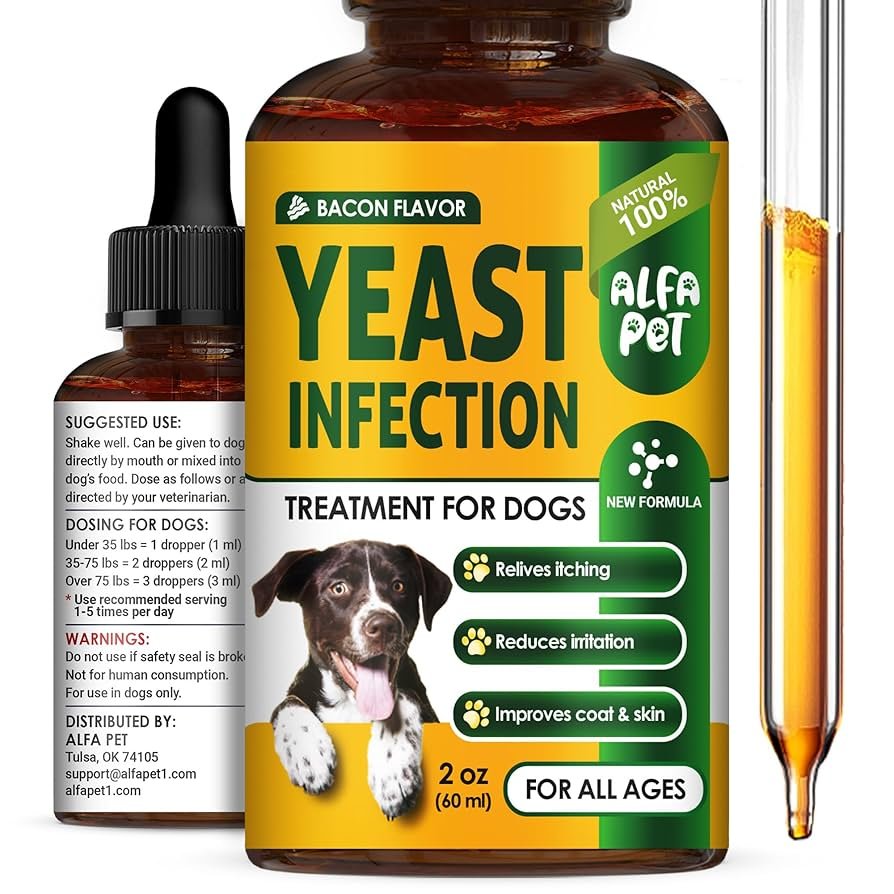
Are you worried about your dog's persistent itching and discomfort? If your furry friend is dealing with a yeast infection, you’re likely searching for the best ways to help them feel better.
One crucial aspect of their recovery is their diet. What you feed your dog can make a significant difference in managing and alleviating the symptoms of a yeast infection. You'll discover the foods that can soothe your pet's discomfort and promote healing.
By making the right dietary choices, you can help your beloved companion get back to their happy, tail-wagging self. Keep reading to uncover the secrets to a healthier, itch-free life for your dog.

Credit: www.amazon.com
Causes Of Yeast Infections In Dogs
Yeast infections in dogs happen when yeast grows too much on their skin or inside their ears. This overgrowth causes itching, redness, and discomfort. Understanding what causes these infections helps in managing and preventing them. Some dogs get yeast infections more often due to their environment or health conditions.
Several factors can lead to yeast overgrowth in dogs. These factors affect the balance of good and bad microbes on the skin. When the balance tips, yeast can multiply quickly and cause problems.
Weakened Immune System
A weak immune system cannot control yeast growth well. Dogs with illnesses or those on certain medications may have weaker defenses. This allows yeast to grow unchecked and cause infections.
Allergies
Allergies cause skin inflammation and damage. This damage creates a perfect place for yeast to grow. Dogs with food allergies or environmental allergies often suffer from yeast infections.
Moisture And Humidity
Yeast loves warm, moist places. Dogs that stay wet for long times or live in humid areas are more at risk. Moist ears and skin folds provide a great environment for yeast growth.
Poor Diet
A diet high in sugar or grains can feed yeast. Poor nutrition weakens the skin’s defense. Feeding dogs balanced food helps keep yeast levels in check.
Antibiotics And Steroids
These medicines kill bad and good bacteria. Without good bacteria, yeast can grow fast. Long-term use of antibiotics or steroids can lead to infections.
Credit: www.purina.com
Symptoms Of Yeast Infection
Yeast infections in dogs can cause discomfort and skin problems. Recognizing symptoms early helps manage the infection well. Symptoms vary but often show on the skin and ears.
Itchy And Red Skin
Dogs with yeast infections often scratch a lot. The affected skin becomes red and inflamed. This itchiness can cause sores and hair loss.
Unpleasant Odor
A strong, musty smell may come from the dog's skin or ears. This odor is caused by yeast overgrowth. It often smells like bread or cheese.
Thick, Crusty Skin
Yeast infections can cause thickening of the skin. The skin may look crusty or scaly. These changes usually appear on paws, ears, or folds.
Ear Problems
Infected ears might be red and swollen. Dogs may shake their heads or scratch their ears. Dark discharge or bad smell often comes from the ears.
Hair Loss
Hair may fall out around infected areas. The skin beneath might look greasy or moist. Hair loss can spread if the infection worsens.
Foods To Avoid
Choosing the right diet for a dog with a yeast infection is crucial. Some foods can worsen the condition by feeding the yeast and making symptoms worse. Knowing which foods to avoid can help you manage your dog’s health more effectively and speed up recovery.
Foods High In Sugar And Carbohydrates
Sugar feeds yeast, making infections harder to control. Avoid treats like cookies, cakes, and sugary snacks. Even natural sugars in fruits like grapes and bananas can contribute to yeast growth.
Carbohydrate-rich foods like white bread, pasta, and rice also break down into sugars quickly. These can fuel yeast infections, so it’s best to limit or eliminate them from your dog’s diet.
Dairy Products
Dairy is another common trigger for yeast infections. Cheese, milk, and yogurt often contain lactose, which some dogs struggle to digest. This can disrupt the balance of bacteria and promote yeast overgrowth.
Watch for symptoms like increased itching or redness after your dog consumes dairy. It might be a sign that dairy is worsening their condition.
Processed And Packaged Dog Foods
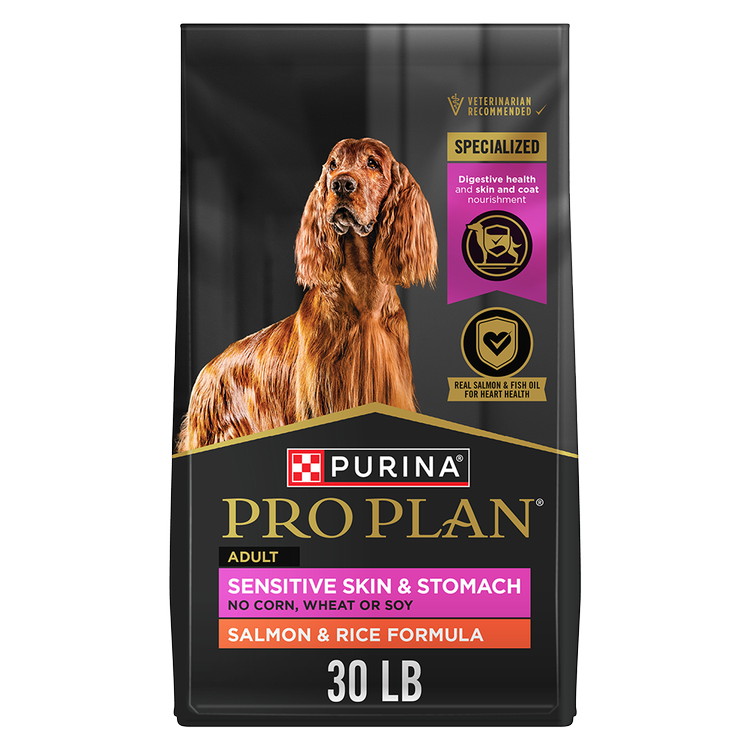
Many commercial dog foods contain additives, fillers, and preservatives that can aggravate yeast infections. Ingredients like corn, wheat, and soy are common allergens and can feed yeast.
Choosing whole-food options or specially formulated hypoallergenic diets can help reduce flare-ups. Check labels carefully and avoid anything with artificial colors or flavors.
Foods Containing Yeast Or Mold
Feeding your dog foods that already contain yeast or mold is counterproductive. Bread dough, blue cheese, and certain fermented foods are examples to avoid.
These foods can introduce more yeast into your dog’s system, making infections tougher to handle. Always check ingredients and stay away from anything that encourages yeast growth.
Beneficial Diet Changes
Changing your dog’s diet can make a big difference in managing yeast infections. Food affects the balance of yeast and bacteria in your dog’s body. By adjusting what you feed your dog, you can help reduce yeast growth and support healing.
Low-carb And Grain-free Options
Yeast thrives on sugar and carbohydrates. Cutting down on carbs and grains limits the fuel yeast needs to grow. Switching to grain-free dog food or homemade meals with lean meats and vegetables can help control yeast infections.
You might notice your dog’s itching decreases after reducing carbs. Have you tried feeding your dog foods like sweet potatoes, green beans, or pumpkin instead of rice or corn? These options provide nutrients without feeding the yeast.
Incorporating Probiotics
Probiotics introduce good bacteria that fight off harmful yeast. Adding probiotics to your dog’s diet can restore balance in their gut and skin. You can find probiotic supplements designed for dogs or use plain yogurt with live cultures as a natural option.
Regular probiotic use can improve digestion and boost your dog’s immune system. Have you considered mixing a spoonful of probiotic powder into your dog’s meals? It’s a simple step that often shows quick results.
Adding Antifungal Foods
Certain foods naturally fight yeast and can be powerful allies in your dog’s diet. Coconut oil, for example, contains caprylic acid, which helps kill yeast cells. Adding small amounts of coconut oil to meals can reduce yeast overgrowth.
Other antifungal choices include garlic (in very small amounts), apple cider vinegar, and turmeric. Have you experimented with these ingredients in your dog’s food? They might offer more relief than you expect.
Supplements For Yeast Control
Supplements can play a key role in managing your dog's yeast infection. They support the immune system and help balance the natural flora on the skin and inside the body. Choosing the right supplements gives your dog a better chance to fight off yeast overgrowth effectively.
Omega-3 Fatty Acids
Omega-3 fatty acids are known for their anti-inflammatory properties. They help reduce skin redness and itching caused by yeast infections. Adding fish oil or flaxseed oil to your dog’s diet can improve their skin health and overall comfort.
Many dog owners notice a difference within a few weeks of adding omega-3s. You can give these supplements in liquid form or as capsules, but always check the dosage with your vet. Have you tried omega-3s with your dog before? Observing how their skin responds can guide you in maintaining this helpful supplement.
Coconut Oil Benefits
Coconut oil contains natural antifungal compounds that can help control yeast growth. Applying it topically or mixing a small amount into your dog’s food may reduce yeast buildup. The medium-chain fatty acids in coconut oil also support your dog’s immune system.
Some dogs enjoy the taste, making it easy to add to meals. Start with a teaspoon a day and watch for any digestive changes. Could coconut oil be the simple addition that improves your dog’s skin condition?

Credit: www.amazon.com
Homemade Meal Ideas
Feeding a dog with a yeast infection requires thoughtful food choices that support healing and reduce yeast growth. Homemade meals give you full control over ingredients, allowing you to avoid sugars and grains that feed yeast. You can create balanced, tasty dishes that help restore your dog’s health and comfort.
Balanced Protein And Veggie Bowl
Start with a lean protein like boiled chicken or turkey—these are easy to digest and don’t promote yeast growth. Add low-carb vegetables such as green beans, zucchini, or spinach. These veggies provide fiber and nutrients without feeding the yeast.
Season lightly with a pinch of turmeric or ginger, both known for their anti-inflammatory properties. Avoid onions and garlic, which can be toxic to dogs. This simple bowl can become a daily staple to help manage your dog’s infection.
Sweet Potato And Pumpkin Mash
Sweet potatoes are a great alternative to grains and provide essential vitamins. Combined with plain canned pumpkin, this mash supports digestion and soothes your dog’s gut. Both ingredients are low in sugar, which is important for starving yeast.
Mix the mash with a small amount of cooked chicken or fish for protein. You might notice your dog’s energy improving as their gut health gets better. Have you tried swapping regular kibble with this mix yet?
Homemade Bone Broth Soup
Bone broth is rich in minerals and helps hydrate your dog while providing healing benefits for the gut lining. Use chicken or beef bones, simmered for several hours to extract nutrients. Strain carefully to remove any small pieces that could pose a risk.
Add some shredded meat and chopped veggies like carrots or celery to the broth. This warm, comforting meal can encourage your dog to eat when they’re feeling unwell. Does your dog prefer liquids over solids when under the weather?
Fish And Green Bean Stir
Fish like salmon or whitefish provides omega-3 fatty acids, which can reduce inflammation linked to yeast infections. Steam or bake the fish without seasoning, then mix it with steamed green beans for fiber. This combination supports your dog’s immune system naturally.
Try serving this dish a few times a week to vary their diet. Notice how your dog’s coat and skin respond over time. Could adding omega-3 rich foods be the missing piece in your dog’s recovery?
Hydration And Feeding Tips
Keeping your dog well-hydrated and feeding the right foods can make a big difference when managing a yeast infection. Proper hydration helps flush out toxins and supports your dog’s immune system. Meanwhile, feeding the right diet limits yeast growth and soothes your dog’s discomfort.
Encourage Plenty Of Fresh Water
Water is your dog's best friend during a yeast infection. Make sure your dog always has access to clean, fresh water. If your dog isn’t drinking enough, try adding a little low-sodium broth to make it more appealing.
Watch for signs of dehydration like dry gums or lethargy. Offering water in different bowls or locations can also encourage more drinking. Have you noticed your dog prefers cold water or water from a specific spot?
Choose Low-carbohydrate, Grain-free Foods
Yeast thrives on sugars and carbohydrates. Feeding your dog low-carb, grain-free food helps starve the yeast. Look for dog foods made with proteins like turkey, chicken, or fish and limited carbs.
Avoid treats with corn, wheat, or soy since they can feed yeast growth. Instead, choose snacks like green beans or cooked pumpkin. Have you checked your dog’s treats label lately?
Add Probiotics To Support Gut Health
Probiotics can balance your dog’s gut bacteria and fight yeast overgrowth. You can find probiotic supplements designed specifically for dogs or use plain, unsweetened yogurt if your dog tolerates dairy.
Introduce probiotics gradually and watch for any digestive upset. A healthy gut can boost your dog’s overall resistance to yeast infections. Have you tried probiotics to improve your dog’s digestion before?
Offer Small, Frequent Meals
Feeding smaller meals throughout the day keeps your dog’s blood sugar stable and reduces yeast flare-ups. Large meals can spike blood sugar, giving yeast the fuel to grow.
Try dividing your dog’s daily food into three or four smaller portions. This approach can also help if your dog feels uncomfortable or has a reduced appetite. Could more frequent meals be easier for your dog to handle right now?
When To See A Veterinarian
Knowing when to see a veterinarian is vital for a dog with a yeast infection. Proper timing can prevent the infection from worsening and causing more serious problems. Some signs show the need for professional care rather than home treatment alone.
Veterinarians can provide accurate diagnosis and recommend effective treatment. They can also rule out other conditions that may look like yeast infections but need different care. Early veterinary help leads to faster recovery and less discomfort for your dog.
Signs That Warrant Immediate Veterinary Attention
- Severe itching and constant scratching
- Red, inflamed, or swollen skin
- Foul odor coming from the affected area
- Hair loss or bald patches
- Signs of pain or sensitivity when touched
- Spreading of infection to new areas
When Home Remedies Are Not Enough
If your dog’s condition does not improve within a week of home care, see a vet. Persistent symptoms suggest the infection may be resistant to basic treatments. The veterinarian can prescribe stronger medications or special diets to help.
Recurring Yeast Infections Need Professional Care
Dogs with repeated yeast infections require a vet’s attention. This could indicate allergies or immune system problems. A vet can run tests to find the root cause and offer a tailored treatment plan.
Frequently Asked Questions
What Foods Help Dogs With Yeast Infections?
Foods low in sugar and grains help dogs with yeast infections. Focus on lean proteins, vegetables, and probiotics. Avoid processed treats and high-carb foods that feed yeast growth.
Can Probiotics Improve My Dog’s Yeast Infection?
Yes, probiotics restore healthy gut bacteria balance. This reduces yeast overgrowth and boosts immune defense. Look for dog-specific probiotic supplements or natural sources like yogurt.
Are There Foods My Dog Should Avoid During Yeast Infection?
Avoid sugary, starchy, and processed foods. Grains like wheat and corn can worsen yeast infections. Also, limit dairy and treats with artificial additives.
How Does Diet Affect A Dog’s Yeast Infection?
Diet controls yeast growth by limiting sugar and carbs. Balanced nutrition supports immune health and skin recovery. Proper diet helps prevent recurring infections.
Conclusion
Feeding a dog with a yeast infection needs care and attention. Choose foods low in sugar and grains. Fresh vegetables and lean proteins help the healing process. Avoid treats that can worsen the infection. Always provide clean water and keep your dog comfortable.
Consult your vet for the best diet plan. A good diet supports faster recovery and better health. Small changes make a big difference for your pet’s comfort. Patience and proper feeding go hand in hand for healing.