Is your cat leaving unwanted surprises outside the litter box? It can be frustrating and confusing when your furry friend refuses to use their designated spot.
But don’t worry—you’re not alone, and there’s a way to fix this. You’ll discover simple, effective steps to stop your cat from pooping outside the litter box. By understanding why this happens and what you can do, you’ll restore peace to your home and keep your cat happy.
Keep reading to find out how you can make your cat love their litter box again.

Credit: smart.dhgate.com
Common Reasons Cats Avoid Litter Boxes
Understanding why your cat avoids the litter box is key to fixing the problem. Cats don't just misbehave out of stubbornness. They usually have clear reasons that you can address once you know what they are.
Medical Issues
Health problems are a common cause of litter box avoidance. Urinary tract infections, kidney issues, or constipation can make using the litter box painful.
If your cat suddenly stops using the box, a vet visit is crucial. You want to rule out discomfort or illness first. Have you noticed any changes in your cat’s bathroom habits or behavior lately?
Litter Box Preferences
Cats can be picky about their litter box setup. The type of litter, box size, cleanliness, and location all matter.
Some cats dislike scented litter or covered boxes. Others prefer a quiet spot away from their food and water. Try changing one thing at a time to see what your cat prefers.
Stress And Anxiety
Stress can cause cats to avoid their litter box. Changes in the home, new pets, loud noises, or even a new person can trigger anxiety.
Have you recently moved or added a new family member or pet? Offering safe, quiet spaces and maintaining a routine can help reduce your cat’s stress.
Territorial Behavior
Cats are territorial animals and may avoid the litter box if they feel their space is threatened. This is especially common in multi-cat households.
Marking territory outside the box is a way to communicate dominance or stress. Providing multiple litter boxes and keeping them clean can ease territorial disputes. How many litter boxes do you have for your cats?
Choosing The Right Litter Box
Choosing the right litter box plays a big role in stopping your cat from pooping outside it. Cats need comfort and ease when using their bathroom. A poor choice can cause stress or dislike. This section helps you pick a litter box that suits your cat’s needs perfectly.
Box Size And Type
Pick a litter box large enough for your cat to move freely. Small boxes make cats feel cramped and uncomfortable. Open boxes work well for cats who like space. Covered boxes give privacy but might trap odors. Some cats prefer low sides for easy entry. Observe your cat’s habits to find the best type.
Number Of Boxes
Have more than one litter box if you have multiple cats. The rule is one box per cat plus one extra. This prevents fights and avoids box overuse. Cats may refuse to share, causing accidents. Multiple boxes give options and reduce stress.
Placement Tips
Place litter boxes in quiet, low-traffic areas. Avoid spots near loud appliances or busy rooms. Cats like privacy but need easy access. Don’t put boxes near their food or water bowls. Spread boxes across different house areas for convenience. Clean boxes regularly to keep them inviting.
Selecting The Best Cat Litter
Selecting the best cat litter is a key step in stopping your cat from pooping outside the litter box. The right litter not only attracts your cat to use the box but also keeps the area clean and odor-free. Understanding what your cat prefers and maintaining the litter regularly can make a big difference in their bathroom habits.
Types Of Litter
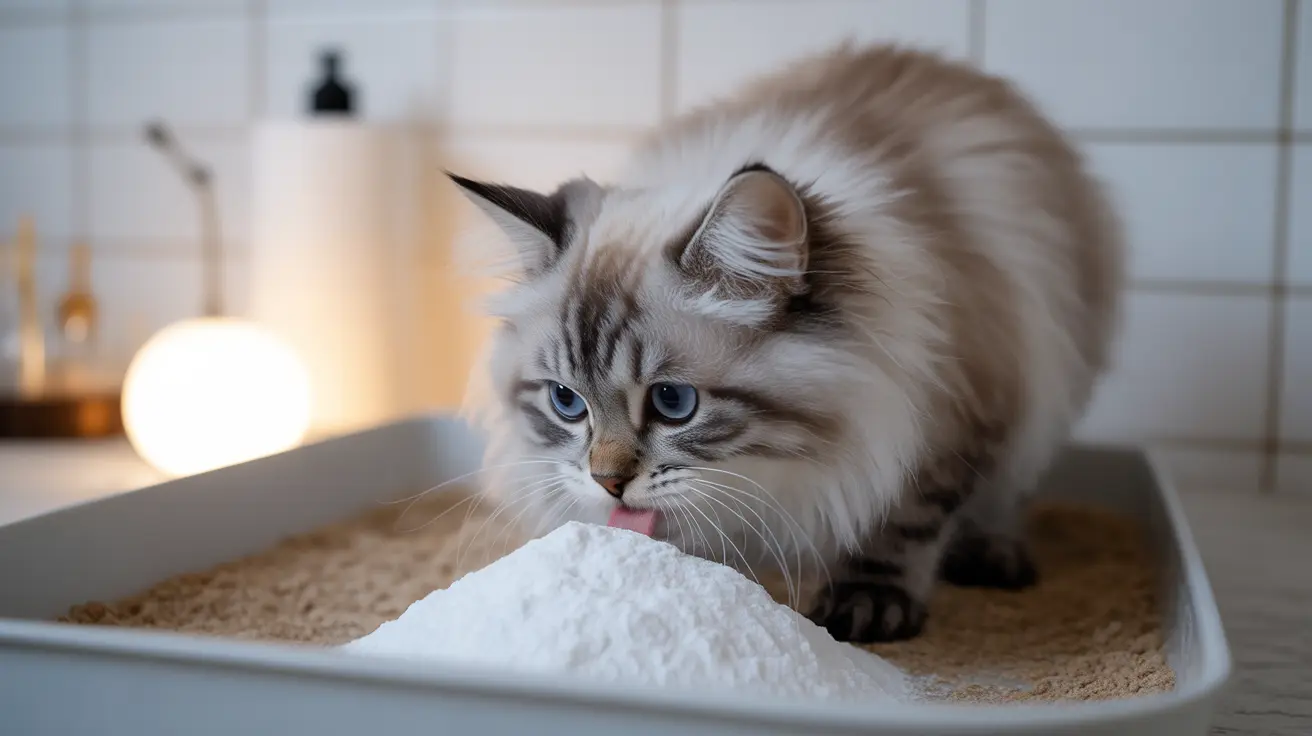
Cat litter comes in many varieties, each with its own benefits. Clay-based litters are popular because they clump easily, making cleaning simple. However, some cats dislike the dust or scent.
Natural options like corn, wheat, or pine litter are biodegradable and often less dusty. These can be gentler on sensitive paws and may reduce odors naturally.
Silica gel litter absorbs moisture effectively and controls smell for a longer time, but it can feel different under your cat’s paws. Have you noticed your cat avoiding certain textures? Trying different types can reveal their preference.
Scent And Texture Preferences
Many cat owners overlook how scent and texture impact litter box use. Cats have a strong sense of smell, so heavily scented litters might repel them instead of attracting them.
Texture matters just as much. Some cats prefer finer, softer granules, while others like coarser materials. Watch how your cat reacts—do they dig happily or seem hesitant? Adjusting the litter to their liking can encourage consistent use.
Frequency Of Changing Litter
Even the best litter won’t work if it’s not changed often enough. Cats are clean animals and may avoid a box that smells or looks dirty.
Removing clumps daily and fully changing the litter weekly helps maintain a fresh environment. Do you clean the box regularly or wait until it’s visibly soiled? Small daily efforts can prevent accidents outside the box.
Cleaning And Maintenance
Keeping your cat’s litter box clean is key to preventing pooping outside it. Cats are naturally clean animals and can refuse to use a dirty box. Regular cleaning and proper maintenance will make the litter box more inviting and reduce accidents.
Daily Cleaning Routine
Check the litter box at least once a day. Scoop out clumps and waste to keep the litter fresh and odor-free. A clean box encourages your cat to use it consistently.
Replace the litter as needed to avoid buildup. You can also add a bit of fresh litter to keep the texture pleasant. Have you noticed how your cat reacts to a box that isn’t cleaned daily?
Deep Cleaning Methods
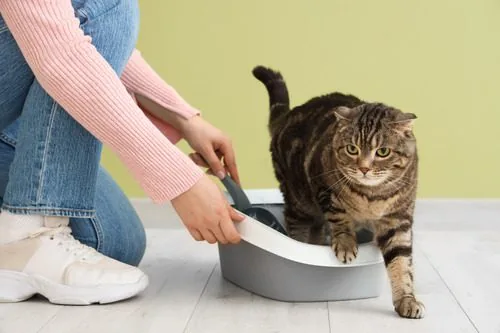
Give the litter box a thorough wash weekly. Use warm water and mild soap to remove any lingering odors or bacteria. Scrub all corners, as residue can build up where you least expect it.
Rinse well and dry completely before adding fresh litter. A deep clean resets the box and often solves persistent avoidance issues. Could a dirty box be the reason behind your cat’s behavior?
Avoiding Strong Chemicals
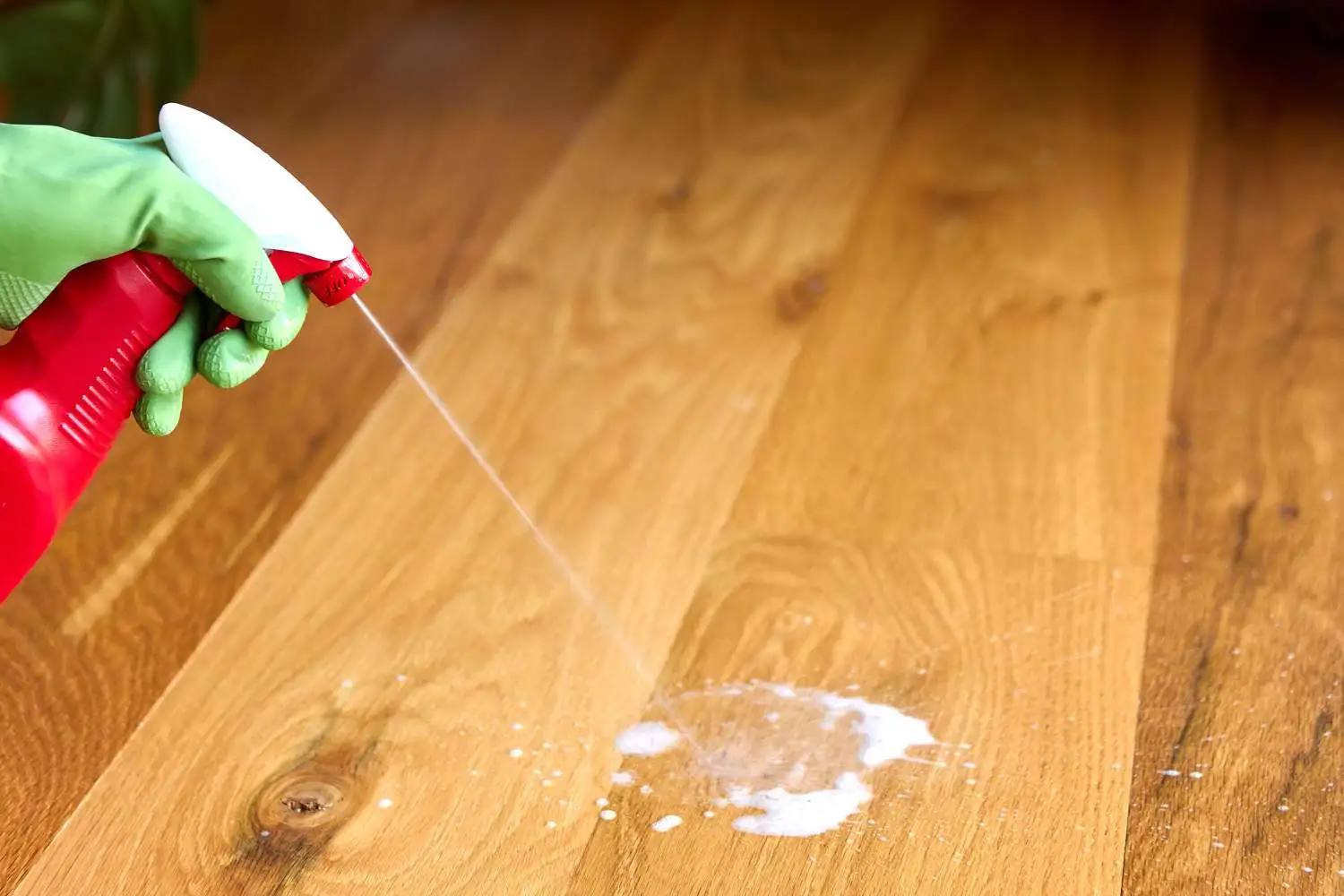
Strong cleaners can leave harsh smells that deter your cat from using the box. Avoid bleach, ammonia, or scented sprays when cleaning. Instead, opt for gentle, unscented soaps or products made specifically for pet areas.
Remember, your cat’s sensitive nose picks up smells you might miss. Keeping the box free of chemical odors makes it more comfortable for your feline friend. What natural cleaning products have you tried that worked well for your pet?
Addressing Behavioral Causes
Behavioral issues often cause cats to avoid their litter box. Stress, fear, or confusion can lead to accidents outside the box. Understanding these behaviors helps fix the problem gently and effectively.
Changing the cat’s environment and routine can reduce stress. This encourages your cat to use the litter box again.
Reducing Stress Triggers
Cats dislike sudden changes. Loud noises, new pets, or moving furniture can scare them. Keep a calm and stable environment.
- Provide quiet spaces for your cat to relax.
- Keep feeding and playtime schedules consistent.
- Use calming sprays or diffusers made for cats.
- Introduce new pets slowly and under supervision.
Using Positive Reinforcement
Reward your cat for using the litter box. Praise and treats create good habits.
- Give a small treat right after your cat uses the box.
- Use gentle petting and soft words to show approval.
- Avoid punishment; it increases stress and worsens behavior.
- Keep the litter box clean to encourage use.
Deterring Unwanted Areas
Prevent your cat from accessing spots it favors outside the box. Make these areas unattractive or hard to reach.
- Place aluminum foil or double-sided tape where the cat poops.
- Use safe scents cats dislike, such as citrus or vinegar, on those areas.
- Block access to problem spots with furniture or barriers.
- Offer alternative comfortable spaces for your cat to rest.

Credit: vetic.in
When To Consult A Veterinarian
Knowing when to consult a veterinarian is crucial if your cat starts pooping outside the litter box. Sometimes, the issue is more than just bad habits or litter preferences—it can signal health problems or deeper behavioral concerns that need professional help.
Signs Of Health Problems
Watch for sudden changes in your cat’s bathroom habits. If your cat strains, cries out, or shows discomfort when trying to poop, these are red flags. Blood in the stool, diarrhea, or constipation can also mean your cat needs a vet’s attention.
Other signs include excessive licking of the rear area or a sudden loss of appetite. If your cat suddenly avoids the litter box after years of good habits, health issues might be the cause. Have you noticed your cat hiding more or acting lethargic? These changes often go hand in hand with medical problems.
Behavioral Therapy Options
If the vet rules out health problems, behavioral therapy might help. Cats can develop aversions to the litter box due to stress, changes in the home, or negative experiences. Working with a cat behaviorist can help you understand and fix these triggers.
You might try positive reinforcement when your cat uses the box correctly. Creating a calm, consistent environment also reduces anxiety. Have you tried changing the type of litter or the location of the box? Sometimes small changes can make a big difference.
Medication And Treatment
In some cases, medication might be necessary. If your cat suffers from anxiety or other behavioral disorders, vets can prescribe drugs to ease symptoms. Pain relief is also important if your cat has a urinary tract infection or inflammation.
Always follow the vet’s instructions carefully when giving medication. Combining treatment with environmental changes often leads to the best results. Don’t hesitate to ask your vet about all available options to help your cat feel better and return to normal litter box habits.

Credit: www.petmd.com
Frequently Asked Questions
Why Is My Cat Pooping Outside The Litter Box?
Cats may avoid the litter box due to stress, illness, or a dirty box. Check health issues first. Clean the box regularly and ensure it’s in a quiet, accessible spot. Address any changes in the environment that might upset your cat.
How Can I Make My Cat Use The Litter Box Consistently?
Keep the litter box clean by scooping daily and changing litter weekly. Use unscented, clumping litter. Place boxes in quiet, private areas. Provide one box per cat plus one extra. Reward your cat with praise or treats for using the box.
What Health Problems Cause Litter Box Avoidance?
Urinary tract infections, constipation, or digestive issues can cause avoidance. Pain or discomfort makes cats avoid the box. Consult a vet to rule out medical conditions. Early diagnosis and treatment prevent worsening behavior and health problems.
How Many Litter Boxes Do I Need For Multiple Cats?
Provide one litter box per cat, plus one extra. This reduces competition and stress. Place boxes in different locations to encourage use. Multiple boxes improve hygiene and comfort for your cats. This setup lowers chances of accidents outside the box.
Conclusion
Training your cat takes patience and understanding. Observe their behavior closely. Identify any stressors that may cause discomfort. Keep the litter box clean and in a quiet spot. Reward your cat for using the box properly. Consistency is key to success.
Consult a vet if problems persist. They can rule out health issues. Remember, your cat needs time to adjust. Stay calm and patient throughout the process. You and your cat can achieve harmony with persistence. Happy cat, happy home!