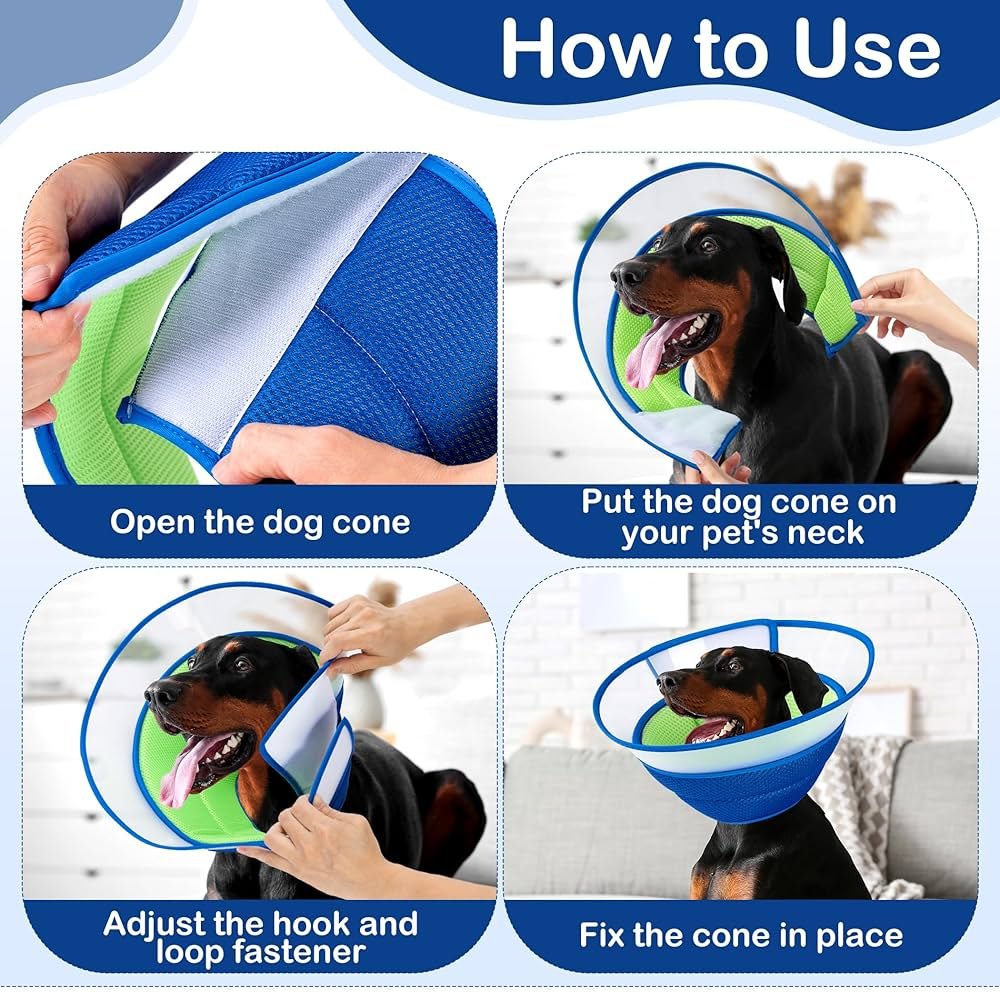
If your dog needs an Elizabethan collar, you might feel unsure about how to put it on correctly. You want to keep your furry friend safe and comfortable, but the thought of fitting this unusual collar can be tricky.
Don’t worry—this guide will show you simple, step-by-step tips to get it right the first time. By the end, you’ll know exactly how to secure the collar so your dog stays protected without feeling stressed. Keep reading to learn how to make this process easy for both you and your pet.
Choosing The Right Collar
Choosing the right Elizabethan collar is essential for your dog's comfort and healing. The collar must fit well and suit your dog's needs. A poor fit can cause stress and stop your dog from healing properly.
Consider your dog's size, behavior, and the type of wound or surgery. The right collar helps protect wounds and prevents your dog from biting or licking areas that need care.
Types Of Elizabethan Collars
- Plastic Cones:Traditional and rigid, provide strong protection.
- Soft Collars:Made of fabric or foam, more comfortable but less protective.
- Inflatable Collars:Look like neck pillows, limit head movement gently.
- Adjustable Collars:Can be resized for a better fit as your dog heals.
Measuring Your Dog
Measure your dog's neck circumference with a soft tape measure. Add about two inches for comfort. Check the distance from the neck to the nose tip. This ensures the collar is long enough to block the face but not too long to cause trouble.
Use these measurements to find a collar that fits snugly but allows your dog to breathe and eat easily.
Material Considerations
Choose a material that suits your dog's activity level. Plastic collars are durable but can feel heavy. Soft collars are lighter but may not stop persistent dogs. Inflatable collars are gentle but less protective for serious wounds.
Look for collars with smooth edges to avoid irritation. Breathable materials keep your dog cool. Easy-to-clean materials help maintain hygiene. Comfort and safety should guide your choice.

Credit: kvpvet.com
Preparing Your Dog
Preparing your dog for an Elizabethan collar can make the entire process much smoother. Dogs often feel uneasy or confused about wearing something unfamiliar around their neck. Taking time to prepare your dog helps reduce stress and builds a positive association with the collar.
Calming Techniques
Before putting the collar on, spend a few minutes calming your dog. Gentle petting and soft, reassuring words can help ease their anxiety. Try slow, deep breaths yourself—your calm energy can influence your dog’s mood.
If your dog responds well to treats, use small rewards to encourage relaxation. You might also consider a quiet room without distractions. Have you noticed how your dog reacts when you lower your voice? This simple change can make a big difference.
Familiarizing With The Collar
Let your dog sniff and explore the collar before attempting to put it on. Place the collar near their food bowl or favorite resting spot. This way, your dog starts to see the collar as a normal object, not a threat.
Try gently touching your dog’s neck with the collar first, without fastening it. Praise and reward any calm behavior during this step. Gradual exposure helps your dog accept the collar more willingly.
Do you remember how your dog reacts to new toys or gear? Use that reaction as a guide for introducing the collar. Patience here sets the stage for a less stressful experience for both of you.
Putting On The Collar
Putting on an Elizabethan collar can feel tricky at first. This protective device stops your dog from licking wounds or scratching sores. Handling your dog calmly helps make the process smooth. It’s best to prepare the collar and have treats nearby to keep your dog relaxed.
Positioning The Collar
Place the collar around your dog’s neck gently. The wide part should be near the head, extending past the nose. Make sure it does not press against the eyes or ears. The collar should allow your dog to see and breathe easily. Hold the collar steady as you adjust it for a snug fit.
Securing The Straps
Fasten the straps carefully, using the Velcro or buckles provided. Check that the collar stays in place but isn’t too tight. Leave enough room to fit two fingers between the collar and neck. This prevents choking and discomfort. Secure all straps to avoid the collar slipping off during movement.
Checking For Comfort
Watch your dog’s behavior after the collar is on. Look for signs of irritation or difficulty moving. The collar should not rub raw spots or cause stress. Offer treats and praise to help your dog adjust. Adjust the collar as needed to keep your dog safe and comfortable.
Adjusting And Monitoring
Adjusting and monitoring an Elizabethan collar on your dog is essential for their comfort and safety. It’s not just about putting it on; it’s about making sure it fits well and watching how your dog reacts to it. This ongoing attention helps prevent frustration and ensures your pet heals properly.
Ensuring Proper Fit
Check that the collar is snug but not too tight. You should be able to fit two fingers between the collar and your dog’s neck comfortably.
If it’s too loose, your dog might slip out or get stuck on objects. Too tight, and it can cause irritation or breathing trouble. Adjust the straps carefully until you find the right balance.
Observing Behavior Changes
Watch how your dog acts after putting on the collar. Some might become restless or try to paw at it constantly, which can indicate discomfort.
Notice if your dog’s eating, drinking, or sleeping habits change. These are key signs you might need to adjust the collar or give extra encouragement and patience during the adjustment period.
Preventing Collar Removal
Dogs are clever and will try to remove the collar if it bothers them. To stop this, distract your dog with toys or treats when they start pawing at the collar.
Consider adding a soft cover or padding if the edges irritate your dog’s skin. You can also use a snug body wrap to limit excessive collar movement without restricting your dog’s mobility.
Tips For Daily Care
Daily care is essential for dogs wearing an Elizabethan collar. It helps your dog stay comfortable and heal faster. Attention to feeding, cleaning, and knowing when to remove the collar makes a big difference. These simple tips keep your dog safe and happy during recovery.
Feeding And Drinking With The Collar
Use shallow bowls for food and water. The collar can block access to deep dishes. You may need to hand-feed your dog if they struggle. Offer smaller, more frequent meals to avoid frustration. Always check that your dog can reach food and water easily.
Cleaning The Collar
Wipe the collar daily with a damp cloth. Remove dirt, saliva, and food particles. Use mild soap and water for a deeper clean. Rinse well and dry the collar completely before putting it back. Keeping the collar clean prevents skin irritation and infections.
When To Remove The Collar
Remove the collar only under supervision. Use short breaks during calm moments or feeding time. Never leave your dog without the collar unsupervised if they are healing. Follow your vet’s advice on how long to keep the collar on. This protects wounds and stops licking or biting.

Credit: www.reddit.com

Credit: www.amazon.ca
Frequently Asked Questions
How Do I Properly Fit An Elizabethan Collar On My Dog?
Measure your dog's neck before buying the collar. Ensure the collar extends beyond their nose. Secure it comfortably but not too tight. Check for any gaps or discomfort. Adjust as needed for a snug, safe fit.
When Should I Use An Elizabethan Collar On My Dog?
Use an Elizabethan collar to prevent licking or biting wounds. It's vital after surgery or injury. It helps keep bandages clean and aids healing. Consult your vet for specific cases needing the collar.
Can My Dog Eat And Drink With An Elizabethan Collar?
Yes, most dogs can eat and drink wearing the collar. Use shallow bowls for easier access. Monitor your dog to ensure they manage well. Adjust feeding methods if needed to avoid frustration.
How Long Should My Dog Wear An Elizabethan Collar?
Dogs typically wear the collar until wounds heal or stitches are removed. This usually takes 10-14 days. Follow your vet’s advice to avoid premature removal. Prolonged use may cause discomfort, so monitor regularly.
Conclusion
Ensuring your dog wears an Elizabethan collar correctly is crucial. It protects wounds and prevents further injuries. Always check the collar's fit regularly. A well-fitted collar keeps your pet comfortable. Remember to give your dog plenty of love. Dogs feel stressed wearing collars.
Offer treats and praise to ease the experience. Be patient and gentle during this process. Your dog’s health and happiness depend on it. Follow these steps to keep your furry friend safe. A little care goes a long way. Your pet will thank you with wagging tails and happy barks.