Is your dog peeing everywhere, making house training feel impossible? You’re not alone, and the good news is that you can fix this.
Imagine a home where your dog knows exactly where to go, and you no longer worry about messes or accidents. In this guide, you’ll discover simple, effective steps to potty train your dog, even if they’ve been struggling. Keep reading, and you’ll learn how to turn those frustrating moments into success, creating a happier life for both you and your furry friend.

Credit: www.reddit.com
Recognizing The Root Causes
Understanding why a dog pees everywhere is key to effective potty training. Dogs do not urinate randomly without a reason. Finding the root causes helps you address the issue properly. Sometimes the problem is simple. Other times, it needs more care and attention.
Several factors can cause a dog to pee inside. These include health problems, habits, and the dog's surroundings. Each factor needs to be checked to find the real cause. Start by observing your dog’s behavior closely. Note any patterns or changes in routine.
Medical Issues To Rule Out
Health problems often cause sudden peeing inside the house. Urinary tract infections, bladder stones, or kidney issues can make control difficult. Diabetes and hormonal imbalances may also affect bladder control. A vet visit is important to rule out medical causes. Early diagnosis helps treat the problem fast. Ignoring health issues can worsen the behavior.
Behavioral Triggers
Dogs may pee due to stress or anxiety. Changes like moving house or new pets cause stress. Some dogs mark territory to show dominance. Submissive urination happens when a dog feels scared. Lack of proper training or punishment can confuse your dog. Understanding these triggers helps tailor your training approach. Patience and calm handling reduce behavioral accidents.
Environmental Factors
Environment plays a big role in potty habits. A dirty or inaccessible potty area deters dogs from using it. Loud noises or distractions may cause accidents. Lack of routine confuses dogs about when to go. Small living spaces can limit potty options. Make sure your dog has a clean, quiet spot to relieve itself. Consistency in schedule and environment supports good habits.

Credit: www.amazon.ca
Preparing Your Home
Preparing your home is a crucial step in potty training a dog that pees everywhere. Setting up the right environment can make a huge difference in your dog's learning process. It helps you stay consistent and gives your dog clear signals about where to go.
Creating A Designated Potty Area
Choose a specific spot outside where you want your dog to relieve themselves. This spot should be easy to access and away from high-traffic areas. Taking your dog to the same place every time helps them understand that this is their bathroom zone.
Make this area inviting by keeping it clean and free of distractions. You can even use a certain phrase, like “Go potty,” to create a strong association. Have you noticed how dogs quickly pick up on repeated cues in familiar places?
Using Crates Effectively
A crate can be your best ally in potty training. Dogs naturally avoid soiling their sleeping area, so a properly sized crate encourages them to hold their bladder. Make sure the crate is just big enough for your dog to stand, turn around, and lie down comfortably.
Limit crate time to avoid stress, and never use it as punishment. When you take your dog out of the crate, head straight to the designated potty area. This routine teaches your dog to wait until they are outside.
Removing Temptations
Clutter and accessible rugs can confuse your dog about where they are allowed to pee. Remove anything that might seem like a suitable potty spot inside your home. This includes shoes, piles of laundry, and soft furniture covers.
Use baby gates or closed doors to restrict your dog's access to areas where accidents have happened before. Have you considered how controlling your dog's environment reduces accidents and speeds up training?
Establishing A Routine
Establishing a routine is key to teaching your dog where and when to go potty. Dogs thrive on predictability, and setting clear patterns helps reduce accidents. It also makes it easier for you to anticipate your dog's needs and respond quickly.
Consistent Feeding Schedule
Feed your dog at the same times every day. This predictability helps regulate their digestion and bathroom habits. When I started feeding my dog twice daily at 7 AM and 6 PM, I noticed fewer random accidents because I could predict when she needed to go out.
Try to avoid giving extra snacks or meals outside the schedule. This keeps things simple and avoids unexpected bathroom urges.
Regular Bathroom Breaks
Take your dog outside frequently, especially after meals, naps, and playtime. Dogs often need to relieve themselves during these times. I found setting alarms to remind myself to take my pup out every two hours made a big difference in reducing indoor peeing.
Don’t wait for your dog to signal; preempt the accidents by scheduling breaks. Over time, your dog will learn to expect outdoor bathroom time and hold it until then.
Monitoring Water Intake
Keep an eye on how much your dog drinks and when. Limiting water intake a couple of hours before bedtime can prevent nighttime accidents. However, be careful not to restrict water too much, as hydration is important.
Note any spikes in water drinking, which might signal health issues or cause more frequent urination. Adjust your routine accordingly and consult your vet if needed.
Training Techniques That Work
Training a dog that pees everywhere requires patience and the right techniques. Consistent and clear communication helps your dog understand what you expect. These training methods build trust and encourage good behavior.
Positive Reinforcement Strategies
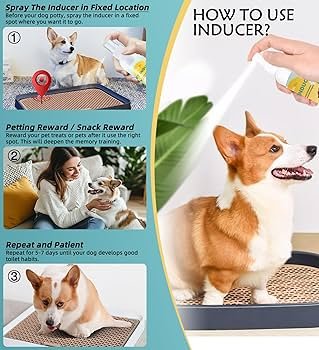
Reward your dog immediately after they pee outside. Use treats, praise, or petting to show approval. This teaches your dog that going outside is good. Avoid punishment, which can cause fear and confusion. Keep rewards small and frequent to keep your dog motivated.
Using Commands And Signals
Choose a simple command like “go potty” or “outside.” Say it every time before your dog pees outdoors. Use the same spot for potty breaks to create a habit. Watch your dog's behavior and give the command when they show signs of needing to pee. Consistency helps your dog connect the command with the action.
Handling Accidents Calmly
Accidents happen. Stay calm and avoid yelling or punishment. Clean the area thoroughly to remove smells that invite repeat accidents. Interrupt your dog gently if you catch them peeing inside. Take them outside immediately to finish. Calm reactions help your dog feel safe and learn faster.
Addressing Common Challenges
Potty training a dog that pees everywhere can be tough. Many owners face similar challenges. Knowing how to address these common issues helps you stay patient and consistent. Dogs need clear guidance and support to learn good habits. Understanding why your dog acts a certain way can improve training results.
Dealing With Marking Behavior
Marking is a natural way dogs show territory. It often looks like peeing around the house. Neutering or spaying can reduce marking in many dogs. Clean marked areas with enzyme cleaners to remove odors. Avoid punishing your dog; it may increase marking. Give your dog regular outdoor breaks to mark outside. Reward your dog for peeing in the right place.
Managing Anxiety And Stress
Stress can cause a dog to pee indoors. Changes in routine or environment may trigger anxiety. Create a calm space for your dog to relax. Use soothing sounds or gentle petting to comfort your dog. Gradually expose your dog to new experiences to build confidence. Consult a vet if anxiety causes frequent accidents.
Training Older Dogs
Older dogs learn at their own pace but can improve. They may have formed bad habits over time. Be patient and consistent with commands and rewards. Schedule regular bathroom breaks to prevent accidents. Use a crate or confined area to limit access inside. Praise every success to encourage good behavior.
Maintaining Long-term Success
Keeping your dog potty trained takes steady effort beyond the initial training. Consistency helps your dog remember good habits. It also builds trust between you and your pet. Staying patient and observant ensures lasting success. Small routines can prevent accidents and confusion for your dog.
Ongoing Supervision
Watch your dog closely, especially in new places. Supervision helps catch signs before accidents happen. Keep an eye on your dog's behavior and cues. This shows when your dog needs to go outside. Avoid leaving your dog alone for long periods. Use baby gates or crates to limit access if needed.
Gradual Freedom Expansion
Increase your dog’s freedom slowly over time. Start by allowing access to one room at a time. Watch for accidents before opening more spaces. Praise your dog for good behavior in each area. This gradual approach builds confidence and control. It prevents overwhelm and reinforces where to go potty.
Regular Health Checkups
Schedule vet visits to rule out health problems. Frequent urination or accidents can signal illness. Keep your dog’s vaccinations and treatments up to date. Discuss any behavior changes with your vet. Healthy dogs have better control and learn faster. Early detection helps avoid setbacks in training.
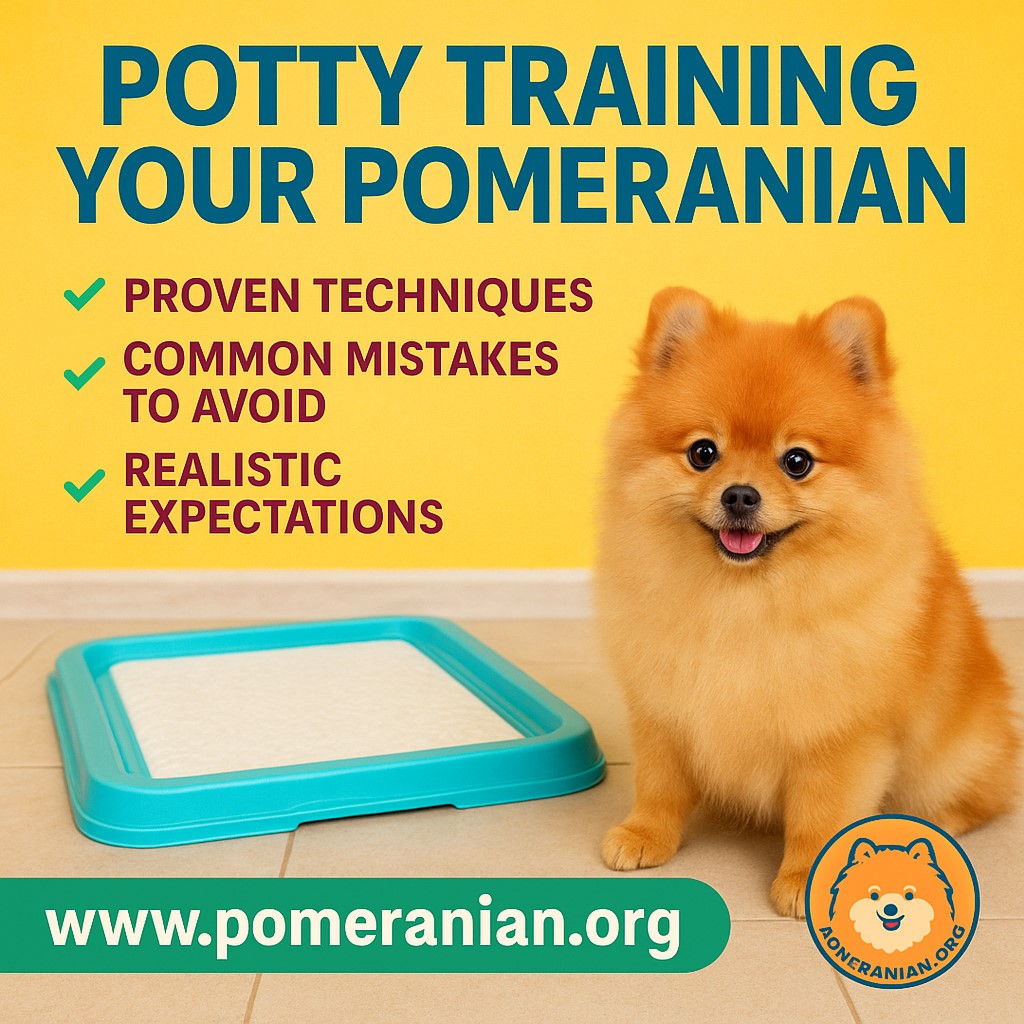
Credit: pomeranian.org
Frequently Asked Questions
How Long Does Potty Training Take For Dogs?
Potty training duration varies but usually takes 4 to 6 weeks. Consistency, patience, and routine speed up the process. Puppies may take longer than adult dogs to learn proper bathroom habits. Regular breaks and positive reinforcement help achieve successful training faster.
What Are Common Mistakes In Potty Training Dogs?
Common mistakes include inconsistent schedules, punishing accidents, and lack of supervision. Rushing the process or ignoring signs can confuse your dog. Proper timing, patience, and reward-based training ensure better results. Avoid negative reactions to accidents to build trust and encourage learning.
How To Handle A Dog That Pees Indoors Repeatedly?
Identify triggers like anxiety or health issues first. Clean accidents with enzyme cleaners to remove odor. Increase outdoor bathroom breaks and supervise closely. Use crate training and praise for success. Consult a vet if problems persist to rule out medical causes.
Can Crate Training Help With Potty Training Dogs?
Yes, crate training is effective for potty training. Dogs naturally avoid soiling their sleeping area. Proper crate size and gradual introduction are important. Use the crate for short periods and always provide bathroom breaks outside. It helps establish a routine and reduces accidents.
Conclusion
Training your dog to stop peeing everywhere takes patience. Start with a routine. Consistency helps them learn faster. Praise your dog for good behavior. Reward them with treats. Accidents happen, so stay calm. Clean accidents with enzyme cleaners to remove scents.
Remember, each dog learns at their own pace. Be patient and keep trying. Soon, your dog will understand where to go. Celebrate small victories along the way. Your efforts will pay off with a well-trained pet. Enjoy the process and bond with your furry friend.
Happy training!